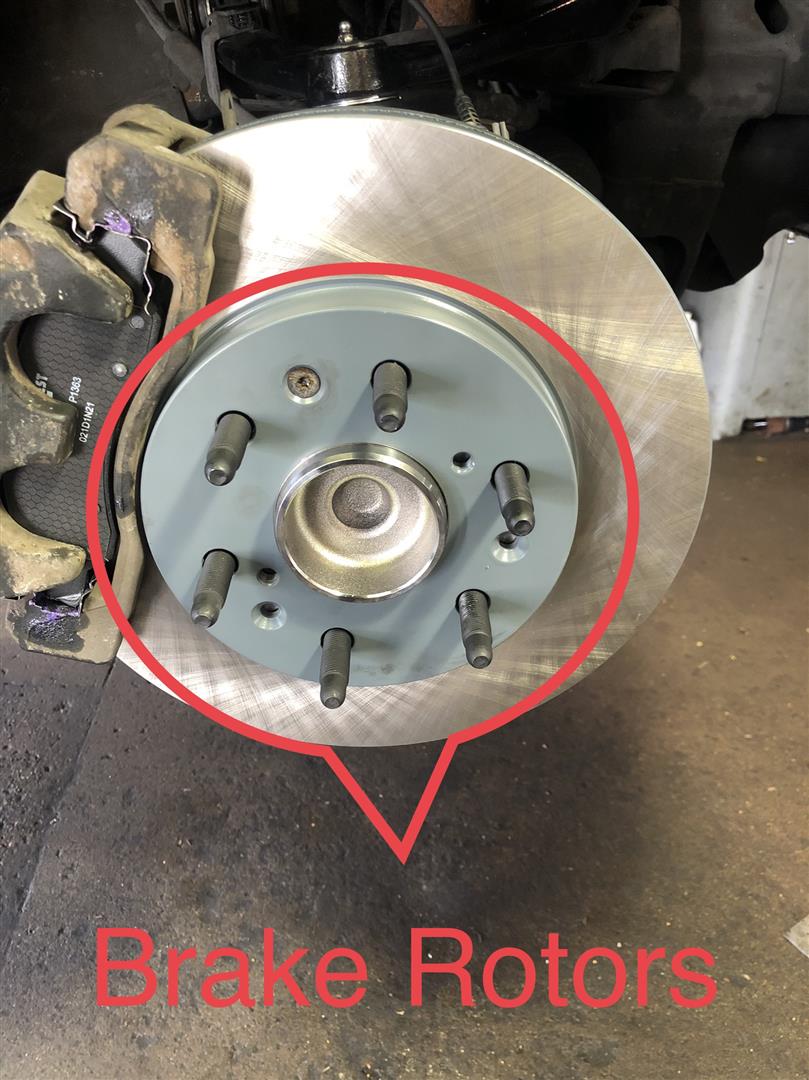
Have you ever wondered how often your brake rotors need to be changed? Your brake rotors play a crucial role in keeping you safe on the road.
Ignoring their condition can lead to costly repairs or even dangerous driving situations. But how do you know when it’s time to replace them? You’ll discover clear signs to watch for and simple tips to keep your brakes in top shape.
Keep reading to protect yourself, your passengers, and your vehicle.
Signs Of Worn Brake Rotors
Brake rotors play a key role in stopping your car safely. Over time, they wear out and need replacement. Recognizing worn brake rotors early helps avoid bigger problems. Several clear signs show when your rotors need attention.
Squealing And Grinding Noises
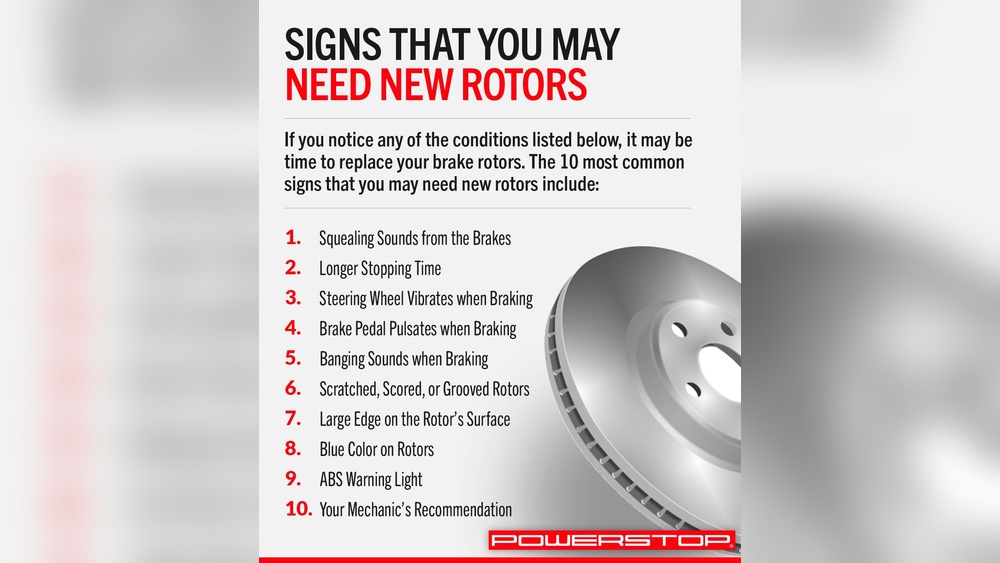
Squealing sounds happen when rotors are thin or rough. The brake pads may scrape the metal surface. Grinding noises mean severe wear or damage. These sounds warn you about rotor problems. Do not ignore these noises during braking.
Vibration During Braking
Feeling a shake or vibration in the brake pedal is a common sign. Warped rotors cause uneven contact with brake pads. This unevenness makes the car vibrate when stopping. It can make driving unsafe and uncomfortable. Check your rotors if you notice this.
Visible Rotor Damage
Look at the rotors through the wheels. Deep grooves, cracks, or rust spots show wear. These damages reduce braking power and safety. Clean rotors are smooth and shiny. Damaged rotors need to be replaced quickly to ensure safety.
Factors Affecting Rotor Lifespan
Brake rotors do not wear out at the same rate for every vehicle. Many factors influence how long rotors last. Understanding these can help you maintain your brakes better. It also helps in planning when to replace the rotors.
Some causes speed up rotor wear, while others help them last longer. Knowing these details saves money and improves safety on the road.
Driving Habits
Hard braking causes rotors to wear out faster. Frequent stop-and-go traffic also adds stress. Smooth and steady braking extends rotor life. Avoid riding the brakes to reduce damage. Quick stops heat the rotors, causing warping and cracks.
Type Of Vehicle
Heavier vehicles put more pressure on brake rotors. Trucks and SUVs often need rotor changes sooner. Small cars usually have lighter braking loads. Performance cars may wear rotors faster due to powerful brakes. Vehicle weight and use affect rotor durability.
Rotor Material
Rotors come in different materials like cast iron or carbon composite. Cast iron rotors are common and affordable but wear faster. Carbon composite rotors last longer but cost more. Some materials resist heat better, lowering wear risk. Material quality impacts how long rotors last.
Environmental Conditions
Wet or salty roads cause rust and corrosion on rotors. Dusty or sandy areas increase rotor surface wear. Cold weather can make rotors brittle and prone to cracking. Hot climates may cause faster brake fade and rotor damage. Environment plays a big role in rotor lifespan.
Typical Replacement Intervals
Brake rotors wear down over time and need regular replacement. Knowing typical replacement intervals helps keep your car safe. Rotors last different lengths depending on many factors. Following guidelines can prevent brake problems and costly repairs.
Manufacturer Recommendations
Car makers give specific advice on rotor replacement. Check your vehicle’s manual for these details. They suggest times based on tests and typical use. Following these helps maintain your car’s brake performance. Ignoring them may reduce safety and cause damage.
Mileage Guidelines
Most rotors last between 30,000 and 70,000 miles. Some last longer with gentle driving and good care. Rough driving or heavy loads can shorten rotor life. Track your mileage to know when to check or replace. This simple step helps avoid sudden brake failure.
Inspection Frequency
Regular rotor checks catch wear before problems start. Inspect rotors every 10,000 to 15,000 miles or yearly. Look for cracks, grooves, or uneven wear on the surface. Listen for unusual noises when braking. Early inspections save money and keep brakes working well.
Credit: www.ricksautoservice.org
Rotor Maintenance Tips
Brake rotors need care to last longer and work well. Good maintenance keeps your brakes safe and smooth. Small checks and habits help avoid big problems. Learn easy ways to take care of rotors.
Regular Inspections
Check rotors often for cracks, warping, or deep grooves. Look for uneven wear or rust. Early signs show before serious damage happens. Use a flashlight and clean cloth to see clearly. Visit a mechanic if you spot issues.
Proper Brake Pad Replacement
Change brake pads before they wear out completely. Worn pads can hurt rotors and cause noise. Use good quality pads that fit your car. Replace pads on both sides of the rotor. This keeps wear balanced and protects the rotor.
Avoiding Overheating
Do not brake hard for too long, especially downhill. Overheated rotors can warp and lose strength. Drive smoothly and give brakes time to cool. Avoid riding the brakes in heavy traffic. Overheating reduces rotor life and braking power.
Cost Of Rotor Replacement
Replacing brake rotors is a necessary part of vehicle maintenance. The cost can vary widely based on several factors. Understanding these costs helps you prepare for the expense and avoid surprises. Below is a breakdown of the main cost components involved in rotor replacement.
Parts And Labor
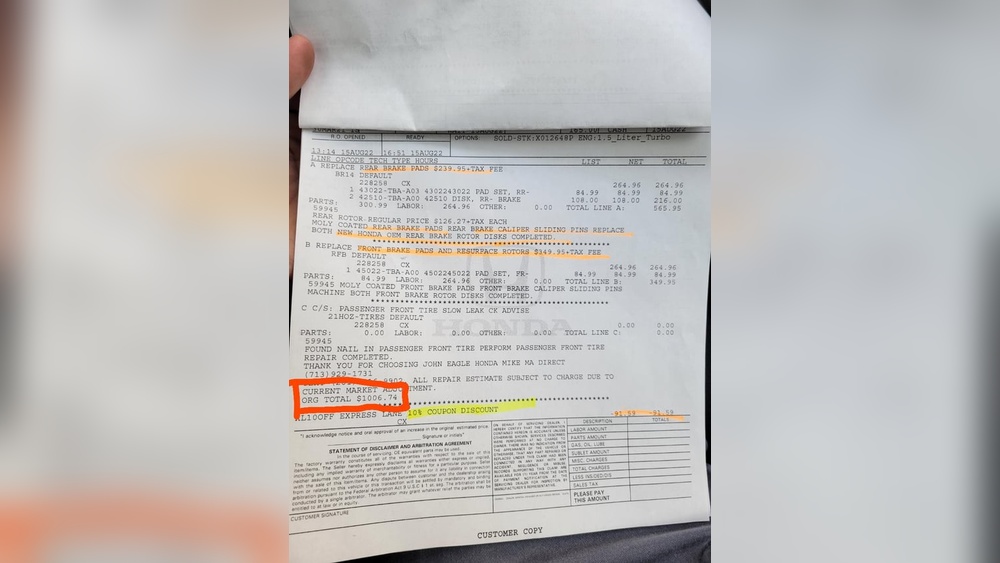
Brake rotors themselves can cost between $30 and $75 each for standard vehicles. High-performance or specialty rotors may cost more. Labor fees depend on the repair shop and location. Most shops charge $80 to $150 per hour. The replacement usually takes 1 to 2 hours. This brings the total labor cost to about $80 to $300. The combined parts and labor cost often ranges from $150 to $400.
Diy Vs Professional Service
Some car owners choose to replace rotors themselves. This saves labor costs but requires tools and knowledge. Improper installation can cause safety issues. Professional service ensures proper fitting and testing. Shops also dispose of old parts safely. DIY may suit experienced mechanics but professionals are safer for most people.
Potential Additional Repairs
Brake rotors often wear with brake pads. Pads usually need replacement at the same time. Pad replacement adds $50 to $150 to the total cost. Other parts like calipers or brake fluid may also need attention. These repairs increase the overall expense. Getting a full brake inspection helps avoid future problems.

Credit: www.youtube.com
Choosing Quality Rotors
Choosing the right brake rotors matters for your car’s safety and performance. Quality rotors last longer and work better. They help your brakes stop smoothly and reduce noise or vibration. Picking the best rotors needs some thought about types and brands. This guide breaks down what to know before you buy.
Oem Vs Aftermarket
OEM rotors come from the car maker. They fit perfectly and meet factory standards. Aftermarket rotors come from other companies. They often cost less and offer different features. Some aftermarket rotors improve cooling or durability. But not all match the exact quality of OEM parts. Choose based on your budget and driving needs.
Material Types
Brake rotors come in various materials. Cast iron is common and affordable. It handles heat well but can rust. Carbon composite rotors are light and strong. They resist heat better but cost more. Some rotors have special coatings to fight rust. Pick a material that suits your driving style and weather conditions.
Brand Reputation
Brands with a good reputation usually deliver reliable rotors. They test their products to meet safety standards. Read reviews and check ratings before buying. Trusted brands stand behind their parts with warranties. Avoid unknown brands that may offer low quality. A reliable brand means safer brakes and fewer problems.
Credit: www.reddit.com
Frequently Asked Questions
How Long Do Brake Rotors Usually Last?
Brake rotors typically last between 30,000 to 70,000 miles. Their lifespan depends on driving habits and rotor quality. Regular inspections help determine when replacement is necessary to maintain safe braking performance.
What Signs Indicate Brake Rotor Replacement?
Common signs include vibrations, squealing noises, and visible rotor grooves. If braking feels less responsive or you notice pulsation in the pedal, it’s time to check your rotors.
Can You Replace Brake Rotors Without Changing Pads?
It is possible but not recommended. New rotors require new pads for optimal performance and safety. Using old pads on new rotors can cause uneven wear and reduce braking efficiency.
How Often Should Brake Rotors Be Inspected?
Brake rotors should be inspected every 12,000 miles or during routine brake service. Regular checks help catch wear early and prevent costly damage or unsafe driving conditions.
Conclusion
Brake rotors wear down over time and need regular checks. Most rotors last between 30,000 to 70,000 miles. Driving habits and road conditions affect their lifespan. Signs like vibrations or noise mean it’s time to inspect them. Replacing rotors promptly keeps your car safe and smooth.
Don’t wait for problems to get worse. Routine maintenance saves money and prevents accidents. Stay aware of your brakes’ condition for safer driving. Regular visits to a trusted mechanic help catch issues early. Keep your brake system in good shape for peace of mind.