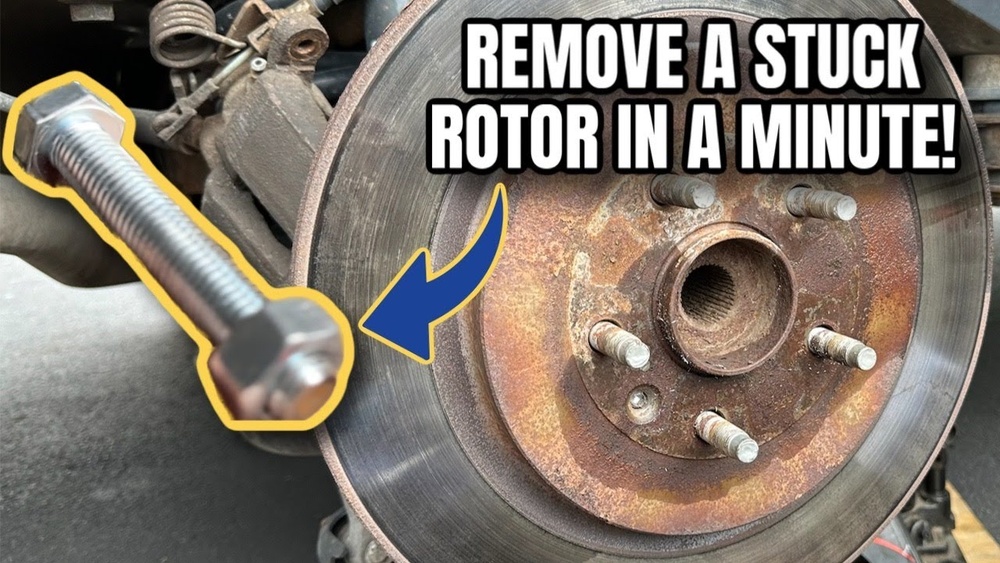
Your brakes and rotors are crucial for your safety every time you get behind the wheel. But how often should you change them?
Ignoring this question can put you at risk and lead to costly repairs. If you want to keep your car running smoothly and stay safe on the road, understanding when to replace your brakes and rotors is key. Keep reading, and you’ll learn exactly what signs to watch for and how to know the right time to make this important change.
Your safety depends on it.
Brake And Rotor Lifespan
Brakes and rotors are vital parts of a vehicle’s safety system. Their lifespan depends on many things. Knowing how long they last helps keep your car safe and avoids costly repairs. Regular checks are important to spot wear early.
Average Brake Pad Duration
Brake pads usually last between 30,000 and 70,000 miles. This range depends on driving style and conditions. Some pads wear faster in city traffic due to frequent stopping. Others last longer on highways where braking is less frequent. Checking pads every 10,000 miles is a good habit.
Rotor Wear Timeline
Rotors typically last twice as long as brake pads. Most rotors need replacement after 50,000 to 70,000 miles. Signs of rotor wear include vibrations or noise when braking. Thin or warped rotors reduce braking efficiency. Regular inspections help catch rotor damage early.
Factors Influencing Wear
Driving habits greatly affect brake and rotor wear. Hard braking or riding the brakes causes faster wear. Road conditions also play a role. Driving on rough, hilly, or stop-and-go roads wears brakes quicker. Quality of brake parts matters too. Higher-quality pads and rotors tend to last longer.
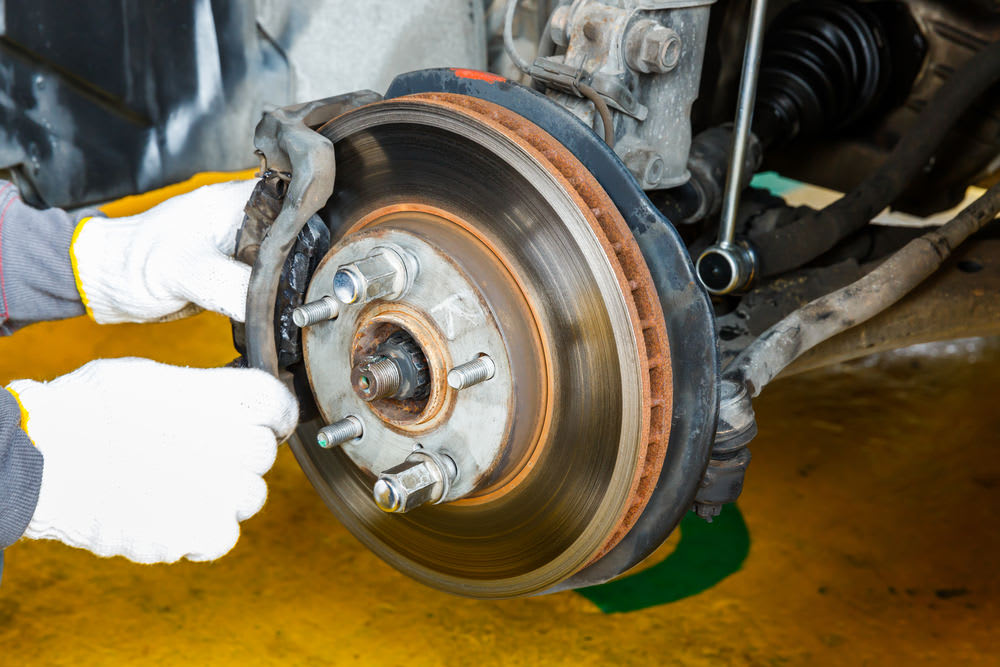
Credit: www.yourmechanic.com
Signs You Need New Brakes
Brakes are one of the most important safety parts of your car. Knowing the signs of worn brakes helps you avoid accidents. Early detection means safer driving and less costly repairs. Watch for clear signals that your brakes need attention.
Squeaking And Squealing Sounds
Listen for high-pitched noises when you press the brake pedal. These sounds often mean brake pads are worn down. The noise comes from a small metal indicator on the pads. It’s a warning that new brake pads are needed soon.
Reduced Braking Performance
Notice if your car takes longer to stop than before. Soft or spongy brake pedals can mean air or fluid leaks. Reduced braking power is dangerous and calls for immediate checks. Always trust your instincts about how your brakes feel.
Vibrations And Pulsations
Feel for shaking or pulsing in the brake pedal or steering wheel. This usually points to warped rotors or uneven brake wear. Vibrations get worse as you press harder on the brakes. Getting rotors inspected and replaced keeps your ride smooth and safe.
When To Replace Rotors
Rotors are a key part of your vehicle’s braking system. They work with brake pads to stop your car safely. Over time, rotors wear out and need replacement. Knowing when to change rotors helps keep your brakes effective and your driving safe.
Visible Rotor Damage
Check rotors for cracks, deep grooves, or rust. These signs show the rotor is damaged. Driving with damaged rotors can cause poor braking. Replace rotors if you see any visible damage.
Warping And Thickness Issues
Rotors can warp from heat and use. Warped rotors cause vibrations when braking. Measure rotor thickness regularly. If the rotor is too thin, it must be replaced. Thin rotors lose strength and brake power.
Brake Pedal Feedback Changes
Notice any changes in brake pedal feel. A pulsing or shaking pedal means rotor issues. Soft or spongy pedals can also signal rotor wear. These changes suggest it’s time to replace rotors.
Impact Of Driving Habits
Driving habits greatly affect how often you need to change brakes and rotors. Different styles and conditions cause varying wear and tear on these parts. Understanding the impact of your driving habits helps maintain your vehicle better.
City Vs Highway Driving
City driving means frequent stops and starts. This constant braking wears out pads and rotors faster. Stop-and-go traffic heats up brake parts, causing quicker damage. Highway driving involves steady speeds and fewer stops. Brakes last longer on highways due to less use. Rotors stay cooler and wear slower on open roads.
Heavy Loads And Towing
Carrying heavy loads or towing adds extra stress to brakes. The brakes must work harder to slow down the vehicle. This extra effort causes faster wear on pads and rotors. Towing uphill or downhill increases brake use even more. Expect to replace brakes and rotors sooner when hauling heavy weight.
Aggressive Braking Effects
Hard and sudden braking damages brakes quickly. It creates excessive heat and uneven wear on rotors. Aggressive braking can cause warping and reduce rotor life. Smooth, steady braking helps parts last longer. Avoid slamming brakes to extend the life of your system.
Brake Maintenance Tips
Brake maintenance keeps your car safe and extends brake life. Good habits help avoid costly repairs and sudden failures. Simple steps protect your brakes and keep them working well.
Regular Inspections
Check brakes every few months or 6,000 miles. Look for worn pads, thin rotors, or brake fluid leaks. Listen for squeaking or grinding sounds. These signs mean it is time for a checkup. Early fixes save money and keep brakes strong.
Proper Bedding-in Process
New brake pads need a break-in time called bedding-in. Drive slowly and brake gently at first. Make several stops from low to medium speed. This helps pads and rotors work well together. Proper bedding-in improves brake power and reduces noise.
Avoiding Common Mistakes
Don’t ride the brakes or brake hard often. This causes heat and wears parts quickly. Avoid mixing different brake pad types on the same axle. Clean rotors before installing new pads. Skip cheap parts; quality lasts longer. Careful use and good parts keep brakes safe.
Credit: www.reddit.com
Choosing Quality Brake Parts
Choosing quality brake parts is key to safe driving and long-lasting performance. Poor parts wear out fast and may harm your vehicle. Good parts fit well and work smoothly. They help stop your car reliably every time. Understanding the options helps you pick the right ones for your needs.
Oem Vs Aftermarket Options
OEM parts come from your car’s maker. They match original specs exactly. This means perfect fit and reliable quality. Aftermarket parts are made by other companies. They vary in quality and price. Some match OEM parts well. Others may be cheaper but less durable. Choose carefully to avoid problems.
Material Types And Benefits
Brake parts use different materials for strength and heat resistance. Ceramic pads last longer and make less dust. They also work quietly. Metallic pads offer strong stopping power but wear faster. Organic pads are soft and quiet but don’t last as long. Rotors can be plain, drilled, or slotted for better cooling. Pick materials that suit your driving style.
Cost Vs Longevity Considerations
Cheaper parts save money now but may wear out quickly. This means more frequent replacements and extra costs. Higher-quality parts cost more upfront but last longer. They reduce repair visits and improve safety. Balance your budget with how long you want the parts to last. Investing in good brakes is wise for your safety.

Credit: www.reddit.com
Frequently Asked Questions
How Often Should Brake Pads Be Replaced?
Brake pads typically need replacement every 30,000 to 70,000 miles. This depends on driving habits and conditions. Regular inspection helps detect wear early. Worn pads reduce braking efficiency and damage rotors. Always follow your vehicle manufacturer’s recommendations for best results.
When Do Rotors Need Changing?
Rotors generally last between 50,000 and 70,000 miles. They should be replaced if warped, cracked, or worn below minimum thickness. Regular brake inspections can identify rotor issues early. Damaged rotors cause vibrations and reduce braking performance. Timely replacement ensures safety and smooth braking.
Can I Replace Rotors Without Changing Brake Pads?
It’s possible but not recommended. New rotors with old pads can cause uneven wear and noise. Ideally, replace brake pads and rotors together. This ensures optimal contact, better braking, and longer component life. Always consult a professional mechanic for best advice.
What Signs Indicate Brake Or Rotor Replacement?
Common signs include squeaking, grinding noises, and reduced braking power. You may feel vibrations or pulsing in the brake pedal. Visible grooves or cracks on rotors also indicate replacement. Prompt attention prevents further damage and ensures safety on the road.
Conclusion
Changing brakes and rotors keeps your car safe on the road. Regular checks help spot wear early. Most brakes last between 30,000 to 70,000 miles. Rotors usually last longer but need attention too. Listen for squeaking or grinding sounds. These signs mean it’s time to check them.
Proper care saves money and prevents accidents. Stay alert and don’t ignore brake issues. Your safety depends on good brake and rotor condition. Keep your vehicle running smoothly by staying on top of maintenance.