

Your brakes are one of the most important parts of your car. But do you know how often you need to change your brake rotors?
Ignoring this can lead to costly repairs or, worse, dangerous driving conditions. You might think your rotors last forever, but they wear down over time. You’ll discover the signs that show when it’s time for a change and how to keep your brakes working smoothly.
Keep reading to protect yourself, your passengers, and your vehicle.
Signs Of Worn Brake Rotors
Brake rotors wear down over time due to regular use. Recognizing signs of worn brake rotors is essential. It helps keep your car safe and working well. Watch out for noises, vibrations, and visible damage. These signs show that your rotors may need changing soon.
Squeaking And Grinding Noises
Squeaking sounds often happen when brake pads wear down. But grinding noises mean the rotors are damaged. Grinding is a strong sound like metal scraping metal. It signals that the rotor surface is uneven or worn out. These noises should never be ignored. They warn of potential brake failure.
Vibrations During Braking
Feeling vibrations in the brake pedal or steering wheel is a red flag. It means the rotors have uneven surfaces or warping. Warped rotors cause the car to shake when you press the brake. This vibration reduces braking effectiveness and comfort. Checking for this sign helps avoid bigger problems.
Visible Rotor Damage
Inspect your rotors for cracks, grooves, or deep rust. These visible damages reduce braking power. Deep grooves or scoring happen from worn brake pads or debris. Cracks appear from excessive heat during hard braking. Rust weakens the rotor structure over time. Any visible damage means it’s time for rotor replacement.
Factors Affecting Rotor Lifespan
Brake rotors do not wear out at the same rate for every driver. Several factors affect how long rotors last. Understanding these factors helps you know when to check or replace them. Rotor lifespan depends on how you drive, your vehicle, and the environment.
Driving Habits
Aggressive driving shortens rotor life. Hard braking causes more heat and wear. Frequent stop-and-go traffic also wears rotors faster. Smooth, steady braking helps rotors last longer. Avoiding sudden stops protects your rotors.
Vehicle Type And Weight
Heavier vehicles put more stress on rotors. Trucks and SUVs often wear rotors faster than small cars. Performance cars may have rotors designed to handle more heat. Knowing your vehicle’s weight helps estimate rotor lifespan.
Brake Pad Material
Brake pads and rotors work as a pair. Some pads are harder and cause more rotor wear. Organic pads wear rotors slower but may last less. Ceramic pads create less dust and wear but cost more. Matching pads to rotors extends rotor life.
Road Conditions
Rough roads cause more rotor damage. Driving on gravel or dirt roads wears rotors faster. Wet or salty roads can cause rust on rotors. Smooth, clean roads help rotors stay in good shape. Consider road conditions when checking rotors.
Recommended Replacement Intervals
Knowing when to replace brake rotors keeps your vehicle safe and running well. Brake rotors wear out with use. Changing them at the right time avoids damage and costly repairs. Recommended replacement intervals guide you on when to swap old rotors for new ones.
These intervals depend on factors like driving style, road conditions, and vehicle type. Understanding these guidelines helps you maintain brake performance and safety.
Manufacturer Guidelines
Car makers provide specific advice on rotor replacement. Check the owner’s manual for details. These guidelines consider your vehicle’s design and parts. Following them ensures the brakes work as intended. Some manufacturers suggest rotor checks every 30,000 miles or during brake pad changes.
Average Mileage Benchmarks
Most brake rotors last between 30,000 and 70,000 miles. This range varies by driving habits and terrain. City driving with frequent stops wears rotors faster. Highway driving causes less rotor wear. Regular inspections help track rotor condition and mileage.
When To Replace Early
Replace rotors early if you notice vibration or noise when braking. Deep grooves or cracks on rotors signal damage. Thin rotors lose strength and braking ability. Early replacement prevents accidents and brake system failure. Always address brake issues promptly for safety.

Credit: www.hawkperformance.com
Inspection And Maintenance Tips
Regular inspection and maintenance help keep brake rotors in good shape. They catch problems early and improve safety. Simple checks can extend rotor life and prevent costly repairs. Here are key tips to inspect and maintain your brake rotors properly.
Routine Visual Checks
Check brake rotors often for cracks, grooves, or rust. Look at the rotor surface through the wheel spokes. Uneven wear or deep grooves signal rotor damage. Rust can cause brake noise and reduce stopping power. Clean the rotors gently to remove dirt and debris. Early spotting of issues helps avoid bigger problems.
Measuring Rotor Thickness
Rotors wear thinner over time. Use a micrometer to measure thickness accurately. Compare measurements to the minimum thickness listed in your vehicle manual. Thin rotors can cause brake failure and vibration. Measure at several points for a clear picture. Replace rotors that fall below safe thickness limits.
Professional Brake Inspections
Have a mechanic inspect brakes regularly. They check rotors, pads, and calipers for wear and damage. Professionals can spot hidden issues you might miss. Schedule inspections every 12,000 miles or at least once a year. Proper maintenance keeps brakes working well and protects your safety.
Risks Of Delaying Rotor Replacement
Delaying the replacement of brake rotors can cause serious problems. Rotors wear out over time and lose their effectiveness. Ignoring this issue leads to more than just poor braking. It affects your vehicle’s safety and your wallet. Understanding the risks helps you act before damage worsens.
Brake Performance Issues
Worn rotors reduce stopping power. Your brakes may feel weak or spongy. Vibrations or noises happen during braking. This lowers control of the vehicle. Emergency stops become harder and longer.
Safety Hazards
Damaged rotors increase accident risks. They may cause brake failure at critical moments. Uneven rotors can pull the car to one side. This loss of control endangers you and others on the road. Safety systems like ABS may also fail.
Increased Repair Costs
Ignoring rotor wear leads to bigger repairs. Worn rotors damage brake pads faster. This means replacing both parts, not just rotors. Severe rotor damage may affect other brake components. Repair bills can rise quickly if delayed.
Credit: www.reddit.com
Choosing Between Rotor Replacement And Resurfacing
Choosing between rotor replacement and resurfacing is important for safe driving. Both options fix brake problems but differ in process and cost. Understanding when each method works helps you save money and keep your vehicle safe.
When Resurfacing Is Possible
Resurfacing means shaving the rotor surface to remove damage. It works if the rotor is not too thin or warped. Small grooves or rust can be fixed by resurfacing. The rotor must meet the minimum thickness set by the maker. Deep cracks or heavy warping cannot be fixed by resurfacing.
Benefits Of New Rotors
New rotors offer better braking performance and safety. They come free of wear and defects. New rotors reduce noise and vibrations during braking. They last longer than resurfaced rotors. Installing new parts can improve vehicle value and reliability.
Cost Considerations
Resurfacing is cheaper than buying new rotors. It saves money if the rotors are still in good shape. New rotors cost more but avoid future repairs. Sometimes, resurfacing costs almost the same as replacement. Choosing the right option depends on rotor condition and budget.
Tips For Extending Rotor Life
Brake rotors are a key part of your vehicle’s safety. They wear down over time and need replacement. Extending the life of your rotors saves money and keeps your car safe. Follow simple tips to make your rotors last longer.
Smooth Braking Techniques
Brake gently and avoid sudden stops. Press the pedal softly and gradually. This reduces stress on the rotors. Smooth braking creates less heat and prevents warping. It also helps brake pads wear evenly.
Regular Brake System Maintenance
Check your brakes often. Look for signs of wear on pads and rotors. Replace worn brake pads quickly to protect rotors. Keep brake fluid clean and at the right level. Proper maintenance avoids costly rotor damage.
Avoiding Overheating
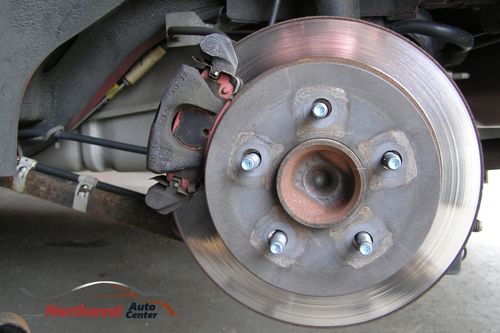
Do not ride the brakes on long downhill drives. Use lower gears to slow down instead. Overheating causes rotors to crack or warp. Let brakes cool if they feel very hot. Keep your braking system cool for longer rotor life.
Credit: northwestautohouston.com
Frequently Asked Questions
How Often Should Brake Rotors Be Replaced?
Brake rotors typically need replacement every 30,000 to 70,000 miles. This varies by driving habits and rotor quality. Regular inspections help detect wear early. Replacing rotors timely ensures safe braking and prevents damage to other brake parts.
What Are Signs That Brake Rotors Need Changing?
Common signs include vibration when braking, squealing noises, and visible grooves or cracks on rotors. If braking feels less responsive, it could indicate rotor issues. Early detection prevents further damage and ensures optimal brake performance.
Can Brake Rotors Be Resurfaced Instead Of Replaced?
Yes, rotors can be resurfaced if wear is minor and thickness is adequate. Resurfacing removes grooves and smooths the surface. However, if rotors are too thin or damaged, replacement is safer and more effective.
Does Driving Style Affect Rotor Lifespan?
Aggressive braking and frequent stop-and-go driving wear rotors faster. Smooth, gentle braking extends rotor life. Highway driving generally causes less rotor wear compared to city driving. Adjusting driving habits can reduce rotor replacement frequency.
Conclusion
Brake rotors wear down with time and use. Check them regularly for signs of damage. Thin, warped, or cracked rotors need replacement. Changing rotors on time keeps your car safe. Don’t wait for problems to get worse. Good maintenance saves money and stress later.
Stay alert to noises or vibrations while driving. Proper care helps your brakes perform well longer. Keep your vehicle’s braking system in top shape. Regular checks prevent accidents and improve driving comfort.
