

You just got a new car, and it looks amazing. But how do you keep that shine lasting longer?
Waxing your car is key to protecting its paint and making it look fresh every day. You might be wondering, how often do you really need to wax a new car? Too little, and your car’s finish can fade. Too much, and you might waste time and money.
You’ll discover the perfect waxing routine tailored for your new ride. Keep reading to find out how to make your car’s shine last and turn heads wherever you go.

Credit: lambencydetailing.com
Benefits Of Waxing A New Car
Waxing a new car adds more than just a glossy look. It keeps the paint fresh and strong. Regular waxing builds a protective layer. This layer helps the car stay beautiful for a long time.
Enhancing Paint Shine
Wax makes the car’s paint look bright and clear. It brings out the true color and depth. The shine attracts eyes and keeps the car looking new. A shiny car always feels well cared for.
Protecting Against Elements
Wax acts like a shield against rain, sun, and dust. It stops water from sticking to the paint. Sunlight can fade the paint, but wax slows this down. Dust and dirt wash away easier with wax.
Preventing Minor Scratches
The wax layer reduces small scratches from dirt and debris. It softens the impact of brushing against branches or walls. This helps keep the paint smooth and clean. Less damage means the car looks newer longer.
Factors Affecting Waxing Frequency
Waxing a new car protects its paint and keeps it shiny. The frequency of waxing depends on several factors. These factors affect how long the wax lasts on the car’s surface. Understanding them helps in planning the right waxing schedule.
Climate And Weather Conditions
Hot sun can wear down wax quickly. Rain and snow can also reduce wax protection. Salt on roads in winter damages the paint and wax. Dust and pollution in the air can stick to the car. Cars in dry, mild climates need less waxing than those in harsh weather.
Driving Habits
Frequent driving exposes the car to more dirt and grime. Long trips on highways can cause more wear to wax. Parking under trees may drop sap and bird droppings on the car. City driving often means more stops and starts, leading to more grime buildup. Clean and wax more often if driving conditions are tough.
Type Of Wax Used
Natural carnauba wax lasts for a shorter time. Synthetic waxes offer longer protection. Liquid waxes usually wear off faster than paste waxes. Some waxes resist water and dirt better than others. Choose wax types based on how long you want protection to last.
Recommended Waxing Schedule
Keeping your new car shiny and protected needs a good waxing plan. Waxing shields the paint from dirt, sun, and water. It also keeps your car looking fresh and new. The right waxing schedule depends on your wax type and the weather around you.
Monthly Waxing
Waxing every month is best for cars in tough conditions. Dirt, rain, and sun can wear off wax fast. Monthly waxing keeps a strong protective layer. This helps prevent paint damage and fading. It also gives your car a clean, glossy look all the time.
Seasonal Waxing
Waxing every three to four months works well for many drivers. Changing seasons bring different challenges. Summer sun can dry out paint, and winter salt can cause rust. Seasonal waxing adds a fresh shield before each season. It balances protection without spending too much time waxing.
Waxing For Different Wax Types
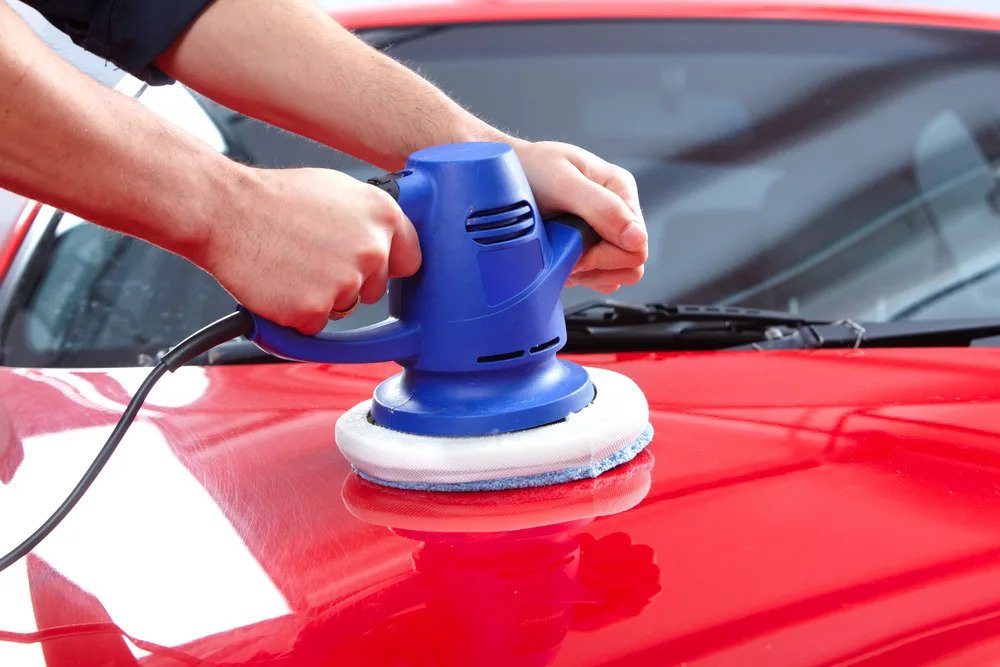
Car waxes come in paste, liquid, or spray forms. Paste wax lasts longer but takes more time to apply. Liquid wax is easier and quicker but may need more frequent use. Spray wax is fastest but offers shorter protection. Choose a waxing schedule that fits your wax type. This keeps your car’s paint safe and bright.
Credit: ethoscarcare.com
Signs Your Car Needs Waxing
Knowing the signs your car needs waxing helps protect its paint. Wax keeps the surface shiny and safe from damage. Watch your car closely for changes that show it needs a fresh coat of wax.
Dull Or Faded Paint
When the paint looks dull, the wax layer may be gone. Faded colors can mean the sun has worn off protection. A shiny car usually has a good wax coat. Lack of shine is a clear sign to wax your car again.
Water Beading Issues
Wax helps water form small beads on the surface. If water spreads out or sticks, the wax might be gone. Beading shows the paint is sealed and protected. No beads mean it is time to wax your car.
Surface Contaminants
Dirt, dust, and bird droppings stick more without wax. These contaminants damage paint if not cleaned quickly. Wax acts as a barrier to keep the surface clean. If your car feels rough or looks dirty quickly, it needs waxing.
Waxing Techniques For New Cars
Waxing a new car keeps its paint shiny and protected. Using the right waxing techniques helps the wax last longer. Proper steps make the car look smooth and glossy. These techniques also prevent damage to the paint. Follow each step carefully for the best results.
Preparing The Car Surface
Start with a clean car. Wash it thoroughly to remove dirt and dust. Dry the car completely using a soft cloth. Check for any spots or stains. Remove them gently before waxing. A clean surface helps wax stick better and last longer.
Applying Wax Evenly
Use a small amount of wax at a time. Apply wax in small sections to control coverage. Spread the wax with a soft applicator pad. Use circular motions for even coverage. Avoid thick layers; thin layers dry faster and work better. Take your time to cover every part.
Buffing For Best Results
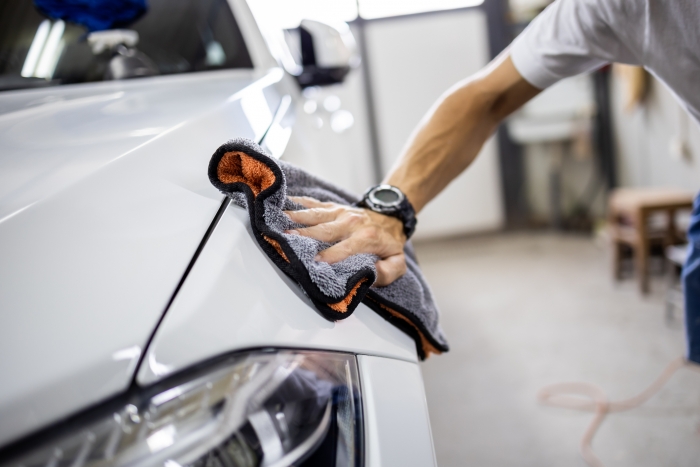
Wait until the wax dries to a haze. Use a clean microfiber cloth for buffing. Buff with gentle, circular motions to shine the paint. Remove all wax residue for a smooth finish. Buffing brings out the car’s glossy look. Repeat if needed for extra shine.
Credit: www.chipsaway.co.uk
Alternatives To Traditional Waxing
Keeping a new car shiny often means regular waxing. Traditional wax protects paint but needs frequent reapplication. Many car owners seek longer-lasting options. Alternatives to traditional waxing offer different levels of protection and durability. These options can save time and keep your car looking fresh for months.
Sealants And Coatings
Sealants are synthetic products that create a strong protective layer. They last longer than wax, often up to six months. Sealants repel water and dirt well. They add a glossy finish that enhances the car’s color. Application is simple and can be done at home. Sealants need less frequent reapplication than wax.
Ceramic Protection
Ceramic coatings use advanced technology to bond with the paint. They create a hard, durable shell that lasts years. This layer resists scratches, chemicals, and UV rays. Ceramic coatings make cleaning easier by repelling dirt and water. Application often requires professional help for best results. It offers superior protection but comes at a higher cost.
Pros And Cons Of Alternatives
Sealants last longer than wax but may lack the deep shine. They are affordable and easy to apply. Ceramic coatings offer the best protection but can be expensive. They need expert application and curing time. Both alternatives reduce the need for frequent waxing. Each option suits different budgets and maintenance styles.
Common Mistakes To Avoid
Waxing your new car protects its paint and keeps it shiny. Avoid mistakes that can harm your car’s finish or waste your time. Knowing what not to do helps you keep your car looking great for longer.
Over-waxing
Applying wax too often can cause buildup on your car’s surface. This buildup makes the paint look dull and uneven. Wax layers can trap dirt and dust, damaging the paint. Stick to the recommended waxing schedule to avoid this problem.
Applying Wax On Dirty Surfaces
Wax does not stick well to dirty or dusty paint. Dirt under the wax can scratch your car’s surface. Always wash and dry your car before waxing. Clean surfaces help wax bond better and protect the paint properly.
Ignoring Manufacturer Recommendations
Car makers often give advice on waxing frequency and products. Ignoring these tips can reduce the wax’s effectiveness. Use wax types and schedules suggested for your car model. This keeps your car’s paint in the best condition.
Frequently Asked Questions
How Often Should I Wax My New Car?
Wax your new car every 3 to 4 months. Regular waxing protects the paint and maintains shine. Environmental factors may require more frequent waxing.
Can Waxing A New Car Prevent Paint Damage?
Yes, waxing creates a protective layer against UV rays, dirt, and pollutants. It helps prevent fading, oxidation, and minor scratches.
Is It Necessary To Wax A New Car Immediately?
No, wait about 30 to 60 days after purchase. This allows the factory paint to fully cure before applying wax.
What Type Of Wax Is Best For New Cars?
Use a high-quality carnauba or synthetic wax. These provide long-lasting protection and enhance the new car’s glossy finish.
Conclusion
Waxing a new car keeps its paint shiny and protected. Most experts suggest waxing every three months. This timing helps guard against dirt, sun, and rain damage. Too much waxing can harm the finish. Too little leaves the paint vulnerable.
Regular waxing also makes cleaning easier. Simple steps maintain your car’s look longer. Keep an eye on how your car responds. Adjust your waxing schedule based on weather and use. Protect your investment with steady care and attention. Your car will thank you with lasting shine.


