

Is your car’s air conditioner not cooling like it used to? You might be wondering, how often does a car AC need to be recharged?
Knowing the right time to recharge your car’s AC can save you from uncomfortable drives and costly repairs. You’ll discover the signs that show your AC needs a recharge and learn how to keep it running smoothly all year round.
Keep reading to make sure your car stays cool when you need it most.

Credit: www.yourmechanic.com
Signs Your Car Ac Needs Recharging
Knowing the signs your car AC needs recharging helps you avoid discomfort. A poorly charged AC can affect driving comfort and vehicle health. Watch for these clear signs to act early and keep cool on the road.
Weak Airflow And Warm Air
The AC blows air, but it feels weak or warm. This means the refrigerant is low and cannot cool the air properly. You may notice the fan running, but the temperature inside rises. This is a common sign your car AC needs recharging.
Unusual Noises
Strange sounds like hissing or clicking come from the AC system. These noises can signal low refrigerant or leaks. The compressor may also make noise if the system lacks proper coolant. These sounds should not be ignored.
Foul Odors
A bad smell comes from the AC vents when turned on. This could mean mold or bacteria build-up inside the system. Low refrigerant can cause moisture to stay inside, leading to these odors. Cleaning and recharging may fix this issue.
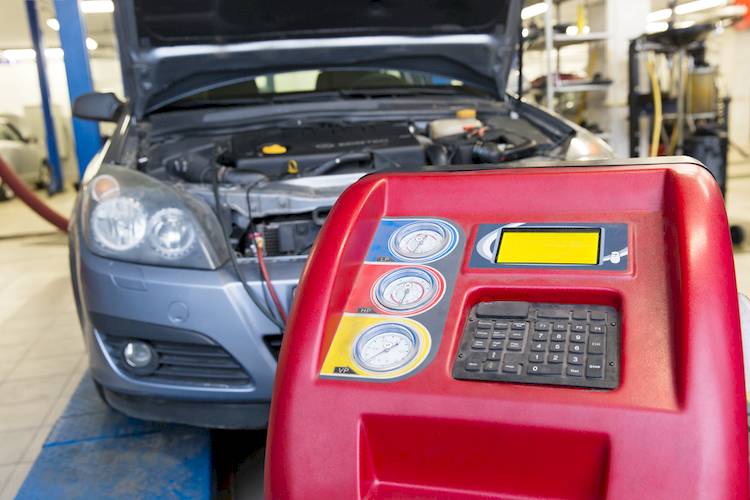
Credit: www.yourmechanic.com
Factors Affecting Ac Recharge Frequency
How often a car AC needs recharging depends on several important factors. These factors affect the AC system’s performance and refrigerant loss. Understanding them helps keep your car cool and comfortable.
Climate And Usage
Hot climates make the AC work harder and use more refrigerant. Cars in warm areas often need recharges more often. Frequent use of the AC increases wear and the chance of leaks. Short trips with the AC on can also reduce efficiency.
Vehicle Age And Condition
Older cars usually lose refrigerant faster than new ones. Seals and hoses wear out over time, causing leaks. Regular inspection helps catch issues early. A well-maintained older car can still have a strong AC system.
Leaks And Maintenance
Leaks are the main reason for AC recharges. Small leaks can go unnoticed but cause refrigerant loss. Regular maintenance checks find leaks before they worsen. Recharging without fixing leaks is only a temporary fix.
How Car Ac Systems Work
Understanding how a car AC system works helps explain why recharging is necessary. The system cools the air inside the car by removing heat. It uses special parts and a cooling fluid called refrigerant. The refrigerant moves through the system, changing from gas to liquid and back. This process absorbs heat from inside the car and releases it outside.
Role Of Refrigerant
Refrigerant is the key to cooling in the car AC. It absorbs heat from the air inside the car. Then it carries this heat outside to release it. The refrigerant changes state during this process, from gas to liquid and back. Without refrigerant, the AC cannot cool the air properly. It needs the right amount of refrigerant to work well.
Components Involved
The car AC system has several important parts. The compressor presses the refrigerant gas and sends it to the condenser. The condenser cools the refrigerant and turns it into a liquid. The expansion valve lowers the pressure of the refrigerant before it enters the evaporator. The evaporator absorbs heat from inside the car, cooling the air. Fans help move the air through the system and into the car cabin.
Common Types Of Refrigerants
Cars use different types of refrigerants, depending on the model and year. Older cars often use R-12 refrigerant, which is less common now. Most modern cars use R-134a refrigerant. Newer models may use R-1234yf, which is better for the environment. Each refrigerant has its own properties and requires specific handling. Using the right refrigerant keeps the AC system safe and efficient.
Recommended Recharge Intervals
Knowing the right time to recharge your car AC helps keep it working well. Recharging too often or too late can cause problems. Following set intervals keeps your AC cool and efficient. This section explains the recommended recharge times to guide you.
Manufacturer Guidelines
Car makers set rules for AC recharge intervals. These rules are in the owner’s manual. They depend on the car model and AC system type. Following these instructions helps avoid damage and saves money. Checking the manual is the best first step.
General Timeframes
Most cars need an AC recharge every 1 to 3 years. This varies with climate and use. Hot places may need more frequent recharges. If your AC loses coolness, it might be time. Regular checks keep the system in good shape.
When To Consult A Professional
Strange smells or noises signal a need for expert help. Low cooling or leaks also require a technician. Professionals check refrigerant levels and system health. They ensure the recharge is safe and effective. Don’t delay if your AC feels off.
Diy Vs Professional Ac Recharge
Deciding between a DIY and a professional AC recharge depends on many factors. Doing it yourself might save money at first. Yet, professional services offer safety and accuracy. Understanding both options helps you choose the best for your car’s AC system.
Tools And Materials Needed
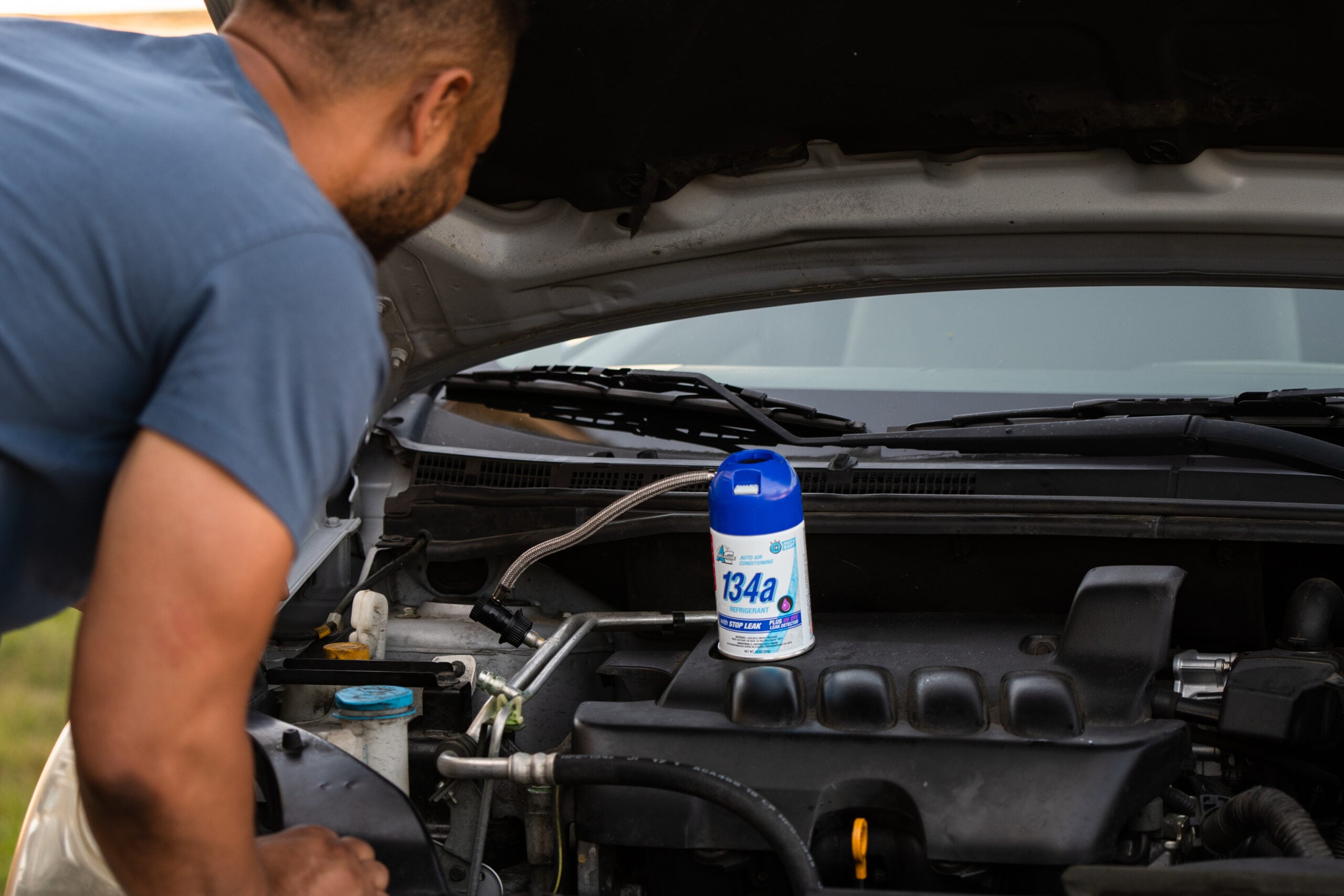
DIY AC recharge requires specific tools. You will need a refrigerant recharge kit, pressure gauge, and safety gloves. Some kits include leak sealant and instructions. Professional technicians use advanced tools to check system pressure and leaks. They also have the right refrigerant type for your car model.
Risks Of Diy Recharge
DIY recharge has many risks. Incorrect refrigerant amounts can damage the AC system. Overfilling or underfilling causes poor cooling or compressor failure. Refrigerants are harmful if handled improperly. Leaks may go unnoticed without proper tools. Mistakes could lead to costly repairs or health hazards.
Benefits Of Expert Service
Professionals ensure the correct refrigerant type and amount. They detect leaks and fix them before recharging. Experts protect your car’s AC system from damage. They follow safety rules to handle chemicals safely. Their service often includes system inspection and maintenance. This keeps your AC running smoothly longer.
Credit: www.autozone.com
Preventive Tips To Extend Ac Life
Keeping your car’s AC in good shape saves money and stress. Simple care helps it work longer and cool better. Follow these tips to avoid early recharges and costly repairs.
Regular Inspections
Check your car AC every few months. Look for strange noises or weak airflow. Early signs can stop big problems. A quick check by a mechanic helps catch issues fast.
Maintaining System Cleanliness
Clean the AC filters often. Dirty filters block air and strain the system. Clear vents and coils improve cooling and air quality. Clean parts mean the AC uses less energy.
Prompt Leak Repairs
Leaks cause refrigerant loss and reduce AC power. Fix leaks immediately to keep the system full and strong. Small leaks lead to bigger damage if ignored. A fast repair keeps your AC running well longer.
Frequently Asked Questions
How Often Should A Car Ac Be Recharged?
Car ACs typically need recharging every 1 to 3 years. Regular use and leaks influence this frequency. Check your AC’s cooling performance to determine if recharging is needed.
What Signs Indicate A Car Ac Needs Recharging?
Weak cooling, strange odors, and unusual noises suggest AC recharge is needed. Reduced airflow or warm air from vents are also key indicators.
Can I Recharge My Car Ac Myself?
Yes, DIY recharge kits are available but require care. Incorrect handling can damage the system. Professional servicing is recommended for best results.
How Long Does A Car Ac Recharge Last?
A properly recharged AC can last 1 to 3 years. System leaks or heavy usage can shorten this duration. Regular maintenance extends recharge longevity.
Conclusion
Car AC systems need recharging only when cooling drops. Regular checks keep your AC working well. Watch for weak airflow or warm air signs. Avoid waiting too long to recharge your system. Proper care helps your AC last longer. Stay comfortable during hot days with a well-maintained AC.
Remember, small steps can prevent big problems later. Keep your car cool and enjoy every drive.
