

Have you ever wondered how often your fuel filter needs to be changed? It’s a small part that plays a big role in keeping your engine running smoothly.
If your fuel filter is clogged or dirty, your car may lose power, stall, or even fail to start. But how do you know when it’s time for a replacement? You’ll discover the signs to watch for, the recommended intervals for changing your fuel filter, and simple tips to keep your vehicle in top shape.
Keep reading—your car’s health depends on it.

Credit: kbmotorsports.biz
Fuel Filter Basics
The fuel filter is a small but important part of your vehicle. It keeps dirt and rust from reaching the engine. Clean fuel helps the engine run well and last longer. A dirty fuel filter can cause poor engine performance and even damage. Understanding the basics of fuel filters helps you maintain your vehicle better.
Role In Vehicle Performance
The fuel filter stops dirt, dust, and rust from entering the engine. It ensures clean fuel flows smoothly to the engine. This helps the engine burn fuel efficiently. A clean fuel filter improves acceleration and power. It also prevents engine misfires and rough idling. When the filter clogs, fuel flow slows down. This causes poor engine performance and higher fuel use.
Types Of Fuel Filters
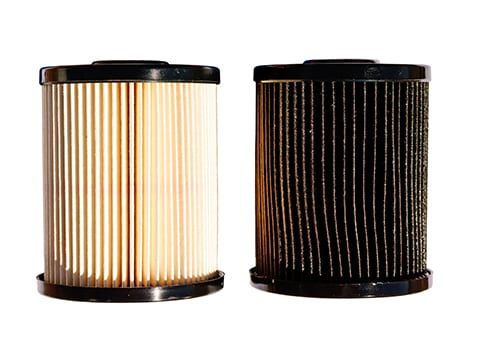
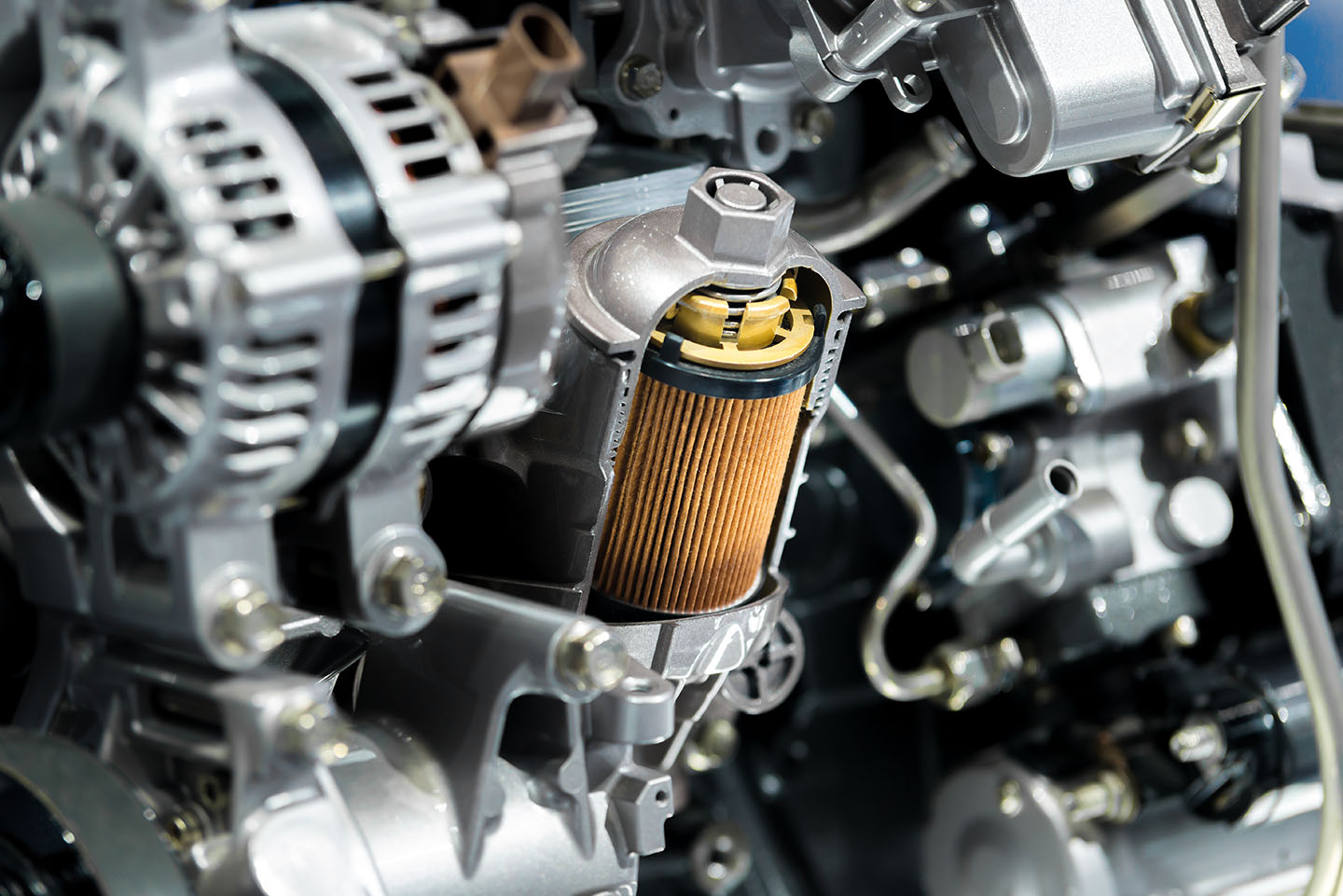
There are several types of fuel filters for vehicles. Some are inside the fuel tank, called in-tank filters. Others are outside the tank, called inline filters. In-tank filters clean fuel before it reaches the pump. Inline filters clean fuel before it reaches the engine. Some filters use paper, others use mesh or cloth. Each type removes different sizes of dirt and debris. Choosing the right filter is important for your vehicle’s health.
Credit: www.waynesautocenter.com
Signs Of A Clogged Fuel Filter
A clogged fuel filter can cause many problems for your vehicle. It blocks the flow of fuel to the engine. This makes the engine work harder. Your car may not run smoothly. Knowing the signs helps you fix the issue early. It saves time and money on repairs.
Engine Performance Issues
A dirty fuel filter lowers engine power. The engine may hesitate or stall. You might feel a rough ride or jerks. The car struggles to accelerate. These are clear signs the fuel filter is clogged.
Fuel Efficiency Drops
A clogged filter makes the engine use more fuel. You will notice fewer miles per gallon. The car burns fuel faster than normal. This leads to higher fuel costs. Watch for sudden drops in fuel efficiency.
Starting Problems
The engine may take longer to start. Sometimes it won’t start at all. A blocked fuel filter stops enough fuel from reaching the engine. This causes starting delays or failure. Pay attention to how your car starts.
Recommended Replacement Intervals
Knowing the right time to change your fuel filter helps keep your car running well. The fuel filter stops dirt and rust from reaching the engine. Over time, it gets clogged and needs replacing. Following the recommended replacement intervals saves you from engine trouble and costly repairs.
These intervals depend on the car maker’s advice and how you drive. Checking these details keeps your vehicle healthy and efficient.
Manufacturer Guidelines
Car makers usually suggest changing the fuel filter every 20,000 to 40,000 miles. This range fits most cars and driving styles. Your owner’s manual lists the exact schedule for your vehicle. Sticking to these guidelines prevents fuel system damage. Some newer cars have filters that last longer or are built into the fuel pump.
Impact Of Driving Conditions
Driving in tough conditions can shorten the fuel filter’s life. Rough roads, dusty areas, and stop-and-go traffic add strain. Frequent short trips also cause dirt to build up faster. In these cases, changing the filter more often keeps the engine clean. Regular checks help catch problems early and improve fuel flow.
How To Change A Fuel Filter
Changing the fuel filter is important to keep your car running smoothly. Over time, the filter collects dirt and debris. This can block fuel flow and reduce engine performance. Changing the fuel filter is a simple task you can do yourself. Follow the steps carefully for the best results.
Tools Needed
- New fuel filter
- Wrench set
- Flathead screwdriver
- Container to catch fuel
- Gloves
- Safety glasses
- Rags or paper towels
Step-by-step Process
- Locate the fuel filter under the car or near the engine.
- Wear gloves and safety glasses to protect yourself.
- Place the container under the filter to catch fuel spills.
- Use the wrench to loosen the fuel lines connected to the filter.
- Remove the old fuel filter carefully.
- Install the new filter in the same direction as the old one.
- Tighten the fuel lines securely with the wrench.
- Check for any leaks after installation.
- Start the engine and let it run for a few minutes.
Safety Precautions
- Work in a well-ventilated area to avoid fumes.
- Keep a fire extinguisher nearby.
- Avoid open flames or sparks while working.
- Wear gloves to protect your skin from fuel.
- Use safety glasses to protect your eyes from splashes.
- Dispose of old fuel filter and fuel properly.
Consequences Of Neglecting Replacement
Neglecting to change the fuel filter can cause serious problems for your vehicle. The fuel filter stops dirt and debris from reaching the engine. Over time, it gets clogged and can no longer do its job well. This leads to several risks that affect your car’s performance and longevity.
Engine Damage Risks
A dirty fuel filter reduces fuel flow to the engine. This makes the engine work harder than usual. The engine parts can wear out faster due to poor fuel supply. Over time, this causes damage that can be expensive to repair. Regular fuel filter changes protect the engine from these risks.
Increased Fuel Consumption
A clogged fuel filter affects how efficiently your car uses fuel. The engine may burn more fuel to maintain power. This leads to higher fuel costs and wastes fuel. Changing the fuel filter helps keep fuel use low and saves money.
Tips To Extend Fuel Filter Life
Extending the life of your fuel filter helps save money and improves car performance. Small actions can keep the fuel filter working well for longer. These tips focus on simple habits to protect the fuel system.
Using Quality Fuel
Fuel quality affects the filter’s lifespan a lot. Low-quality fuel often contains dirt and impurities. These particles clog the filter quickly. Choose fuel from trusted gas stations. Cleaner fuel means less strain on the fuel filter. Always avoid buying fuel from unknown or unverified sources. This habit keeps the fuel system cleaner and lasts longer.
Regular Maintenance Checks
Regular checks catch problems early. Inspect the fuel filter during routine car maintenance. Look for signs of clogging or damage. Replace the filter if needed before it causes issues. Keep to the vehicle’s maintenance schedule. Scheduled checks help avoid sudden fuel filter failures. Maintenance protects the engine and keeps driving smooth.
Credit: bostechauto.com
Frequently Asked Questions
How Often Should I Replace My Car’s Fuel Filter?
Typically, replace the fuel filter every 20,000 to 40,000 miles. Check your vehicle’s manual for specific intervals. Regular changes ensure clean fuel flow and prevent engine issues, improving performance and fuel efficiency.
What Are Signs My Fuel Filter Needs Changing?
Common signs include engine misfires, poor acceleration, and difficulty starting. A clogged filter restricts fuel flow, causing these symptoms. If you notice these, inspect or replace the fuel filter promptly to avoid further damage.
Can A Dirty Fuel Filter Damage My Engine?
Yes, a dirty fuel filter can cause engine damage. It restricts fuel flow, leading to poor combustion and increased wear. Regular replacement prevents engine strain, maintaining smooth performance and extending engine life.
Is Fuel Filter Replacement Necessary For All Vehicles?
Most vehicles require fuel filter replacement as part of maintenance. However, some newer models have lifetime filters. Always consult your owner’s manual or mechanic to confirm the need based on your vehicle type.
Conclusion
Changing your fuel filter regularly keeps your engine healthy and running smooth. Most cars need a new filter every 20,000 to 40,000 miles. Dirt and debris can block the filter and harm performance. Clean fuel means better gas mileage and fewer repairs.
Check your car’s manual for exact times. Don’t wait until problems start. A fresh fuel filter helps your car last longer. Simple steps like this save time and money. Stay on top of maintenance for a trouble-free drive. Easy to do, and worth the effort.


