

When was the last time you thought about your car’s fuel filter? If you’re like most people, it’s probably not often.
But ignoring this small part can lead to big problems for your engine and wallet. You might be wondering, “How often do I really need to change my fuel filter? ” Knowing the answer can save you from costly repairs and keep your vehicle running smoothly.
You’ll discover exactly when and why changing your fuel filter matters—so you can protect your car and drive with confidence. Keep reading to find out the simple steps you can take today.
Role Of A Fuel Filter
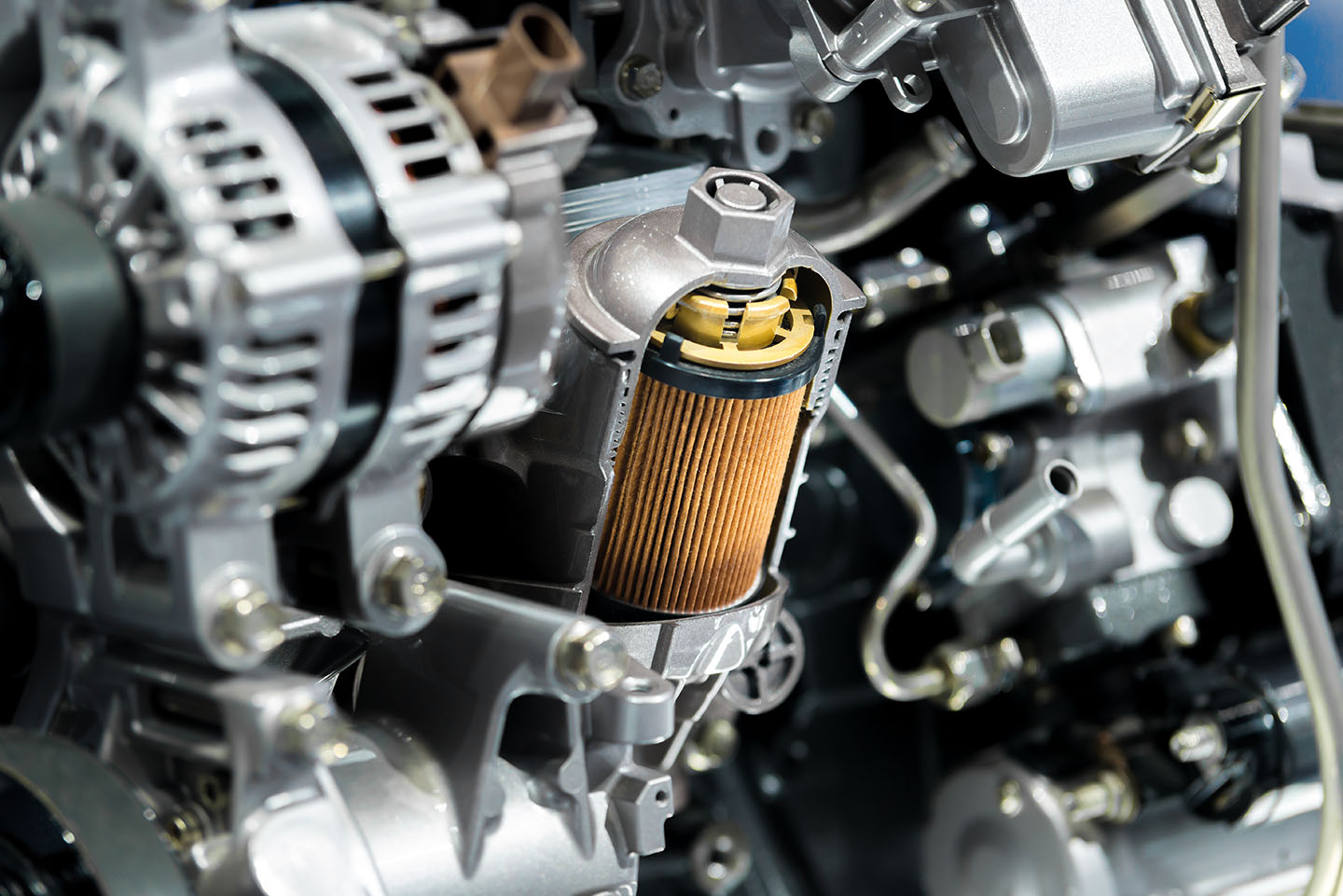
The fuel filter plays a key role in keeping your vehicle’s engine safe and healthy. It cleans the fuel before it reaches the engine. Dirt, rust, and other particles can damage the engine. The fuel filter stops these contaminants. This helps the engine run smoothly and last longer.
Understanding the role of a fuel filter helps you know why regular changes are important. A clean fuel filter means better engine performance and fewer problems.
Fuel Filter Function
The fuel filter removes dirt, rust, and other particles from fuel. It acts like a barrier to protect the engine. Clean fuel means the engine burns fuel more efficiently. This filter also helps prevent fuel injector clogging. Without the filter, debris could block fuel flow. This can cause engine damage and reduce fuel efficiency.
Impact On Engine Performance
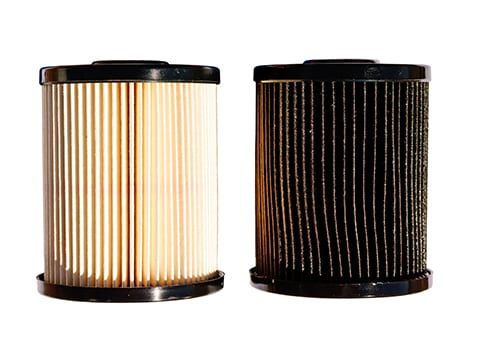
A dirty fuel filter reduces the fuel flow to the engine. This causes poor engine power and rough idling. The engine may also stall or have trouble starting. Fuel efficiency drops, wasting money on gas. Changing the fuel filter keeps the engine running smoothly. It helps maintain strong power and better mileage.
Signs Of A Clogged Fuel Filter
A clogged fuel filter can cause several problems with your car’s performance. It blocks the flow of fuel to the engine. This makes the engine work harder and less efficiently. Knowing the signs helps you catch the problem early. It can save you from costly repairs and keep your car running smoothly.
Engine Misfires And Stalling
A dirty fuel filter can cause the engine to misfire. This happens because the engine does not get enough fuel. The car might also stall suddenly. This can be dangerous, especially while driving. Pay attention to any jerking or hesitation when accelerating.
Reduced Fuel Efficiency
When the fuel filter clogs, the engine uses more fuel. This lowers your car’s fuel efficiency. You may notice you need to fill the tank more often. A drop in miles per gallon is a clear sign to check the fuel filter.
Difficulty Starting The Car
A clogged fuel filter can make it hard to start your car. The engine struggles to get enough fuel to start running. You may need to turn the key several times before the engine starts. This problem usually gets worse over time.
Recommended Replacement Intervals
Knowing when to replace your fuel filter is key for your vehicle’s health. Changing it on time keeps the engine running smoothly. It prevents dirt and debris from clogging the fuel system. Recommended replacement intervals help you avoid costly repairs and poor engine performance.
Manufacturer Guidelines
Most car makers provide clear advice on fuel filter changes. Check your owner’s manual for specific intervals. These usually range between 20,000 and 40,000 miles. Some newer models have longer-lasting filters. Following these guidelines ensures your vehicle stays efficient.
Factors Affecting Replacement Frequency
Driving conditions can change how often you need a new filter. Rough roads and dusty environments cause filters to clog faster. Frequent short trips may also reduce filter life. Poor quality fuel can increase dirt buildup. Adjust replacement timing based on these factors.

Credit: kbmotorsports.biz
Types Of Fuel Filters
Fuel filters keep dirt and rust from entering your engine. They help your car run smoothly and last longer. Different cars use different types of fuel filters. Knowing these types helps you maintain your vehicle properly.
In-line Fuel Filters
In-line fuel filters sit along the fuel line. They are easy to spot and replace. These filters catch dirt before fuel reaches the engine. Many older cars use in-line filters. They need regular changing to stay effective.
Cartridge Fuel Filters
Cartridge fuel filters have a replaceable core inside a housing. The housing stays in the car while you swap the cartridge. These filters are common in newer cars. They offer better filtration and last longer than in-line filters.
Lifetime Fuel Filters
Lifetime fuel filters are built to last the car’s life. They often use metal or other strong materials. These filters clean fuel but rarely need replacement. Still, check them during regular car service to ensure they work well.
Diy Vs Professional Replacement
Changing the fuel filter is important for your vehicle’s health. Some car owners choose to do this themselves. Others prefer a professional mechanic. Both ways have benefits and risks. Understanding these helps you decide what suits your needs best.
Steps For Diy Fuel Filter Change
First, find the right fuel filter for your car model. Next, relieve fuel system pressure. This prevents fuel spray during removal. Then, locate the fuel filter, usually near the fuel tank or engine. Use wrenches to disconnect fuel lines carefully. Remove the old filter and install the new one. Make sure it fits in the correct direction. Tighten all connections securely. Start the engine and check for leaks.
When To Seek Professional Help
Fuel filter replacement can be tricky and dangerous. Fuel is flammable and can cause injury. Professionals have the right tools and experience. They can spot other fuel system issues early. If your car has a complex fuel system, choose a mechanic. Also, if you lack tools or confidence, ask for help. Regular checks by a professional improve vehicle safety and performance.
Credit: bostechauto.com
Benefits Of Timely Fuel Filter Replacement
Replacing the fuel filter on time brings many benefits. It helps keep the car running smoothly. Clean fuel reaches the engine without dirt or debris. This protects the engine parts and keeps the vehicle working well.
Improved Engine Longevity
A clean fuel filter stops dirt from entering the engine. Dirt can cause damage to engine parts over time. Changing the filter often means the engine stays healthier longer. This reduces the chance of costly repairs. Your engine lasts longer and works better.
Better Fuel Economy
A clogged fuel filter makes the engine work harder. Hard work uses more fuel. Replacing the filter helps fuel flow easily. This lets the engine burn fuel more efficiently. The car uses less fuel and saves money at the pump.
Reduced Emissions
Dirty fuel filters cause incomplete burning of fuel. This creates more pollution from the car. A clean filter helps the engine burn fuel fully. The car emits fewer harmful gases. This is better for the environment and air quality.
Common Myths About Fuel Filters
Fuel filters keep your engine clean by trapping dirt and debris. Many people have wrong ideas about how often to change them. These myths can lead to unnecessary costs or engine problems. Knowing the facts helps you take care of your vehicle better.
Changing Fuel Filters Too Often
Some believe changing fuel filters every few months is best. This is not true for most cars. Changing filters too often wastes money and time. Most manufacturers suggest changing them every 20,000 to 40,000 miles. Check your owner’s manual for the right schedule. Over-changing does not improve performance or fuel efficiency.
Fuel Additives As A Replacement
Fuel additives claim to clean the fuel system and replace filters. They cannot remove all dirt and particles like a filter. Additives help with minor deposits but do not replace filter functions. Using only additives risks clogging the fuel system. Always combine additives with regular filter changes for good engine health.
Credit: www.waynesautocenter.com
Fuel Filter Maintenance Tips
Fuel filter maintenance is key to keeping your vehicle running smoothly. Clean filters protect the engine from dirt and debris. This helps prevent costly repairs and improves fuel efficiency. Follow simple tips to extend the life of your fuel filter and avoid problems on the road.
Regular care keeps your car healthy and saves money in the long run.
Regular Inspection
Check the fuel filter often for signs of clogging or damage. Look for dirt buildup or rust on the filter surface. Listen for engine hesitation or rough idling, which may signal a dirty filter. Inspect during routine oil changes or every 10,000 miles. Early detection helps avoid engine problems and keeps fuel flowing smoothly.
Using Quality Fuel
Choose clean, high-quality fuel to protect your filter. Poor fuel contains more contaminants that clog the filter faster. Use reputable gas stations with good fuel turnover. Avoid filling from old or questionable sources. Quality fuel helps the filter last longer and keeps your engine cleaner.
Frequently Asked Questions
How Often Should I Change My Fuel Filter?
Typically, change your fuel filter every 20,000 to 40,000 miles. Consult your vehicle’s manual for exact intervals. Regular changes improve engine performance and fuel efficiency.
What Are Signs Of A Clogged Fuel Filter?
Common signs include engine misfires, slow acceleration, and stalling. You might also notice difficulty starting your car. These symptoms indicate the fuel filter needs replacement.
Can A Dirty Fuel Filter Damage My Engine?
Yes, a dirty fuel filter restricts fuel flow. This causes engine strain and potential damage. Timely replacement prevents costly repairs and maintains optimal engine health.
Does Fuel Type Affect Fuel Filter Lifespan?
Yes, lower-quality fuel can clog filters faster. Using cleaner fuel extends the filter’s life. Always use recommended fuel types to protect your fuel system.
Conclusion
Changing your fuel filter keeps your engine running smooth. It helps stop dirt and debris from causing damage. Most cars need a new filter every 20,000 to 40,000 miles. Check your owner’s manual for exact advice. Regular changes save money on repairs later.
Don’t wait for problems to start. A clean fuel filter means better fuel flow and engine power. Keep your vehicle healthy by staying on schedule with filter changes. Simple care leads to a longer-lasting car and safer drives.


