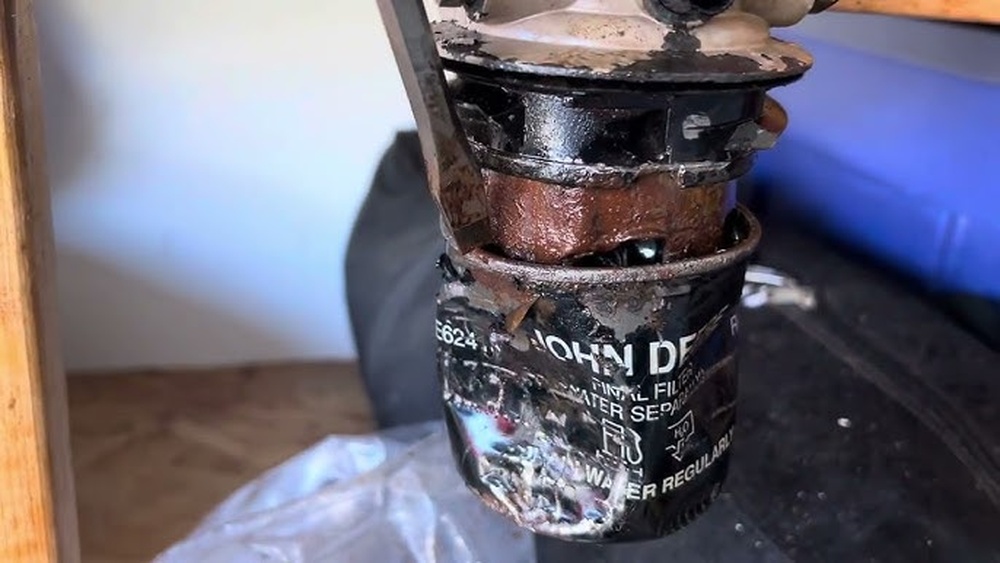
You rely on your car every day, so keeping it in top shape is important. One small part that often gets overlooked is the fuel filter.
But did you know that a dirty or clogged fuel filter can cause serious problems for your engine? You might be wondering how often you should change this crucial component to keep your car running smoothly. You’ll discover the simple signs to watch for and the best schedule to follow.
By the end, you’ll know exactly when to replace your fuel filter to avoid costly repairs and keep your ride performing at its best. Keep reading—you don’t want to miss these vital tips!
Role Of A Fuel Filter
The fuel filter plays an important role in keeping your car’s engine healthy. It stops dirt, rust, and other tiny particles from entering the engine. This helps the engine run smoothly and last longer.
Fuel filters are small but powerful parts. They protect key engine components by cleaning the fuel before it reaches the engine. Without a clean fuel filter, your car can face many problems.
Fuel Filter Function
The fuel filter cleans the fuel that flows from the gas tank to the engine. It traps dirt and debris. This keeps the fuel pure and safe for the engine parts.
Fuel filters also prevent clogging in the fuel injectors and carburetor. Clean fuel ensures better combustion and efficiency. This helps the engine perform well.
Impact On Engine Performance
A dirty or clogged fuel filter reduces fuel flow. This causes the engine to lose power and run roughly. It may also lead to hard starting or stalling.
Keeping the fuel filter clean improves fuel efficiency. The engine burns fuel better and produces less pollution. Regular filter changes help maintain smooth engine function and prevent costly repairs.
Signs Of A Clogged Fuel Filter
A clogged fuel filter can cause many problems in your car. It blocks the flow of fuel to the engine. This makes the car run poorly and can cause damage over time. Spotting the signs early helps avoid costly repairs.
Watch for changes in how your car drives. These changes often signal a dirty fuel filter. Knowing these signs can help you decide when to replace the filter.
Engine Hesitation And Stalling
The engine may hesitate or stall while driving. This happens because the fuel flow is limited. The engine does not get enough fuel to run smoothly. You might notice the car jerking or losing power suddenly.
Reduced Fuel Efficiency
Your car may use more fuel than usual. A clogged filter makes the engine work harder. This lowers fuel efficiency and raises fuel costs. You might fill up the tank more often than before.
Difficulty Starting The Car
The car may take longer to start or not start at all. This is a common sign of fuel delivery problems. A dirty fuel filter can stop enough fuel from reaching the engine. Starting becomes slow or fails completely.
Recommended Replacement Intervals
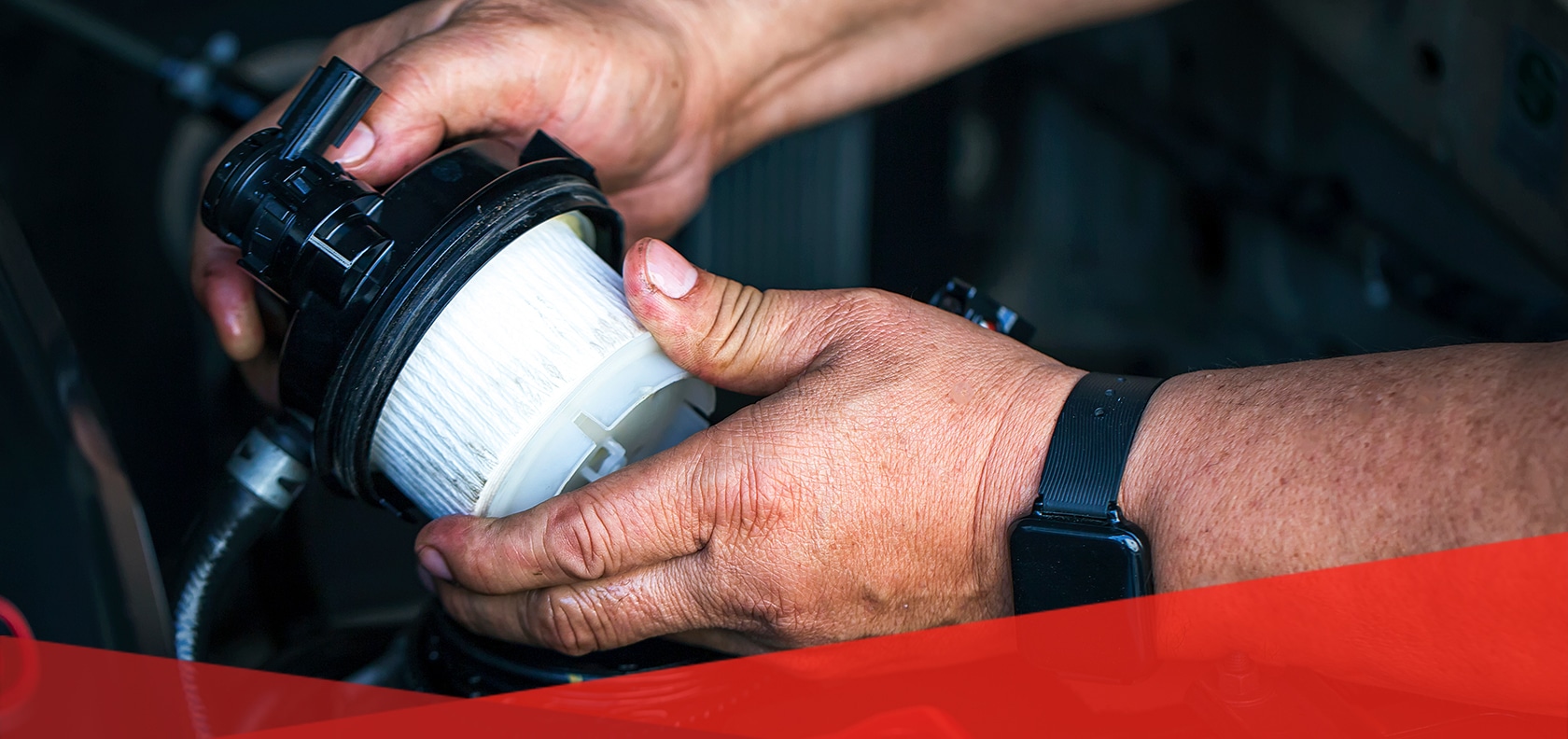
The recommended replacement intervals for a car’s fuel filter vary by vehicle and usage. Changing the fuel filter at the right time keeps the engine running smoothly. It also prevents dirt and debris from damaging engine parts. Following proper intervals saves money on costly repairs later.
Manufacturer Guidelines
Car makers provide specific fuel filter change intervals in the owner’s manual. These intervals often range between 20,000 and 40,000 miles. Some newer models have filters that last up to 60,000 miles. Always check the manual or contact the dealer for exact details. Sticking to these guidelines ensures optimal engine health.
Factors Affecting Replacement Frequency
Driving conditions impact how often the fuel filter needs changing. Dusty or rough roads cause faster clogging. Frequent short trips can also reduce filter life. Using poor quality fuel may leave more deposits in the filter. Regular inspection helps catch problems before they worsen. Adjust replacement timing based on your driving habits.
Credit: www.mapfreinsurance.com
Types Of Fuel Filters
Fuel filters play a key role in protecting your car’s engine. They stop dirt and debris from entering the fuel system. Different cars use different types of fuel filters. Knowing these types helps you maintain your vehicle better.
In-line Fuel Filters
In-line fuel filters sit along the fuel line. They are easy to spot and replace. These filters trap particles before fuel reaches the engine. Many older cars use in-line filters. They need regular changing to keep fuel clean.
Cartridge Fuel Filters
Cartridge fuel filters are inside a housing unit. The filter itself looks like a small cylinder. They are common in modern cars. Changing them is simple but needs care. The housing must be opened to replace the filter.
Lifetime Fuel Filters
Lifetime fuel filters are built to last the car’s life. They use special materials to stay clean longer. Most newer vehicles have these filters. They rarely need changing but still need checking. A clogged lifetime filter can cause engine problems.
How To Replace A Fuel Filter
Replacing a fuel filter is important for your car’s health. It keeps the fuel clean and the engine running well. This guide helps you do the job safely and correctly. Follow the steps below to replace your car’s fuel filter.
Tools Needed
- New fuel filter
- Wrench set
- Screwdriver
- Fuel line clamps
- Rags or cloth
- Safety glasses
- Gloves
- Drain pan
Step-by-step Replacement Process
- Park the car on a flat surface and turn off the engine.
- Wear gloves and safety glasses before starting.
- Locate the fuel filter. It is usually near the fuel tank or engine.
- Place a drain pan under the filter to catch any fuel spills.
- Use clamps to pinch the fuel lines and stop fuel flow.
- Loosen the fuel line connections with a wrench or screwdriver.
- Remove the old fuel filter carefully.
- Install the new fuel filter in the same direction as the old one.
- Tighten the fuel line connections securely.
- Remove the clamps from the fuel lines.
- Start the engine and check for leaks around the filter.
Safety Precautions
- Work in a well-ventilated area to avoid fuel fumes.
- Keep fire and sparks away from the work area.
- Wear safety glasses and gloves to protect yourself.
- Use rags to wipe any spilled fuel immediately.
- Dispose of the old fuel filter properly.
- Do not smoke during the replacement process.
Cost Of Fuel Filter Replacement
The cost of fuel filter replacement varies depending on several factors. It involves both the price of the part and the labor needed to install it. Knowing these costs helps car owners plan maintenance budgets better. Fuel filters are not very expensive, but labor charges can increase the total cost.
Parts And Labor Costs
The fuel filter itself usually costs between $15 and $50. The price depends on the car’s make and model. Some filters are more complex and cost more. Labor costs depend on the mechanic’s hourly rate and the job’s difficulty. On average, labor can add $50 to $150. Simple replacements take less time and cost less. Some cars have fuel filters in hard-to-reach places, raising labor costs.
Diy Vs Professional Service
Changing the fuel filter yourself saves money on labor. Parts cost the same whether you do it or pay a shop. DIY requires basic tools and some car knowledge. It takes about 30 minutes to one hour for most cars. Mistakes can cause fuel leaks or engine problems. Professional service offers safety and expertise. Mechanics ensure the filter fits well and works correctly. They also dispose of old filters properly. Choosing DIY or pro depends on skill and comfort level.
Consequences Of Delaying Replacement
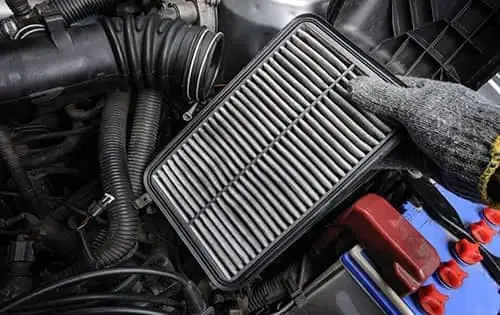
Delaying the replacement of your car’s fuel filter can cause serious problems. The fuel filter cleans dirt and debris from the fuel before it reaches the engine. Over time, the filter gets clogged and stops working well. This leads to poor fuel flow and engine trouble. Ignoring the fuel filter can harm your car’s performance and cost more money later.
Engine Damage Risks
A dirty fuel filter limits fuel flow to the engine. This makes the engine work harder than normal. The engine can run rough or stall unexpectedly. Over time, parts inside the engine may wear out faster. Fuel injectors can get clogged and stop working. This can lead to costly engine repairs or even engine failure.
Increased Repair Costs
Delaying fuel filter change can lead to expensive repairs. A clogged filter causes strain on the fuel pump. The fuel pump may fail and need replacement. Repairing or replacing the fuel pump costs much more than a filter. Engine damage from poor fuel flow can also add to repair bills. Regular filter changes save money by avoiding these costly fixes.
Credit: www.wendlenissan.com
Tips To Extend Fuel Filter Life
Extending the life of your car’s fuel filter saves money and keeps the engine running smoothly. Small habits can make a big difference in how long your fuel filter lasts. Focus on the quality of fuel and your maintenance routine to protect this important part.
Using Quality Fuel
Fuel quality greatly affects the filter’s lifespan. High-quality fuel contains fewer impurities. These impurities clog the filter faster. Avoid cheap or unknown fuel brands. Choose trusted stations with good reviews. Clean fuel means less work for the filter. This helps the filter stay effective longer.
Regular Maintenance Habits
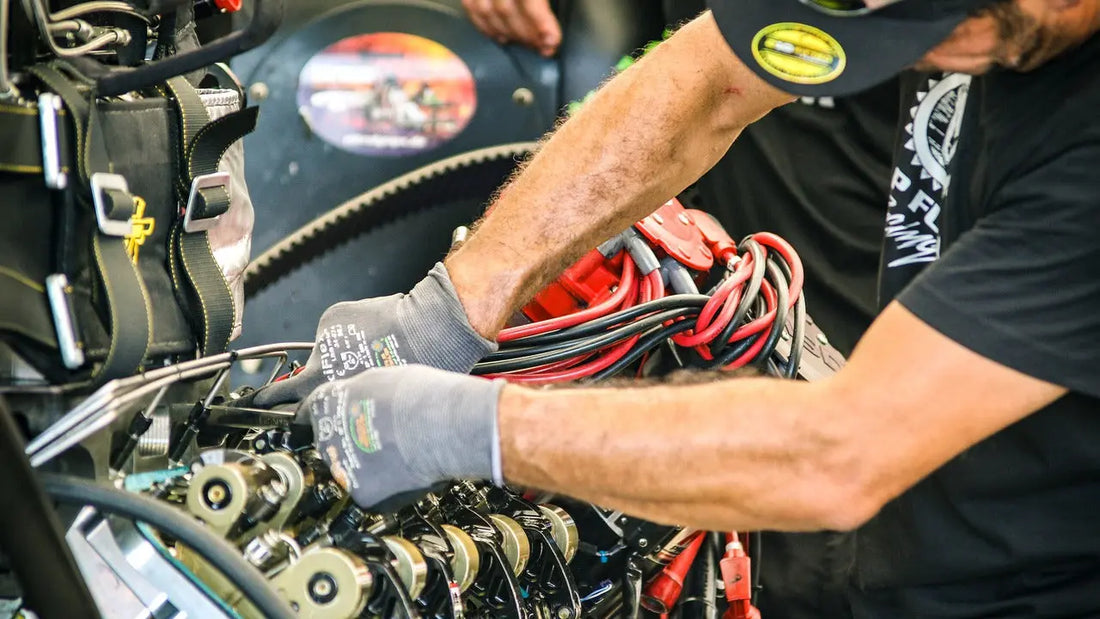
Routine checks help catch problems early. Inspect the fuel filter during oil changes. Replace the filter if you notice dirt or clogging. Keep the fuel system clean by changing the fuel filter on time. Regular maintenance prevents sudden engine issues. It also helps your car perform better and saves repair costs.
Credit: www.ievilenergy.com
Frequently Asked Questions
How Often Should A Car Fuel Filter Be Replaced?
Typically, change the fuel filter every 20,000 to 30,000 miles. This ensures optimal engine performance and fuel efficiency. Always check your vehicle’s manual for specific recommendations.
What Happens If The Fuel Filter Is Not Changed?
A clogged fuel filter restricts fuel flow, causing engine misfires and poor acceleration. It can also damage fuel injectors and reduce overall vehicle performance.
Can I Change The Fuel Filter Myself?
Yes, with basic tools and mechanical knowledge, you can replace the fuel filter. However, follow safety precautions and refer to your car’s manual for guidance.
Does A Dirty Fuel Filter Affect Fuel Economy?
Yes, a clogged fuel filter reduces fuel flow, making the engine work harder. This leads to decreased fuel efficiency and increased fuel consumption.
Conclusion
Changing your car’s fuel filter keeps the engine running smooth. Dirty filters block fuel flow and can cause problems. Most experts suggest changing it every 20,000 to 40,000 miles. Check your car’s manual for exact advice. Regular changes save money on repairs later.
Clean fuel filters help your car use fuel better. Don’t wait for signs like poor performance or strange noises. Stay ahead with simple maintenance. A little care goes a long way in keeping your car healthy.