

If you drive a diesel vehicle, you might wonder how often you should change your fuel filter. This small part plays a big role in keeping your engine running smoothly.
Ignoring it can lead to costly repairs and poor performance. You’ll discover the best timing for replacing your diesel fuel filter and why it matters to your vehicle’s health. Keep reading to protect your engine and save money in the long run.

Credit: www.youtube.com
Role Of A Diesel Fuel Filter
The diesel fuel filter plays an important role in keeping your engine clean. It stops dirt and rust from entering the engine. This helps the engine run smoothly and last longer. A clean fuel filter improves fuel efficiency. It also prevents engine damage caused by dirty fuel.
Without a good fuel filter, harmful particles clog the fuel system. This can cause poor engine performance and expensive repairs. Changing the fuel filter regularly keeps your diesel engine healthy and reliable.
Purpose In Diesel Engines
The main job of a diesel fuel filter is to clean the fuel. It removes dirt, dust, and rust from the diesel before it reaches the engine. Clean fuel means better combustion and less wear on engine parts.
The filter also protects fuel injectors and pumps. These parts are sensitive and can break if fuel is dirty. A good filter stops blockages and keeps fuel flowing smoothly.
Types Of Fuel Filters
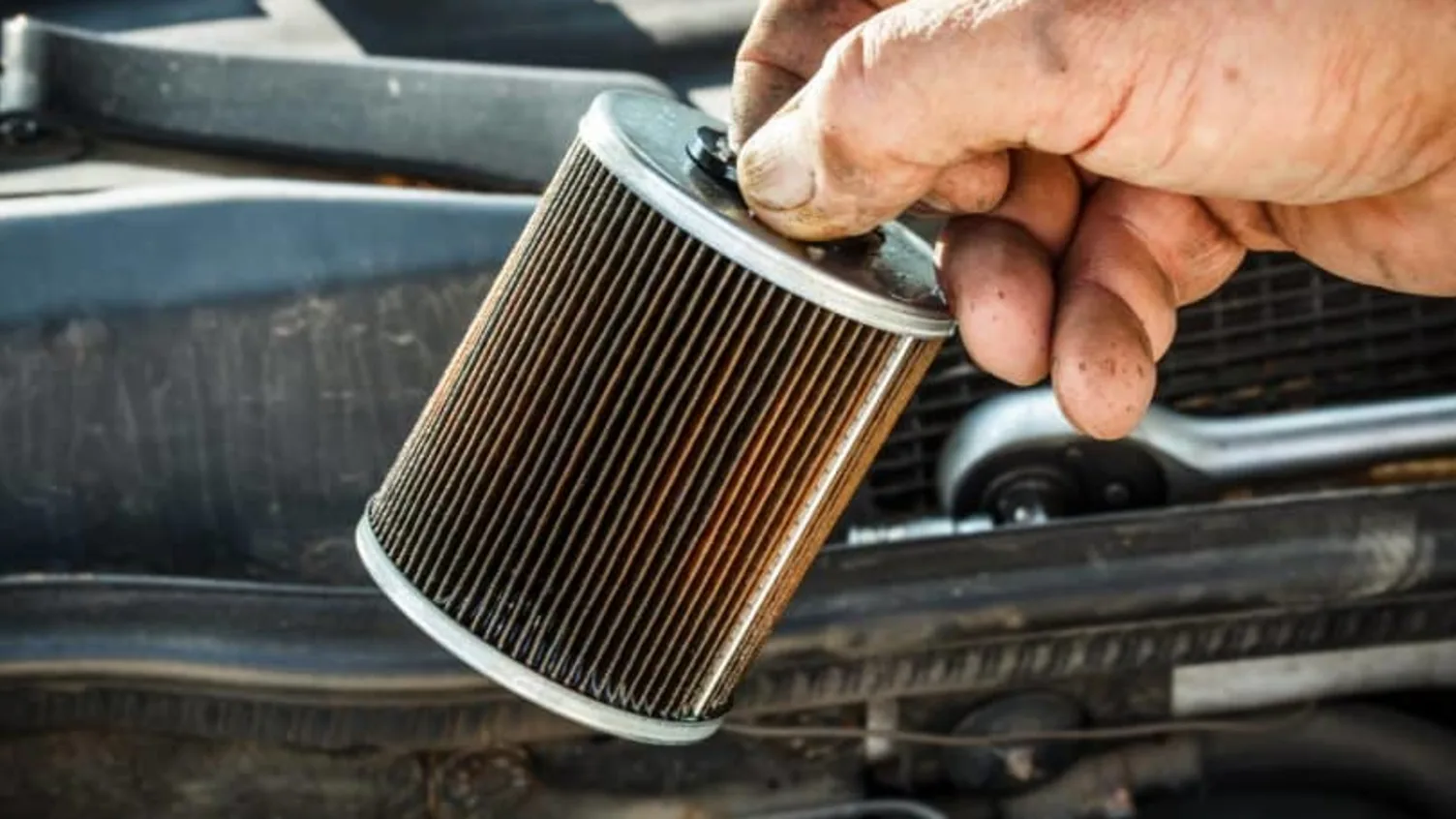
There are several types of fuel filters for diesel engines. The most common type is the cartridge filter. It is easy to replace and very effective at filtering small particles.
Another type is the spin-on filter. It screws on and off, making replacement quick. Some engines use water separator filters. These remove water from diesel fuel, which can harm the engine.
Choosing the right filter depends on your engine model and fuel quality. Using the correct filter keeps your engine running well and avoids costly damage.
Signs Of A Clogged Fuel Filter
A clogged fuel filter in a diesel engine causes many problems. It stops fuel from flowing well. This affects how the engine works. Knowing the signs helps you fix the problem early. It saves money and keeps your vehicle running smoothly.
Engine Performance Issues
The engine may feel weak or slow. It can hesitate or stall during driving. Power loss happens because less fuel reaches the engine. Rough idling or uneven running also shows a filter problem. These signs mean the fuel filter is likely clogged.
Fuel Efficiency Drops
Your vehicle uses more diesel than usual. The engine works harder to get fuel. This wastes fuel and lowers miles per gallon. You may notice you visit the gas station more often. A clogged filter reduces fuel flow, causing this drop.
Starting Problems
The engine takes longer to start or fails to start. Fuel may not reach the engine quickly. This causes hard starting or no start at all. A dirty fuel filter blocks fuel flow, making it tough to start the engine.
Recommended Change Intervals
Knowing the right time to change a diesel fuel filter keeps your engine healthy. Changing it too late can cause clogs and reduce engine power. Changing it too early wastes money. The recommended change intervals help you balance these issues. These intervals depend on several factors like manufacturer advice, driving style, and vehicle type.
Manufacturer Guidelines
Manufacturers give clear advice on how often to change fuel filters. This information is in the vehicle’s owner manual. Most suggest changing the filter every 20,000 to 40,000 miles. Some newer models have longer intervals. Following these guidelines ensures your vehicle runs smoothly.
Impact Of Driving Conditions
Driving in dusty or rough areas clogs fuel filters faster. Frequent short trips also increase filter wear. Heavy load hauling can stress the fuel system. In these cases, change filters more often than the standard advice. This prevents damage and keeps fuel flowing freely.
Differences By Diesel Vehicle Type
Light-duty diesel trucks need filter changes more often than heavy-duty trucks. Heavy-duty trucks have larger filters and better fuel systems. Diesel cars usually have smaller filters and different schedules. Always check the specific interval for your vehicle type to avoid problems.
Factors Affecting Filter Life
The life of a diesel fuel filter depends on several key factors. These factors affect how soon the filter clogs and needs changing. Understanding them helps maintain engine health and performance. Below are the main elements that impact filter life.
Fuel Quality
Fuel quality plays a big role in filter life. Poor-quality diesel often contains dirt and water. These contaminants clog the filter faster. Clean, high-quality fuel helps the filter last longer. Using bad fuel shortens filter life and can damage the engine.
Climate And Environment
Climate affects fuel filter life. Cold weather causes diesel to thicken. Thick fuel strains the filter more. Dusty or sandy environments increase dirt in the fuel. This also clogs the filter sooner. Mild and clean environments help filters last longer.
Vehicle Usage Patterns
How often and how far you drive matters. Frequent short trips do not warm the engine fully. This can cause water buildup in the fuel system. Water harms the filter and reduces its life. Long, steady drives help the filter stay clean longer.
Steps To Replace A Diesel Fuel Filter
Changing the diesel fuel filter helps keep your engine clean and running well. Usually, it should be done every 10,000 to 15,000 miles. Follow clear steps to remove the old filter and install a new one safely.
Replacing a diesel fuel filter keeps your engine clean and running well. Dirt and water can clog the filter, causing poor engine performance. Changing the filter regularly helps avoid engine damage and saves money on repairs.
Follow simple steps to replace the fuel filter safely and correctly. Gather the right tools, take safety measures, and follow the replacement process step by step.
Tools Needed
- New diesel fuel filter
- Wrenches or socket set
- Drain pan
- Rags or paper towels
- Gloves
- Safety glasses
- Fuel line disconnect tool (if required)
Safety Precautions
- Work in a well-ventilated area to avoid fumes.
- Wear gloves and safety glasses for protection.
- Keep fire sources away from the work area.
- Turn off the engine and let it cool before starting.
- Dispose of old fuel and filter properly.
Replacement Procedure
- Locate the diesel fuel filter in your vehicle.
- Place the drain pan under the filter to catch fuel.
- Loosen the fuel lines from the old filter carefully.
- Remove the old filter and check for leaks or damage.
- Install the new filter by attaching fuel lines securely.
- Tighten all connections to avoid leaks.
- Prime the fuel system if needed, following your vehicle’s guide.
- Start the engine and check for leaks or unusual sounds.
Benefits Of Regular Filter Changes
Changing the fuel filter regularly in a diesel engine brings many benefits. It keeps the engine clean and working well. Clean fuel helps the engine run smoothly. Dirt and debris can cause damage over time. Regular filter changes stop this damage early.
Improved Engine Longevity
A clean fuel filter protects the engine parts. It stops dirt from reaching the engine. This reduces wear and tear. The engine lasts longer with fewer repairs. Regular changes help avoid costly breakdowns.
Better Fuel Efficiency
Dirty filters block fuel flow. This makes the engine work harder. A clean filter allows fuel to flow easily. The engine uses fuel better. This saves money on fuel over time.
Reduced Emissions
Clean filters help the engine burn fuel fully. This lowers harmful gases from the exhaust. It helps the environment and meets rules for pollution. Regular filter changes keep emissions low.
Common Myths About Fuel Filters
Fuel filters play an important role in keeping diesel engines healthy. Many people have wrong ideas about how to care for them. These myths can cause problems and cost more money. Understanding the truth helps keep your engine running well. Here are common myths about fuel filters.
Changing Filters Too Often
Some think changing fuel filters very often is better. It is not always true. Filters last a long time if the diesel is clean. Changing too often wastes money and time. It can also cause wear from frequent handling. Follow the vehicle’s guide for the right change time.
Ignoring Filter Maintenance
Other people believe fuel filters do not need attention. This is a big mistake. Dirty filters block fuel flow and damage the engine. Ignoring maintenance leads to poor engine performance and more repairs. Check and replace filters regularly to avoid costly problems.
Credit: www.bigboxcars.com.au
When To Seek Professional Help
Knowing when to seek professional help for your diesel fuel filter is important. Some problems need expert care to avoid costly repairs. Recognizing these moments can save time and money.
Complex Issues
Some fuel filter problems are not easy to fix alone. Issues like clogged injectors or fuel pump failure require special tools. Professionals have the right skills and equipment. They can check and repair complex parts safely and quickly. Trying to fix these issues yourself may cause more damage.
Signs Of Fuel System Damage
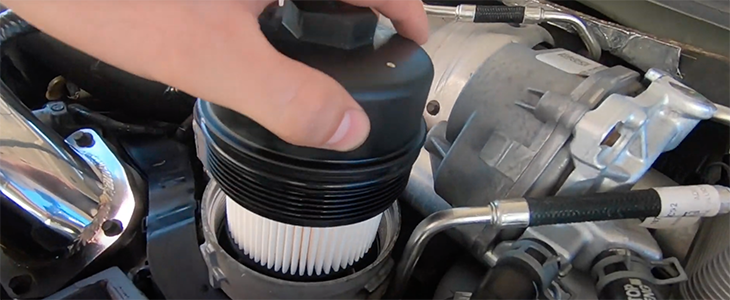
Watch for signs that show fuel system damage. Rough engine running, poor fuel economy, or hard starts may indicate problems. Strange noises from the fuel pump or leaks also signal trouble. These signs suggest the fuel filter or other parts need expert attention. Ignoring them can lead to bigger engine problems.
Credit: boodmo.com
Frequently Asked Questions
How Often Should Diesel Fuel Filters Be Changed?
Diesel fuel filters should be changed every 10,000 to 25,000 miles. Check your vehicle’s manual for exact intervals. Regular changes prevent clogging and maintain engine efficiency.
What Are Signs Of A Clogged Diesel Fuel Filter?
Common signs include engine misfires, reduced power, rough idling, and difficulty starting. Fuel filter issues can also cause increased fuel consumption and black smoke from the exhaust.
Can I Change A Diesel Fuel Filter Myself?
Yes, with basic mechanical skills, you can change the fuel filter. Ensure the engine is cool, relieve fuel pressure, and follow safety precautions to avoid spills or injuries.
Why Is Regular Fuel Filter Maintenance Important?
Regular maintenance prevents contaminants from reaching the engine. It improves fuel flow, protects fuel injectors, and enhances overall engine performance and longevity.
Conclusion
Changing your diesel fuel filter regularly keeps your engine running well. Most experts suggest changing it every 10,000 to 15,000 miles. Dirty filters block fuel flow and cause poor performance. Check your vehicle’s manual for exact advice. Watch for signs like engine hesitation or trouble starting.
Clean fuel means better mileage and fewer repairs. Don’t wait too long to replace the filter. A simple change saves time and money later. Keep your diesel engine healthy by staying on schedule. Small steps protect your investment and avoid breakdowns.


