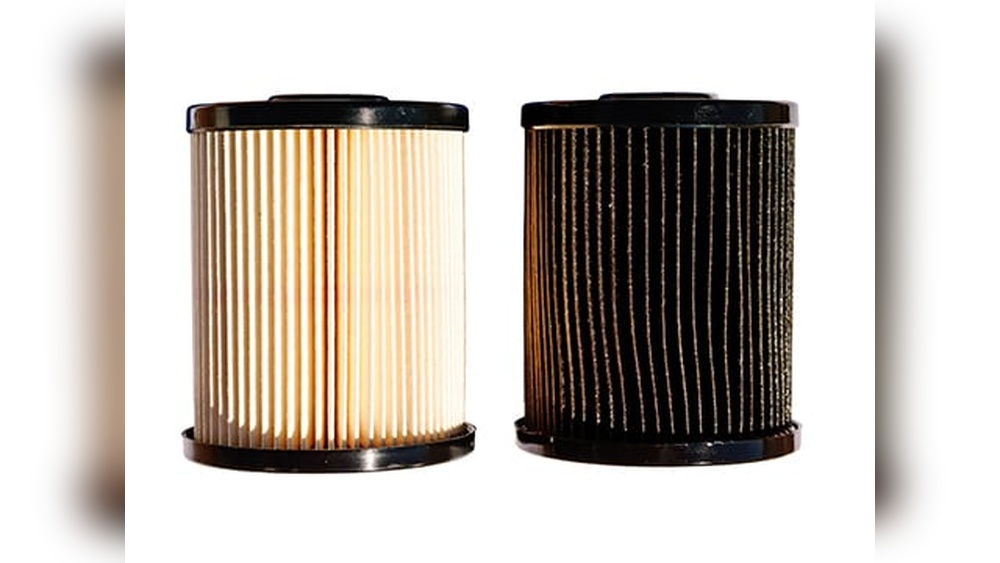
If your lawn mower isn’t running as smoothly as it used to, a clogged fuel filter might be the problem. Knowing how to replace the fuel filter on your lawn mower can save you time, money, and frustration.
In this guide, you’ll find simple, step-by-step instructions that anyone can follow—no special tools or experience needed. Keep reading, and you’ll have your mower back to peak performance in no time.

Credit: www.ifixit.com
Signs Of A Clogged Fuel Filter
A clogged fuel filter can cause many problems for your lawn mower. It stops fuel from reaching the engine properly. This makes the mower run poorly or not at all. Knowing the signs helps you fix the issue early. Check your mower for these common signs of a clogged fuel filter.
Reduced Engine Performance
Your mower may lose power while cutting grass. The engine runs slower than usual. It might stall or stop during use. A clogged filter blocks fuel flow, causing weak engine performance. You may notice the mower struggles on hills or thick grass.
Difficulty Starting
Starting the mower takes longer than normal. You may need to pull the starter rope many times. The engine may sputter before it turns on. A blocked fuel filter limits fuel supply, making starting tough. This is a clear sign that the filter needs checking.
Unusual Engine Noises
The mower might make strange sounds while running. You could hear sputtering, coughing, or popping noises. These noises happen when the engine does not get steady fuel. A clogged fuel filter causes these irregular sounds. Pay attention to any new or odd noises from your mower.
Tools And Materials Needed
Replacing the fuel filter on your lawn mower requires specific tools and materials. Having everything ready makes the job faster and easier. This section lists what you need to complete the task safely and correctly.
Replacement Fuel Filter
The new fuel filter must match your lawn mower model. Check the size and type before buying. Using the right filter ensures proper fuel flow and engine performance. Avoid cheap or generic filters that may fail quickly.
Screwdrivers And Wrenches
You need screwdrivers and wrenches to remove and install the fuel filter. A flathead and a Phillips screwdriver are common tools for this job. Wrenches help loosen hose clamps and bolts. Choose the correct size to avoid damage.
Safety Gear
Wear gloves to protect your hands from fuel and dirt. Safety glasses keep fuel and debris out of your eyes. Work in a well-ventilated area to avoid inhaling fumes. Safety gear keeps you safe throughout the process.
Preparing The Lawn Mower
Preparing the lawn mower is the first step before replacing the fuel filter. Proper preparation ensures safety and makes the task easier. Follow these simple steps to get your mower ready for maintenance.
Turn Off And Cool Down
Always turn off the lawn mower before starting any work. Let the engine cool down completely. Hot parts can cause burns or damage during handling.
Disconnect Spark Plug
Remove the spark plug wire to prevent accidental starting. This step keeps you safe while working on the mower. It stops the engine from turning on unexpectedly.
Drain Fuel Tank
Empty the fuel tank before removing the fuel filter. Use a container to catch the fuel safely. This prevents spills and reduces fire risk during the process.
Locating The Fuel Filter
Finding the fuel filter on a lawn mower is the first step to replacing it. The fuel filter cleans dirt and debris from the gasoline. This helps the engine run smoothly and prevents damage.
Fuel filters can be in different spots depending on the mower’s model and brand. Knowing where to look saves time and avoids mistakes. Here are simple ways to locate the fuel filter.
Consulting The Owner’s Manual
The owner’s manual is the best place to start. It has clear instructions and pictures. It shows the exact location of the fuel filter for your mower model.
Look under the section about fuel system or maintenance. The manual also explains how to remove and replace the filter safely.
Common Filter Locations
Fuel filters usually sit along the fuel line. This line runs from the gas tank to the engine. Often, the filter is near the tank or engine carburetor.
Sometimes, the filter is inside the fuel tank or attached to the fuel pump. Check the fuel hose for a small, clear or black plastic part.
Remember, a clean fuel filter helps your mower last longer and work better.
Removing The Old Fuel Filter
Removing the old fuel filter from your lawn mower is the first step toward a smooth fuel flow. This step helps avoid clogs and keeps your mower running well. You need to work carefully to prevent fuel leaks and damage to parts. Follow these simple steps to remove the old filter safely and easily.
Clamping Fuel Lines
Start by clamping the fuel lines to stop gas flow. Use a small clamp or pliers to pinch the hose gently. This action prevents fuel from spilling out while you work. Be sure not to squeeze too hard to avoid damaging the hose.
Detaching Filter From Hose
Next, twist or pull the old filter off the hose. Sometimes, the filter is held with clamps or clips. Use a screwdriver or pliers to loosen them. Pull the filter out slowly to avoid breaking the hose ends.
Handling Fuel Spills
Fuel spills can happen during removal. Keep a small container or rag nearby to catch drips. Quickly wipe any spilled fuel from the mower and ground. Dispose of rags safely to prevent fire risks. Working carefully helps keep your workspace clean and safe.
Installing The New Fuel Filter
Installing the new fuel filter is a key step to keep your lawn mower running smoothly. This part cleans the fuel before it reaches the engine. Proper installation ensures good fuel flow and prevents damage. Follow these simple steps to install your new fuel filter correctly.
Positioning The Filter Correctly
Place the new fuel filter in the same spot as the old one. Make sure the arrow on the filter points toward the engine. This shows the direction of fuel flow. Incorrect positioning can block fuel and harm the engine.
Securing Fuel Lines
Attach the fuel lines tightly to both ends of the filter. Push the hoses firmly onto the filter’s inlet and outlet. Use clamps if needed to hold the lines in place. Loose connections cause leaks and reduce performance.
Checking For Leaks
Start the mower and look for any fuel leaks around the filter. Watch closely where the fuel lines connect. Stop the engine immediately if you see fuel dripping. Tighten the clamps or reposition the hoses to fix leaks.
Testing The Lawn Mower
Testing the lawn mower after replacing the fuel filter is important. It confirms the mower runs smoothly and safely. This step helps find any issues before regular use. Follow each part carefully to check your mower’s condition.
Reconnecting Spark Plug
First, reconnect the spark plug wire to the spark plug. This step restores the electrical connection needed to start the engine. Make sure the wire snaps firmly into place. A loose connection can stop the mower from starting.
Starting The Engine
Next, start the mower engine as usual. Pull the starter cord or press the start button. Listen for the engine to turn over and run. It should start quickly without hesitation. If it struggles, the fuel filter or other parts may need checking again.
Observing Performance
Watch how the mower runs after starting. The engine should run steady and smooth. No sputtering or stalling should occur. Check the mower’s power and speed during operation. A good fuel filter helps keep the engine strong and reliable.

Credit: www.ifixit.com
Maintenance Tips For Fuel Filters
Fuel filters keep dirt and debris from reaching your lawn mower’s engine. Proper care of fuel filters helps your mower run smoothly and last longer. Follow these simple tips to maintain your fuel filter and avoid common problems.
Regular Inspection Schedule
Check your fuel filter every 25 hours of use or once a month. Look for dirt, cracks, or damage. Replace the filter if it looks clogged or worn out. Clean fuel filters improve engine performance and reduce fuel problems.
Using Clean Fuel
Always fill your mower with fresh, clean fuel. Dirty or old fuel can clog the fuel filter quickly. Avoid using fuel with water or debris. Use a fuel stabilizer if you store fuel for more than 30 days.
Storing The Mower Properly
Store your lawn mower in a dry, clean place. Remove the fuel or add fuel stabilizer before long storage. This keeps the fuel filter from getting clogged or damaged. Proper storage protects the entire fuel system.

Credit: www.youtube.com
Frequently Asked Questions
How Often Should I Replace My Lawn Mower Fuel Filter?
Replace the fuel filter every 25-50 hours of use or once a season. This prevents clogs and keeps fuel flowing smoothly. Check your mower’s manual for specific intervals.
What Tools Do I Need To Change A Fuel Filter?
You’ll need a screwdriver, pliers, and a replacement fuel filter. Some models may require a wrench. Always disconnect the spark plug for safety before starting.
How Do I Safely Remove The Old Fuel Filter?
Turn off the mower and disconnect the spark plug. Use pliers to loosen clamps and carefully slide off the fuel lines. Remove the old filter without spilling fuel.
Can I Use Any Fuel Filter For My Lawn Mower?
No, always use a fuel filter that matches your mower’s model. Using the wrong filter may cause poor performance or damage. Check the manual or ask a professional.
Conclusion
Replacing the fuel filter keeps your lawn mower running smooth. Clean filters stop dirt from reaching the engine. A simple change can save you from costly repairs. Use the right tools and follow safety steps. Regular checks help your mower last longer.
Now, your mower should work better and cut grass easily. Keep this guide handy for next time. Simple care makes a big difference.