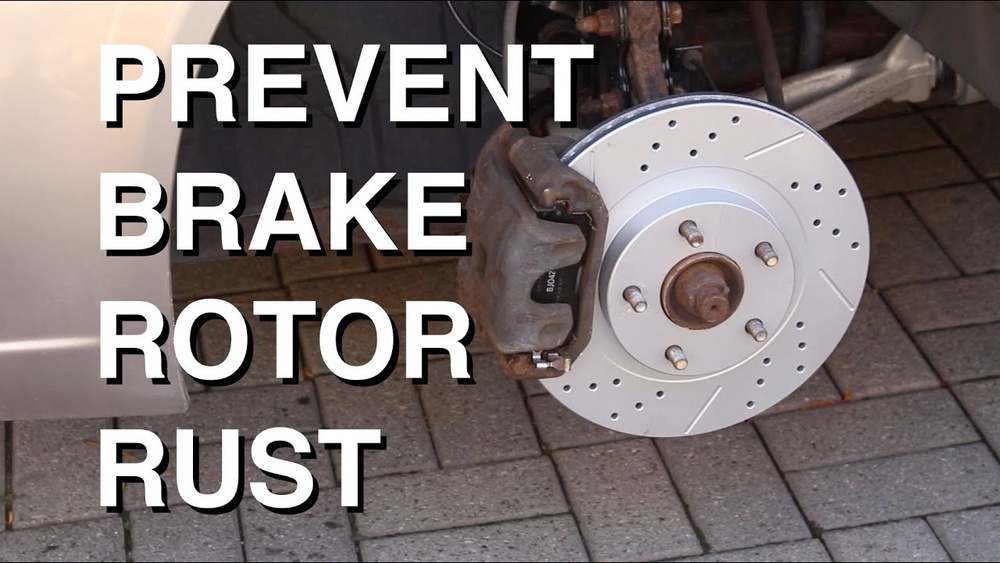
Your brakes and rotors are the most important parts of your car when it comes to safety. But how often should you change them?
If you wait too long, you risk costly repairs or even accidents. If you replace them too soon, you might be wasting money. You’ll discover the signs to watch for, the ideal time to replace your brakes and rotors, and simple tips to keep your car running safely.
Keep reading to make sure you never miss a crucial brake change again.
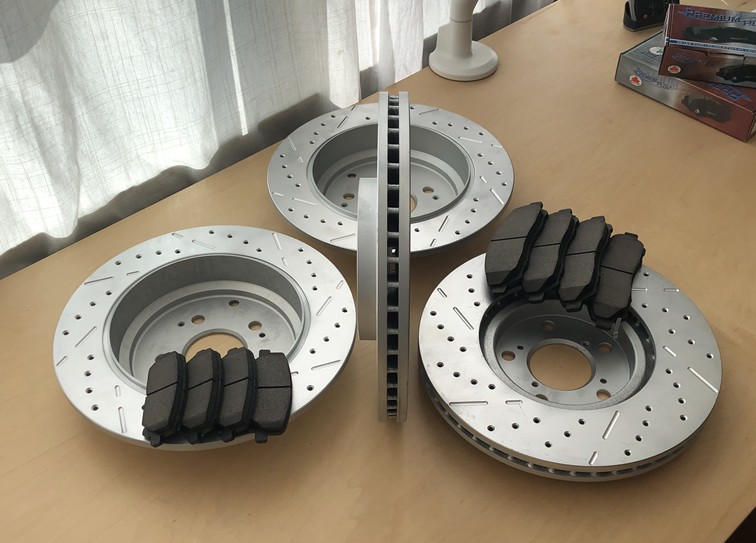
Credit: www.allrotors.com
Signs You Need New Brakes
Brakes are a key part of your vehicle’s safety. They need regular checks to avoid problems. Knowing the signs of worn brakes helps you stay safe on the road. Here are the common signals that show you need new brakes.
Squeaking And Grinding Noises
Squeaking sounds often mean brake pads are wearing thin. It happens when metal touches metal. Grinding noises are worse. They show the brake pads are gone. The rotors may get damaged too. Don’t ignore these sounds. They warn you to get new brakes soon.
Vibrations When Braking
Feel shaking or vibrations in the brake pedal? This usually means the rotors are warped or uneven. Warped rotors reduce braking power. The car may pull to one side. Vibrations make driving unsafe. Check your brakes if you notice this feeling.
Longer Stopping Distances
Your car takes longer to stop than before? Worn brake pads or rotors could cause this. Thinner pads have less grip on the rotors. This increases stopping distance. It can lead to accidents. Test your brakes regularly to spot this problem early.
Brake Warning Lights
The brake warning light on your dashboard signals trouble. It could mean low brake fluid or worn pads. Never ignore this light. It tells you to inspect your braking system quickly. Safe brakes keep you and others protected on the road.
When To Replace Brake Pads
Knowing when to replace brake pads is key for safe driving. Brake pads wear out over time and need timely changes. Worn pads reduce braking power and increase risk. Recognizing signs early helps avoid costly repairs and accidents.
Typical Lifespan Of Brake Pads
Brake pads usually last between 30,000 and 70,000 miles. Driving habits and road conditions affect this range. Some pads wear faster in city traffic with frequent stops. Others last longer on highways with steady speeds. Regular checks keep you aware of their condition.
Factors Affecting Brake Pad Wear
Heavy braking and frequent stop-start driving increase wear. Carrying heavy loads also shortens brake pad life. Brake pad material matters too. Organic pads wear faster than ceramic or metallic ones. Weather and road quality play a role in how fast pads wear out.
Visual Inspection Tips
Look through the wheel spokes to see brake pads. Pads thinner than 3 millimeters need replacement. Listen for screeching or grinding noises while braking. These sounds indicate worn pads or rotor damage. Check for brake dust buildup on wheels; it signals wear. Regular visual checks help spot problems early.
When To Replace Rotors
Knowing when to replace rotors helps keep your car safe and running well. Rotors wear down over time and need checking often. Ignoring worn rotors can cause poor braking and damage other parts.
Common Rotor Wear Signs
Look for grooves or cracks on the rotor surface. You may feel vibrations or hear squealing when braking. Uneven or noisy brakes often signal rotor problems. These signs mean it’s time to inspect your rotors closely.
Rotor Thickness And Warping
Rotors have a minimum thickness limit set by manufacturers. Thin rotors can crack or warp under heat. Warped rotors cause shaking or pulling during braking. Measure thickness with a micrometer and replace if below the limit.
Impact Of Driving Habits
Hard braking and driving in stop-and-go traffic wear rotors faster. Mountain driving or towing heavy loads can also increase rotor wear. Gentle braking and long stops help extend rotor life. Adjust habits to protect your rotors and brakes.
Credit: www.reddit.com
Brake Maintenance Tips
Proper brake maintenance keeps your car safe and saves money. Simple steps help your brakes last longer. Follow these tips to avoid sudden brake failure and costly repairs.
Good brake care also improves driving comfort. Smooth stops mean less stress on your car and you.
Regular Brake Inspections
Check your brakes often to catch problems early. Look for squeaking, grinding, or vibration when braking. These signs show wear or damage. Inspect brake pads and rotors every 10,000 miles or at oil changes. Visit a mechanic if you notice any issues. Early fixes prevent bigger damage and keep brakes reliable.
Driving Habits That Preserve Brakes
Drive gently to save brake parts. Avoid sudden stops and hard braking. Use engine braking on hills by downshifting. This reduces strain on brake pads. Keep a safe distance from other cars to brake smoothly. These habits slow pad wear and extend rotor life.
Choosing Quality Brake Parts
Select good brake pads and rotors for safety and durability. Cheap parts wear out fast and may harm your braking. Look for parts that match your car’s make and model. Certified brands ensure better performance and longer life. Quality parts protect your investment and keep driving safe.
Cost Considerations
Cost plays a big role in deciding when to change brakes and rotors. Knowing the expenses helps plan your budget. Brake and rotor parts vary in price. Labor costs add to the total. Understanding these costs helps avoid surprises and keeps your car safe.
Brake Pad Replacement Costs
Brake pads usually wear out faster than rotors. Prices depend on car type and pad quality. Basic pads cost less but wear out sooner. Premium pads last longer but cost more. Replacing brake pads can range from $100 to $300. Prices include parts and labor in most shops.
Rotor Replacement Expenses
Rotors last longer but cost more to replace. Rotor prices vary by size and material. Standard rotors are cheaper than performance types. Replacing rotors often costs between $200 and $400. Sometimes only one rotor needs replacement, lowering the cost. Grinding rotors can be cheaper but works only if they are not too worn.
Diy Vs Professional Services
Doing brake work yourself saves money on labor. You only pay for parts. DIY requires tools and basic skills. Mistakes can cause safety problems. Professional service costs more but ensures correct installation. Mechanics inspect all parts and test brakes. Many choose professionals for peace of mind and safety.

Credit: www.hawkperformance.com
Frequently Asked Questions
How Often Should Brakes Be Replaced?
Brakes typically need replacement every 30,000 to 70,000 miles. This varies based on driving habits and vehicle type. Regular inspections help identify wear early, ensuring safety and performance.
When Do Rotors Need Changing?
Rotors usually require changing every 50,000 to 70,000 miles. Signs include vibration, noise, or visible damage. Proper maintenance can extend rotor life and improve brake efficiency.
Can You Replace Brakes Without Changing Rotors?
Yes, you can replace brake pads without changing rotors if rotors are in good condition. However, worn or damaged rotors should be replaced to avoid brake issues.
What Are Signs Of Worn Brakes And Rotors?
Common signs include squealing noises, reduced braking power, vibration, and longer stopping distances. Early detection prevents costly repairs and maintains vehicle safety.
Conclusion
Regular brake and rotor checks keep your car safe on the road. Worn parts can cause noise, vibration, or poor stopping power. Changing them on time helps avoid costly repairs later. Every car is different, so follow your owner’s manual advice.
Pay attention to how your brakes feel and sound. Staying proactive means better control and peace of mind while driving. Don’t ignore warning signs; act before problems get worse. Safe brakes protect you, your passengers, and others around you.