

Your diesel engine works hard every day, and the fuel filter is one of its unsung heroes. But how often should you change your diesel fuel filter to keep your engine running smoothly?
If you don’t replace it at the right time, you risk costly repairs and poor performance. You’ll discover the simple signs and expert tips to know exactly when to change your fuel filter. Keep reading to protect your engine and save money in the long run.

Credit: blog.highflowfuel.com
Role Of Diesel Fuel Filters
The diesel fuel filter plays a key role in keeping your engine running smoothly. It removes dirt, rust, and other particles from the fuel. Clean fuel helps the engine work better and last longer. Changing the filter regularly is important to avoid problems.
Protecting The Engine
The fuel filter protects the engine from damage. Dirt or debris in diesel fuel can harm engine parts. The filter stops these particles before they reach the engine. This prevents wear and tear. A clean filter helps the engine stay healthy and strong.
Filtering Contaminants
Diesel fuel can contain many harmful contaminants. Water, dirt, and rust often mix with the fuel. The filter catches these contaminants. It keeps the fuel clean and safe for the engine. A clogged filter can cause poor engine performance and higher fuel use.
Signs Of A Clogged Fuel Filter
A clogged diesel fuel filter stops fuel from flowing properly. It can cause many problems in your vehicle. Knowing the signs helps you fix the issue early. Avoid engine damage and costly repairs by spotting these signs fast.
Engine Performance Issues
The engine may run rough or lose power. It can hesitate or stall during driving. Your vehicle might feel weaker on hills or with heavy loads. These problems mean fuel is not reaching the engine well.
Fuel Efficiency Drop
Your diesel engine may use more fuel than usual. You notice the fuel gauge drops faster. Poor fuel flow makes the engine work harder. This leads to wasting fuel and higher running costs.
Starting Problems
The engine takes longer to start or fails to start. You may hear the starter but no engine response. A clogged filter blocks the fuel needed for ignition. This issue shows the filter needs urgent attention.
Manufacturer Recommendations
Manufacturer recommendations guide you on when to change your diesel fuel filter. These guidelines help protect your engine and keep it running smoothly. Following the advice from your vehicle maker ensures you avoid costly repairs and maintain fuel efficiency.
Typical Replacement Intervals
Most manufacturers suggest changing the diesel fuel filter every 10,000 to 25,000 miles. Some recommend a check during routine service or oil changes. The exact interval depends on the engine design and fuel quality. Ignoring these intervals can lead to clogged filters and poor engine performance.
Variations By Vehicle Type
Light trucks and passenger cars often have shorter intervals, usually around 10,000 to 15,000 miles. Heavy-duty trucks and commercial vehicles may allow longer periods between changes, sometimes up to 25,000 miles. Off-road and industrial diesel engines might require more frequent checks due to harsher conditions.
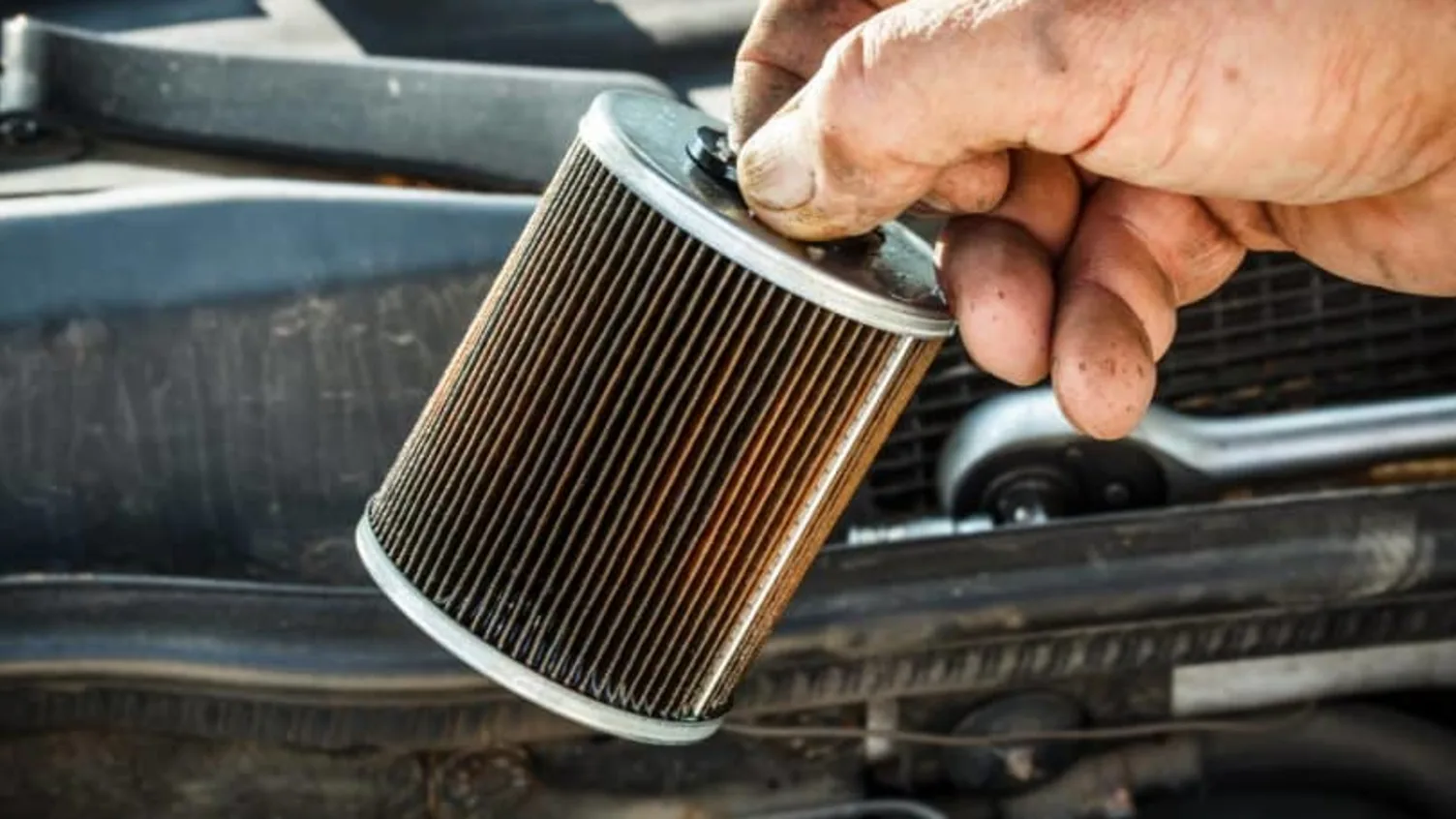
Credit: www.bigboxcars.com.au
Factors Affecting Filter Lifespan
The lifespan of a diesel fuel filter depends on several important factors. These factors influence how often you need to change the filter. Understanding them helps keep your engine running smoothly. It also prevents costly repairs and fuel system issues. Below are the key elements that affect the filter’s life.
Fuel Quality
Poor fuel quality shortens the filter’s lifespan. Dirt, water, and impurities clog the filter quickly. Using clean, high-grade diesel helps the filter last longer. Contaminated fuel causes blockages and reduces engine efficiency. Always check fuel sources and avoid low-quality diesel.
Driving Conditions
Harsh driving conditions wear out the filter faster. Rough roads create more dust and dirt in the fuel. Frequent stop-and-go driving stresses the fuel system. Long trips at steady speeds help the filter work better. Adjust filter replacement based on your driving habits.
Maintenance Habits
Regular maintenance extends the filter’s life. Changing the filter at recommended intervals prevents buildup. Checking and cleaning the fuel tank reduces contamination. Use quality replacement filters for best results. Good maintenance keeps your diesel engine healthy and reliable.
Risks Of Delaying Replacement
Delaying the replacement of your diesel fuel filter can lead to serious problems. Dirt and debris build up inside the filter. This blocks fuel flow and affects engine performance.
Ignoring this maintenance step puts your engine at risk. It forces other parts to work harder. This increases wear and tear. The costs for fixing these issues can rise quickly.
Engine Damage
A clogged fuel filter starves the engine of clean fuel. This causes poor combustion and rough running. Over time, engine parts can wear out faster. Fuel injectors may get damaged or clogged. This reduces engine power and efficiency. Severe damage can lead to engine failure.
Increased Repair Costs
Delaying filter change means bigger problems later. Repairing engine damage costs much more than replacing a filter. Fuel system parts may need cleaning or replacement. Labor charges add up quickly. Regular filter changes save money in the long run. They keep your engine healthy and reduce costly repairs.
Diy Vs Professional Replacement
Changing a diesel fuel filter is important for your vehicle’s health. You can do it yourself or hire a professional. Each choice has benefits and risks. Understanding both helps you decide what suits your needs.
Tools Needed
For a DIY fuel filter change, prepare these tools:
- New diesel fuel filter
- Wrenches or socket set
- Screwdriver
- Drain pan
- Gloves and safety glasses
- Rags for spills
- Fuel line disconnect tool (if needed)
Professionals bring specialized tools and experience. They have the right equipment for quick, safe replacement.
Step-by-step Process
First, park your vehicle on a flat surface. Turn off the engine and let it cool. Place a drain pan under the filter.
Loosen the fuel lines carefully. Remove the old filter. Install the new filter in the correct direction. Tighten the fuel lines securely. Check for leaks after starting the engine.
Professionals perform these steps fast and clean. They ensure the job meets safety standards.
When To Seek Help
Choose professional help if you lack tools or experience. If fuel lines are hard to reach, call a mechanic. Notice leaks or engine issues after replacement? Get expert advice. Complex fuel systems require expert handling. Safety is crucial when working with diesel fuel.
Tips For Extending Filter Life
Extending the life of your diesel fuel filter saves money and keeps your engine running smoothly. Simple habits can protect the filter from dirt and damage. These small steps help avoid frequent replacements and engine problems.
Focus on the quality of fuel and regular checks. Both play a key role in filter health and overall engine performance.
Using Quality Fuel
Choose clean, high-grade diesel fuel. Poor-quality fuel contains dirt and water that clog filters quickly. Fuel from reputable stations reduces contaminants. Avoid buying fuel from unknown or unreliable sources. Clean fuel helps the filter last longer and protects the engine.
Regular Inspections
Check the fuel filter often for dirt and damage. Look for leaks, cracks, or discoloration. Early detection prevents bigger problems. Follow the vehicle’s maintenance schedule for inspections. Replace the filter if any issues appear. Regular checks keep the fuel system clean and efficient.

Credit: www.youtube.com
Frequently Asked Questions
How Often Should Diesel Fuel Filters Be Replaced?
Diesel fuel filters should be replaced every 10,000 to 25,000 miles. Check your vehicle’s manual for exact intervals. Regular replacement prevents clogging and protects the engine from contaminants.
What Happens If You Don’t Change Diesel Fuel Filters?
Failing to change diesel fuel filters leads to clogged filters. This restricts fuel flow, causing poor engine performance, reduced fuel efficiency, and potential engine damage.
Can Dirty Diesel Fuel Filters Cause Engine Problems?
Yes, dirty diesel fuel filters can cause engine misfires, stalling, and hard starts. Clean filters ensure proper fuel flow and engine reliability.
How To Know When To Replace Diesel Fuel Filters?
Signs include reduced engine power, rough idling, and increased fuel consumption. Also, follow the vehicle manufacturer’s recommended maintenance schedule.
Conclusion
Changing your diesel fuel filter regularly keeps your engine running well. Dirty filters can cause poor fuel flow and engine problems. Check your vehicle manual for the right change schedule. Clean filters help save fuel and avoid costly repairs. Don’t wait for signs of trouble.
A simple filter change protects your engine’s health and performance. Keep your diesel engine strong by staying on top of filter changes. It’s a small step with big benefits.


