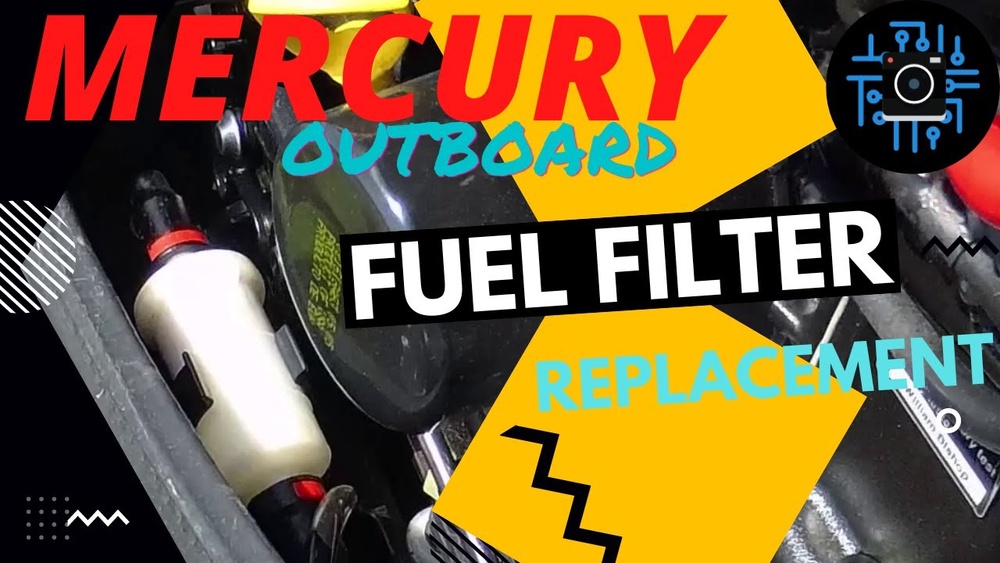
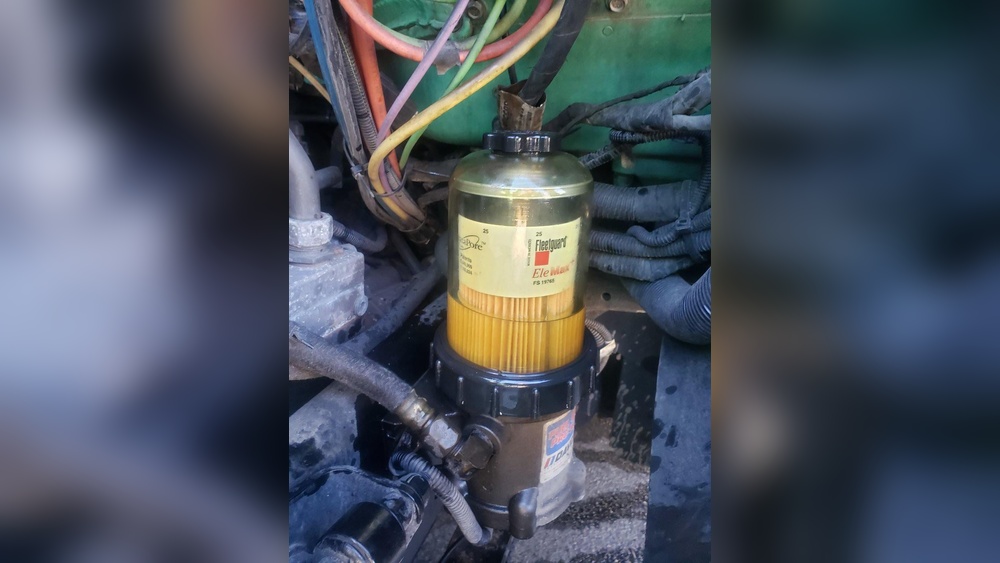
Have you ever felt your car struggling to accelerate or noticed a sudden drop in fuel efficiency? These issues might be linked to something you rarely think about: your fuel filter.
This small, often overlooked part plays a big role in your vehicle’s performance. Understanding how a fuel filter affects performance can save you money, improve your ride, and keep your engine running smoothly. Keep reading to discover why this tiny component matters more than you think—and how it impacts your driving experience every time you hit the road.
Role Of A Fuel Filter
The fuel filter plays a key role in your vehicle’s performance. It cleans the fuel before it reaches the engine. This helps the engine run smoothly and last longer. Understanding its role can show why a clean filter matters.
Filtering Fuel Contaminants
The fuel filter stops dirt, rust, and debris from entering the engine. Fuel can carry tiny particles that harm engine parts. The filter traps these particles and keeps the fuel clean. Clean fuel burns better, which helps the engine work well.
Protecting Engine Components
Dirty fuel can damage engine parts like injectors and pumps. The fuel filter shields these parts by removing harmful particles. This protection reduces wear and tear on the engine. A healthy engine means better performance and fewer repairs.
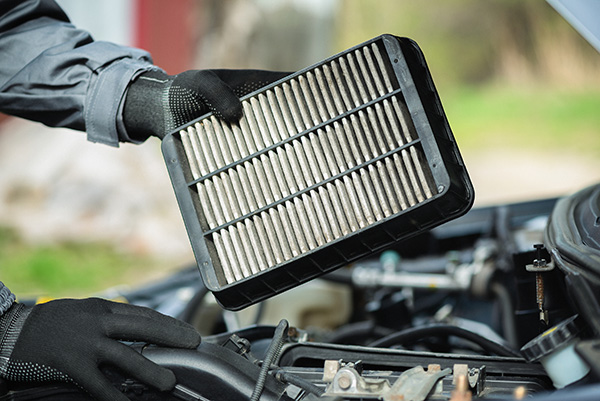
Credit: www.gilsgarage.com
Signs Of A Clogged Fuel Filter
A clogged fuel filter can cause many problems for your vehicle’s engine. It stops fuel from flowing smoothly. This affects how well the engine runs. Knowing the signs helps you fix the issue fast. It prevents bigger damage and costly repairs.
Reduced Engine Power
Your car may feel weak or slow. It struggles to speed up. The engine cannot get enough fuel. This lowers its power and performance. Climbing hills or quick moves become harder.
Engine Misfires And Stalling
The engine may jerk or hesitate. It might stop suddenly while driving. Fuel flow is uneven or blocked. This causes misfires or stalling. Driving becomes unsafe and frustrating.
Poor Fuel Economy
Your car uses more gas than usual. The clogged filter forces the engine to work harder. This wastes fuel and lowers mileage. You spend more money on fuel over time.
Fuel Filter And Engine Efficiency
The fuel filter plays a key role in keeping the engine running smoothly. It cleans the fuel before it reaches the engine. This helps the engine use fuel better and work more efficiently.
A clean fuel filter allows the right amount of fuel to flow. This keeps the engine parts safe from dirt and debris. A blocked filter can slow down fuel flow and reduce engine power.
Impact On Fuel Flow
The fuel filter controls how fuel moves through the system. A clear filter lets fuel pass easily. This steady flow keeps the engine running well.
If the filter clogs, fuel flow slows. The engine may not get enough fuel. This causes poor performance and rough running. It also makes the engine work harder.
Effect On Combustion Quality
Fuel quality affects how well the engine burns fuel. A clean filter removes dirt and particles. This helps the fuel burn cleaner and more fully.
Dirty fuel clogs the filter and reduces combustion quality. Poor combustion wastes fuel and causes emissions. A good filter helps keep combustion smooth and efficient.

Credit: www.youtube.com
Benefits Of Regular Fuel Filter Replacement
Regularly changing the fuel filter helps keep your car running smoothly. The fuel filter stops dirt and rust from reaching the engine. Over time, it gets clogged and blocks fuel flow. This can cause poor engine performance and higher fuel use. Replacing it on time brings clear benefits.
Improved Acceleration
A clean fuel filter allows fuel to flow freely to the engine. This helps the engine get the right amount of fuel fast. The car responds quicker when you press the gas pedal. Acceleration feels smoother and more powerful. No more hesitation or jerking during speed changes.
Better Fuel Efficiency
Clogged filters make the engine work harder to get fuel. This wastes fuel and lowers miles per gallon. A fresh fuel filter helps the engine burn fuel more completely. Your car uses less fuel for the same distance. Save money by driving with a clean fuel filter.
Longer Engine Life
Dirty fuel can cause engine parts to wear out faster. The fuel filter stops harmful particles from reaching the engine. Regular replacement reduces engine damage and wear. Your engine stays healthier and lasts longer. This means fewer repairs and lower maintenance costs.
Choosing The Right Fuel Filter
Choosing the right fuel filter is key to keeping your vehicle running well. A good filter stops dirt and rust from reaching the engine. This helps the engine use fuel better and stay clean. Picking the right type of fuel filter makes a real difference in performance. It also helps avoid costly repairs and keeps your car reliable.
Compatibility With Vehicle
Every vehicle needs a specific fuel filter type. Filters vary by size, shape, and flow rate. Using the wrong filter can cause poor fuel flow or leaks. Check your vehicle’s manual for the exact filter model. Some filters fit only certain engines or fuel systems. Always match the filter to your vehicle’s make and model. This ensures the fuel system works smoothly and safely.
Filter Types And Materials
Fuel filters come in many types and materials. Paper filters are common and affordable. They trap small particles well but may clog faster. Nylon or mesh filters last longer and allow better fuel flow. Metal filters handle higher pressure and are very durable. Some filters use charcoal to remove odors and impurities. Choose a filter material that suits your driving conditions and fuel type. This helps protect the engine and improve fuel efficiency.
Diy Fuel Filter Maintenance Tips
Maintaining your fuel filter is key to keeping your car’s engine running smoothly. A clean fuel filter stops dirt and rust from reaching the engine. This protects your fuel system and helps your car perform well.
Doing fuel filter maintenance yourself saves money and gives you control over your car’s health. It is not hard and only takes a little time. Knowing when and how to replace the fuel filter helps avoid engine problems and keeps fuel flowing properly.
When To Replace
Check your vehicle’s manual for the recommended replacement time. Usually, fuel filters need changing every 20,000 to 40,000 miles. Signs like rough idling, poor acceleration, or engine misfires suggest a clogged fuel filter. Replace the filter sooner if you use low-quality fuel or drive in dusty areas.
Basic Replacement Steps
Start by turning off the engine and relieving fuel system pressure. Locate the fuel filter, usually near the fuel tank or engine bay. Use a wrench to disconnect the fuel lines carefully. Remove the old filter and replace it with a new one. Make sure to install the filter in the right direction. Reconnect the fuel lines tightly. Finally, start the engine and check for leaks.
Common Fuel Filter Myths
Fuel filters are often misunderstood in vehicle maintenance. Many myths surround their role and impact on car performance. Clearing up these myths helps you care for your vehicle better.
Myth 1: Fuel Filters Don’t Need Regular Replacement
Some believe fuel filters last forever. They do get clogged over time. A dirty filter blocks fuel flow. This reduces engine power and efficiency. Regular changes keep your engine running smoothly.
Myth 2: A Clogged Fuel Filter Only Affects Fuel Economy
Fuel filters impact more than just mileage. A clogged filter can cause engine misfires. It may lead to rough idling or hard starts. Performance drops because the engine gets less fuel.
Myth 3: All Fuel Filters Are The Same
Fuel filters vary by vehicle type and quality. Using the wrong filter can cause damage. Always choose filters that match your car’s specifications. This ensures proper fuel flow and protection.
Myth 4: Fuel Filters Fix All Engine Problems
A bad fuel filter can cause issues, but not all. Some engine problems come from other parts. Don’t assume changing the filter solves every problem. Proper diagnosis is important for repairs.
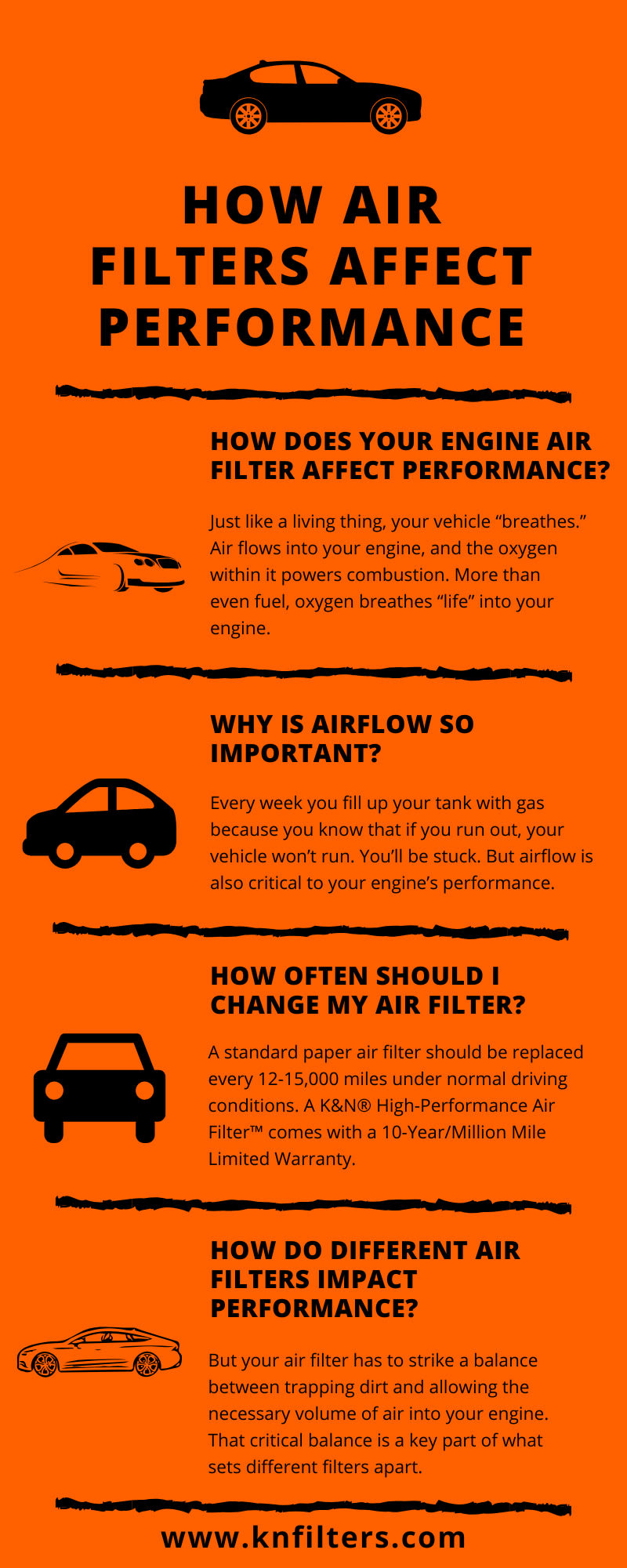
Credit: www.knfilters.com
Frequently Asked Questions
How Does A Clogged Fuel Filter Affect Engine Performance?
A clogged fuel filter restricts fuel flow, causing poor acceleration and engine misfires. It reduces power and fuel efficiency. Regular replacement ensures smooth engine operation and prevents damage.
Why Is A Clean Fuel Filter Essential For Fuel Efficiency?
A clean fuel filter allows optimal fuel flow to the engine. This improves combustion and reduces fuel waste. It helps maintain better mileage and lowers emissions.
How Often Should You Replace A Fuel Filter?
Most manufacturers recommend replacing the fuel filter every 20,000 to 40,000 miles. Check your vehicle’s manual for specific intervals. Regular changes prevent clogging and maintain engine performance.
Can A Bad Fuel Filter Cause Engine Stalling?
Yes, a bad fuel filter can cause engine stalling. It limits fuel supply, causing the engine to hesitate or stop. Timely replacement avoids unexpected breakdowns.
Conclusion
A clean fuel filter keeps your engine running smooth. It stops dirt from reaching important parts. When the filter clogs, fuel flow slows down. This can cause poor performance and engine trouble. Changing the fuel filter on time helps avoid these problems.
It saves money on repairs and fuel. Remember, a healthy fuel filter means a healthy engine. Keep your vehicle running strong and efficient. Small steps like this make a big difference in the long run.