You want your car to look its best, right? Keeping your paint smooth and shiny isn’t just about good looks—it protects your car from dirt, grime, and damage.
But how often should you clay and wax your car to keep it in top shape? Too little, and your car’s surface can get rough and dull. Too much, and you might be wasting time and effort. You’ll discover the perfect routine to make your car’s paint gleam like new, while saving you time and money.
Ready to unlock the secret to a flawless finish? Let’s dive in.
Benefits Of Claying Your Car
Claying your car is an important step in car care. It helps keep your car’s surface clean and smooth. This process removes dirt that washing alone cannot remove. It also prepares your car for waxing, making the wax last longer. Regular claying improves the look and feel of your car’s paint.
Removing Surface Contaminants
Clay removes tiny particles stuck to the paint. These include dirt, tar, and industrial fallout. These contaminants do not come off with normal washing. Clay safely lifts them away without scratching the paint. This keeps the surface clean and healthy.
Enhancing Paint Smoothness
After claying, the paint feels very smooth. The clay bar removes rough spots caused by contaminants. Smooth paint looks shinier and more polished. It also feels nice to touch. This smoothness improves your car’s overall appearance.
Preparing For Wax Application
Clay creates a clean surface for waxing. Wax sticks better to smooth, clean paint. This helps the wax protect the paint longer. Wax also shines more on a clean surface. Claying before waxing gives the best results.
How Often To Clay Your Car
Clay bar treatment cleans your car’s paint deeply. It removes dirt and contaminants stuck on the surface. Knowing how often to clay your car helps keep the paint smooth and shiny. Too much claying may wear the paint. Too little may let dirt build up. Finding the right balance is key.
Factors Affecting Frequency
How often to clay depends on your environment. Dusty or polluted areas need more frequent claying. Cars parked under trees may collect sap and pollen. Frequent washing can reduce the need for claying. New cars often need less claying than older ones. Driving habits also play a part. Long trips on highways expose your car to more grime.
Signs You Need To Clay
Run your hand over the paint. Does it feel rough or gritty? That means contaminants are stuck on the surface. Water may not bead up well after washing. This shows the paint is dirty. Small spots or stains that don’t wash off also hint at the need to clay. These signs mean your car needs a clay treatment soon.
Seasonal Considerations
Season changes affect claying needs. Spring brings pollen and dust buildup. Summer heat can bake dirt onto paint. Fall drops leaves and tree sap on your car. Winter salt and grime stick to the surface. After harsh seasons, claying helps remove tough dirt. Plan claying treatments after heavy exposure times.
Benefits Of Waxing Your Car
Waxing your car is a simple step that brings many benefits. It keeps your car looking fresh and protects the paint. Regular waxing helps maintain your car’s value over time. The smooth, shiny surface also feels great to touch. Below are some key benefits of waxing your car.
Protecting Paint From Elements
Wax forms a thin shield on the paint. It blocks harmful UV rays from the sun. This stops the paint from fading or cracking. Wax also protects against rain and pollution. Dirt and grime do less damage when wax is applied.
Enhancing Shine And Gloss
Wax gives your car a deep, glossy shine. It smooths the paint surface to reflect light better. This makes colors look brighter and more vibrant. A shiny car always stands out on the road.
Repelling Water And Dirt
Wax causes water to bead up and roll off easily. This helps keep the surface clean longer. Dirt and dust do not stick well to waxed paint. Washing your car becomes easier and faster after waxing.
Credit: ethoscarcare.com
How Often To Wax Your Car
Waxing your car protects its paint and keeps it shiny. But how often should you wax it? The answer depends on several factors like the type of wax, driving habits, and weather. Regular waxing helps maintain the car’s look and stops damage from dirt and sun. Let’s explore how often to wax your car.
Types Of Wax And Longevity
Different waxes last for different times. Carnauba wax gives a deep shine but lasts 4 to 6 weeks. Synthetic waxes last longer, about 3 to 4 months. Some sealants can protect for up to 6 months. Choose wax based on how often you want to reapply. Stronger waxes need less frequent use but may cost more.
Driving Conditions Impact
Driving in harsh conditions wears off wax faster. Roads with salt, dirt, or heavy sun exposure reduce wax life. Frequent washing and rain also strip wax quickly. If you drive in tough conditions, wax every 4 to 6 weeks. For mild weather and short trips, waxing every 2 to 3 months is fine.
Maintenance Tips Between Waxes
Keep your car clean between waxes to protect the paint. Use a gentle car wash to avoid removing wax. Apply quick detailer sprays to add shine and remove dust. Avoid harsh chemicals or rough cloths that damage wax. Regular care extends wax life and keeps your car looking great.
Step-by-step Claying Process
Claying your car removes dirt and grime that washing alone cannot. This process leaves your paint smooth and ready for waxing. Follow these simple steps to clay your car safely and effectively.
Choosing The Right Clay Bar
Select a clay bar that suits your car’s paint condition. Soft clay bars work well for light contaminants. Harder clay bars handle tougher grime but may need more care. Pick a clay bar kit that includes lubricant for easy use.
Preparing The Car Surface
Wash your car thoroughly to remove loose dirt. Dry the surface with a clean microfiber towel. Work on one section at a time to avoid the clay drying out. Spray lubricant generously to protect the paint during claying.
Claying Techniques
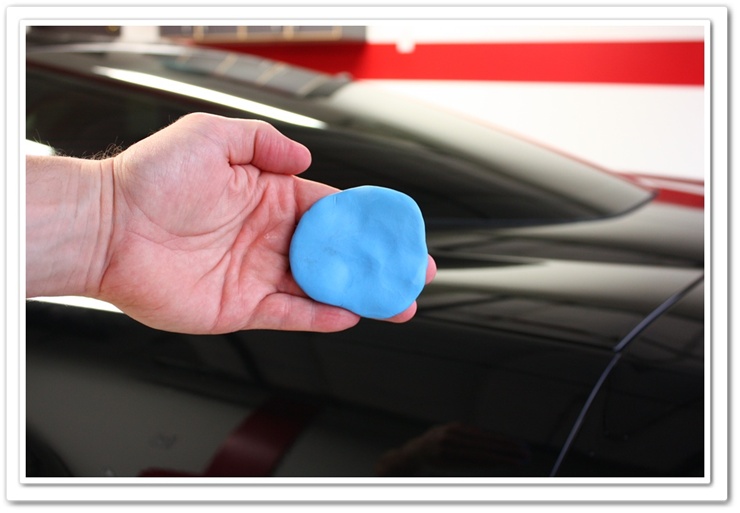
Flatten the clay bar into a small, flat piece. Gently rub the clay over the lubricated surface in straight lines. Avoid circular motions to prevent scratches. Check the clay often for dirt and fold it to expose a clean side. Continue until the surface feels smooth and clean.

Credit: www.turtlewax.com
Step-by-step Waxing Process
Waxing your car protects its paint and keeps it shiny. Follow a simple step-by-step process to get the best results. Each step helps the wax bond well and gives your car a smooth finish. Take your time and enjoy the process.
Selecting The Best Wax
Choose a wax that fits your car’s needs. Paste wax lasts longer but needs more effort. Liquid wax is easier to apply and works well for beginners. Check if the wax is made for your car’s paint type. Pick a wax with good protection against sun and rain.
Application Methods
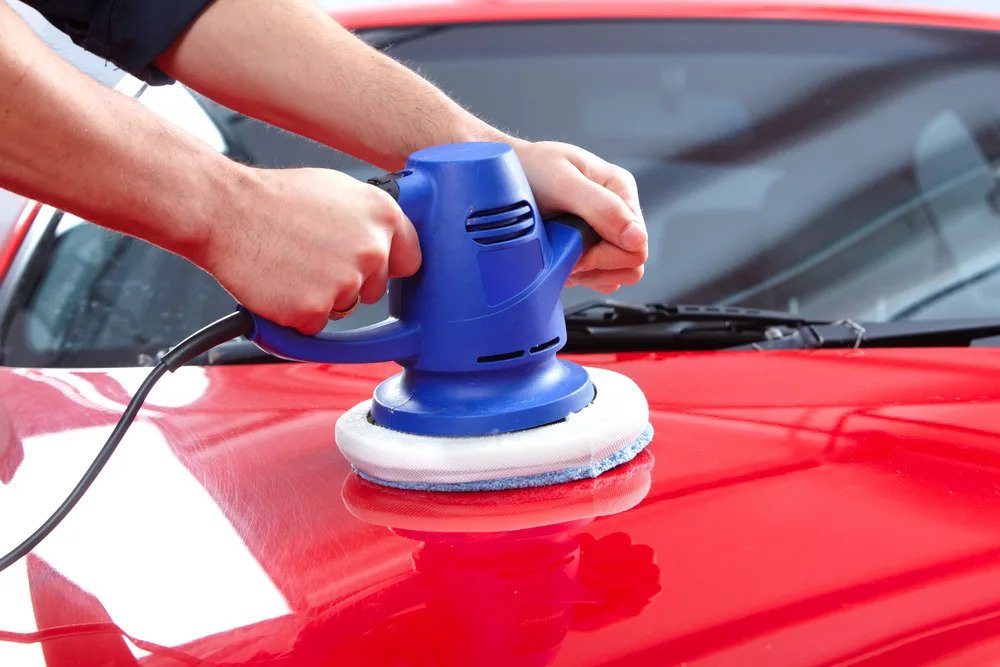
Start with a clean, dry car. Use a foam applicator or soft cloth to apply wax. Work in small sections, about two feet wide. Spread a thin, even layer using circular motions. Avoid thick layers; thin coats dry faster and shine better. Let the wax dry until it looks hazy.
Buffing And Finishing Touches
Use a clean, soft microfiber cloth to buff. Rub gently in small circles to remove haze. Buff until the paint shines and feels smooth. Check for missed spots and buff those areas again. Finish by wiping excess wax from windows and trim. Your car will look fresh and protected.
Common Mistakes To Avoid
Knowing how often to clay and wax your car is important. Avoiding common mistakes can save time and protect your paint. These errors can cause damage or reduce the benefits of clay and wax treatments. Let’s explore some common pitfalls.
Over-claying Or Over-waxing
Too much claying can wear down your car’s clear coat. Clay removes dirt and contaminants but overuse can harm paint. Waxing too often creates buildup that dulls shine. Follow recommended intervals to keep your paint safe and looking fresh.
Using Incorrect Products
Not all clay bars and waxes are the same. Using harsh or low-quality products can scratch or damage paint. Choose products made for your car’s paint type. Check labels and avoid strong chemicals that strip protection.
Ignoring Surface Preparation
Skipping surface cleaning before claying or waxing reduces effectiveness. Dirt or grime trapped under clay or wax can cause scratches. Always wash your car thoroughly and dry it well. A clean surface helps the products work better and last longer.
Professional Vs Diy Claying And Waxing
Deciding between professional and DIY claying and waxing affects your car’s shine and protection. Both methods clean and protect paint but differ in cost, quality, and effort. Understanding the differences helps you choose the best option for your car’s care.
Cost Comparison
DIY claying and waxing cost less upfront. You only pay for clay bars, wax, and tools. These products last for several uses, making it affordable over time. Professionals charge more because they include labor and expertise. Their prices cover special products and equipment. Consider your budget and how often you want to maintain your car.
Quality And Longevity
Professionals deliver higher quality results. They use advanced tools and techniques to remove deep contaminants. Their wax application lasts longer and protects better. DIY methods work well for light cleaning and protection. Results depend on your skill and product choice. Regular DIY care can keep your car clean but may not match professional durability.
When To Seek Professionals
Choose professionals for heavy paint damage or severe contamination. They handle tough stains and scratches safely. Professionals also offer paint correction and long-lasting protection. Use DIY methods for routine maintenance and light cleaning. If unsure about your skills or product use, a professional is safer. Protect your investment with expert care when needed.
Credit: www.detailedimage.com
Frequently Asked Questions
How Often Should I Clay My Car?
You should clay your car every 3 to 6 months. Claying removes embedded contaminants that washing misses. This keeps your paint smooth and ready for waxing.
When Is The Best Time To Wax A Car?
Wax your car every 3 months or after claying. Waxing protects paint from UV rays, dirt, and moisture. Regular waxing maintains shine and prolongs your car’s finish.
Can I Clay And Wax My Car In One Session?
Yes, claying followed by waxing in one session is ideal. Clay first to remove contaminants, then wax to seal and protect. This combo ensures a smooth, glossy, and protected surface.
Does Frequent Claying Damage My Car’s Paint?
No, proper claying does not damage paint if done correctly. Use a quality clay bar and lubricant to avoid scratches. Overdoing it can wear down clear coat, so stick to recommended intervals.
Conclusion
Clay and wax treatments keep your car’s surface smooth and shiny. Most cars benefit from clay every 6 months, and waxing every 3 months. This schedule helps remove dirt and protects paint from damage. Regular care prevents stains and keeps your car looking fresh.
Simple steps make a big difference over time. Keep your car clean, smooth, and protected with these easy routines. Your vehicle will thank you with a lasting shine and stronger paint.