

You rely on your diesel engine every day, so keeping it running smoothly is crucial. One key part that often gets overlooked is the diesel fuel filter.
But how often should you replace it? If you ignore this simple maintenance step, your engine could suffer serious damage, costing you time and money. You’ll discover the signs that your fuel filter needs changing and the best schedule to keep your engine healthy.
Keep reading to protect your investment and avoid unexpected breakdowns.
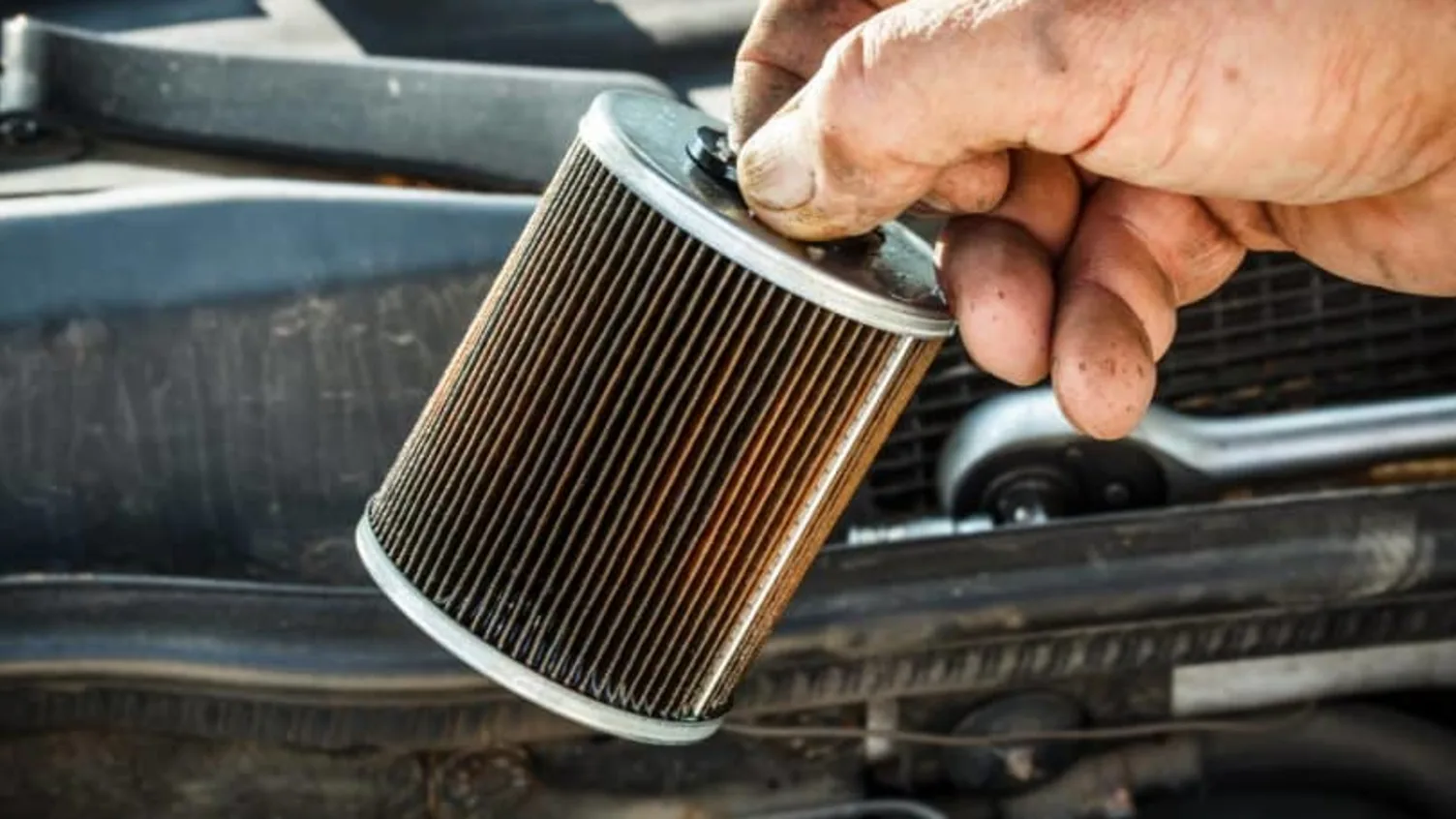
Credit: www.bigboxcars.com.au
Importance Of Diesel Fuel Filters
Diesel fuel filters play a critical role in keeping your engine healthy. They clean the fuel before it reaches the engine. Dirt and water in diesel fuel can cause many problems. A clean fuel filter helps your engine run smoothly and last longer.
Replacing the diesel fuel filter on time protects your engine from damage. It also keeps your vehicle working efficiently. Understanding the importance of these filters helps you maintain your diesel engine better.
Role In Engine Performance
The fuel filter stops dirt and particles from entering the engine. Clean fuel means better combustion and smoother engine operation. A clogged filter reduces power and causes the engine to sputter. Regular filter changes keep your engine running strong.
Impact On Fuel Efficiency
Dirty fuel filters make the engine work harder. This wastes fuel and lowers mileage. Clean filters allow fuel to flow easily, saving fuel. Changing filters regularly helps you get the best miles per gallon.
Preventing Engine Damage
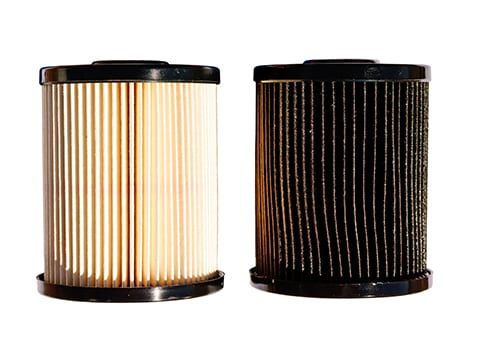
Contaminants in diesel fuel can damage engine parts. Water in fuel causes rust and corrosion. A good filter traps these harmful elements. Timely filter replacement protects the engine from costly repairs.
Signs Of A Clogged Fuel Filter
A clogged diesel fuel filter can cause many engine problems. Recognizing the signs early helps avoid costly repairs. Watch for changes in engine behavior and performance. These signals often mean the fuel filter needs replacement soon.
Reduced Engine Power
The engine may lose power during acceleration or climbing hills. Your vehicle might feel sluggish or slow to respond. This happens because the clogged filter blocks fuel flow. Less fuel reaches the engine, cutting its power.
Starting Difficulties
The engine may take longer to start or fail to start. You might hear the starter turning but the engine won’t catch. A dirty filter restricts fuel supply to the engine. Without enough fuel, starting becomes hard or impossible.
Unusual Engine Noises
The engine can make strange sounds like sputtering or coughing. These noises occur because the fuel mixture is uneven. A clogged filter interrupts steady fuel flow. The engine struggles to run smoothly and makes odd sounds.
Recommended Replacement Intervals
Knowing the recommended replacement intervals for diesel fuel filters helps keep your engine healthy. Regular changes protect the fuel system and avoid costly repairs. Follow these guidelines to maintain your vehicle’s performance and fuel efficiency.
Manufacturer Guidelines
Most vehicle makers suggest replacing the diesel fuel filter every 20,000 to 40,000 miles. This range depends on the engine type and design. Check your owner’s manual for exact intervals. Stick to these recommendations to avoid engine problems.
Influence Of Driving Conditions
Driving in dusty or rough areas clogs filters faster. Short trips and stop-and-go traffic also stress the fuel system. Change the filter more often under these conditions. Clean fuel keeps the engine running smoothly and prevents damage.
Variations By Vehicle Type
Light trucks and passenger cars usually have longer replacement intervals. Heavy-duty trucks and commercial vehicles need more frequent changes. They work harder and use more fuel. Adjust your maintenance schedule based on your vehicle’s use and type.
Factors Affecting Filter Lifespan
Understanding the factors that affect the lifespan of a diesel fuel filter helps you maintain your vehicle properly. Filters do not last the same in every situation. Some conditions wear them out faster. Knowing these factors lets you plan timely replacements.
Fuel Quality
Dirty or poor-quality diesel clogs filters quickly. Contaminants like dirt and water reduce filter life. Using clean fuel extends filter performance. Always check the fuel source for quality.
Climate And Environment
Hot or humid climates speed up filter wear. Dusty or sandy areas add extra dirt to fuel. Cold weather can cause wax build-up inside filters. The environment plays a key role in filter health.
Frequency Of Vehicle Use
Vehicles used every day need more frequent filter changes. Long drives push more fuel through the filter, causing wear. Cars driven less often may keep filters longer. Usage patterns affect how fast filters clog.
Replacing The Diesel Fuel Filter
Replacing the diesel fuel filter is an important task for engine health. It keeps dirt and water out of the fuel system. A clean filter helps the engine run smoothly and saves money on repairs. Regular replacement avoids fuel flow problems and engine damage.
This guide shows how to replace the diesel fuel filter safely and correctly. Follow the steps carefully and prepare all needed tools. Take your time. Doing it right will keep your diesel engine strong.
Tools And Materials Needed
- New diesel fuel filter
- Wrenches or socket set
- Screwdrivers
- Drain pan
- Gloves
- Rags or paper towels
- Clean container for fuel
- Safety glasses
Step-by-step Replacement Process
- Turn off the engine and let it cool down.
- Locate the diesel fuel filter under the hood or near the fuel tank.
- Place the drain pan under the filter to catch fuel spills.
- Loosen the filter connections with the wrench carefully.
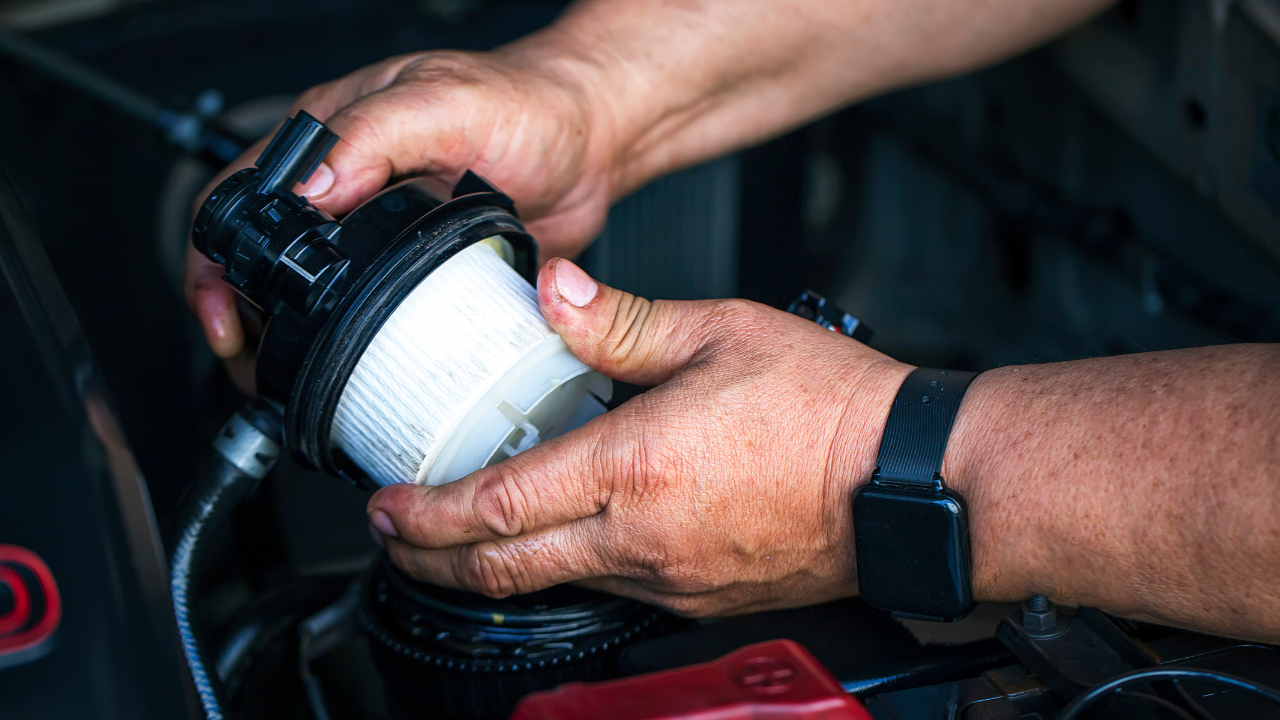
- Remove the old filter and dispose of it properly.
- Clean the filter housing with a rag to remove dirt.
- Install the new filter according to the flow direction.
- Tighten all connections securely but do not over-tighten.
- Prime the fuel system if your vehicle requires it.
- Start the engine and check for leaks around the filter.
Safety Precautions
- Wear gloves and safety glasses to protect skin and eyes.
- Work in a well-ventilated area to avoid inhaling fumes.
- Avoid open flames or sparks near the fuel system.
- Keep rags and towels away from heat sources.
- Dispose of old fuel and filters according to local rules.
- Wash hands thoroughly after the job is done.
Cost Considerations
Cost plays a big role in deciding how often to replace a diesel fuel filter. Filters vary in price. Labor costs can add up. Thinking about long-term savings helps make a smart choice. Understanding these cost factors makes maintenance easier and less stressful.
Price Range Of Filters
Diesel fuel filters range from $10 to $50. Basic filters cost less but may not last as long. Premium filters can be pricier but offer better protection. Prices depend on the vehicle model and filter quality. Checking prices before buying saves money.
Labor Vs Diy Replacement
Replacing a diesel fuel filter yourself costs less. You only pay for the filter and simple tools. Taking it to a mechanic adds labor fees. Labor can cost $50 to $150 or more. DIY saves money but requires some skill and time.
Long-term Savings
Replacing the filter on time prevents engine damage. Clean filters improve fuel efficiency and engine life. Avoid expensive repairs caused by dirty fuel. Spending on filters now saves big costs later. Regular replacement keeps the vehicle running smoothly.
Maintaining Fuel System Health
Maintaining the health of your diesel fuel system is key to keeping your engine running smoothly. A clean fuel system prevents clogs, reduces wear, and improves performance. Regular care helps avoid costly repairs and extends the life of your vehicle.
Regular Inspections
Check the fuel filter often for dirt and damage. Look for signs of clogging like hard starts or engine hesitation. Replace the filter based on the manufacturer’s advice or sooner if needed. Early detection stops problems before they grow.
Using Additives
Additives can keep diesel fuel clean and prevent buildup. Use fuel system cleaners to remove deposits from injectors and filters. Choose products made for diesel engines and follow instructions carefully. Additives improve fuel flow and protect parts from corrosion.
Proper Fuel Storage
Store diesel fuel in a clean, dry place. Avoid exposure to water, dirt, and extreme temperatures. Use sealed containers to keep fuel fresh and free of contaminants. Proper storage reduces the chance of filter clogging and engine damage.
Credit: www.waynesautocenter.com
Credit: universalautospares.com.au
Frequently Asked Questions
How Often Should I Replace My Diesel Fuel Filter?
Typically, replace the diesel fuel filter every 10,000 to 25,000 miles. Check your vehicle’s manual for specific intervals. Regular replacement ensures clean fuel flow and protects the engine from contaminants.
What Happens If Diesel Fuel Filter Is Not Replaced?
A clogged filter reduces fuel flow, causing engine misfires and poor performance. It can lead to costly repairs and decreased fuel efficiency. Timely replacement prevents damage and maintains engine health.
Can I Replace The Diesel Fuel Filter Myself?
Yes, with proper tools and safety precautions, you can replace it. Follow your vehicle’s manual instructions carefully. If unsure, seek professional help to avoid damage or injury.
Why Does My Diesel Engine Need A Fuel Filter?
The fuel filter removes dirt, rust, and water from diesel fuel. This protects the engine’s fuel injectors and improves performance. Clean fuel helps extend engine life and reduces maintenance costs.
Conclusion
Replacing your diesel fuel filter regularly keeps your engine running smoothly. A clean filter stops dirt from damaging parts. Check your vehicle’s manual for the right schedule. Signs like rough starts or poor fuel flow mean a change is needed soon.
Don’t wait until problems appear. Taking care of the filter saves money and avoids breakdowns. Keep your diesel engine healthy by staying on top of filter changes. Simple steps make a big difference in performance and fuel efficiency. Stay proactive to enjoy trouble-free driving.

