

Your brakes are one of the most important safety features on your vehicle. But do you know how often you should replace your rotors and brake pads?
Ignoring this can lead to costly repairs, reduced braking power, and even dangerous situations on the road. You’ll discover clear signs to watch for and simple guidelines to keep your brakes in top shape. Keep reading—your safety and your wallet will thank you.
Signs Of Worn Brake Pads
Worn brake pads can cause serious safety issues. Recognizing the signs early helps avoid accidents and costly repairs. Brake pads wear down with use and need timely replacement.
Watch for clear signals from your car. These signs tell you it’s time to check or change the brake pads.
Squeaking And Squealing Noises
High-pitched sounds while braking often mean worn pads. This noise comes from a small metal indicator on the pad. It rubs against the rotor to warn you of wear. Ignoring this noise risks damage to other brake parts.
Reduced Braking Performance
Longer stopping distances indicate brake pad wear. Your car might feel less responsive when pressing the brake pedal. This change means the pads no longer grip the rotor well. Slow reactions increase the risk of accidents.
Brake Pad Thickness Check
Visually inspecting pad thickness shows wear level. New pads are usually 8-12 millimeters thick. Replace them if thickness is less than 3 millimeters. Thin pads lose effectiveness and can damage rotors.
Indicators Of Rotor Wear
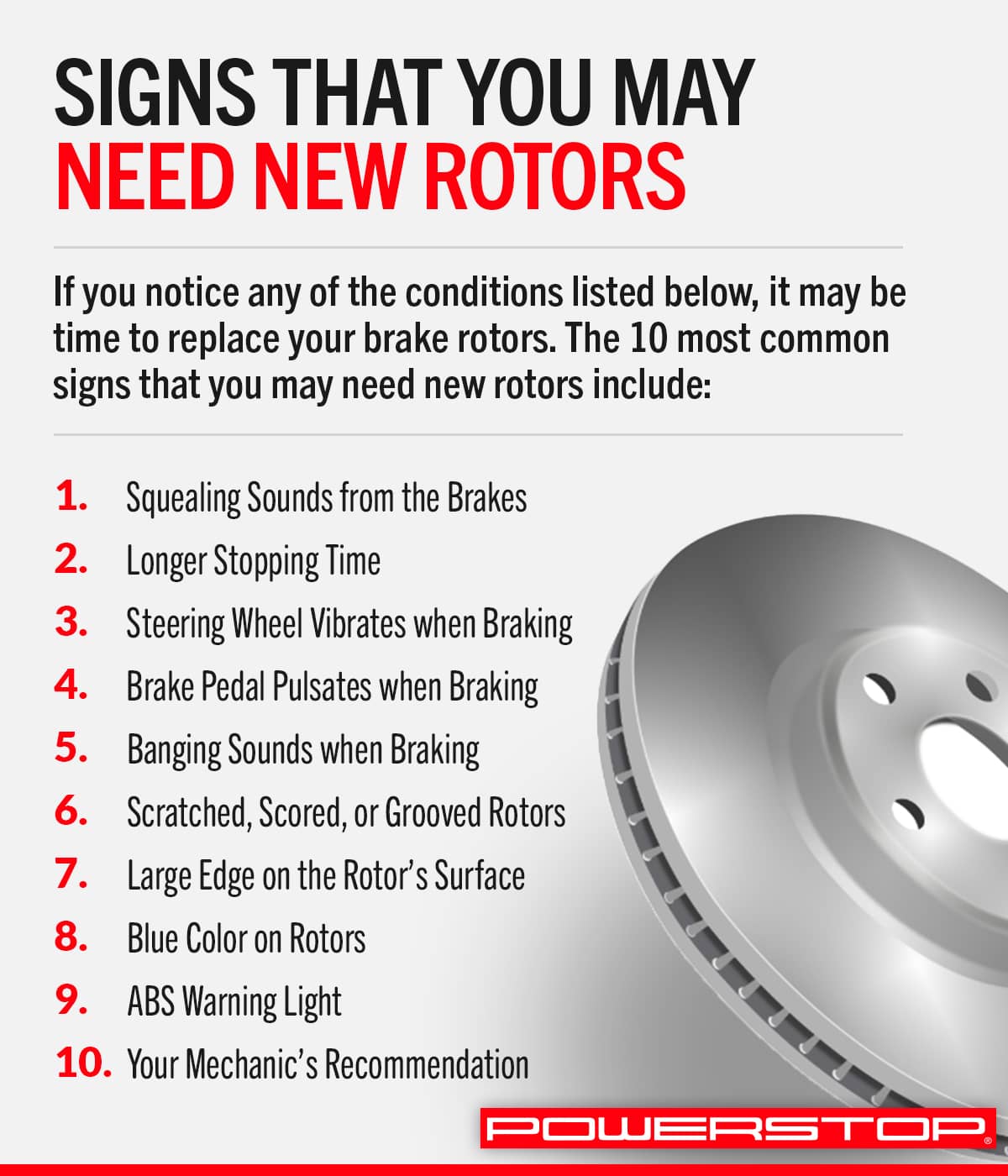
Rotors wear out over time due to heat and friction. Knowing the signs helps keep your brakes safe and effective.
Check your rotors regularly. Early signs of wear can prevent costly damage and unsafe driving conditions.
Vibrations When Braking
Feel shaking in the brake pedal or steering wheel during braking? This usually means the rotors are uneven. Warped rotors cause vibrations. They reduce braking performance and comfort. Address this issue quickly to avoid further damage.
Visible Grooves And Scoring
Inspect your rotors for deep grooves or scratches. These marks appear when brake pads wear down or dirt gets trapped. Grooves reduce brake efficiency and cause noise. Smooth rotors ensure better contact with pads and safer stops.
Rotor Thickness Measurement
Rotors must be thick enough to work properly. Use a micrometer to measure thickness. Manufacturers list minimum thickness levels. Thin rotors overheat and crack easily. Replace rotors that are below the minimum thickness to stay safe.
Factors Affecting Replacement Frequency
Knowing how often to replace rotors and brake pads depends on several factors. These factors affect how fast these parts wear out. Understanding them helps keep your brakes safe and working well.
Driving Habits And Conditions
Hard braking wears brake pads faster. Frequent stop-and-go traffic also speeds up wear. Driving on hilly roads causes more stress on brakes. Smooth, gentle braking helps parts last longer.
Vehicle Type And Usage
Heavy trucks and SUVs use brakes harder than small cars. Carrying heavy loads adds pressure on brake parts. Sports cars with powerful engines need stronger brakes. Regular commuting causes less wear than towing or off-roading.
Quality Of Brake Components
High-quality brake pads last longer and perform better. Cheaper parts may wear out quickly and cause noise. Good rotors resist warping and stay smooth longer. Choosing the right parts helps extend replacement time.
Credit: www.powerstop.com
Recommended Replacement Intervals
Knowing when to replace brake pads and rotors is key to safe driving. Following recommended intervals keeps your brakes working well and avoids costly repairs. These parts wear down over time and need timely replacement.
Brake Pads Lifespan
Brake pads usually last between 30,000 and 70,000 miles. The exact time varies by driving style and road conditions. Hard braking shortens their life. Pads wear thinner with use and must be changed before they become too thin. Most pads have a wear indicator that makes noise when it’s time to replace them.
Rotor Replacement Guidelines
Rotors last longer than brake pads but also wear out. They often need replacement every 50,000 to 70,000 miles. Rotors can warp or crack from heat and stress. Signs of bad rotors include vibration or noise during braking. Measuring rotor thickness helps decide if replacement is needed. Thin or damaged rotors reduce braking power and safety.
When To Replace Both Together
Replacing pads and rotors at the same time ensures smooth braking. Changing only pads can cause uneven wear on old rotors. Most mechanics suggest replacing both if rotors show deep grooves or warping. This approach saves money by preventing extra repairs later. It also improves brake performance and safety.
Inspection And Maintenance Tips
Proper inspection and maintenance keep your brake system safe and efficient. Checking parts often helps spot problems early. It can extend the life of rotors and brake pads. Simple care routines prevent costly repairs and ensure smooth braking.
Regular Brake System Checks
Check your brakes every 10,000 miles or twice a year. Look for worn brake pads, damaged rotors, and leaks. Listen for unusual noises like squealing or grinding. Test brake response and pedal feel for any changes. Early detection stops small issues from growing.
Diy Vs Professional Inspections
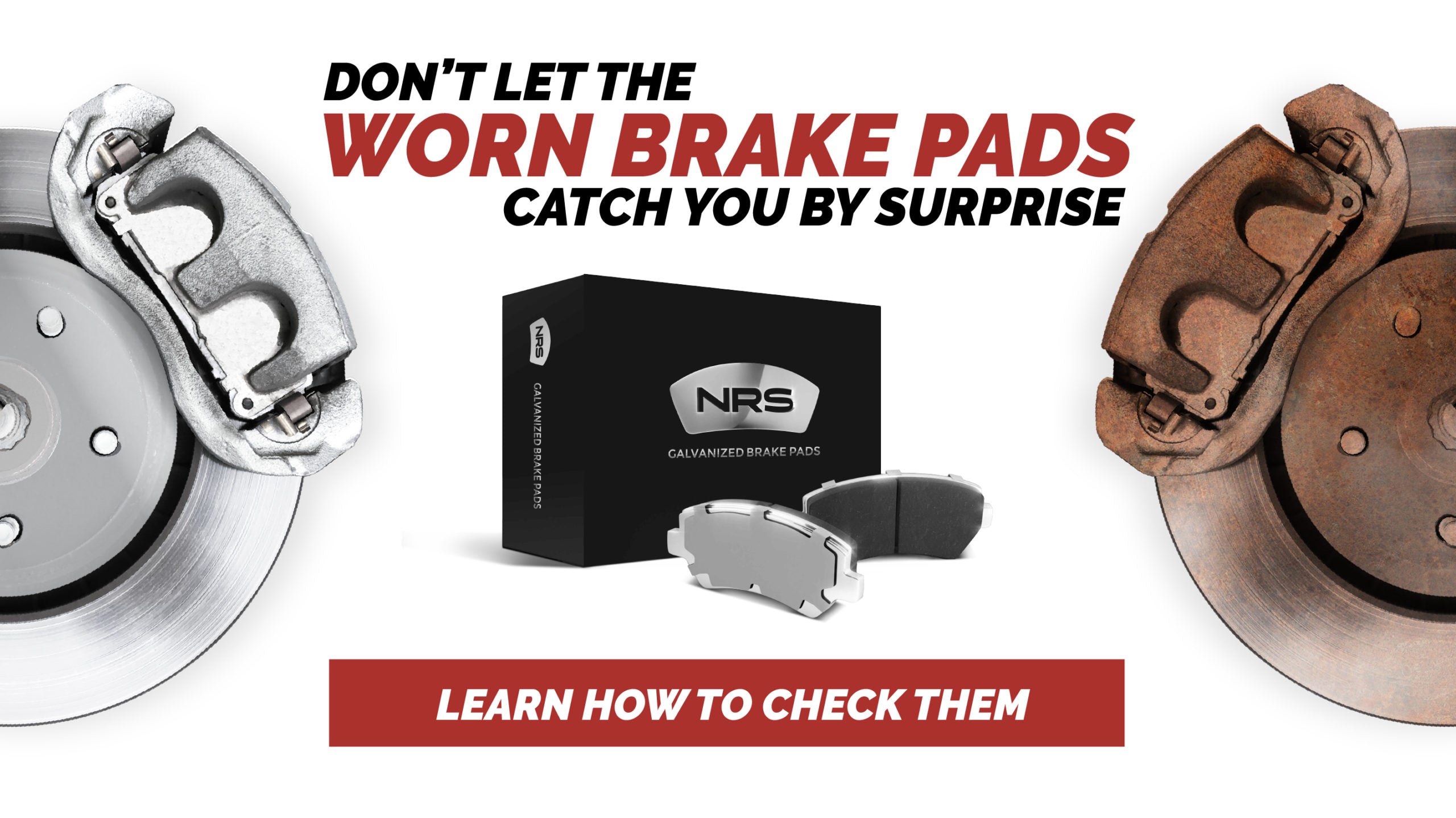
Simple checks can be done at home with basic tools. Use a flashlight to inspect pads and rotors. Clean dust and dirt away carefully. For deeper problems, seek a professional mechanic. Experts spot hidden damage and measure rotor thickness accurately. Combine both methods for best results.
Cleaning And Lubricating Components
Keep brake parts clean to avoid buildup of dirt and rust. Use brake cleaner spray for rotors and pads. Avoid oil or grease on braking surfaces. Lubricate caliper pins and slides with special brake grease. This helps parts move smoothly and reduces noise. Regular cleaning improves brake performance.
Credit: nrsbrakes.com
Cost Implications Of Replacement
Replacing brake rotors and pads involves costs that car owners must consider. Knowing these expenses helps plan maintenance budgets. Timely replacement can save money by avoiding bigger repairs later. Understanding the price range for brake pads and rotors is important. It also helps to see how early replacement leads to long-term savings.
Brake Pads Price Range
Brake pads usually cost between $30 and $80 per set. The price depends on the material and vehicle type. Ceramic pads tend to be more expensive but last longer. Organic brake pads are cheaper but wear out faster. Labor charges for installation add to the total cost. Choosing quality pads can reduce replacement frequency.
Rotor Replacement Costs
Rotors cost more than brake pads, typically $40 to $150 each. High-performance or large vehicle rotors cost even more. Some rotors can be resurfaced, which lowers expenses. But if rotors are too worn, full replacement is necessary. Labor fees also increase the overall price. Regular inspection helps catch rotor issues early.
Long-term Savings With Timely Replacement
Replacing pads and rotors on time prevents damage to other parts. Worn brake parts cause uneven wear and more expensive repairs. Timely replacement ensures better braking performance and safety. It also extends the life of tires and suspension components. Avoiding emergency repairs saves both time and money. Regular maintenance is a smart choice for budget control.
Upgrading Brake Components
Upgrading brake components can improve your vehicle’s safety and driving comfort. New brake pads and rotors offer better stopping power and reduce noise. Upgrades can also extend the life of your brake system.
Performance Brake Pads And Rotors
Performance brake pads provide stronger grip and better heat resistance. They help stop your car faster and with more control. Performance rotors often have special designs to improve cooling. This reduces brake fade during hard stops.
Benefits Of High-quality Materials
High-quality brake parts last longer and wear evenly. They reduce dust and noise while driving. These materials resist heat and corrosion better. This keeps your brakes working well under tough conditions.
Choosing The Right Upgrades
Pick brake parts that match your driving style and vehicle type. Consider daily driving, towing, or sporty use. Consult your mechanic for advice on suitable options. Proper upgrades ensure safety and improve brake performance.

Credit: vatire.com
Frequently Asked Questions
How Often Should Brake Pads Be Replaced?
Brake pads usually need replacement every 30,000 to 70,000 miles. Driving style and conditions affect this range. Regular inspections help detect wear early and ensure safety.
When Do Rotors Need Replacement?
Rotors should be replaced if they are warped, cracked, or below minimum thickness. Typically, rotors last 50,000 to 70,000 miles, depending on driving habits.
Can I Replace Brake Pads Without Changing Rotors?
Yes, you can replace brake pads without changing rotors if rotors are in good condition. However, resurfacing rotors is recommended for smooth braking performance.
What Are Signs That Rotors Need Replacing?
Signs include vibrations, squealing noises, and uneven brake wear. If braking feels less responsive or you hear grinding sounds, inspect rotors promptly.
Conclusion
Regular checks keep your brakes working well and safe. Replace brake pads every 30,000 to 70,000 miles. Rotors last longer but need replacement if worn or damaged. Listen for noises or feel vibrations when braking. These signs show it’s time for new parts.
Proper brake care helps avoid accidents and costly repairs. Stay alert and maintain your car for smooth, safe rides. Simple steps keep your brakes in top shape. Don’t wait until problems grow. Act early to protect yourself and others.


