

Have you ever wondered how long your car’s brakes and rotors are supposed to last? Knowing this can save you from unexpected repairs and keep you safe on the road.
If you wait too long, worn brakes and rotors can lead to costly damage or even dangerous driving conditions. You’ll discover the real lifespan of these crucial parts, what signs to watch for, and how to get the most out of them.
Keep reading to protect your car and your wallet!
Brake Lifespan Basics
Brakes and rotors are key to your car’s safety. Knowing their lifespan helps you stay safe and avoid costly repairs. Brake parts wear down over time. How long they last depends on many things.
Understanding brake lifespan basics helps you plan maintenance. It also helps you spot problems early. Read on to learn what affects brake wear and how long brake pads and rotors usually last.
Factors Affecting Brake Wear
Driving style impacts brake wear a lot. Hard braking wears pads faster. City driving with frequent stops also wears brakes quickly. Highway driving is easier on brakes.
The quality of brake parts matters too. Cheap pads wear faster than good ones. Road conditions and weather affect brake life as well. Wet or dusty roads cause more wear.
Typical Brake Pad Duration
Brake pads usually last between 30,000 and 70,000 miles. Some last longer with gentle driving. Heavy traffic or rough roads can shorten their life. Always check pads at regular service visits.
Listen for squeaking or grinding sounds. These often mean pads need replacement. Don’t wait too long to change worn pads. Bad pads can damage rotors and increase repair costs.
Rotor Longevity Insights
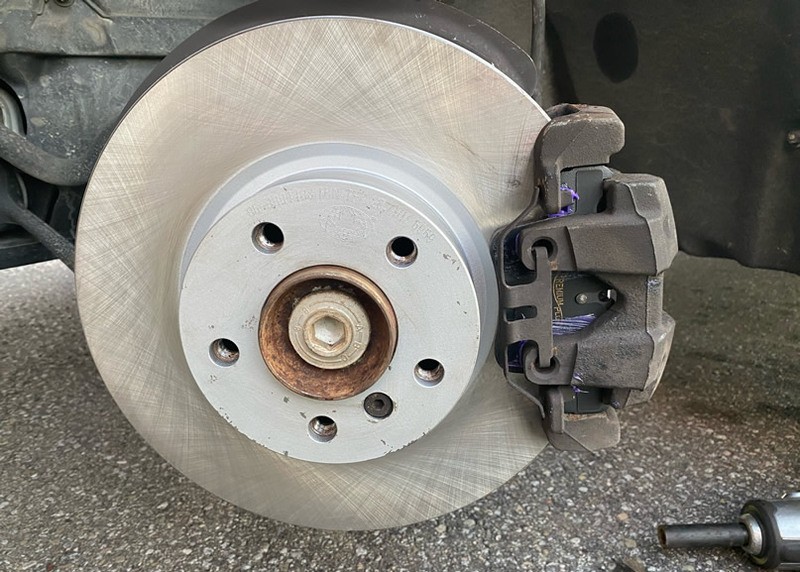
Rotors last longer than brake pads but still wear out. Most rotors last about 50,000 to 70,000 miles. Rotors wear unevenly if pads are worn or if driving is harsh.
Signs of bad rotors include vibration or pulsing when braking. Rotors can sometimes be resurfaced. If too thin or damaged, they must be replaced for safety.
Credit: www.allrotors.com
Signs Of Brake And Rotor Wear
Knowing the signs of brake and rotor wear helps keep your car safe. Brakes and rotors wear out over time. Detecting early signs can prevent accidents and costly repairs. Watch for changes in how your car stops and sounds it makes.
Common Brake Pad Symptoms
Squealing or screeching noises often mean worn brake pads. A grinding sound shows pads are very thin or gone. Brake pedals that feel soft or spongy need checking. Your car may take longer to stop than before. Vibrations during braking can also signal pad problems.
Rotor Damage Indicators
Rotors with grooves or scoring cause rough stops. You might feel shaking or pulsing in the brake pedal. Blue or dark spots on rotors show overheating. Warped rotors create noise and vibration. Thin rotors reduce braking power and need replacement.
When To Inspect Brakes
Check brakes if you hear strange noises or feel vibrations. Routine inspection every 12,000 miles helps catch wear early. Before long trips, have brakes looked at for safety. Sudden changes in braking need immediate attention. Regular checks extend brake and rotor life.
Driving Habits And Brake Life
Driving habits play a big role in how long brakes and rotors last on a car. Different ways of driving cause different wear on these parts. Understanding this can help you take better care of your vehicle. It also helps you know when it is time to check or replace your brakes and rotors.
Impact Of City Vs Highway Driving
City driving usually means more stops and starts. This causes brakes to work harder and wear out faster. Traffic lights and stop signs make you brake often. On the highway, driving is smoother with fewer stops. Brakes do not wear as fast because you use them less. This difference affects how long your brakes and rotors last.
Effect Of Heavy Loads
Carrying heavy loads puts extra pressure on brakes and rotors. The added weight needs more force to stop the vehicle. This makes the brake pads wear out quicker. Rotors also heat up more and can get damaged. Avoid overloading your car to protect your brake system. Regular checks become more important with heavy loads.
Role Of Driving Style
Driving style influences brake wear a lot. Hard braking and fast stops cause more damage. Gentle braking helps pads and rotors last longer. Smooth driving reduces heat and stress on brake parts. Keeping a safe distance from other cars allows gradual stopping. This simple change can extend brake life significantly.
Brake Maintenance Tips
Brake maintenance is key to keeping your car safe and running well. Proper care helps brakes last longer and work better. Simple steps can prevent costly repairs and dangerous situations.
Regular checks and timely replacements keep your brake system in good shape. Use quality parts for the best results. Small efforts in brake care go a long way.
Routine Brake Inspections
Check your brakes every 6 months or 6,000 miles. Look for worn pads, damaged rotors, and brake fluid leaks. Listen for unusual noises like squealing or grinding. These signs mean it’s time for a brake check.
Brake inspections catch problems early. Early fixes save money and avoid accidents. A quick look can protect you and your passengers.
Replacing Pads And Rotors
Brake pads wear down faster than rotors. Replace pads every 25,000 to 50,000 miles. Rotors usually last 50,000 to 70,000 miles but check for grooves or warping.
Replace rotors if they are thin or damaged. Worn pads and rotors reduce braking power. New parts restore safe stopping distance and smooth braking.
Choosing Quality Brake Parts
Use brake parts from trusted brands. Cheap parts wear out quickly and can fail. Quality pads and rotors last longer and perform better.
High-quality parts handle heat and pressure well. They improve safety and comfort. Investing in good parts protects your car and your life.
Cost Considerations
Cost plays a big role in deciding when to replace brakes and rotors. Understanding the costs helps you plan your car maintenance budget. It also shows the benefits of timely repairs.
Brake Pad Replacement Costs
Brake pads wear down with use. Replacing them usually costs between $100 and $300. The price depends on your car model and the type of pads. Cheaper pads last less but cost less upfront. Premium pads last longer but cost more.
Rotor Replacement Expenses
Rotors are thicker and cost more to replace. They can cost between $200 and $400 each. Some cars need both rotors replaced at the same time. Resurfacing rotors costs less but only works if the damage is minor.
Long-term Maintenance Savings
Replacing brake parts early can save money over time. Worn pads can damage rotors, increasing repair costs. Regular checks help avoid big repairs. Good maintenance keeps your car safe and saves money.
Credit: repairpal.com
Improving Brake And Rotor Lifespan
Brakes and rotors are key parts of your car’s safety. Keeping them in good shape helps you stop smoothly and avoid costly repairs. Small habits can make a big difference in how long these parts last. Simple actions protect your brakes and save money in the long run.
Below are easy steps to improve the lifespan of your brakes and rotors.
Safe Driving Practices
Drive gently and avoid hard braking. Sudden stops wear out brakes faster. Maintain a safe distance from other cars. This gives you more time to slow down. Use engine braking when possible. It reduces stress on the brake pads and rotors. Smooth driving keeps your brakes cooler and lasts longer.
Regular System Cleaning
Dirt and dust build up on brake parts. This causes faster wear and noise. Clean brakes and rotors regularly. Use a soft brush or air blower. Avoid water or harsh chemicals on brake parts. Keeping them clean helps parts work better and last longer.
Timely Repairs
Check brakes often for signs of wear. Listen for squealing or grinding sounds. Replace worn brake pads quickly. Worn pads damage rotors and increase repair costs. Fix problems early to avoid more damage. Regular check-ups keep your brake system safe and efficient.

Credit: www.suburbanchev.com
Frequently Asked Questions
How Long Do Car Brakes Usually Last?
Car brakes typically last between 30,000 and 70,000 miles. This varies based on driving habits, vehicle type, and brake quality. Regular inspections can help ensure brakes are replaced before wear affects safety.
When Should Rotors Be Replaced On A Car?
Rotors generally need replacement every 50,000 to 70,000 miles. Signs include vibrations, squealing, or visible grooves. Proper maintenance and driving style greatly influence rotor lifespan.
Can Worn Brakes Damage Rotors?
Yes, worn brake pads can cause rotor damage. Metal-on-metal contact leads to grooves and warping. Timely brake pad replacement protects rotors and ensures safe braking.
What Factors Affect Brake And Rotor Lifespan?
Driving habits, terrain, brake quality, and maintenance frequency impact lifespan. Aggressive braking or mountainous driving wears components faster. Routine checks and gentle braking extend brake and rotor life.
Conclusion
Brake and rotor life varies with driving habits and conditions. Regular checks help spot wear early. Replacing parts on time keeps your car safe. Clean, smooth braking feels better and lasts longer. Don’t wait for noise or vibration to act.
Proper care saves money and prevents accidents. Stay alert to your car’s signals daily. A safe ride depends on good brakes and rotors.


