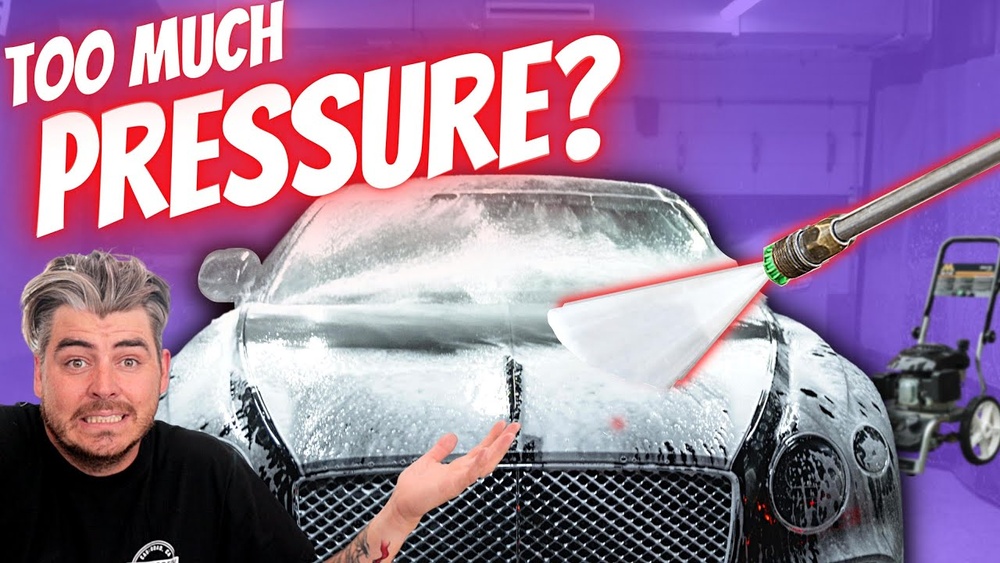
You want your car to look its best without spending hours scrubbing or risking damage. Pressure washing can be a game-changer, making your car shine quickly and easily.
But if you don’t do it the right way, you could end up causing scratches or stripping the paint. Imagine having a sparkling clean car that turns heads wherever you go—without the hassle or fear of mistakes. In this guide, you’ll learn exactly how to pressure wash your car safely and effectively.
Keep reading to discover simple steps that will save you time, protect your vehicle, and give you that showroom shine you deserve.
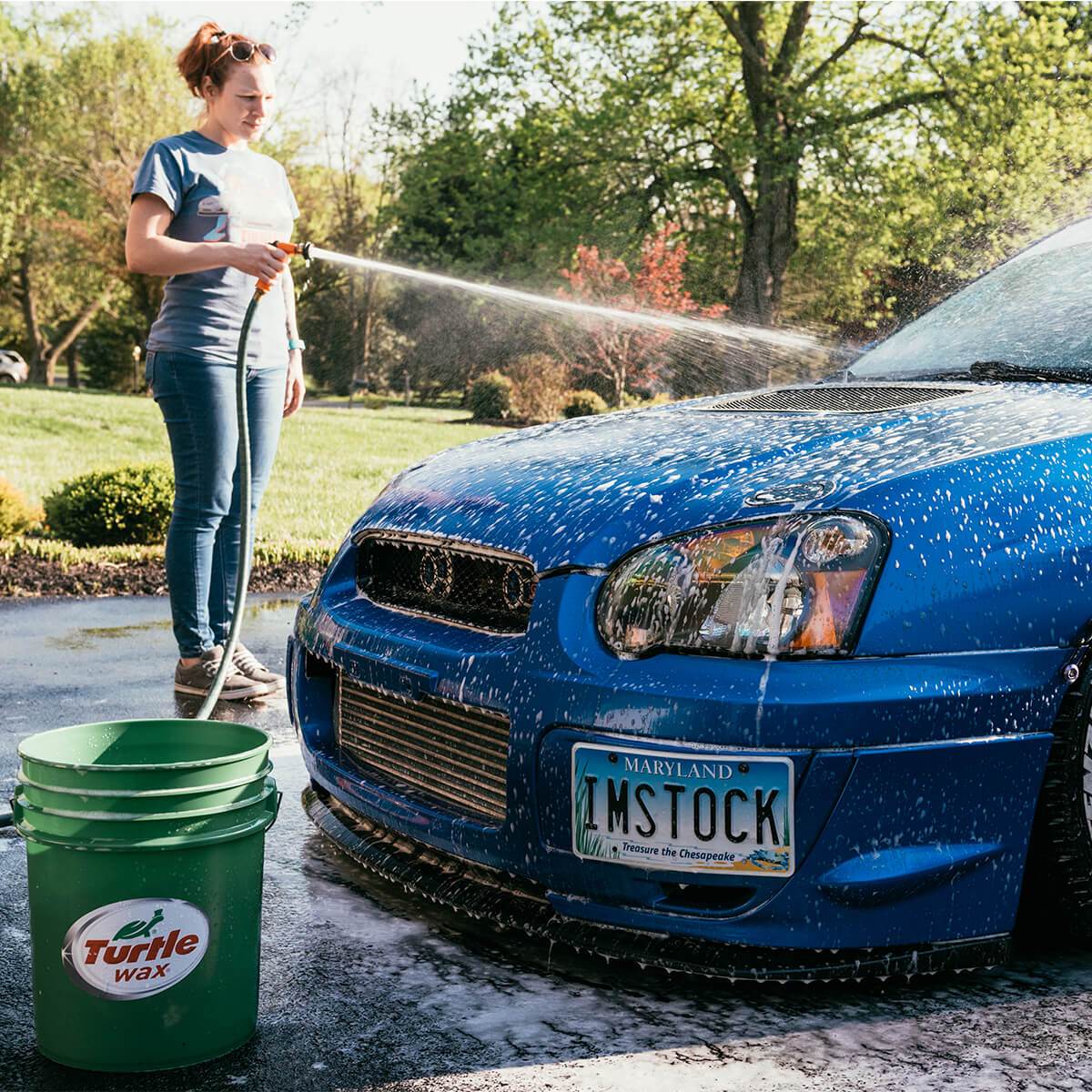
Credit: www.turtlewax.com
Preparing Your Car
Preparing your car before pressure washing is important. It helps protect the paint and makes cleaning easier. Taking a few simple steps sets you up for a safe and effective wash.
Spend time getting ready. This preparation saves time and prevents damage to your vehicle.
Choose The Right Location
Pick a flat area with good drainage. Avoid places where water pools or flows into storm drains. A shaded spot helps prevent soap and water from drying too fast. This keeps your car clean and streak-free.
Gather Necessary Supplies
Collect all needed tools before starting. You will need a pressure washer, car soap, a soft brush, and microfiber towels. Have a bucket and hose ready. This keeps the process smooth and quick.
Inspect Your Vehicle
Check your car for any damage or loose parts. Look for chips, cracks, or peeling paint. Remove or secure loose items like antennas or trim. This prevents further damage during washing.
Selecting Pressure Washer Settings
Selecting the right pressure washer settings is key to cleaning your car safely and effectively. The wrong settings can damage your paint or leave dirt behind. Understanding how to adjust pressure, choose nozzles, and manage water temperature helps you get the best result.
Adjusting Pressure Levels
Start with a low pressure setting to protect your car’s paint. Too much pressure can chip or scratch the surface. Increase pressure slowly if needed, but stay below 1200 PSI for most cars. Always test on a small area first.
Picking Suitable Nozzles
Nozzles control the spray pattern and force of water. Use a wide-angle nozzle, like 25 or 40 degrees, for gentle cleaning. Avoid narrow nozzles with high pressure, such as 0 or 15 degrees. These can damage paint and trim.
Water Temperature Tips
Cold water works well for regular car washing. Warm water helps remove grease and stubborn dirt. Avoid hot water as it can harm the paint and seals. Keep water temperature below 100°F for safe washing.
Step-by-step Washing Process
Washing your car with a pressure washer saves time and effort. Follow this simple step-by-step process for the best results. It helps protect your car’s paint and removes dirt effectively. Each step is important and easy to follow. Let’s begin.
Pre-rinse The Car
Start by rinsing your car with clean water. Use the pressure washer on a low setting. This removes loose dirt and dust. It prepares the surface for soap. Keep the nozzle about 12 inches from the car. Avoid holding it too close to prevent damage.
Apply Soap Or Detergent
Next, apply a car-safe soap using the pressure washer’s foam cannon or sprayer. Cover the entire car evenly. Let the soap sit for 3 to 5 minutes. It loosens tough dirt but does not dry on the paint. Use a soap designed for cars to protect the finish.
Scrub Stubborn Spots
Use a soft sponge or microfiber cloth to scrub areas with heavy dirt or stains. Focus on wheels, bumpers, and lower panels. Avoid scrubbing too hard to protect the paint. The soap will help break down grime for easy cleaning.
Rinse Thoroughly
Rinse the car again with the pressure washer. Use a higher water pressure but stay at least 12 inches away. Remove all soap and dirt from the surface. Check for any missed spots and rinse them well. Dry the car with a clean microfiber towel to avoid water spots.
Safety Precautions
Pressure washing your car can make it look like new. It removes dirt and grime quickly. But safety is very important. Without the right care, you can harm your car or yourself. Follow these safety steps for a clean and safe wash.
Protecting Car Paint
High pressure can damage your car’s paint. Keep the nozzle far from the surface. Use a wide spray pattern. Avoid spraying one spot too long. Test on a small area first. Use the right detergent made for cars.
Avoiding Sensitive Areas
Some parts of your car are delicate. Avoid spraying near windows, mirrors, and lights. Do not spray directly into engine compartments. Stay clear of rubber seals and plastic trims. These areas can be damaged by strong water jets.
Personal Safety Measures
Wear safety glasses to protect your eyes. Use gloves to avoid skin irritation. Keep children and pets away from the washing area. Stand firmly to prevent slipping. Always turn off the pressure washer when not in use.
Post-wash Care
After pressure washing your car, proper care is key to keep it looking fresh. Post-wash care helps protect your paint and extends the clean look. Follow simple steps to dry, shine, and maintain your car effectively.
Drying Techniques
Start by using a soft microfiber towel to dry your car. Avoid air drying to stop water spots from forming. Gently pat the surface instead of rubbing hard. Use a leaf blower or air dryer for hard-to-reach places. Dry the windows, mirrors, and door handles carefully.
Waxing For Shine
Waxing adds a protective layer and enhances shine. Choose a quality car wax suitable for your car’s paint. Apply wax in small sections using a soft applicator pad. Let it dry to a haze, then buff with a clean microfiber cloth. Wax your car every few months to keep it glossy and safe from dirt.
Maintaining Cleanliness
Keep your car clean by rinsing off dirt regularly. Use a gentle car shampoo for quick washes between pressure washes. Avoid parking under trees to reduce sap and debris buildup. Cover your car or park in a garage to protect it from dust. Routine care saves time and keeps your car looking new longer.
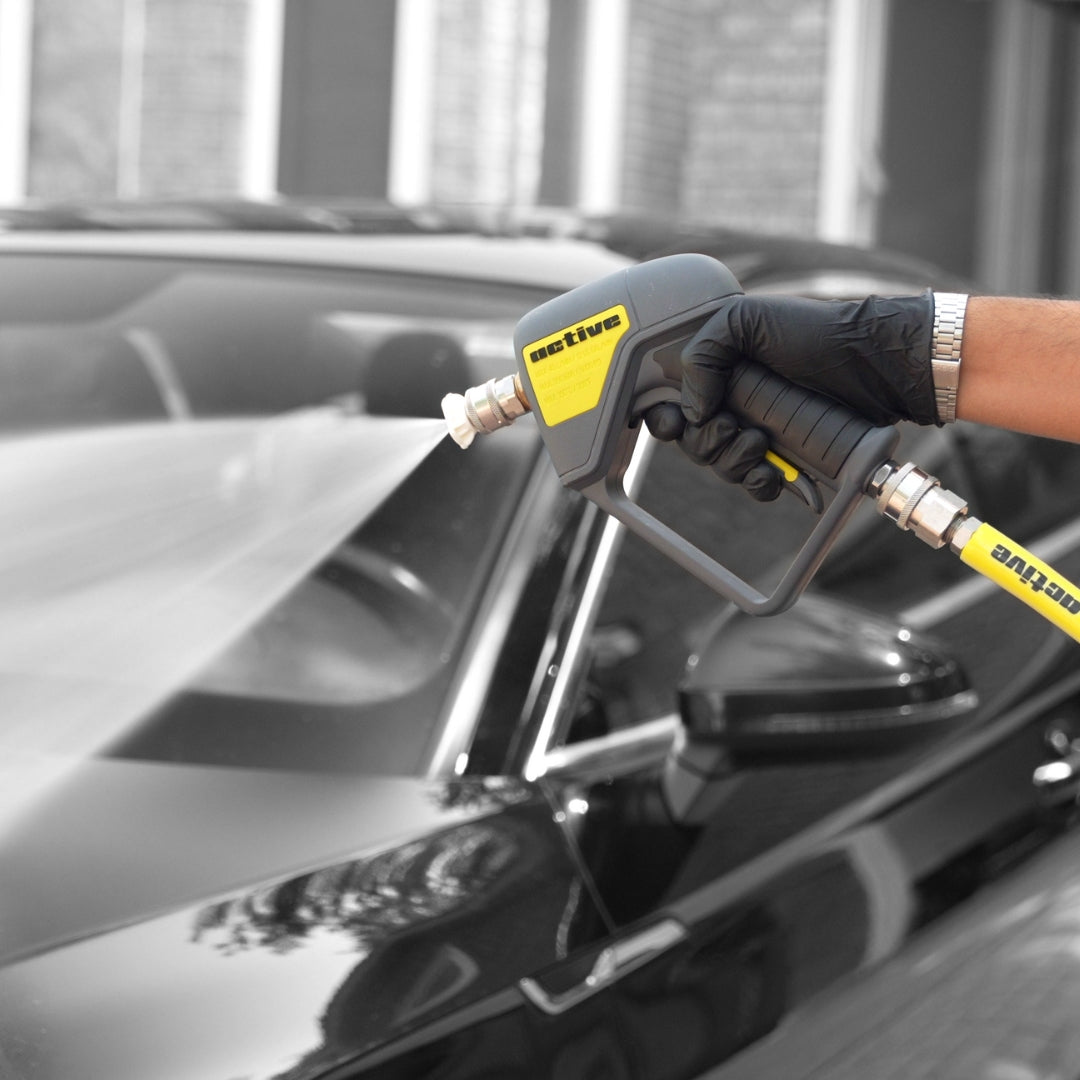
Credit: activeproducts.com
Common Mistakes To Avoid
Pressure washing your car can save time and effort. Yet, many people make mistakes that harm their vehicle. Avoid these errors to keep your car’s paint and parts safe. Here are common mistakes to avoid when pressure washing your car.
Using Excessive Pressure
Using too much pressure can damage your car’s paint. It may cause scratches or peel the paint off. Choose a pressure setting below 2000 PSI for most cars. Keep the nozzle at least 12 inches away from the surface. Test the pressure on a small hidden spot first.
Skipping Pre-wash Inspection
Always check your car before pressure washing. Look for cracks, chips, or loose parts. Water can enter through these areas and cause damage. Clean these spots gently by hand instead. Fix any broken parts to avoid worsening the damage.
Ignoring Manufacturer Guidelines
Car makers provide cleaning instructions for a reason. Follow their advice on pressure washing to prevent voiding warranties. Some cars need special care or specific pressure limits. Use recommended cleaning products and tools to protect your car’s finish.

Credit: stonercarcare.com
Frequently Asked Questions
How Often Should I Pressure Wash My Car?
Pressure wash your car every 2 to 4 weeks. Frequent washing prevents dirt buildup and protects the paint. Adjust frequency based on your local weather and driving conditions.
What Pressure Setting Is Safe For Car Washing?
Use a pressure setting between 1200 to 1900 PSI. This range effectively cleans without damaging your car’s paint or decals. Always test on a small area first.
Can I Use Any Detergent With A Pressure Washer?
No, use car-specific detergents only. These are formulated to clean safely without harming your car’s finish. Avoid harsh chemicals or household cleaners.
Should I Dry My Car After Pressure Washing?
Yes, always dry your car with a microfiber cloth. This prevents water spots and streaks. Drying also helps maintain a shiny, clean finish.
Conclusion
Pressure washing your car takes care and the right steps. Use the proper pressure to avoid damage. Choose the right nozzle and keep distance from the paint. Always start with a rinse and end with a gentle wash. Dry your car well to prevent water spots.
Regular washing keeps your car looking fresh and clean. Follow these tips to protect your car’s finish and shine. A clean car feels great and lasts longer. Keep it simple, be careful, and enjoy the results.