

You’ve just driven your new car off the lot, and it looks amazing. Keeping that shine is important, but how often should you wax a new car to maintain that fresh, showroom finish?
Waxing too little might leave your paint unprotected, while waxing too often could waste your time and money. You’ll discover the perfect waxing routine that keeps your car looking its best, protects the paint, and saves you effort. Keep reading to find out exactly how to care for your new car’s finish like a pro.
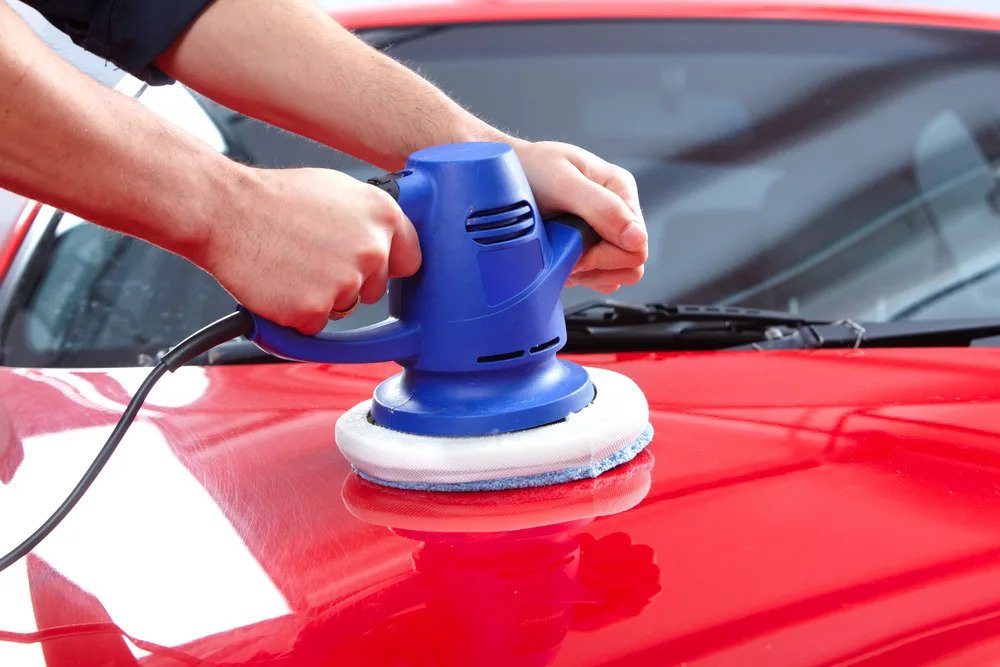
Credit: ethoscarcare.com
Benefits Of Waxing A New Car
Waxing a new car offers many important benefits. It helps keep your car looking fresh and protects its surface. Regular waxing also makes cleaning easier. Taking care of your car’s paint early on keeps it bright and smooth for years.
Enhancing Paint Protection
Wax forms a thin layer on the car’s paint. This layer guards against harmful UV rays. It also shields the paint from dust, dirt, and small scratches. Wax helps prevent fading and damage caused by weather. This keeps your car’s color strong and vibrant.
Boosting Shine And Gloss
Wax adds a shiny finish to your car’s surface. It smooths out tiny bumps and rough spots. This reflection makes the paint look deep and glossy. A freshly waxed car stands out with a clean, polished look. Shine lasts longer with regular waxing.
Repelling Dirt And Water
Wax creates a water-resistant barrier on the paint. Water beads up and rolls off easily. This stops dirt and grime from sticking to the surface. Cleaning becomes faster and less frequent. Wax keeps your car cleaner between washes.
Factors Affecting Waxing Frequency
Waxing a new car is not a one-size-fits-all task. Several factors affect how often you should wax it. Understanding these helps protect your car’s paint better and keep it shiny longer.
Climate And Weather Conditions
Weather plays a big role in waxing frequency. Hot sun can wear down wax quickly. Rain and snow can wash it away. Areas with salty air or pollution need more frequent waxing. Cars in mild climates may need less wax. Adjust waxing based on your local weather.
Driving Habits And Environment
How and where you drive affects wax durability. Frequent highway driving exposes cars to dirt and debris. City driving may expose cars to pollution and bird droppings. Parking under trees can cause sap to damage paint. Clean and wax your car more often if driving conditions are tough.
Type Of Wax Used
Different waxes last different lengths of time. Synthetic waxes usually last longer than natural waxes. Paste waxes often protect better but take more time to apply. Spray waxes are quick but may need frequent reapplication. Choose wax based on your time and protection needs.
Recommended Waxing Schedule
Keeping a new car shiny and protected needs a clear waxing plan. Waxing adds a layer that guards the paint from dirt, sun, and water. A good schedule helps maintain the car’s fresh look longer. Follow this guide for the best waxing times.
Initial Waxing After Purchase
Wax a new car soon after buying it. Wait about 30 days if the paint is fresh from the factory. This lets the paint cure fully. After that, the first wax seals and protects the surface. Use a high-quality wax for best results.
Monthly Waxing Routine
Wax your car once every month to keep the shine bright. This helps remove light dirt and adds protection. Regular waxing stops damage from rain and dust. Use soft cloths and gentle waxes for safe care.
Seasonal Adjustments
Change your waxing routine with the seasons. In summer, wax more often to protect from strong sun. In winter, focus on removing salt and grime before waxing. Adjusting helps your car stay clean and safe year-round.

Credit: lambencydetailing.com
Signs Your Car Needs Waxing
Knowing when to wax your new car is key to keeping its shine. Wax protects the paint and keeps the car looking fresh. Watch for clear signs that your car needs waxing again. These signs help you decide the right time to act.
Dull Or Faded Paint
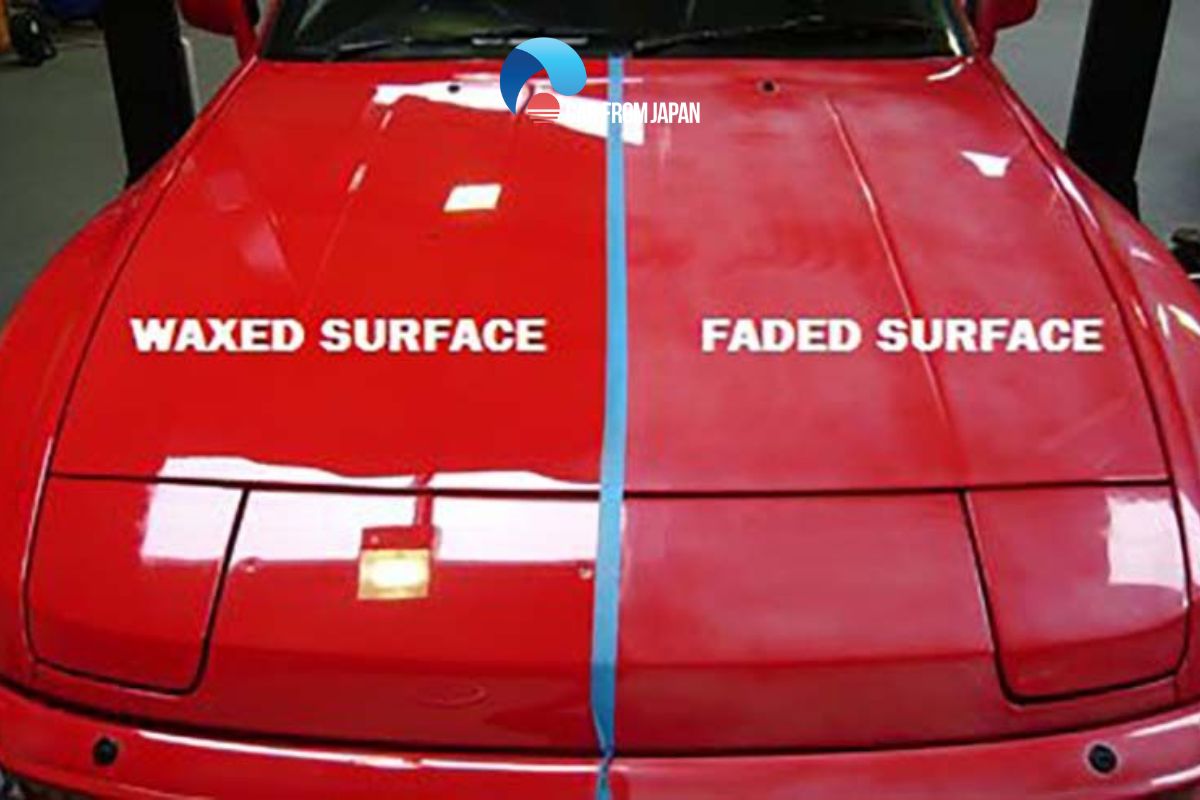
When the paint looks dull or faded, it means the wax layer is wearing off. The car loses its bright shine and looks old. Wax adds a glossy finish. Without it, the paint can dry out and lose color. This is a strong sign to wax your car soon.
Water Beading Reduction
Wax causes water to bead and roll off the car’s surface. If water stops beading and spreads out flat, the wax is gone. This means the protective layer is missing. Wax helps protect from rain and dirt. Notice water behavior after a wash to check wax status.
Surface Contamination
Dirt, dust, and bugs stick more when wax wears off. The car surface feels rough or sticky to touch. Wax creates a smooth barrier that repels grime. Without it, the paint can get damaged easily. Surface contamination shows that the car needs waxing soon.
Choosing The Right Wax For New Cars
Choosing the right wax for a new car is important to keep its paint looking fresh. Wax protects the paint from dirt, sun, and water. It also adds a shiny finish that makes the car stand out. Different waxes work better on different cars. Knowing the types of wax and how they fit your car helps you pick the best one.
New car paint needs gentle care. The wrong wax can leave marks or not protect well. The wax type depends on your car’s paint and how you want to apply it. Some waxes last longer, while others are easier to use. This guide will help you decide.
Natural Vs Synthetic Waxes
Natural wax comes from plants, mostly carnauba wax. It gives a deep, warm shine. It is soft and easy to spread. Natural wax usually wears off faster. It needs reapplying often to keep the shine and protection.
Synthetic wax is made in labs. It lasts longer and protects better against water and dirt. Synthetic wax can look shiny but sometimes less warm than natural wax. It is harder and stays on the paint for weeks or months.
Liquid, Paste, Or Spray Options
Liquid wax is easy to use and spreads quickly. It dries fast and gives good shine. Paste wax is thicker and takes more time to apply. It often gives a deeper shine but needs more effort. Spray wax is the fastest. It works well for quick touch-ups and adds a light shine. Spray wax does not last as long as liquid or paste.
Considerations For Paint Type
New cars have different paint finishes. Some have clear coats, others have matte paint. Clear coats benefit from both natural and synthetic waxes. Matte paint needs special wax made for its texture. Using the wrong wax on matte paint can cause shine and damage. Always check your car’s paint type before choosing wax.
Cars with dark paint show scratches more easily. Synthetic wax often helps hide small marks better. Light-colored cars do well with natural wax for a warm glow. Match the wax to your paint type for best results.
Waxing Techniques For Best Results
Waxing your new car protects its paint and keeps it shiny. Using the right techniques helps the wax last longer. Careful steps during waxing make a clear, smooth finish. Follow these simple tips to get the best results.
Preparation And Cleaning
Start by washing the car thoroughly. Remove dirt, dust, and grease completely. Use a gentle car shampoo and soft sponge. Dry the car with a clean microfiber cloth. Work in shade to stop wax from drying too fast. Clean surface makes wax stick better.
Application Tips
Apply wax in small sections at a time. Use a foam or microfiber applicator pad. Spread wax evenly with thin, circular motions. Avoid thick layers that take long to dry. Let the wax dry until it looks hazy. Follow the instructions on your wax product.
Buffing And Finishing
Use a clean, soft microfiber cloth for buffing. Rub gently in circular or back-and-forth motions. Remove all wax residue for a smooth shine. Check for missed spots and re-buff if needed. Proper buffing gives a deep, glossy finish.
Common Waxing Mistakes To Avoid
Waxing a new car keeps it shiny and protects the paint. Many car owners make simple mistakes that reduce wax effectiveness. Avoid these common errors to keep your car looking its best for longer.
Over-waxing
Applying wax too often can harm the paint. Wax builds up in layers, causing uneven surfaces. This buildup can make the car look dull and rough. Wax every two to three months for best results.
Waxing In Direct Sunlight
Wax dries too fast under the sun. This makes it hard to spread and buff. The heat can also leave streaks and spots. Choose a shady spot or a cool day to wax your car.
Ignoring Surface Imperfections
Waxing over dirt or scratches traps grime on the paint. This damages the surface and hides flaws. Clean and fix imperfections before waxing. It helps the wax stick better and last longer.
Credit: carfromjapan.com
Maintaining Wax Between Applications
Maintaining the wax on your new car keeps its shine fresh and protects the paint longer. Wax does not last forever. Dirt, rain, and sun wear it down daily. Simple care between wax applications helps the wax stay strong. This care improves the car’s look and guards the paint.
Using Quick Detailers
Quick detailers help clean the car without removing wax. They remove dust and light dirt gently. Spray a small amount on the surface. Wipe with a soft cloth. This keeps the wax layer intact and the paint shiny.
Regular Washing Practices
Wash your car often with gentle soap made for cars. Avoid harsh detergents that strip wax. Use a soft sponge or mitt. Rinse well to remove all soap. Dry with a clean towel to prevent water spots. Clean cars hold wax better.
Protecting Against Environmental Damage
Park your car in shade or a garage. Sun and rain break down wax faster. Use a car cover if no shelter is available. Avoid bird droppings and tree sap. Clean these off quickly to protect wax and paint. This care extends the life of your wax.
Frequently Asked Questions
How Often Should I Wax A Brand New Car?
Wax a new car every three months to protect the paint. Regular waxing enhances shine and shields the surface from contaminants, UV rays, and dirt.
Can Waxing A New Car Too Frequently Cause Damage?
Waxing too often can build up residue and dull the paint. Stick to waxing every 2-3 months for optimal protection without harming the finish.
What Are The Benefits Of Waxing A New Car Regularly?
Waxing protects paint from fading, oxidation, and scratches. It also makes cleaning easier and keeps the car looking glossy and new longer.
Is It Necessary To Wax A New Car Immediately?
Wait about 30-60 days before waxing a new car. This allows the factory paint to fully cure, ensuring the wax bonds properly.
Conclusion
Waxing a new car protects its paint and keeps it shiny. Aim to wax every three months for best results. This schedule helps shield your car from dirt and sun damage. Regular waxing also makes washing easier and keeps the surface smooth.
Remember, too much waxing can harm the paint. Keep it simple and consistent. Your car will look fresh and stay protected longer. A little care goes a long way.
