You want your car to look shiny and new for as long as possible. But how often should you wax your car to keep that fresh, glossy finish?
Waxing your car isn’t just about looks—it protects your paint from dirt, sun damage, and rain. If you wax too little, your car loses its shine and protection. Wax too often, and you might waste time and money. You’ll discover the perfect waxing schedule to keep your car looking great and lasting longer.
Keep reading to learn the simple steps to make your car shine like new every day.
Credit: www.peoriavw.com
Benefits Of Car Waxing
Waxing your car is more than just a way to keep it shiny. It offers many benefits that protect your vehicle and keep it looking new. Regular waxing helps maintain your car’s paint and surface. It acts as a shield against damage and dirt. Below are some key benefits of waxing your car.
Protection From Elements
Car wax forms a protective layer on the paint. It guards against rain, sun, and dust. This layer prevents harmful UV rays from fading the paint. Wax also stops water spots from forming on the surface. It reduces the risk of rust caused by moisture. Waxing keeps the car safe from harsh weather effects.
Enhancing Paint Shine
Wax adds a glossy finish to your car’s paint. It smooths out tiny scratches and rough spots. This makes the paint look fresh and bright. The shine makes your car stand out on the road. A well-waxed car looks clean and well cared for. The gloss also highlights the car’s color depth.
Preventing Surface Damage
Wax helps stop dirt and grime from sticking to the paint. It makes washing the car easier and safer. Dirt and debris can scratch the surface without wax. Waxing reduces the chance of swirl marks during cleaning. It also protects the paint from bird droppings and tree sap. This helps keep the car’s surface smooth and damage-free.
Credit: ethoscarcare.com
Factors Affecting Wax Frequency
Knowing how often to wax your car depends on several key factors. These factors affect the wax’s durability and how well it protects your car’s paint. Understanding them helps you keep your car looking shiny and new for longer.
Climate And Weather Conditions
Hot and sunny weather can wear down wax quickly. UV rays break down the wax and fade the paint. Rain and snow also affect wax. Water can wash away the wax layer. Cars in dry, mild climates may need waxing less often. Those in harsh climates need more frequent waxing.
Type Of Wax Used
Not all waxes last the same time. Natural carnauba wax gives a deep shine but wears off faster. Synthetic waxes last longer and offer better protection. Some waxes claim to last for months. Check the product details to know how long it lasts. Choose wax based on how often you want to reapply.
Car Usage And Storage
Cars driven daily face more dirt and grime. This wears down wax faster than cars used occasionally. Parking indoors protects wax from sun and rain. Outdoor parking exposes your car to elements. Garage-kept cars can go longer between waxings. Regular washing also helps preserve wax protection.
Recommended Waxing Intervals
Waxing your car protects its paint and keeps it shiny. Knowing how often to wax helps maintain this protection. Different factors affect how often you should wax your vehicle. The right schedule keeps your car looking fresh and guarded against damage.
Standard Waxing Schedule
Most cars benefit from waxing every three months. This routine fits average use and normal weather. Wax forms a protective layer that lasts about 12 weeks. Regular waxing prevents dirt buildup and fading paint.
Adjusting Frequency For Different Conditions
If you live in harsh climates, wax more often. Intense sun, rain, or snow can wear wax faster. Cars parked outside need waxing every six to eight weeks. Frequent washing and road salt also reduce wax life. Adjust your schedule to match local weather and driving habits.
Signs Your Car Needs Waxing
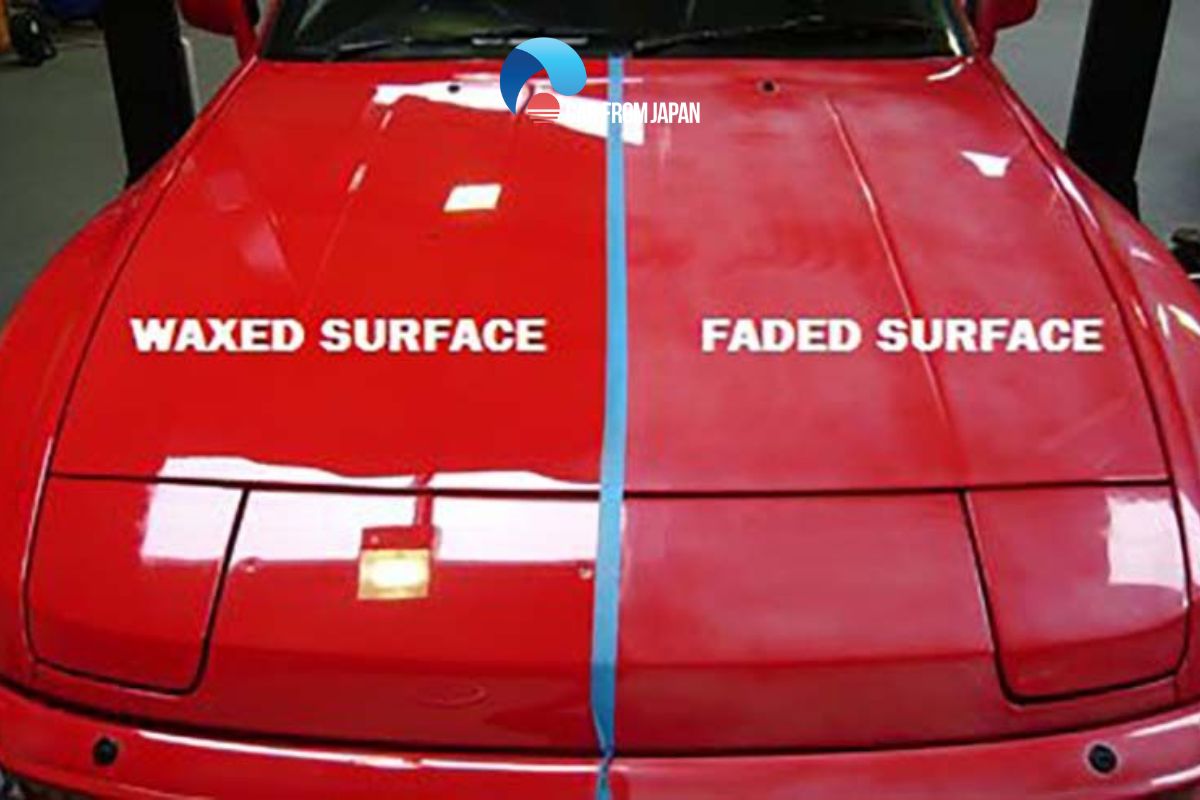
Look for dull or faded paint to spot wax loss. Water no longer beads on the surface. Dirt sticks more easily after washing. These signs mean the wax has worn off. Wax your car as soon as you notice these changes.
Types Of Car Wax
Choosing the right car wax helps protect your vehicle’s paint. Different wax types offer various benefits. Understanding these types makes waxing easier and more effective.
Each wax type suits different needs and preferences. Some focus on shine, others on protection or ease of use. Knowing the options helps keep your car looking great longer.
Natural Vs Synthetic Waxes
Natural waxes come from carnauba, a plant-based source. They create a deep, warm shine. These waxes protect paint but wear off faster.
Synthetic waxes are made in labs. They last longer and resist weather better. They may not give the same warm glow as natural waxes.
Paste, Liquid, And Spray Options
Paste wax is thick and solid. It lasts long and gives a strong shine. It needs more effort to apply and buff.
Liquid wax is easier to spread. It dries faster and works well on all paint types. It often combines natural and synthetic ingredients.
Spray wax is the fastest to use. It gives a light shine and good protection. It works best for quick touch-ups between full waxes.
Choosing The Right Wax For Your Car
Pick wax based on your car’s paint type and your schedule. Use natural wax for a classic glossy look. Choose synthetic for longer protection.
Consider paste wax if you want lasting shine. Liquid wax suits regular use without much effort. Spray wax fits quick, easy maintenance.
Always follow wax instructions carefully. Test on a small area first. This keeps your car’s paint safe and shiny.
Waxing Tips For Best Results
Waxing your car is a simple way to keep its shine and protect its paint. To get the best results, follow some easy tips. These tips help your wax last longer and make your car look great. Proper steps can save you time and effort in the future.
Focus on cleaning, applying wax the right way, and caring for your car between waxings. Each step matters for a smooth, shiny finish.
Preparing Your Car Surface
Clean your car thoroughly before waxing. Use soap made for cars, not household cleaners. Dirt and grime can cause scratches during waxing.
Dry the car fully. Water spots can ruin the wax finish. Work in the shade to avoid wax drying too fast.
Applying Wax Correctly
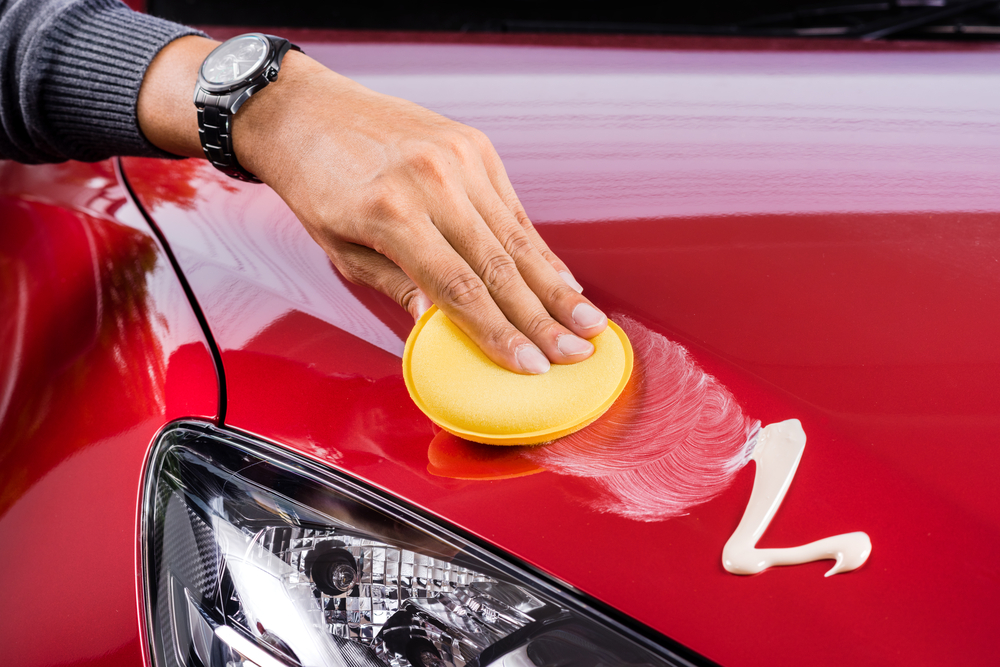
Use a soft cloth or foam applicator. Apply wax in small sections with circular motions. Thin layers work better than thick ones.
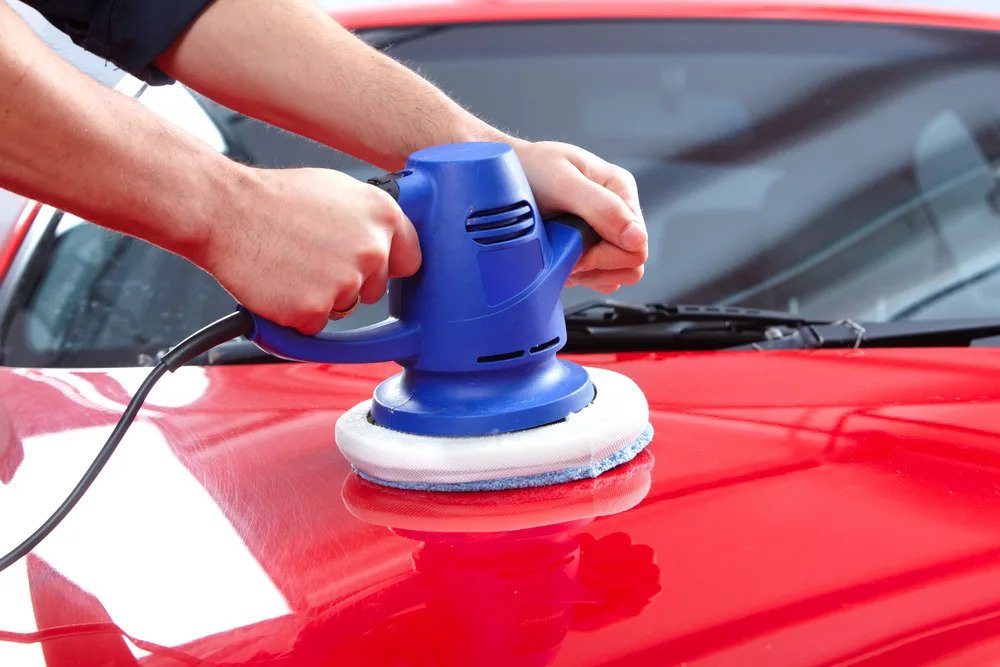
Let the wax dry until it looks hazy. Then, buff it off with a clean microfiber cloth. Buff gently for a smooth shine.
Maintenance Between Waxing
Wash your car regularly to remove dirt and dust. Use a quick detailer spray after washing to boost shine. Avoid harsh chemicals that strip wax.
Park in shaded or covered areas. Sun and rain reduce wax life. Keep your car clean for longer-lasting protection.
Common Mistakes To Avoid
Waxing your car helps protect its paint and keeps it shiny. Many people make mistakes that reduce wax effectiveness. Avoid these errors to get the best results and keep your car looking new longer.
Waxing Over Dirty Surfaces
Never apply wax on a dirty car. Dirt and dust can scratch the paint during waxing. Always wash and dry your car first. Clean surfaces help wax stick better. This step protects your paint and gives a smooth finish.
Using Too Much Or Too Little Wax
Applying too much wax wastes product and leaves residue. Too little wax does not protect well. Use a thin, even layer for best results. Follow the product instructions for the right amount. This saves wax and improves protection.
Ignoring Manufacturer Guidelines
Car and wax makers give important advice. Some waxes suit certain paint types better. Check your car’s manual for care tips. Read wax labels and follow instructions exactly. This prevents damage and ensures the wax works well.
Credit: carfromjapan.com
Frequently Asked Questions
How Often Should I Wax My Car For Best Protection?
Wax your car every three months for optimal protection. Regular waxing shields paint from UV rays, dirt, and moisture. It keeps your car looking shiny and new. Adjust frequency based on climate and usage for best results.
Can Waxing Too Often Harm My Car’s Paint?
Waxing too often generally doesn’t harm paint if done properly. Use quality wax and avoid abrasive products. Over-waxing may cause buildup, so clean the surface before each application. Follow recommended intervals to maintain paint health.
Does Weather Affect How Frequently I Should Wax?
Yes, harsh weather conditions like sun, rain, and snow can wear wax faster. In extreme climates, waxing every 6 to 8 weeks is advisable. Mild climates may only require quarterly waxing. Adjust based on exposure and environment.
Is Professional Waxing Better Than Diy Waxing?
Professional waxing offers expert application and longer-lasting results. They use high-quality products and tools for a flawless finish. DIY waxing is cost-effective and convenient but needs careful technique. Choose based on budget, time, and desired results.
Conclusion
Regular waxing keeps your car’s paint shiny and protected. Wax every three months or after harsh weather. This habit stops dirt and damage from building up. A clean, waxed car looks newer and lasts longer. Don’t wait until the paint fades or cracks.
Small efforts now save you money later. Make waxing part of your car care routine. Your vehicle will thank you with a bright, smooth finish. Simple steps bring lasting beauty and protection.