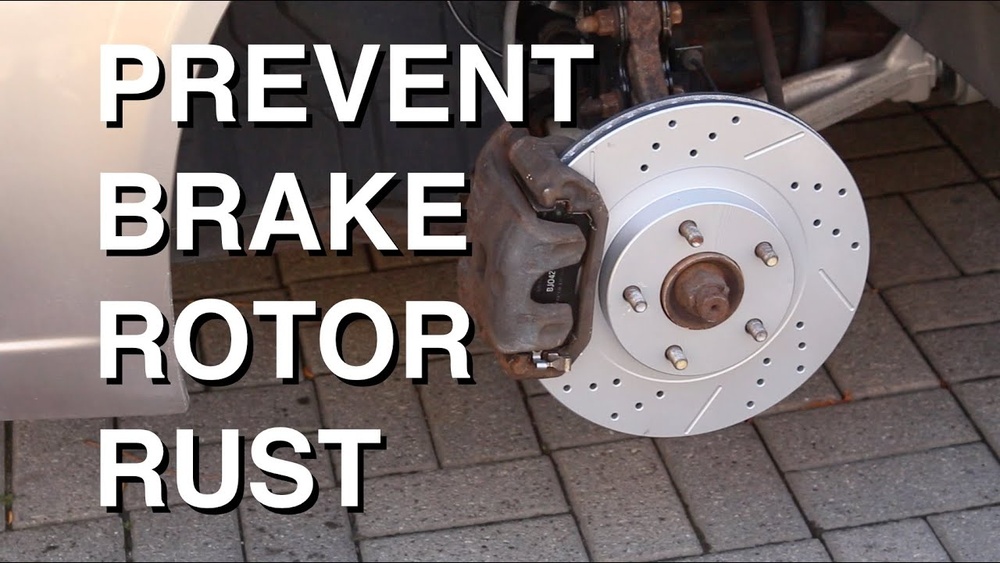
Your brake rotors play a crucial role in keeping you safe on the road. But if they start to rust, it can affect your car’s performance and your peace of mind.
You might not realize how quickly rust can build up, especially if your vehicle sits unused for a while. The good news? There are simple steps you can take to protect your brake rotors and keep them working smoothly for longer.
You’ll discover easy, practical tips that anyone can follow to stop rust before it starts. Keep reading to make sure your brakes stay strong and reliable every time you drive.

Credit: www.youtube.com
Causes Of Brake Rotor Rust
Brake rotors often develop rust due to several common causes. Understanding these causes can help you protect your vehicle. Rust forms when metal meets specific conditions that speed up corrosion. Knowing what triggers rust helps in taking the right steps to prevent it.
Exposure To Moisture
Moisture is the main cause of brake rotor rust. Water from rain, snow, or car washes stays on the metal surface. This wetness causes oxidation, which leads to rust. Even dew or humidity can start this process. The longer the rotors stay wet, the more rust can form.
Environmental Factors
Salt and chemicals on roads increase rust risk. Areas with salty air or winter road salt speed up corrosion. Dirt and grime also trap moisture against the rotors. Parking your car outside exposes it to these harmful elements. Clean environments help slow rust development.
Material Composition
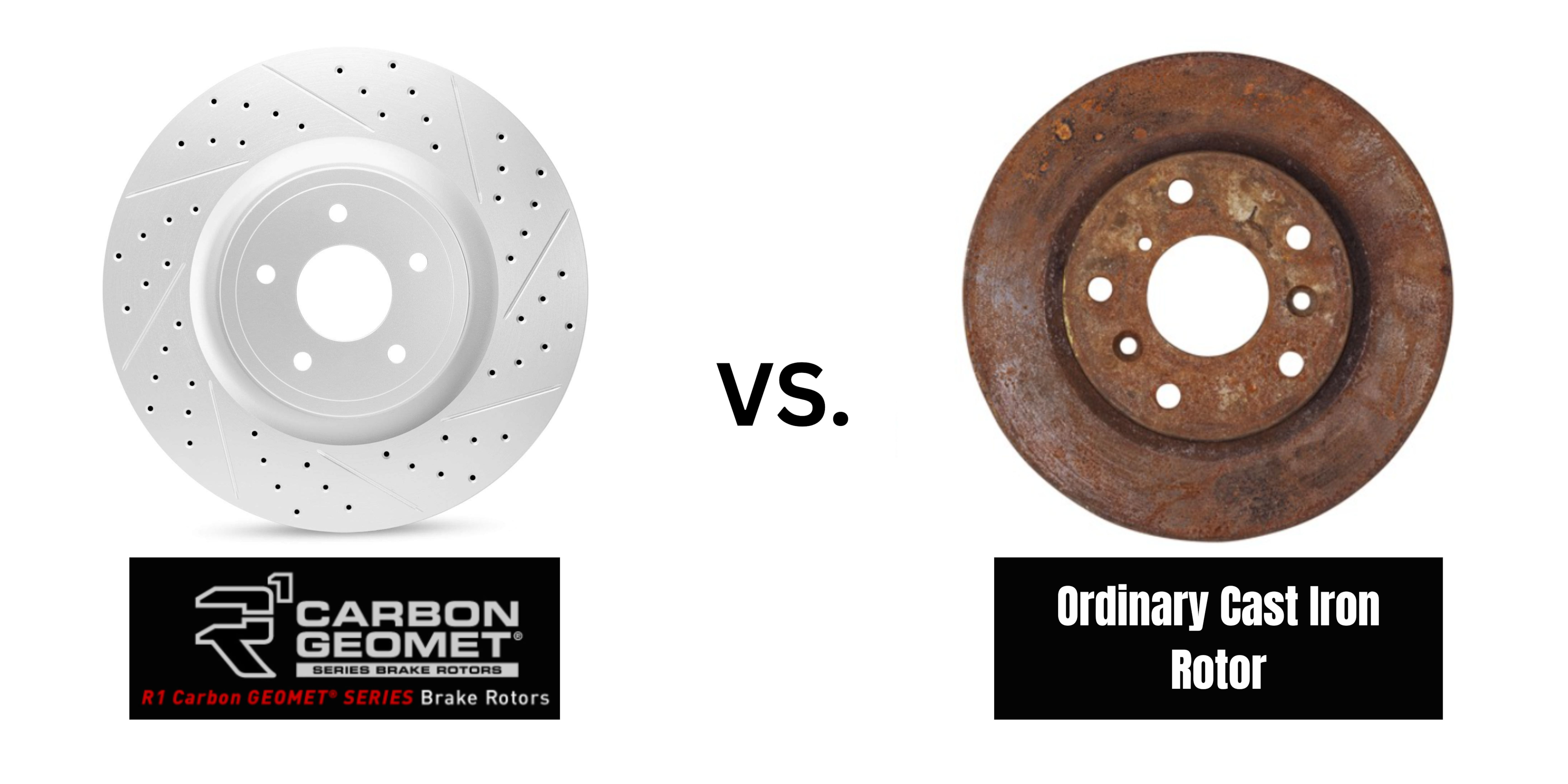
Most brake rotors are made from cast iron. This metal tends to rust easily when exposed to air and water. Some rotors have protective coatings to resist rust. Rotors made from stainless steel or coated materials resist rust better. Understanding the rotor material helps in choosing the right care.
Credit: www.powerstop.com
Signs Of Rusty Brake Rotors
Rust on brake rotors can affect your car’s safety and performance. Identifying signs of rusty brake rotors early helps you avoid bigger problems. These signs include what you see, hear, and feel when braking.
Visual Indicators
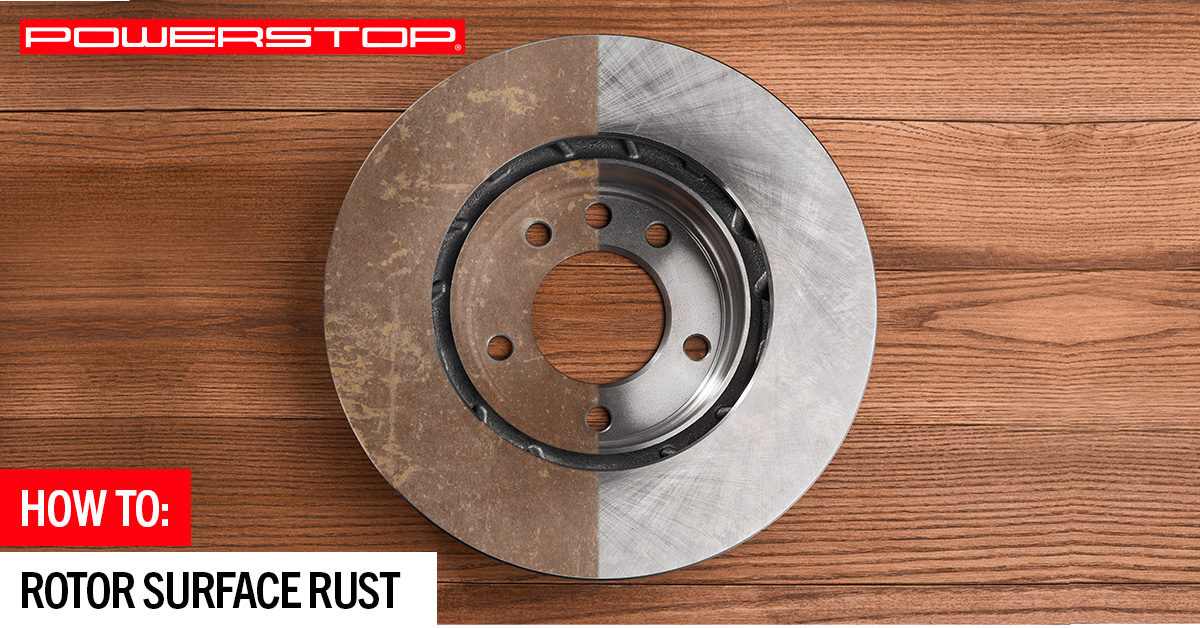
Look at the brake rotors through the wheel spokes. Rust appears as a reddish-brown layer on the rotor’s surface. Light surface rust is normal after rain or washing. Thick or flaky rust suggests longer exposure to moisture. Pitting or uneven rust spots show rotor damage. Clean rotors should look smooth and shiny, not rough or corroded.
Noise And Vibration
Rusty rotors often cause unusual sounds. You may hear a squeaking or grinding noise when braking. These noises come from rust interfering with brake pad contact. Vibrations or pulsations in the brake pedal or steering wheel also indicate rotor rust. These feelings happen because rust causes uneven rotor surfaces. Noises and vibrations mean the rotors need attention soon.
Brake Performance Changes
Rust can reduce brake effectiveness. Notice if your car takes longer to stop than usual. A soft or spongy brake pedal may appear. Brake pedals that feel hard or stiff can also be a sign. Reduced braking power increases the risk of accidents. Rusty rotors can cause inconsistent braking force. These performance changes mean it’s time to check your brake system.
Preventive Measures
Preventing rust on brake rotors helps keep your car safe and saves money on repairs. Taking simple steps can stop rust from forming or spreading. These preventive measures keep your rotors working well for longer.
Regular Driving Habits
Drive your car regularly to keep rotors dry and clean. Short trips may not heat the brakes enough to remove moisture. Longer drives warm up the rotors and reduce rust buildup. Avoid leaving the car parked for many days in wet weather.
Proper Cleaning Techniques
Clean rotors gently with water and a soft brush. Avoid harsh chemicals that can damage the metal. Dry the rotors after washing to stop moisture from sitting on them. Regular cleaning removes dirt and salt that cause rust.
Use Of Protective Coatings
Apply a thin layer of anti-rust spray or brake-specific protectant. These coatings create a barrier against water and air. Use products made for brake parts to avoid brake performance issues. Reapply coatings after cleaning or heavy rain.
Maintenance Tips
Keeping brake rotors free from rust extends their life and keeps driving safe. Simple maintenance steps can stop rust from forming and reduce wear. Follow these easy tips to protect your brake rotors and maintain smooth braking.
Routine Inspections
Check your brake rotors regularly for signs of rust or damage. Look for rough spots, discoloration, or uneven wear. Early detection helps fix problems before they worsen. Clean the rotors with a soft cloth to remove dirt and moisture. Regular inspections keep your brakes working well and prevent rust buildup.
Brake Pad Selection
Choose brake pads that match your driving style and rotor type. Some pads cause less heat and wear, reducing rust risk. Avoid low-quality pads that may damage rotors or leave residue. Good pads improve braking performance and protect rotor surfaces. Consult your vehicle’s manual or a mechanic for the best pad choice.
Storage Recommendations
Store your vehicle in a dry, covered area to keep rotors dry. Moisture causes rust quickly, so avoid parking in wet or humid spots. If storing long-term, apply a thin layer of anti-rust spray or oil on the rotors. Use a car cover to shield your vehicle from rain and dust. Proper storage slows rust growth and keeps rotors in good shape.
When To Replace Brake Rotors
Knowing when to replace brake rotors is important for safe driving. Rust can weaken rotors and reduce braking power. Some rust can be cleaned off, but deep damage needs attention. Watch for signs of rotor wear or damage. Timely replacement avoids bigger problems and costly repairs.
Severity Of Rust Damage
Light surface rust is normal and often clears after driving. Deep rust can cause pitting or grooves on the rotor. Severe rust can make the rotor thin and weak. Check for cracks or uneven surfaces. Replace rotors if rust affects braking or causes noise.
Safety Considerations
Brake rotors affect how well your car stops. Worn or rusty rotors can increase stopping distance. They may cause vibrations or pulling when braking. Driving with bad rotors risks accidents. Replace rotors to keep brakes reliable and safe.
Professional Assessment
Experts can measure rotor thickness and check for damage. They use special tools to detect warping or cracks. Professionals recommend replacement based on safety standards. Regular check-ups help catch rotor issues early. Trust mechanics for accurate rotor condition advice.
Credit: www.r1concepts.com
Frequently Asked Questions
How Can I Prevent Brake Rotors From Rusting?
Keep your car in a dry place and avoid long parking. Regularly drive your vehicle to heat and dry the rotors. Clean rotors with a brake cleaner and use rust-resistant coatings for extra protection.
Does Driving Frequency Affect Rotor Rusting?
Yes, frequent driving heats and dries the rotors, preventing rust. Infrequent use allows moisture buildup, leading to rust formation. Regular driving helps maintain rotor condition and improves brake performance.
What Cleaning Methods Help Remove Rotor Rust?
Use a brake cleaner spray and a wire brush for light rust. For heavy rust, professional resurfacing or rotor replacement may be necessary. Avoid harsh chemicals that can damage rotor surfaces.
Are Rust-resistant Coatings Effective For Brake Rotors?
Yes, rust-resistant coatings can protect rotors from moisture and corrosion. These coatings extend rotor life and improve brake efficiency. Apply them according to manufacturer instructions for best results.
Conclusion
Protecting your brake rotors from rust takes simple steps. Keep them dry and clean after driving. Use your car often to prevent moisture buildup. Store your vehicle in a covered area if possible. Regular checks help you spot rust early.
Small actions can save you costly repairs later. Taking care of rotors improves your safety on the road. Rust-free brakes work better and last longer. Start these habits today for smoother, safer drives ahead.