

Have you noticed your steering wheel shaking or hear a strange vibration when you brake? These could be signs that your brake rotors are warped.
Warped rotors affect your car’s stopping power and can make driving unsafe. But don’t worry—you don’t have to replace them right away. You’ll learn simple and effective ways to fix warped brake rotors yourself. Keep reading to discover how you can restore smooth, safe braking and save money at the same time.
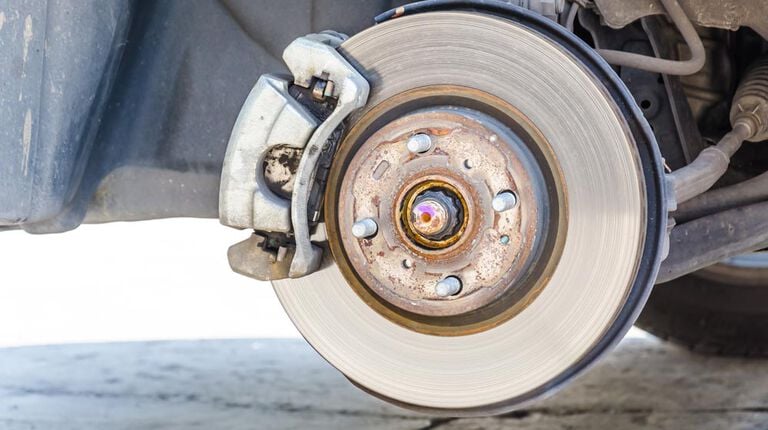
Credit: www.kaltire.com
Causes Of Warped Rotors
Warped brake rotors cause vibration and noise while driving. Understanding what causes rotors to warp can help you prevent damage and maintain safe brakes. Several factors lead to rotor warping. Some happen over time, while others come from improper care or installation.
Heat Buildup
Heat is the main cause of warped rotors. Brakes create friction to stop your car. This friction makes heat. If the heat gets too high, rotors can change shape. Driving down long hills or frequent hard braking raises rotor temperature quickly. Too much heat softens the metal, causing warping.
Improper Installation
Incorrect rotor installation causes uneven wear and warping. If rotors are not mounted tightly or aligned properly, they wobble. This wobbling leads to uneven pressure during braking. Over time, the rotor surface wears unevenly and warps. Always use the right tools and follow the correct steps when installing rotors.
Worn Brake Pads
Old or uneven brake pads cause problems for rotors. Worn pads reduce the brake system’s efficiency. They create uneven contact on the rotor surface. This uneven pressure causes hot spots on the rotor. Hot spots lead to warping and damage. Replace brake pads regularly to protect rotors.
Driving Habits
Driving style affects rotor health. Hard braking and sudden stops increase heat and stress. Riding the brakes for long periods also builds heat. Frequent stop-and-go traffic causes repeated heating and cooling cycles. These cycles cause metal to expand and contract. Over time, this damages the rotors and causes warping.
Signs Of Rotor Warping
Warped brake rotors can cause serious problems while driving. Recognizing the signs early helps keep you safe. Warped rotors affect how your brakes work and feel. They create vibrations, noises, and reduce braking power. Notice these signs to know when to fix or replace your rotors.
Vibrations While Braking
You may feel shaking or trembling in the steering wheel or brake pedal. These vibrations happen because the rotor surface is uneven. The brake pads cannot grip smoothly, causing the shaking. This is a common sign of rotor warping.
Squealing Or Grinding Noises
Listen for unusual sounds during braking. Squealing means the brake pads are struggling to contact the rotor properly. Grinding noises often mean the rotor or pads are worn down. Warped rotors cause these noises due to poor surface contact.
Brake Pedal Pulsation
The brake pedal may feel like it pulses or moves up and down. This happens because the rotor surface is not flat. Pulsation means the brake pressure changes as the pads hit the warped areas. This makes braking less smooth and steady.
Reduced Braking Performance
Your car may take longer to stop than usual. Warped rotors reduce the brake system’s efficiency. The brake pads cannot fully grip the uneven surface. This leads to lower braking power and longer stopping distances.
Tools Needed For Repair
Fixing warped brake rotors requires the right tools. Using proper tools helps you complete the job safely and correctly. Below are the essential tools you need to repair warped brake rotors.
Basic Hand Tools
Start with basic hand tools like a socket set, wrenches, and screwdrivers. These tools help remove the wheel and brake components. You also need a jack and jack stands to lift and support the vehicle safely. A hammer may help remove stuck parts.
Brake Lathe Or Rotor Resurfacer
A brake lathe or rotor resurfacer smooths the surface of warped rotors. It removes uneven spots and restores the rotor’s flatness. This tool is crucial for a proper brake repair. Some shops offer resurfacing services if you do not own this tool.
Torque Wrench
A torque wrench tightens bolts to the correct specification. Over-tightening or under-tightening can cause damage or unsafe brakes. Use the torque wrench to secure lug nuts and brake components properly. This tool ensures your repair lasts longer.
Safety Equipment
Wear safety goggles to protect your eyes from dust and debris. Use gloves to keep your hands safe from sharp edges and chemicals. A dust mask helps prevent inhaling brake dust. Safety should always be your top priority.

Credit: nrsbrakes.com
Step-by-step Rotor Resurfacing
Fixing warped brake rotors extends your brake life and improves safety. Rotor resurfacing smooths uneven surfaces and removes minor damage. This step-by-step guide walks through the process clearly.
Removing The Wheel And Caliper
Start by lifting the car with a jack. Remove the wheel nuts and take off the wheel. Next, unbolt the brake caliper carefully. Hang the caliper using a hook or string. Avoid letting the caliper hang by the brake hose.
Inspecting The Rotor
Take off the rotor from the hub. Check for deep grooves, cracks, or rust. Measure rotor thickness with a micrometer. Replace the rotor if it is too thin. Otherwise, prepare it for resurfacing.
Using A Brake Lathe
Mount the rotor on the brake lathe securely. Turn on the lathe and follow safety rules. Use the cutting tool to shave a thin layer off. This removes warping and smooths the surface. Stop often to check the rotor’s flatness.
Reinstalling Components
Clean the rotor and hub surface before reinstalling. Place the rotor back on the hub. Bolt the brake caliper in its original position. Tighten all bolts to the correct torque. Finally, put the wheel back on and lower the car.
When To Replace Rotors Instead
Knowing when to replace brake rotors is as important as knowing how to fix them. Rotors wear down over time and fixing them is not always safe or possible. Some signs mean replacement is the better option. This keeps your car safe and your brakes working well.
Excessive Thickness Loss
Brake rotors have a minimum thickness limit set by the manufacturer. If rotors get too thin, they can’t handle heat well. Thin rotors can crack or warp easily. Measure rotor thickness with a micrometer before deciding. Replace rotors that are below the limit to avoid brake failure.
Deep Grooves Or Cracks
Rotors with deep grooves or cracks are unsafe. Grooves affect brake pad contact and reduce stopping power. Cracks can grow and cause rotor failure. Minor surface marks can be fixed by resurfacing. Large grooves or cracks need rotor replacement to keep brakes reliable.
Warping Beyond Repair
Warping causes brake vibration and poor performance. Minor warping can sometimes be fixed by machining the rotor surface. Severe warping cannot be repaired safely. Warped rotors that cause shaking or noise must be replaced. This ensures smooth braking and improves safety on the road.
Preventing Rotor Warping
Preventing rotor warping helps keep your brakes safe and effective. Warped rotors cause vibrations and reduce braking power. Taking simple steps can stop this problem before it starts. These tips help your brake system last longer and work better every day.
Proper Brake Bedding
Bedding brakes means breaking in new rotors and pads carefully. This process creates an even layer of brake material on the rotor. Avoid hard stops during the first few drives. Gradually increase braking force to let rotors adjust. Proper bedding reduces stress and heat on rotors.
Avoiding Overheating
Excess heat damages brake rotors quickly. Avoid riding the brakes downhill or during traffic jams. Use engine braking to slow the vehicle instead. Stop often on long descents to cool the brakes. Overheating causes rotors to warp and wear unevenly.
Regular Maintenance
Check brake pads and rotors regularly. Replace worn pads before they damage rotors. Clean brake parts to remove dirt and dust. Inspect for cracks or grooves on the rotor surface. Timely maintenance prevents rotor warping and keeps brakes smooth.
Safe Driving Practices
Drive smoothly and avoid sudden stops. Keep a safe distance to reduce hard braking. Avoid heavy loads that strain brakes. Slow down gradually instead of slamming brakes. Gentle driving helps rotors stay cool and last longer.

Credit: www.youtube.com
Frequently Asked Questions
What Causes Brake Rotors To Warp?
Brake rotors warp due to excessive heat buildup from heavy braking. Rapid cooling or uneven wear also contributes. Warped rotors lead to vibrations and reduced braking efficiency.
How Can I Fix Warped Brake Rotors At Home?
To fix warped rotors, you can resurface them using a rotor lathe or sandpaper. However, ensure the rotor thickness meets manufacturer specs. If damage is severe, replacement is safer and more effective.
Can Driving Habits Prevent Warped Brake Rotors?
Yes, gentle braking reduces heat stress on rotors. Avoid hard stops and allow cooling periods during long drives. Proper maintenance helps extend rotor life and prevents warping.
When Should I Replace Warped Brake Rotors?
Replace rotors if warping causes noticeable vibration or if thickness is below minimum. Also, replace when resurfacing isn’t possible or cost-effective. Safety is the priority for brake components.
Conclusion
Fixing warped brake rotors keeps your car safe and smooth. Check the rotors often for any signs of warping. Simple tools and steps help you fix the problem quickly. Avoid driving with warped rotors to prevent bigger issues. Taking care of your brakes saves money and time.
You can do this repair yourself or ask for help. Stay safe on the road by maintaining your brake system well.

