

Your car’s brakes are one of the most important safety features you rely on every day. But do you know when to change your brake pads and rotors?
Ignoring this can lead to costly repairs or, worse, dangerous driving conditions. You might be wondering how often is often enough to keep your brakes working perfectly without wasting money on parts that still have life left. You’ll discover clear signs and simple timelines to help you decide the right time to replace your brake pads and rotors.
Keep reading to protect yourself, your passengers, and your wallet.
.jpg)
Credit: www.cbac.com
Signs Of Worn Brake Pads
Worn brake pads show clear signs that tell you when to replace them. These signs help keep your car safe and working well. Paying attention to these warnings can prevent bigger problems. Here are the main signs to watch for.
Squeaking And Squealing Noises
Squeaking sounds happen when brake pads wear down. This noise is a warning from the brake system. The sound occurs because metal parts rub together. It often starts as a soft squeak and gets louder. Ignoring this noise can cause damage to the rotors.
Reduced Braking Performance
Your car takes longer to stop with worn brake pads. The brake pedal may feel soft or spongy. You might need to press harder to slow down. This reduces your control and increases stopping distance. It is dangerous to drive without good brakes.
Visual Inspection Tips
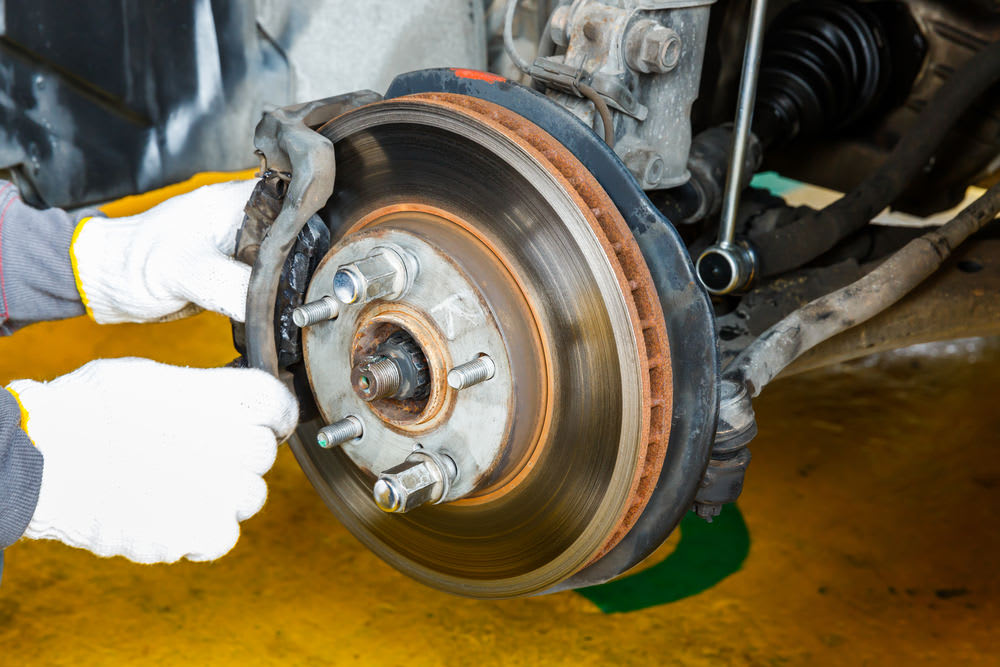
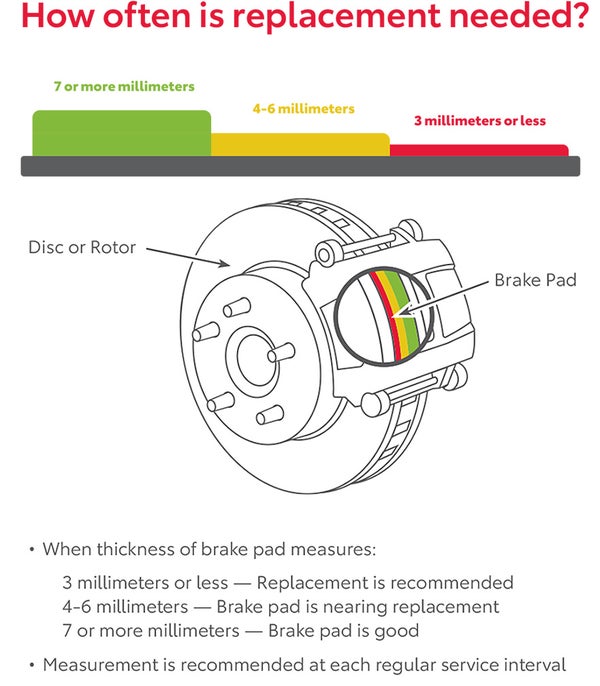
Check the brake pads through the wheel spokes. Look for thin pads, less than 1/4 inch thick. Pads that appear very small need replacement. Also, watch for cracks or deep grooves on the pads. These signs mean the pads cannot stop the car safely.
Credit: www.yourmechanic.com
When To Replace Brake Pads
Brake pads are a key part of your car’s safety system. They wear out over time and need replacement. Knowing when to change them helps avoid accidents and costly repairs. Signs of worn brake pads include squeaking noises, reduced braking power, and a warning light on the dashboard.
Understanding when to replace brake pads helps keep your car running safely. Several factors influence the timing of this maintenance.
Manufacturer Recommendations
Car makers provide specific advice on brake pad replacement. Check your vehicle’s owner manual for details. These guidelines are based on tests and real-world use. Following them ensures your brakes work well and last longer. Stick to the schedule the manufacturer suggests for best results.
Mileage Guidelines
Brake pads usually last between 30,000 and 70,000 miles. This range depends on the type of pad and driving conditions. Regular checks help track pad wear and decide when to replace them. Don’t wait for pads to wear completely. Changing pads on time saves your rotors from damage.
Driving Habits Impact
How you drive affects brake pad life. Frequent stopping in city traffic wears pads faster. Driving on hills or towing heavy loads adds more stress. Smooth, steady driving helps pads last longer. Adjust your driving style to extend brake pad life and stay safe on the road.
Rotor Wear Indicators
Rotor wear indicators help you know when brake rotors need attention. These signs show if the rotors are worn out or damaged. Paying attention to these indicators can keep your brakes safe and effective. Here are key rotor wear indicators to watch for.
Vibrations And Pulsations
Feeling vibrations in the brake pedal or steering wheel? This often means the rotors are uneven or warped. Pulsations happen when the brake pads hit the rotor surface irregularly. These sensations tell you the rotors might need resurfacing or replacement.
Scoring And Grooves
Look closely at the rotor surface. Deep lines or grooves show the rotor is worn. These marks happen from brake pads grinding on the rotor. Scoring reduces braking power and causes noise. Rotors with heavy scoring should be replaced for safety.
Thickness Measurements
Rotors have a minimum thickness limit set by the manufacturer. Measure the rotor thickness with a micrometer or caliper. If the rotor is thinner than the limit, it can fail under braking. Always replace rotors that are below the minimum thickness for safe driving.
Replacing Rotors: Timing And Tips
Brake rotors are key to safe driving. They help your car stop smoothly and safely. Over time, rotors wear out or get damaged. Knowing when to replace them is important. Replacing rotors at the right time keeps your brakes working well. It also avoids bigger repair costs.
Rotors do not last forever. Their life depends on driving habits and road conditions. Checking them regularly can save you from brake problems. Here are some signs and tips to help you decide when to replace rotors.
Signs Rotors Need Replacement
Listen for unusual noises like squealing or grinding when braking. These sounds often mean rotor damage. Feel for vibrations or pulsing in the brake pedal. This can show uneven rotor wear. Look for visible damage such as deep grooves or cracks. Thin rotors that look worn out need quick replacement.
Resurfacing Vs. Replacement
Resurfacing means smoothing the rotor surface to fix minor damage. It can extend rotor life if damage is small. But rotors have a thickness limit. If too thin, resurfacing is unsafe. Replacement is better for deep damage or thin rotors. New rotors ensure better braking and safety.
Cost Considerations
Rotor replacement costs vary by car and rotor type. Resurfacing is cheaper but not always possible. New rotors cost more but last longer. Consider labor costs too. Sometimes buying quality rotors saves money over time. Weigh repair costs against safety and performance benefits.
Brake Maintenance Best Practices
Proper brake maintenance keeps your car safe and extends brake part life. It prevents costly repairs and unexpected failures. Following simple steps helps you spot problems early and keep brakes working well.
Routine care improves brake performance and driving comfort. It ensures you change brake pads and rotors at the right time. Here are best practices for brake upkeep.
Regular Inspections
Check brake pads and rotors every 10,000 to 15,000 miles. Look for thin pads, cracks, or grooves on rotors. Listen for squealing or grinding noises when braking. Inspect brake parts visually or ask a mechanic. Early detection avoids bigger problems and saves money.
Brake Fluid Checks
Brake fluid helps brakes work smoothly. Check fluid level and color at least twice a year. Dark or dirty fluid needs replacement. Low fluid may cause soft brake pedals or poor stopping. Use the fluid type recommended in your car manual. Clean fluid keeps brake system safe and efficient.
Professional Servicing
Have brakes checked by a professional every year or 12,000 miles. Experts can spot hidden issues and measure brake pad thickness. They also check rotor condition and brake fluid health. Professionals can replace parts correctly and safely. Regular service keeps brakes reliable and your drive safe.
Effects Of Driving Conditions
Driving conditions affect how fast brake pads and rotors wear out. Different environments put different stress on these parts. Knowing these effects helps you maintain your car better. It also keeps your braking system safe and reliable.
City Vs. Highway Driving
City driving means frequent stops and starts. This causes brake pads to wear faster. Rotors heat up more often and may develop grooves. Highway driving uses brakes less often. But higher speeds can cause more heat during braking. This can also wear down rotors over time. City drivers should check brakes more often than highway drivers.
Impact Of Weather
Rain and snow make brakes work harder to stop the car. Moisture can cause rust on rotors and brake parts. Cold weather makes brake pads stiff, reducing their grip. Heat from long downhill drives can warp rotors. Dry, hot climates tend to wear pads faster due to friction. Always inspect brakes after extreme weather conditions.
Load And Terrain Factors
Heavier loads increase brake pressure and cause quicker wear. Driving on hills or rough roads demands more braking force. Mountain roads can cause brake fade from continuous use. Off-road driving exposes brakes to dirt and debris. This can damage pads and rotors faster. Adjust brake inspection schedules based on your typical load and terrain.
Credit: www.rosevilletoyota.com
Frequently Asked Questions
How Often Should Brake Pads Be Replaced?
Brake pads typically need replacement every 30,000 to 70,000 miles. However, driving habits and conditions affect this range. Regular inspections help detect wear early and ensure safe braking performance.
When Do Brake Rotors Need Changing?
Brake rotors usually require replacement every 50,000 to 70,000 miles. Signs include vibration, scoring, or warping. Timely rotor replacement prevents damage to other brake components and maintains smooth braking.
Can Worn Brake Pads Damage Rotors?
Yes, worn brake pads can cause rotor damage. Thin pads lead to metal-on-metal contact, causing grooves and heat damage. Replace pads promptly to avoid costly rotor repairs or replacements.
How To Know If Brake Pads Or Rotors Need Replacement?
Look for squeaking, grinding noises, vibration, or reduced braking power. Visual inspection can reveal thin pads or scored rotors. Address issues quickly to maintain vehicle safety and brake efficiency.
Conclusion
Brake pads and rotors wear out with use. Check them regularly for safety. Changing them on time keeps your car stopping well. Listen for squeaks or vibrations while driving. These signs mean it is time to replace parts. Don’t wait for full wear to avoid damage.
Regular maintenance saves money and prevents accidents. Keep a schedule based on your driving habits. This helps your brakes stay strong and reliable. Safe brakes mean safer trips every time you drive.


