

If you own a diesel tractor, you know how important it is to keep it running smoothly. One key part that often gets overlooked is the fuel filter.
But how often should you change your fuel filter to avoid costly repairs and keep your tractor working at its best? You’ll discover the simple yet crucial schedule for changing your diesel tractor’s fuel filter. Understanding this can save you time, money, and frustration.
Keep reading to learn exactly when and why you need to take action to protect your tractor’s engine.

Credit: www.fonho.com
Role Of Fuel Filter In Diesel Tractors
The fuel filter in a diesel tractor plays an important role. It cleans the fuel before it reaches the engine. Dirt, rust, and other particles can enter the fuel tank. These contaminants can harm the engine if not filtered out.
By removing impurities, the fuel filter protects the engine parts. It helps the engine run smoothly and last longer. Clean fuel improves engine performance and reduces wear and tear.
Prevents Engine Damage
The fuel filter stops dirt and particles from entering the engine. These particles can cause serious damage to engine parts. By filtering fuel, it reduces the risk of breakdowns.
Improves Fuel Efficiency
Clean fuel burns better in the engine. This leads to better fuel efficiency. A good fuel filter ensures the engine uses fuel properly.
Maintains Engine Power
When the fuel is clean, the engine works at full power. A clogged filter can reduce engine strength. Changing the filter keeps the tractor powerful.
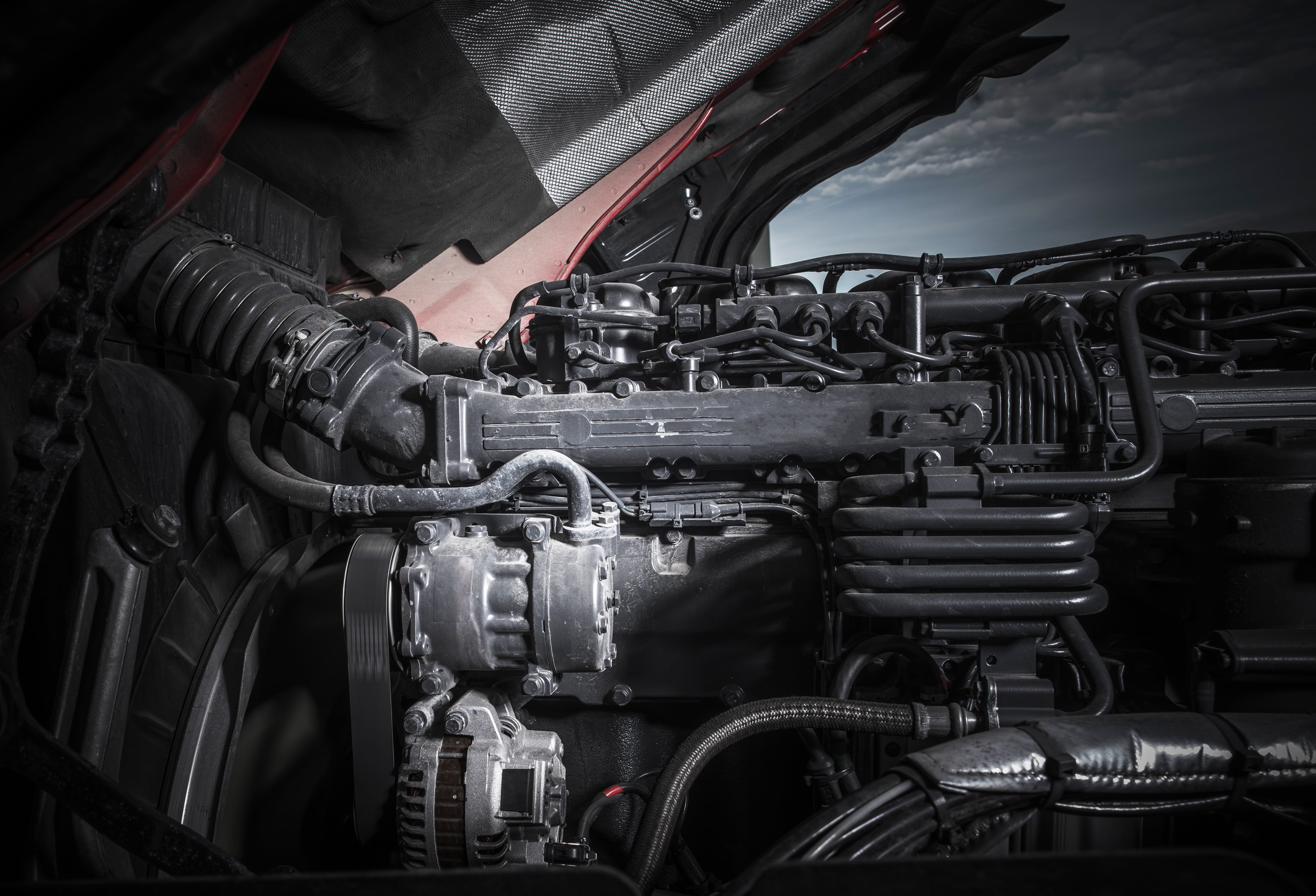
Credit: cdspros.com
Signs Of A Clogged Fuel Filter
A clogged fuel filter can cause many problems for a diesel tractor. It stops fuel from flowing properly. This can lead to poor engine performance and more serious damage. Knowing the signs helps you fix the issue early. It saves time and money on repairs.
Watch for these common signs. They tell you the fuel filter needs attention or replacement.
Engine Starts Roughly Or Stalls
The engine may run unevenly or stall often. This happens because fuel is not reaching the engine smoothly. A clogged filter slows down fuel flow. The engine struggles to get enough fuel to run well.
Loss Of Power During Work
Your tractor may lose power when pulling heavy loads. The engine can’t get enough fuel fast enough. This leads to weak performance and slow work speed. It may feel like the tractor is tired or weak.
Hard Starting Or No Start
The tractor may take a long time to start. Sometimes, it won’t start at all. A blocked fuel filter stops fuel from reaching the engine. Without fuel, the engine cannot run or start properly.
Increased Fuel Consumption
The tractor may use more fuel than usual. A clogged filter makes the engine work harder. It burns more fuel to keep running. This leads to higher fuel costs and less efficiency.
Black Smoke From Exhaust
Black smoke can come from the exhaust pipe. It shows the engine is burning fuel poorly. Fuel flow problems from a clogged filter cause this. The engine may run rich or unevenly.
Recommended Fuel Filter Change Intervals
Changing the fuel filter in a diesel tractor is important for engine health. The fuel filter keeps dirt and water out of the engine. Knowing how often to change it saves time and money. Follow set intervals to avoid engine problems and maintain power.
Manufacturer Guidelines
Manufacturers give clear instructions on fuel filter changes. These are based on tests and engine design. Most diesel tractors need a fuel filter change every 200 to 400 hours of work. Check your tractor’s manual for exact numbers. Always follow these guidelines to keep your tractor running well.
Operating Conditions Impact
Fuel filter change intervals vary with working conditions. Dusty or wet environments clog filters faster. Heavy use or long hours also shorten filter life. Change the filter more often in tough conditions. Clean fuel means better engine performance and less wear.
Steps To Change A Diesel Tractor Fuel Filter
Changing the fuel filter in a diesel tractor keeps the engine clean and running well. Dirt and debris can block the filter, causing poor engine performance. Follow these simple steps to change the fuel filter safely and correctly. This helps avoid engine damage and keeps your tractor working longer.
Tools And Materials Needed
Gather the right tools before starting. You will need a new diesel fuel filter made for your tractor model. Use a wrench or filter removal tool to take off the old filter. Have a clean container ready to catch any spilled fuel. Also, keep some rags and gloves nearby to stay safe and clean.
Removing The Old Filter
Turn off the tractor and let the engine cool down. Find the fuel filter, usually near the engine or fuel tank. Use the wrench to loosen the filter by turning it counterclockwise. Be careful, as some fuel may spill out. Remove the old filter and clean the area around the filter mount.
Installing The New Filter
Check the new filter for any damage before use. Apply a thin layer of clean diesel or oil on the rubber seal. Screw the new filter onto the mount by turning it clockwise. Tighten it by hand until snug, then give it a small extra turn with the wrench. Avoid overtightening to prevent damage.
Bleeding Air From The Fuel System
Air trapped in the fuel system can stop the engine. Locate the fuel bleed screw near the filter. Open the screw slightly and pump the primer bulb or hand pump to push fuel through. Close the screw once fuel flows steadily without air bubbles. Start the engine and check for smooth running.
Consequences Of Neglecting Fuel Filter Changes
Neglecting to change the fuel filter in a diesel tractor can cause serious problems. The fuel filter stops dirt and debris from reaching the engine. Over time, the filter gets clogged and can no longer do its job well. This affects the tractor’s performance and can lead to costly repairs.
Clean fuel is vital for the engine to run smoothly. A dirty filter means less fuel reaches the engine. This lowers power and efficiency. The tractor may stall or struggle to start. Small problems can quickly turn into bigger ones.
Reduced Engine Performance
A clogged fuel filter limits fuel flow to the engine. The tractor loses power and runs unevenly. It may hesitate or stall during work. This reduces productivity and wastes fuel.
Increased Fuel Consumption
The engine works harder with a dirty filter. It burns more fuel to keep running. This raises operating costs. Fuel economy drops, making the tractor less efficient.
Damage To Fuel Injection System
Contaminants can pass through a worn-out filter. These particles harm the fuel injectors. Repairing or replacing injectors is expensive. Avoid this by changing filters regularly.
Engine Overheating And Failure
Blocked filters cause uneven fuel supply. The engine may overheat from poor combustion. Overheating can damage engine parts. Severe damage may lead to complete engine failure.

Credit: www.youtube.com
Tips For Maintaining Fuel System Health
Keeping the fuel system of a diesel tractor in good shape is very important. A healthy fuel system helps the tractor run smoothly and lasts longer. Simple care steps can prevent big problems and costly repairs.
Fuel filters play a key role in protecting the engine. Dirt and water in fuel can harm the engine parts. Clean fuel filters keep these harmful elements out.
Regular Fuel Filter Replacement
Change the fuel filter at the right time. Follow the tractor’s manual for the schedule. A clogged filter reduces fuel flow and engine power. It can also cause the engine to stall or stop.
Use Clean Fuel
Always fill the tractor with clean, fresh diesel. Avoid buying fuel from unreliable sources. Dirt and water in dirty fuel damage the fuel system quickly.
Drain Water From The Fuel System
Check for water in the fuel filter and drain it often. Water causes rust and weakens engine parts. Many tractors have a water drain valve on the filter.
Inspect Fuel Lines For Damage
Look for cracks, leaks, or loose connections in fuel lines. Damaged lines let dirt enter the system. Replace or fix any damaged parts right away.
Keep Fuel Tank Clean
Clean the fuel tank regularly to remove sludge and dirt. Dirt in the tank travels to the filter and engine. A clean tank supports a healthy fuel system.
Frequently Asked Questions
How Often Should I Change The Diesel Tractor Fuel Filter?
Change the fuel filter every 250 to 300 hours of tractor operation. Regular replacement ensures clean fuel flow and protects the engine. Check your tractor manual for specific intervals, as conditions and usage can affect timing. Timely changes prevent clogging and maintain optimal performance.
What Are Signs Of A Clogged Diesel Tractor Fuel Filter?
Signs include engine misfires, reduced power, hard starting, and rough idling. Fuel flow blockage causes these symptoms. If you notice these issues, inspect and replace the fuel filter promptly to avoid engine damage and maintain tractor efficiency.
Can I Extend Fuel Filter Life In A Diesel Tractor?
Yes, using high-quality fuel and keeping the fuel tank clean helps. Avoid running the tractor on low fuel levels to reduce debris intake. Regular maintenance and timely filter changes also extend filter life and ensure engine protection.
What Happens If I Delay Changing The Fuel Filter?
Delaying fuel filter replacement leads to clogging and restricted fuel flow. This causes poor engine performance, increased fuel consumption, and potential engine damage. Regular changes prevent costly repairs and keep your tractor running smoothly.
Conclusion
Changing the fuel filter in your diesel tractor keeps the engine clean. A clean filter helps the tractor run smoothly and lasts longer. Check the filter every 200 to 300 hours of use. Dirty filters can cause engine problems and reduce power.
Regular changes save you time and money on repairs. Keep a schedule and watch for signs of clogging. Simple steps like this protect your tractor’s performance. Stay on top of maintenance for better work in the field.


