

If you drive a diesel vehicle, you might wonder how often you should change your fuel filter. This small part plays a big role in keeping your engine running smoothly and saving you from costly repairs.
Ignoring it can lead to poor performance, reduced fuel efficiency, and even breakdowns. You’ll discover the key signs that tell you it’s time for a change and how sticking to the right schedule can protect your engine and your wallet.
Keep reading to learn exactly when and why you should replace your diesel fuel filter.
Role Of Fuel Filter In Diesel Engines
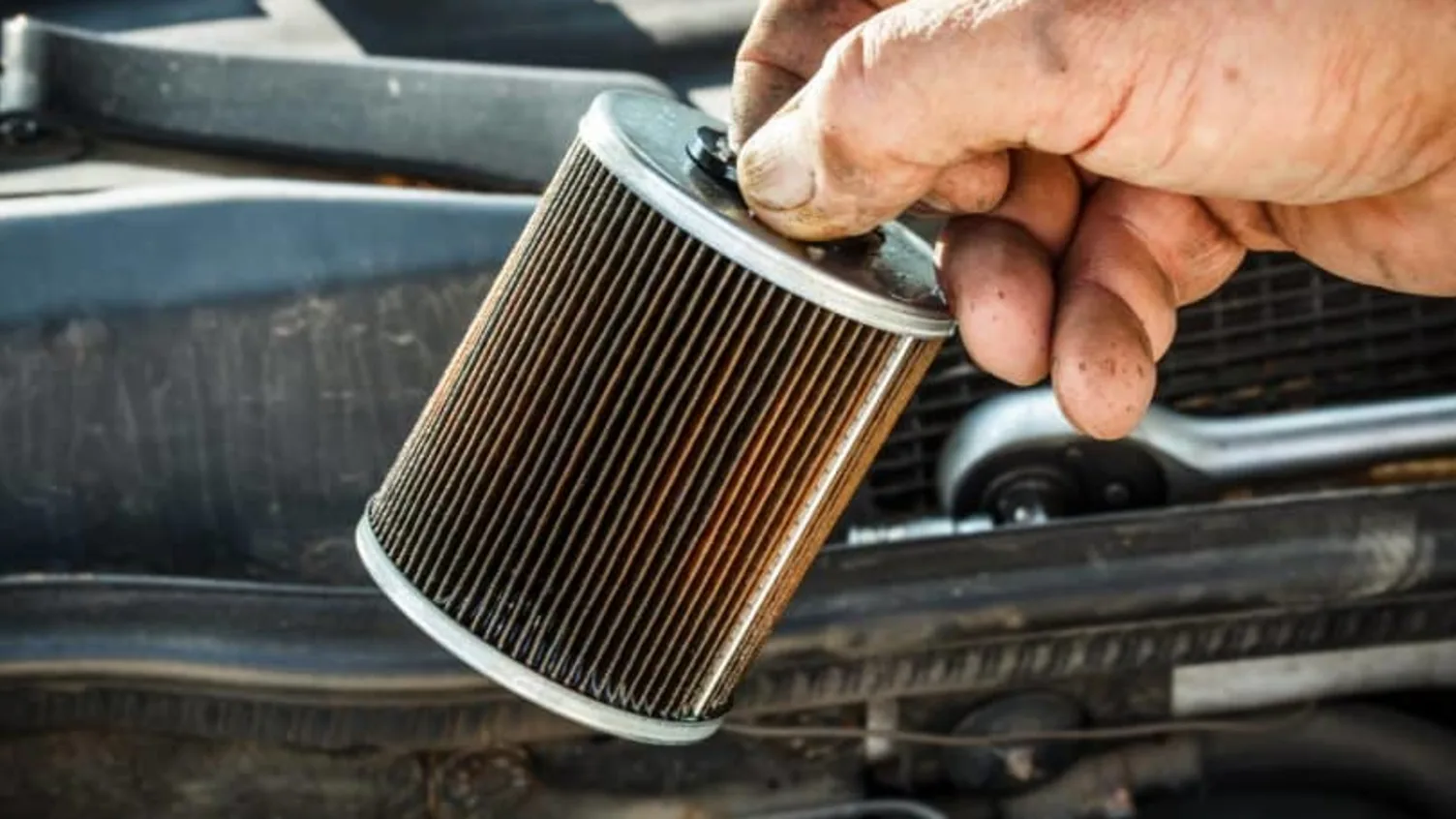
The fuel filter plays a key role in diesel engines. It keeps the engine clean by removing dirt and particles from diesel fuel. This helps the engine run smoothly and last longer.
Without a good fuel filter, harmful debris can enter the engine. This causes damage and reduces performance. The fuel filter protects the engine’s parts and helps maintain power.
Protecting Engine Components
The fuel filter stops dirt from reaching vital engine parts. It prevents damage to fuel injectors and pumps. Clean fuel means less wear and tear on the engine. This leads to fewer repairs and longer engine life.
Improving Fuel Efficiency
Dirty fuel clogs the engine and wastes fuel. A clean fuel filter ensures fuel flows smoothly. This helps the engine burn fuel better. Good fuel flow saves money by improving fuel economy.
Preventing Engine Failures
Contaminated fuel can cause the engine to stall or fail. The fuel filter catches harmful particles before they cause harm. This reduces the risk of engine breakdowns. Regular filter care keeps the engine reliable.
Credit: www.bigboxcars.com.au
Signs Of A Clogged Fuel Filter
A clogged fuel filter in a diesel engine causes several noticeable problems. It stops fuel from flowing well. This affects engine performance and can lead to serious damage. Knowing the signs helps you act early and keep your engine healthy.
Watch for changes in how the engine runs. These signs often mean the fuel filter needs checking or replacing.
Engine Starts Hard Or Fails To Start
The engine may struggle to start or fail altogether. A clogged fuel filter blocks fuel flow, causing this issue. The engine does not get enough fuel to ignite properly.
Reduced Engine Power
Power drops while driving, especially uphill or under load. The engine cannot get enough fuel to run at full strength. This leads to poor acceleration and slow response.
Engine Stalls Or Hesitates
The engine may suddenly stop or hesitate during driving. This happens because fuel supply is irregular. The clogged filter restricts fuel flow, causing the engine to sputter.
Unusual Engine Noise
You might hear knocking or sputtering sounds from the engine. These noises come from poor fuel combustion. A blocked filter disrupts the fuel mixture needed for smooth running.
Increased Fuel Consumption
The engine uses more fuel than usual. It works harder to compensate for the fuel shortage. This leads to lower fuel efficiency and higher costs.
Manufacturer Recommendations
Manufacturer recommendations provide the best guide for changing diesel fuel filters. They base their advice on engine design and fuel system needs. Following these guidelines helps keep your engine running smoothly and avoids damage.
Each diesel engine model may have different intervals for fuel filter replacement. These intervals depend on factors like engine size, fuel quality, and usage conditions. Checking the owner’s manual or service guide is essential to find the exact timeline.
Ignoring manufacturer advice can lead to clogged filters and poor engine performance. Fuel filters trap dirt and water in diesel fuel. Over time, they fill up and need replacement to maintain fuel flow and engine health.
Typical Replacement Intervals
Most manufacturers suggest changing the fuel filter every 15,000 to 30,000 miles. Some models require more frequent changes, especially in tough conditions. Heavy-duty trucks might need service every 10,000 miles or less.
Signs To Follow Manufacturer Advice
Pay attention to warning lights or engine roughness. These signs mean the fuel filter may be dirty or blocked. Follow the manufacturer’s steps for inspection and replacement to avoid costly repairs.
Using Genuine Parts
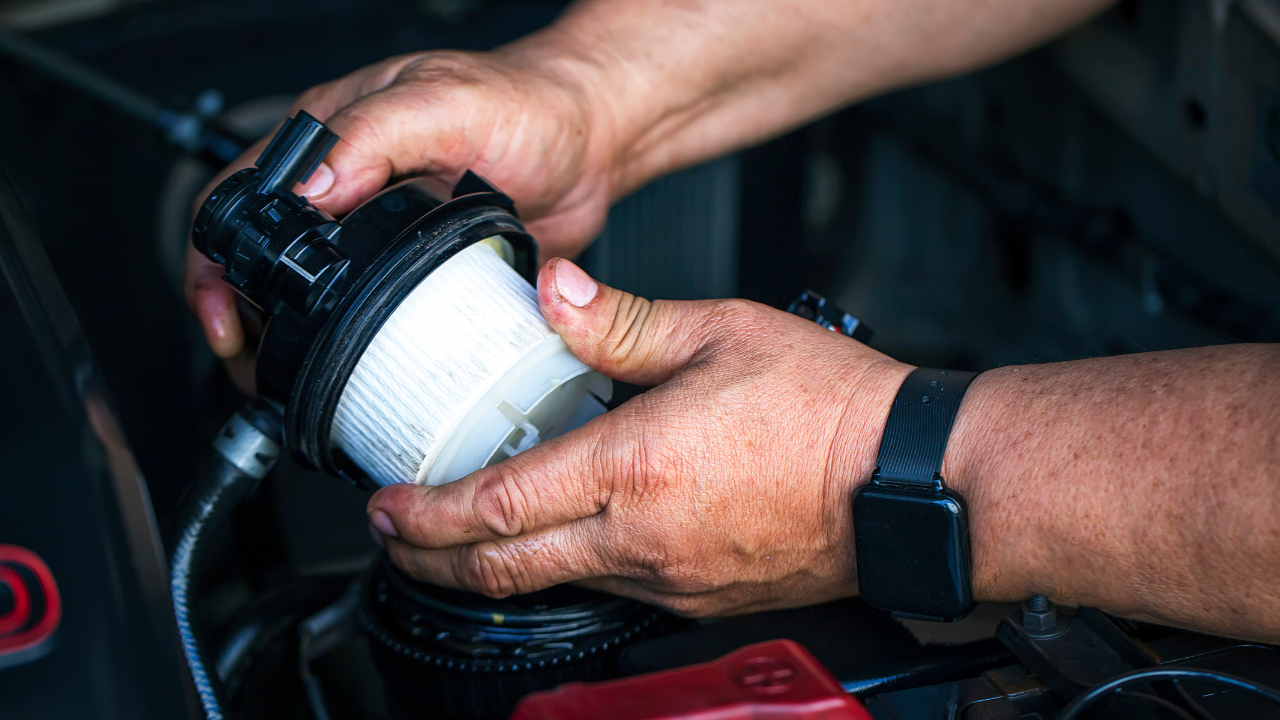
Manufacturers recommend using original fuel filters. These parts fit perfectly and meet quality standards. Aftermarket filters may not protect the engine as well or last as long.
Credit: universalautospares.com.au
Factors Affecting Fuel Filter Lifespan
The lifespan of a diesel fuel filter depends on several important factors. Understanding these helps maintain engine performance and avoid costly repairs. Fuel filter replacement intervals vary based on fuel quality, driving habits, and engine type. Each factor impacts how long the filter can effectively clean the fuel. Knowing these details helps plan timely maintenance.
Fuel Quality
Low-quality fuel contains more dirt and contaminants. These particles clog the fuel filter faster. Using clean, high-quality diesel extends the filter’s life. Contaminated fuel forces more frequent filter changes. Regularly check fuel sources to ensure cleanliness.
Driving Conditions
Driving on rough or dusty roads increases dirt intake. Stop-and-go traffic causes fuel to pass through the filter more often. Both conditions wear the filter faster. Smooth highway driving reduces strain on the fuel system. Adjust filter change frequency based on road types.
Engine Type
Different diesel engines have unique fuel system designs. Some engines require finer filtration due to sensitive parts. Older engines may tolerate dirt better but still need regular filter changes. Always follow the manufacturer’s guidelines for your engine model. Proper filter care ensures engine longevity and smooth running.
Step-by-step Fuel Filter Replacement
Replacing the fuel filter in a diesel engine is key to keeping the engine clean and running smoothly. Dirty fuel filters can block fuel flow and cause engine problems. Changing the filter regularly helps prevent costly repairs and keeps your vehicle efficient.
This step-by-step guide will help you replace the fuel filter safely and correctly. Follow each step carefully for the best results.
Prepare Your Tools And Equipment
Gather all tools before starting. You will need a new fuel filter, wrenches, screwdrivers, a container for old fuel, and gloves. Work in a well-ventilated area to avoid inhaling fumes.
Relieve Fuel System Pressure
Turn off the engine and remove the key. Open the fuel cap to release pressure. Use the proper method to relieve pressure from the fuel lines. This step prevents spills and accidents.
Locate And Remove The Old Fuel Filter
Find the fuel filter under the hood or near the fuel tank. Use wrenches to loosen the fittings. Place a container under the filter to catch any fuel drips. Remove the old filter carefully.
Install The New Fuel Filter
Check the new filter for any damage. Fit the new filter into place, making sure it faces the correct direction. Tighten the fittings securely but do not overtighten. This prevents leaks and damage.
Prime The Fuel System
Before starting the engine, prime the fuel system to remove air. Use the manual primer pump if available. This helps the engine start smoothly and prevents air locks.
Start The Engine And Check For Leaks
Turn the engine on and let it run for a few minutes. Watch for any fuel leaks around the filter. If you see leaks, turn off the engine and tighten fittings again.
Consequences Of Delayed Filter Change
Delaying the change of a diesel fuel filter can cause serious problems. The fuel filter traps dirt and debris from the fuel. Over time, it gets clogged and stops working well. This makes the engine work harder and less efficiently.
Ignoring a dirty fuel filter can lead to engine damage and poor vehicle performance. Knowing the consequences helps you avoid costly repairs.
Reduced Engine PerformanceA clogged fuel filter limits fuel flow to the engine. This causes the engine to lose power and run roughly. Acceleration slows down and the vehicle may stall.
Increased Fuel ConsumptionThe engine uses more fuel to keep running with a blocked filter. This lowers fuel efficiency and raises your fuel costs. Clean filters help save money on fuel.
Damage to Fuel InjectorsDirty fuel can reach the injectors if the filter is old. This causes injector wear and clogging. Replacing injectors is expensive and time-consuming.
Engine Starting ProblemsA blocked fuel filter makes it hard for the engine to start. You may experience long cranking times or failure to start. Timely filter changes prevent these issues.
Costly RepairsDelaying fuel filter replacement can lead to serious engine damage. Repairing or replacing engine parts costs much more than changing the filter. Regular maintenance saves money in the long run.
Tips For Maintaining Diesel Fuel System
Maintaining a diesel fuel system keeps your engine running smoothly. Regular care prevents costly repairs and fuel problems. Simple steps can extend the life of your fuel system and improve performance.
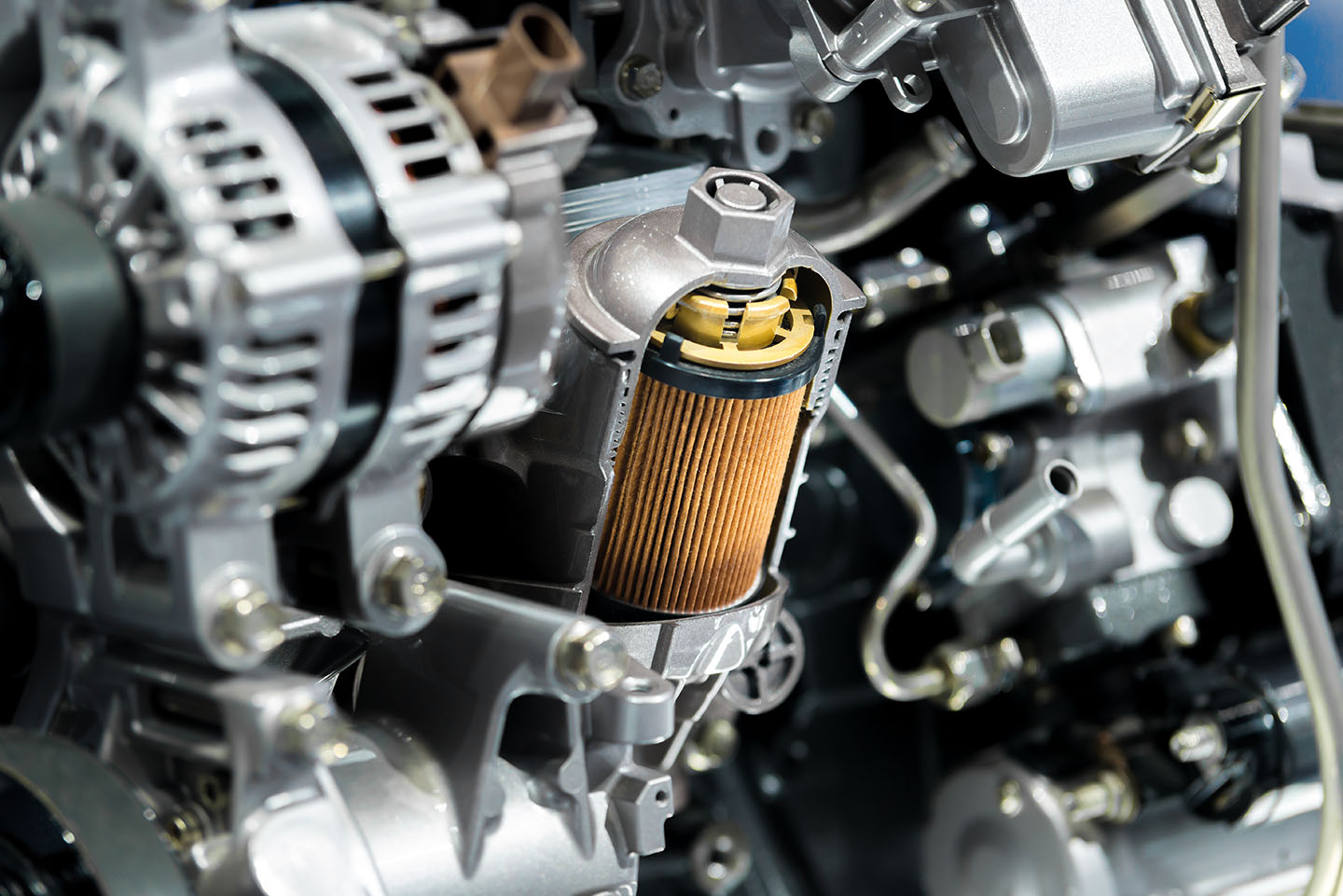
Clean fuel filters are key to a healthy diesel engine. Dirty filters block fuel flow and reduce power. Changing filters on time avoids damage to fuel injectors and pumps.
Check Fuel Filter Regularly
Inspect the fuel filter every 10,000 to 15,000 miles. Look for dirt, water, or clogging signs. Replace the filter if it looks dirty or clogged. Clean filters help fuel flow freely and protect engine parts.
Use Quality Diesel Fuel
Choose high-quality diesel fuel to reduce contaminants. Low-quality fuel can cause dirt buildup in the filter. Clean fuel keeps the system working well and stops blockages.
Drain Water From The Fuel System
Water in diesel fuel causes rust and engine damage. Drain water from the fuel filter and water separator regularly. This simple step stops corrosion and keeps fuel clean.
Keep Fuel Tank Clean
Dirty fuel tanks add debris to the fuel system. Clean the tank during major services. Avoid letting the fuel run low to reduce dirt intake.
Use Fuel Additives
Fuel additives improve diesel quality and prevent buildup. They help clean injectors and protect the fuel system. Use additives recommended for your engine type.
Credit: bostechauto.com
Frequently Asked Questions
How Often Should I Change A Diesel Fuel Filter?
You should change the diesel fuel filter every 10,000 to 25,000 miles. This varies by vehicle and fuel quality. Regular changes prevent clogging and maintain engine performance.
What Are Signs Of A Clogged Diesel Fuel Filter?
Common signs include engine misfires, reduced power, and poor fuel economy. You may also notice hard starting or stalling. These symptoms indicate it’s time to replace the fuel filter.
Can I Change The Diesel Fuel Filter Myself?
Yes, you can if you have basic tools and skills. Always follow your vehicle’s manual instructions. Proper disposal of the old filter is important for safety and environment.
Why Is Changing The Diesel Fuel Filter Important?
Changing the fuel filter removes contaminants that harm the engine. It ensures clean fuel delivery, improving efficiency and longevity. Neglecting this can lead to costly engine repairs.
Conclusion
Changing your diesel fuel filter regularly keeps your engine healthy. Clean filters stop dirt from damaging fuel parts. Most experts suggest changing it every 20,000 to 30,000 miles. But check your vehicle’s manual for exact advice. Watch for signs like engine trouble or poor fuel flow.
Timely filter changes save money on repairs later. Stay on schedule to keep your diesel running strong. Simple care makes a big difference in performance. Don’t wait until problems start. Stay ahead with regular fuel filter changes.


