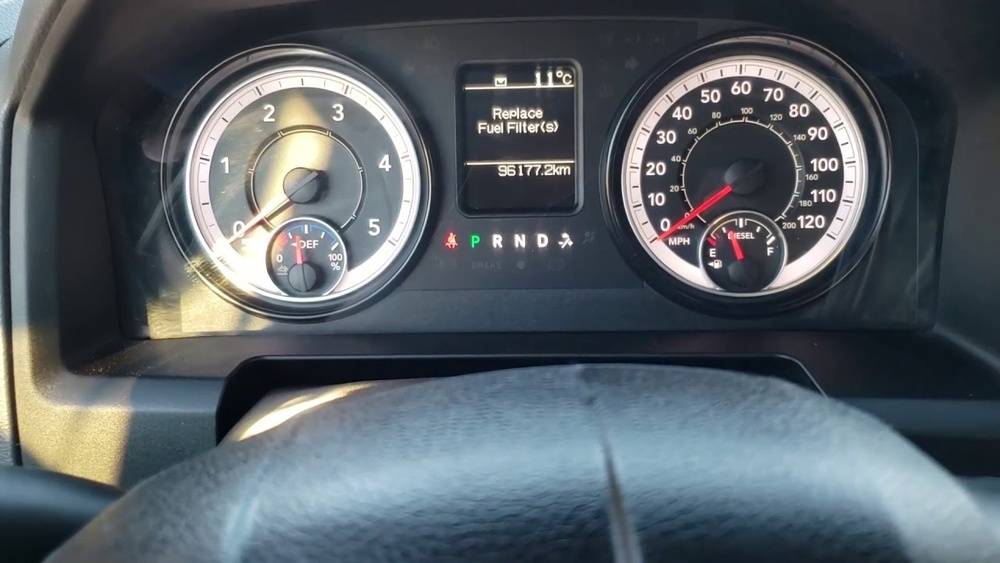
Changing your diesel fuel filter is an important part of keeping your engine running smoothly. But once you’ve done that, there’s one crucial step you can’t skip: priming the diesel.
If you don’t prime it properly, your engine might not start, or worse, it could run poorly and cause damage. You’ll learn exactly how to prime diesel after changing the fuel filter—quickly and easily. Follow these simple steps, and you’ll get your engine back to life without frustration or delay.
Keep reading to make sure you do it right the first time.

Credit: www.reddit.com
Why Diesel Priming Matters
Priming diesel after changing the fuel filter is very important. It helps remove air from the fuel system. Air in the lines can stop the engine from starting or cause it to run poorly.
Without priming, the fuel pump may not get enough fuel. This can damage the pump or engine parts. Priming makes sure the fuel flows smoothly and the engine works well.
Role Of The Fuel Filter
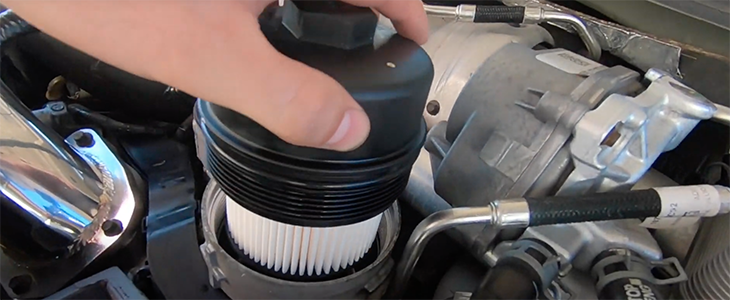
The fuel filter cleans dirt and rust from diesel fuel. It protects the engine from damage. Changing the filter stops clogging and keeps fuel clean.
After replacement, the filter may have air inside. This air blocks fuel flow and stops the engine. Priming pushes air out and fills the filter with fuel.
Effects Of Air In Fuel Lines
Air in fuel lines causes many problems. It can stop the engine from starting. The engine may run rough or lose power.
Air pockets reduce fuel pressure. Low pressure means poor fuel delivery. This can lead to engine damage over time.
Priming removes air and keeps fuel lines full. This helps the engine run smoothly and last longer.

Credit: www.youtube.com
Tools Needed For Priming
Priming diesel after changing the fuel filter is a critical step. It helps remove air from the fuel system. Using the right tools makes the job easier and safer. This section lists the tools you need for priming diesel effectively.
Basic Equipment List
- Hand primer pump or manual fuel pump
- Clean container for catching fuel spills
- Wrenches to open and close fuel lines
- Rags or paper towels for cleaning spills
- Replacement fuel filter (already installed)
- Small screwdriver or tool for releasing air vents
Safety Gear Recommendations
- Protective gloves to avoid skin contact with diesel
- Safety glasses to protect eyes from splashes
- Long-sleeve shirt to shield arms
- Work boots for foot protection
- Good ventilation in the work area
Step-by-step Priming Process
Priming diesel after changing the fuel filter is important. It removes air from the fuel system. This helps the engine start smoothly. Follow this step-by-step priming process to get the best results.
Locate The Primer Pump
Find the primer pump near the fuel filter or fuel injection pump. It is usually a small hand pump or lever. Check your vehicle’s manual if unsure. The primer pump pushes diesel through the fuel lines. This clears any trapped air.
Manual Priming Techniques
Press the primer pump slowly and steadily. Repeat this action until you feel resistance. This means diesel has filled the fuel lines. Avoid pumping too fast or too hard. It can cause air to enter the system again. Watch for fuel coming out near the filter. This confirms the lines are full of diesel.
Using The Ignition Key Method
Turn the ignition key to the “on” position without starting the engine. This activates the electric fuel pump. Wait for a few seconds to let the pump push fuel. Repeat this process a few times. It helps remove air from the fuel system. Do not crank the engine during this step. Start the engine only after completing the priming.
Checking For Leaks And Air Bubbles
After changing the diesel fuel filter, checking for leaks and air bubbles is crucial. These problems can stop your engine from running smoothly. Small leaks can let air enter the fuel system, causing the engine to stall or lose power. Air bubbles block fuel flow and reduce engine performance. Careful inspection helps keep your diesel engine healthy and reliable.
Inspecting Fuel Lines
Start by examining all fuel lines connected to the filter. Look closely for cracks, loose clamps, or worn spots. Tighten any loose fittings to prevent leaks. Use a clean cloth to wipe the lines and see if any fuel drips. Fuel leaks are easy to miss but can cause big problems. Make sure all connections are secure and dry before moving on.
Bleeding Air From The System
Air trapped in the fuel system must be removed to ensure proper engine start. Open the bleed screw on the filter or pump. Pump the manual primer until fuel flows without bubbles. Close the bleed screw tightly once air is gone. Repeat if you still hear sputtering or if the engine runs rough. Removing air helps the diesel flow smoothly and keeps your engine running strong.
Tips For Quick Diesel Priming
Priming diesel after changing the fuel filter is essential for smooth engine start-up. Quick priming saves time and prevents engine damage. Follow these simple tips to get your diesel engine running fast and without trouble.
Common Mistakes To Avoid
Skipping the air bleed step can cause engine failure. Avoid using excessive force on the primer pump. Filling the filter housing with fuel before installation can trap air. Waiting too long after priming wastes fuel and time. Neglecting to check for leaks leads to engine problems.
Maintaining Fuel System Health
Use clean diesel fuel to keep the system free from dirt. Replace fuel filters regularly as recommended by the manufacturer. Check seals and hoses for cracks or damage. Keep the fuel tank clean to avoid contamination. Regular maintenance helps prevent difficult priming and engine issues.
Credit: ecogard.com
Frequently Asked Questions
How Do I Prime Diesel After Fuel Filter Change?
To prime diesel, locate the primer pump near the fuel filter. Pump it slowly until you feel resistance. This removes air and fills the system with fuel for smooth engine start.
Why Is Priming Diesel Important After Filter Change?
Priming removes air trapped in the fuel lines. This prevents engine misfires and hard starting. It ensures proper fuel flow and protects the fuel injection system.
Can I Start My Diesel Engine Without Priming?
Starting without priming may cause air locks. This leads to engine stalling or failure to start. Always prime after changing the fuel filter for reliable operation.
How Long Should I Prime The Diesel Fuel System?
Pump the primer until you feel firm resistance. Usually, 20 to 30 pumps are sufficient. Avoid over-priming to prevent flooding the fuel system.
Conclusion
Priming diesel after changing the fuel filter is important for engine health. It clears air from the fuel system and helps your engine start smoothly. Follow each step carefully to avoid mistakes. Check for leaks and ensure all connections are tight.
Taking time to prime properly saves time and money later. Now, your diesel engine is ready to run well again. Keep this process in mind for future maintenance. Simple steps can make a big difference in engine performance.