
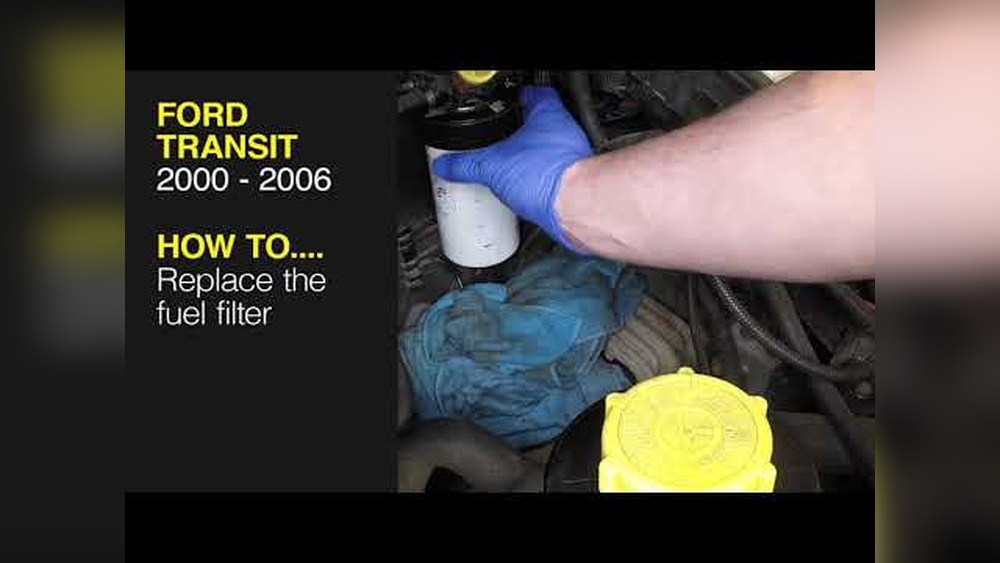
If you drive a Ford Transit diesel, you know how important it is to keep your engine running smoothly. One of the simplest yet most crucial maintenance tasks is changing the fuel filter.
Ignoring this can lead to poor performance, costly repairs, or even getting stranded. But don’t worry—changing your fuel filter isn’t as hard as it sounds. In this guide, you’ll learn exactly how to do it step by step, saving you time and money while keeping your Transit in top shape.
Ready to take control of your vehicle’s health? Let’s get started.
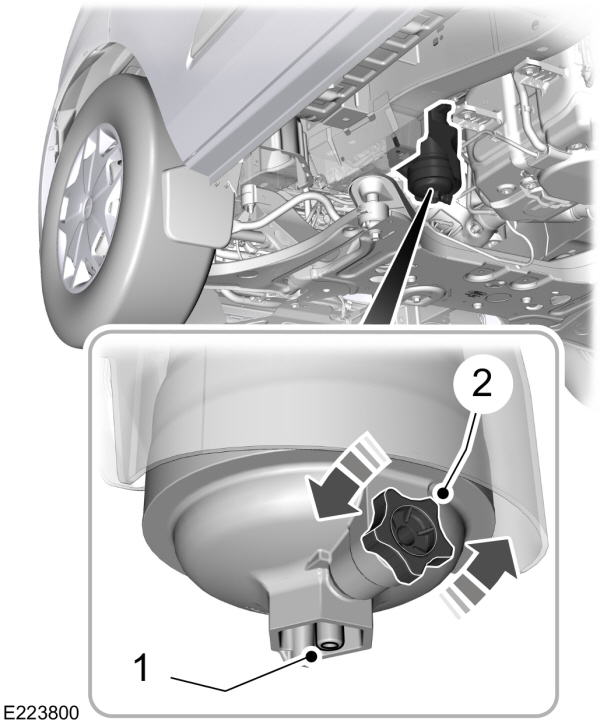
Credit: www.fordservicecontent.com
Signs Of A Clogged Fuel Filter
A clogged fuel filter can cause many problems in your Ford Transit diesel. It blocks fuel flow and makes the engine work harder. Recognizing the signs early helps prevent serious damage and costly repairs.
Watch for these common symptoms that suggest your fuel filter needs changing soon.
Reduced Engine Performance
Your van may lose power during acceleration or uphill drives. The engine might feel weak or slow. A clogged filter restricts fuel supply, lowering engine efficiency. This leads to poor fuel combustion and less power.
Starting Issues
The engine may take longer to start or fail to start at all. Fuel flow problems cause rough or failed ignition. You might notice the engine cranks but does not catch. This is a key sign of a blocked fuel filter.
Unusual Engine Noises
Listen for sputtering, coughing, or knocking sounds from the engine. These noises indicate fuel delivery problems. A dirty fuel filter forces the engine to strain, causing strange sounds. Pay attention to any sudden or odd noises.
Tools And Materials Needed
Changing the fuel filter in a Ford Transit diesel needs the right tools and materials. Prepare all items before starting. This saves time and avoids interruptions. Using proper tools ensures the job is done safely and correctly.
Replacement Fuel Filter
Choose the correct fuel filter for your Ford Transit diesel model. Using the right filter prevents engine problems. Check the vehicle manual or ask at an auto parts store. A genuine or high-quality filter works best for durability.
Basic Hand Tools
Simple tools are enough for this task. You will need a wrench set to loosen bolts and clamps. Screwdrivers help remove covers or clamps. A container to catch any fuel spills is useful. Keep a clean cloth nearby for wiping.
Safety Gear
Safety is important while working on a fuel system. Wear gloves to protect your hands from fuel. Safety glasses keep fuel from splashing into your eyes. Work in a well-ventilated area to avoid fumes. Avoid open flames or sparks during the task.
Preparing Your Ford Transit
Preparing your Ford Transit properly is the first step to changing the fuel filter safely. Taking the right actions before starting helps avoid accidents and makes the job easier. Follow these key steps to get your van ready.
Park On A Level Surface
Find a flat and even spot to park your Ford Transit. This keeps the van stable and prevents it from rolling. A level surface also helps when you drain fuel or remove parts.
Engage The Parking Brake
Set the parking brake firmly to lock the wheels. This stops the vehicle from moving during the repair. Always double-check that the brake is active before you begin work.
Relieve Fuel System Pressure
Fuel systems hold pressure that can spray fuel when opened. To avoid spills, release this pressure carefully. Locate the fuel pump fuse and remove it. Then, start the engine and let it run until it stops. This empties fuel lines and reduces pressure safely.

Credit: www.youtube.com
Locating The Fuel Filter
Finding the fuel filter on a Ford Transit diesel is the first step to changing it. Knowing its exact location saves time and avoids frustration. The fuel filter cleans dirt and rust from diesel fuel. This keeps the engine running smoothly. Learning where the filter sits helps with quick repairs and maintenance.
Fuel Filter Position In Ford Transit
The fuel filter on a Ford Transit diesel is usually near the engine. Most models have it on the driver’s side, close to the fuel tank. It looks like a small metal or plastic canister. Some newer models place the fuel filter inside the engine bay. Check near the firewall or along the fuel lines for this part.
Accessing The Filter Safely
Turn off the engine and let it cool before starting work. Wear gloves to protect your hands from fuel and dirt. Use a flat area and apply the parking brake for safety. Avoid open flames or sparks near the filter. Clean the area around the filter to stop dirt from entering the fuel system.
Removing The Old Fuel Filter
Removing the old fuel filter from your Ford Transit diesel is a key step in keeping the engine healthy. It stops dirt and rust from reaching the fuel system. Taking out the old filter needs care. This helps prevent leaks and damage.
Follow these steps to remove the old fuel filter safely and smoothly. Use simple tools and take your time. This way, you prepare the vehicle for a new filter that works well.
Disconnecting Fuel Lines
Start by locating the fuel filter under the vehicle. Look for the fuel lines connected to it. Use a wrench to loosen the clamps or fittings. Pull the fuel lines off gently. Do this slowly to avoid breaking them. Keep a rag nearby to catch any drips. This stops fuel from spilling on the ground.
Unfastening The Filter
Next, find the bolts or clips holding the filter in place. Use a wrench or screwdriver to remove them. Hold the filter firmly while loosening. This stops it from falling and spilling fuel. Remove the filter carefully. Check the area for any remaining fuel or debris.
Handling Fuel Spills
Fuel spills can happen during removal. Use a clean cloth or paper towels to soak up any fuel. Avoid letting fuel touch hot engine parts. It can cause smoke or fire. Dispose of used cloths safely. Keep a container ready for any fuel that leaks out. This keeps your workspace clean and safe.
Installing The New Fuel Filter
Installing the new fuel filter in your Ford Transit diesel is a simple but important step. It keeps your engine clean and running smoothly. Take your time and follow each step carefully. Proper installation ensures the filter works well and lasts longer.
Positioning The New Filter
Start by holding the new fuel filter upright. Make sure the arrow on the filter points in the direction of fuel flow. This usually means the arrow faces toward the engine. Place the filter into the filter holder or bracket gently. Check that it sits firmly and straight. Avoid tilting or forcing the filter into place.
Reconnecting Fuel Lines
Attach the fuel lines to the filter carefully. Push each line onto the correct connector. Listen for a click or feel it snap in place. Tighten any clips or clamps to stop leaks. Double-check that the lines are secure. Loose connections can cause fuel leaks and engine problems.
Securing The Filter In Place
Use the mounting bracket or screws to hold the filter tightly. Tighten screws or bolts just enough to hold the filter steady. Do not over-tighten, which can damage the filter or bracket. Give the filter a gentle wiggle to confirm it is secure. A firmly fixed filter prevents vibrations and fuel leaks.
Priming The Fuel System
Priming the fuel system is a key step after changing the fuel filter on a Ford Transit diesel. This process removes air from the fuel lines and fills them with diesel. Air in the lines can stop the engine from starting or cause it to run poorly. Proper priming ensures smooth fuel flow and better engine performance.
Manual Priming Techniques
Locate the manual primer pump near the fuel filter. Press it slowly several times. This action pushes diesel through the lines. Watch for air bubbles in the clear fuel pipe. Keep pressing until no more bubbles appear. The fuel should flow steadily and smoothly. This method is simple and effective for most Ford Transit models.
Using The Ignition To Prime
Turn the ignition key to the “on” position, but do not start the engine. This activates the electric fuel pump. The pump moves fuel into the lines, clearing air pockets. Hold the key for about 10 seconds. Turn it off and wait a moment. Repeat this process two or three times. This helps fill the fuel system without flooding the engine.
Testing After Installation
Testing after installation is a key step in changing the fuel filter on a Ford Transit diesel. It ensures the new filter works well and the engine runs smoothly. This process helps spot problems early. It also confirms that the fuel system is sealed correctly. Follow these simple steps to test your vehicle after installing the filter.
Starting The Engine
Turn the key to start the engine. Listen for any unusual sounds. The engine should start quickly without hesitation. If it struggles, stop and check the filter installation. Wait for a few seconds before restarting. This allows the fuel to flow through the new filter. Repeat this step if needed to remove air from the fuel line.
Checking For Leaks
Look under the vehicle and around the filter. Check for any fuel leaks or wet spots. Tighten connections if you see leaks. Do not run the engine if there is a leak. Fuel leaks are dangerous and can cause engine problems. Use a clean cloth to wipe any spilled fuel carefully.
Monitoring Engine Performance
Drive the Ford Transit for a short distance. Notice how the engine runs and responds. The engine should run smoothly without stalling. Watch for any warning lights on the dashboard. If the engine feels rough or weak, recheck the filter and installation. Good engine performance means the fuel filter change was successful.
Maintenance Tips For Fuel Filters
Maintaining the fuel filter in your Ford Transit diesel is essential for the vehicle’s health. A clean fuel filter helps the engine run smoothly. It stops dirt and water from reaching the engine. This saves costly repairs and improves fuel efficiency. Follow these simple tips to keep your fuel filter in good shape.
Recommended Replacement Intervals
Check the owner’s manual for the exact replacement schedule. Most Ford Transit diesel models suggest changing the fuel filter every 20,000 to 30,000 miles. Sticking to this schedule prevents clogging and engine problems. Replace the filter sooner if you drive in dusty or rough conditions.
Signs To Watch For
Notice any hard starting or engine hesitation. These may signal a dirty fuel filter. Reduced power or frequent stalling also indicate a problem. If the engine runs rough or loses speed, inspect the filter. Acting fast keeps your vehicle reliable and safe.
Keeping Fuel Clean
Use high-quality diesel fuel from trusted stations. Avoid filling up in dirty or unknown places. Always clean the fuel tank cap and area before refueling. Water and dirt in fuel cause filter damage and engine trouble. Regular checks and clean fuel protect your Ford Transit’s engine.
Credit: www.fordtransitusaforum.com
Frequently Asked Questions
How Often Should I Change Ford Transit Diesel Fuel Filter?
You should change the fuel filter every 20,000 to 30,000 miles. Regular changes prevent clogs and maintain engine performance. Check your owner’s manual for specific intervals based on your model year and driving conditions.
What Tools Are Needed To Change Ford Transit Fuel Filter?
You will need a wrench set, screwdrivers, a new fuel filter, and a container for draining fuel. Safety gloves and eye protection are also recommended to handle diesel safely during the replacement process.
Can I Change The Fuel Filter Myself On A Ford Transit?
Yes, you can change it yourself with basic mechanical skills. Follow safety steps, depressurize the fuel system, remove the old filter, and install the new one carefully. Always refer to the vehicle manual for guidance.
What Are Signs Of A Clogged Fuel Filter In Ford Transit?
Symptoms include engine misfires, reduced power, rough idling, and difficulty starting. Poor fuel efficiency and stalling can also indicate a clogged fuel filter needing replacement.
Conclusion
Changing the fuel filter on your Ford Transit diesel keeps the engine running smooth. Clean fuel means better performance and fewer problems. Follow the steps carefully and take your time. Regular filter changes help avoid costly repairs later. Remember to dispose of old filters properly.
Now, your van is ready for the road again. Simple care makes a big difference. Stay safe and keep your vehicle healthy.

