

If you drive a diesel car, you might wonder how often you should change the fuel filter. This small part plays a big role in keeping your engine clean and running smoothly.
Ignoring it can lead to costly repairs and poor performance. You’ll discover exactly when and why you need to replace your fuel filter. Knowing this simple maintenance tip can save you money and keep your car running at its best.
Keep reading to find out how to protect your diesel engine and avoid unexpected breakdowns.
Role Of Fuel Filter In Diesel Cars
The fuel filter plays a key role in diesel cars. It keeps the fuel clean and safe for the engine. Diesel fuel can have dirt, rust, and water. These impurities can harm the engine parts. The fuel filter stops these particles from reaching the engine. This helps the engine run smoothly and last longer.
Regular checks of the fuel filter are important. A clean fuel filter helps keep your car healthy. It protects the fuel pump and injectors from damage. This part works quietly but is very important.
Fuel Filter Function
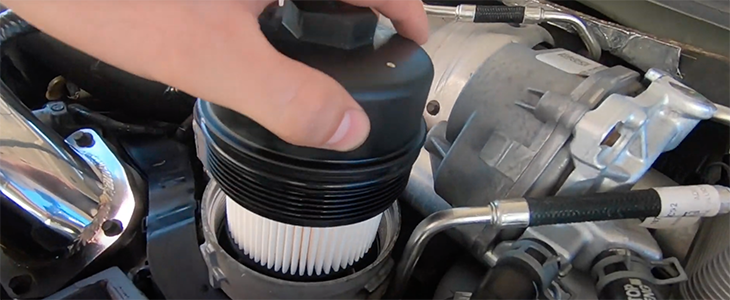
The fuel filter traps dirt and water from diesel fuel. It stops tiny particles from entering the engine. Water in fuel can cause rust and damage parts. The filter removes water and dirt before fuel reaches the engine. This keeps the fuel system clean and protects parts.
Impact On Engine Performance
A clean fuel filter helps the engine run well. It lets fuel flow easily and keeps power steady. A clogged filter blocks fuel flow and causes poor engine response. The engine may lose power and use more fuel. Changing the fuel filter on time keeps the engine strong and saves money on repairs.
Credit: boodmo.com
Signs To Replace Fuel Filter
Knowing when to change your diesel car’s fuel filter helps keep the engine healthy. The fuel filter traps dirt and rust from the fuel. Over time, it clogs and stops fuel from flowing well. Watch for clear signs your fuel filter needs replacing. Acting on these signs avoids engine damage and costly repairs.
Engine Trouble Symptoms
Your diesel engine may run rough or stall if the fuel filter is dirty. You might hear sputtering or notice a weak start. The engine can lose power during acceleration. Hesitation or jerking while driving also signals fuel flow issues. These problems happen because the clogged filter blocks fuel delivery.
Fuel Efficiency Drops
A clogged fuel filter reduces your car’s fuel efficiency. The engine works harder to get fuel, using more diesel. You may see a sudden drop in miles per gallon. Frequent trips to the gas station can mean the filter is dirty. Changing the filter restores smooth fuel flow and better mileage.
Warning Lights
Your car’s dashboard may show warning lights related to the engine or fuel system. The check engine light often comes on when the fuel filter is blocked. Some cars have a specific fuel filter warning light. Do not ignore these signals. They tell you to inspect and possibly replace the fuel filter soon.
Recommended Replacement Intervals
Knowing the right time to change your diesel car’s fuel filter keeps the engine healthy. It helps stop dirt and water from damaging the fuel system. Changing the filter at the right intervals avoids costly repairs and keeps the car running smoothly. The recommended replacement times depend on several factors. Here are key points to consider.
Manufacturer Guidelines
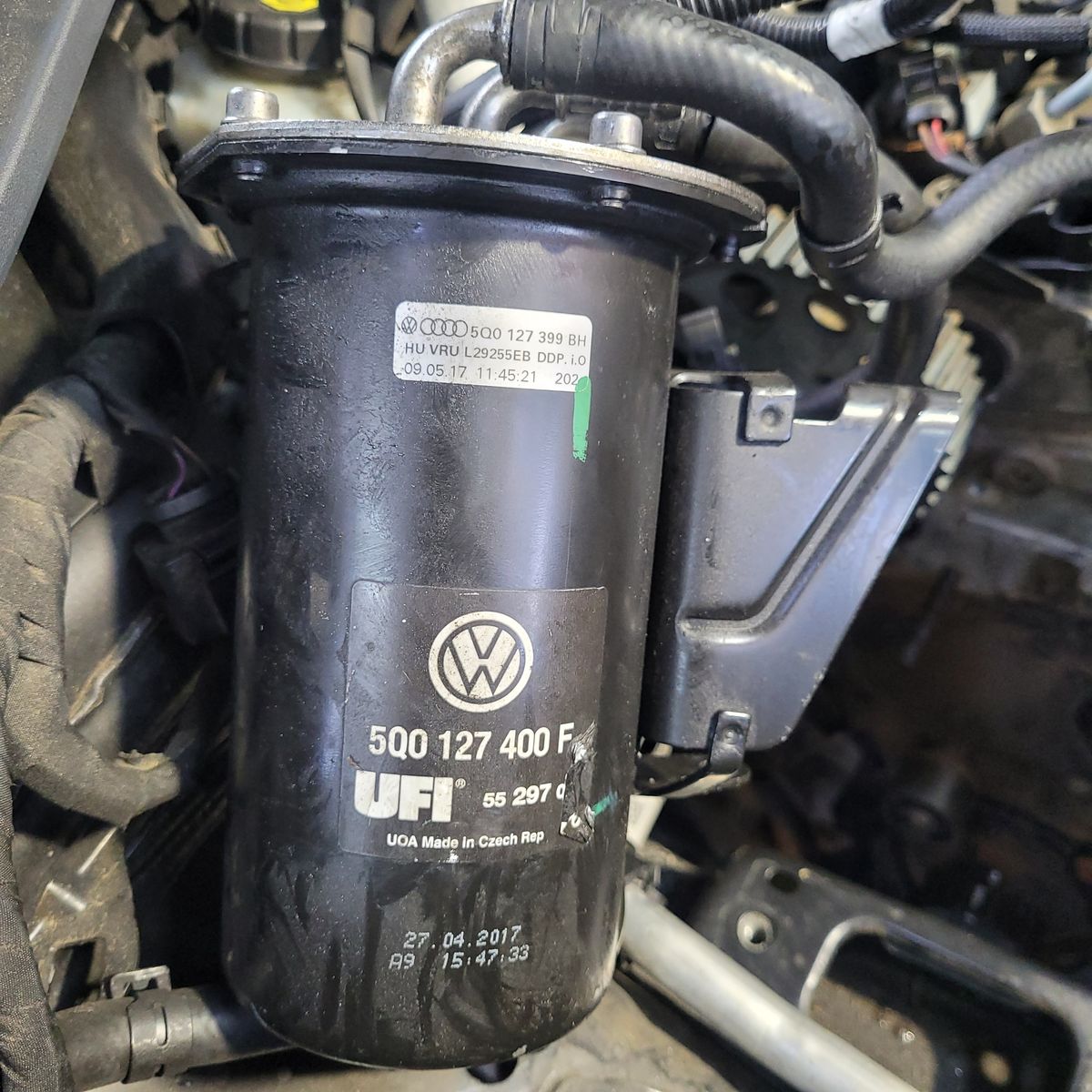
Car makers give specific advice on fuel filter changes. This information is in the owner’s manual. It usually tells you how many miles or months to wait before replacing the filter. Following these guidelines keeps your warranty safe. It also ensures the fuel system works well.
Driving Conditions Influence
Driving in tough conditions can clog the filter faster. Dusty roads or frequent short trips add more dirt to the fuel. Cold weather may cause water in the filter to freeze. Such conditions mean you should change the filter more often. Regular checks help spot problems early.
Mileage Vs Time Considerations
Some filters wear out with use, others with time. High mileage means more fuel passes through the filter. Old fuel can also cause filter problems even if miles are low. Change the filter based on either miles or months, whichever comes first. This balance keeps your diesel engine safe and efficient.
Credit: grimmermotors.co.nz
Consequences Of Neglecting Fuel Filter Change
Neglecting to change the fuel filter in a diesel car causes serious problems. The fuel filter cleans dirt and debris from the fuel. Without regular changes, dirt builds up and blocks fuel flow. This leads to poor engine performance and costly repairs. Understanding these risks helps keep your car running smoothly.
Engine Damage Risks
A clogged fuel filter reduces fuel flow to the engine. The engine may run rough or stall. Dirt can reach engine parts, causing wear and damage. Over time, this damage lowers engine life and power. Changing the fuel filter protects the engine from harm.
Fuel System Issues
Dirty fuel filters strain the fuel pump. The pump works harder to push fuel through blockages. This can cause pump failure or leaks. Fuel injectors may also clog, leading to poor fuel spray and inefficient combustion. Regular filter changes keep the whole fuel system healthy.
Increased Repair Costs
Ignoring fuel filter changes leads to bigger repairs. Engine damage, fuel pump failure, and injector problems cost much more. Repair bills rise as small issues grow. Changing the fuel filter on time saves money and prevents expensive fixes.
How To Change Diesel Fuel Filter
Changing the diesel fuel filter is important for your car’s engine health. It removes dirt and water from the fuel. Clean fuel helps the engine run smoothly and last longer.
Changing the filter is simple. You can do it at home with the right tools. Follow clear steps to avoid mistakes and keep safe.
Tools Needed
- New diesel fuel filter
- Wrench set
- Screwdrivers
- Drain pan
- Gloves
- Rags or paper towels
- Safety glasses
- Fuel line clamps (optional)
Step-by-step Process
- Park the car on a flat surface and turn off the engine.
- Open the hood and locate the fuel filter.
- Place the drain pan under the filter to catch any fuel.
- Use the wrench to loosen the fuel lines from the old filter.
- Remove the old filter carefully to avoid spilling fuel.
- Install the new filter in the same position.
- Tighten the fuel lines securely to prevent leaks.
- Start the engine and check for any leaks.
- Dispose of the old filter and fuel safely.
Safety Precautions
- Wear gloves and safety glasses to protect skin and eyes.
- Work in a well-ventilated area to avoid inhaling fumes.
- Avoid open flames and sparks near fuel.
- Keep a fire extinguisher nearby just in case.
- Clean up any spilled fuel immediately.
- Dispose of old fuel and filters according to local laws.

Credit: www.youtube.com
Professional Service Vs Diy
Deciding between professional service and DIY for changing your diesel car’s fuel filter can affect your car’s health and your wallet. Both options have clear advantages depending on your skills, tools, and budget.
Understanding these choices helps you maintain your diesel engine efficiently.
Benefits Of Professional Help
Professionals have the right tools and experience for the job. They can spot other issues during the service. This reduces the risk of damage to the fuel system. Professionals also guarantee their work. This means you get peace of mind. Your car is more likely to run smoothly after a professional service.
When To Diy
DIY suits those with basic mechanical skills and tools. If you have changed filters before, you might try it yourself. Simple models often allow easy access to the fuel filter. DIY can save money and time if done correctly. Always follow the car manual and safety rules. Avoid DIY if unsure about the process.
Cost Comparison
Professional service costs more due to labor and expertise. Expect to pay for parts and service fees. DIY costs mainly include buying the fuel filter and some tools. Initial tool costs can be higher but useful for future jobs. DIY is cheaper but risky if you lack experience. Balance cost savings with potential risks carefully.
Tips To Extend Fuel Filter Life
Extending the life of your diesel car’s fuel filter saves money and prevents engine problems. Simple steps can keep the filter clean and working well. These tips help your fuel filter last longer and keep your car running smoothly.
Follow easy habits that protect the fuel filter from dirt and clogging. Proper care means fewer replacements and better engine health.
Using Quality Fuel
Always fill your tank with good quality diesel fuel. Cheap or contaminated fuel clogs the filter faster. Clean fuel reduces dirt and water in the system. Choose fuel from trusted stations only. This prevents dirt from entering the filter and engine.
Regular Maintenance
Check your fuel filter at regular intervals. Follow the car maker’s service schedule. Replace the filter if it shows signs of dirt or blockage. Clean fuel lines and tanks during service. Routine checks keep the filter clear and working well. Early detection avoids costly repairs.
Fuel Additives
Use fuel additives designed for diesel engines. These products clean fuel and remove water. Additives help protect the filter from deposits. They improve fuel flow and engine performance. Always follow the instructions on the additive package. Proper use supports longer fuel filter life.
Frequently Asked Questions
How Often Should I Change A Diesel Fuel Filter?
Typically, change the diesel fuel filter every 20,000 to 40,000 miles. Always check your car’s manual for specific intervals. Regular changes ensure optimal engine performance and fuel efficiency. Delaying replacement can cause clogs and engine damage.
What Are Signs Of A Clogged Diesel Fuel Filter?
Common signs include engine misfires, reduced power, rough idling, and difficulty starting. You may also notice poor fuel efficiency. If these symptoms appear, inspect and replace the fuel filter promptly to avoid further engine problems.
Can I Drive With A Dirty Diesel Fuel Filter?
Driving with a dirty filter can harm engine performance and fuel economy. It may cause stalling or difficulty starting. It’s best to replace the filter as soon as possible to maintain smooth engine operation and prevent costly repairs.
Does Fuel Quality Affect Diesel Filter Lifespan?
Yes, poor-quality fuel clogs filters faster, shortening their lifespan. Using clean, high-quality diesel helps prolong filter life. Regular maintenance and proper fuel selection are key to preventing premature fuel filter replacement.
Conclusion
Changing the fuel filter regularly keeps your diesel car running well. It prevents dirt and water from reaching the engine. Most experts suggest changing it every 20,000 to 40,000 miles. Check your car’s manual for the exact time. Clean filters help save fuel and avoid engine problems.
Don’t wait until you notice issues. Small steps like this protect your car’s health. Stay on schedule, and your diesel engine will thank you. Simple care makes a big difference in performance and longevity.


