

When was the last time you checked your brake rotors and pads? If you’re unsure, it’s time to pay close attention.
Your brakes are one of the most important parts of your car, keeping you safe every time you hit the road. But how often should you replace them? Knowing the right time can save you money, prevent accidents, and keep your driving smooth.
You’ll discover the signs to watch for and the best schedule to follow for replacing your brake rotors and pads. Keep reading to protect yourself and your vehicle before it’s too late.
Credit: www.powerstop.com
Signs Of Worn Brake Pads
Worn brake pads affect your car’s safety and performance. Recognizing the signs early helps avoid costly repairs. Watch out for sounds, braking changes, and visible wear.
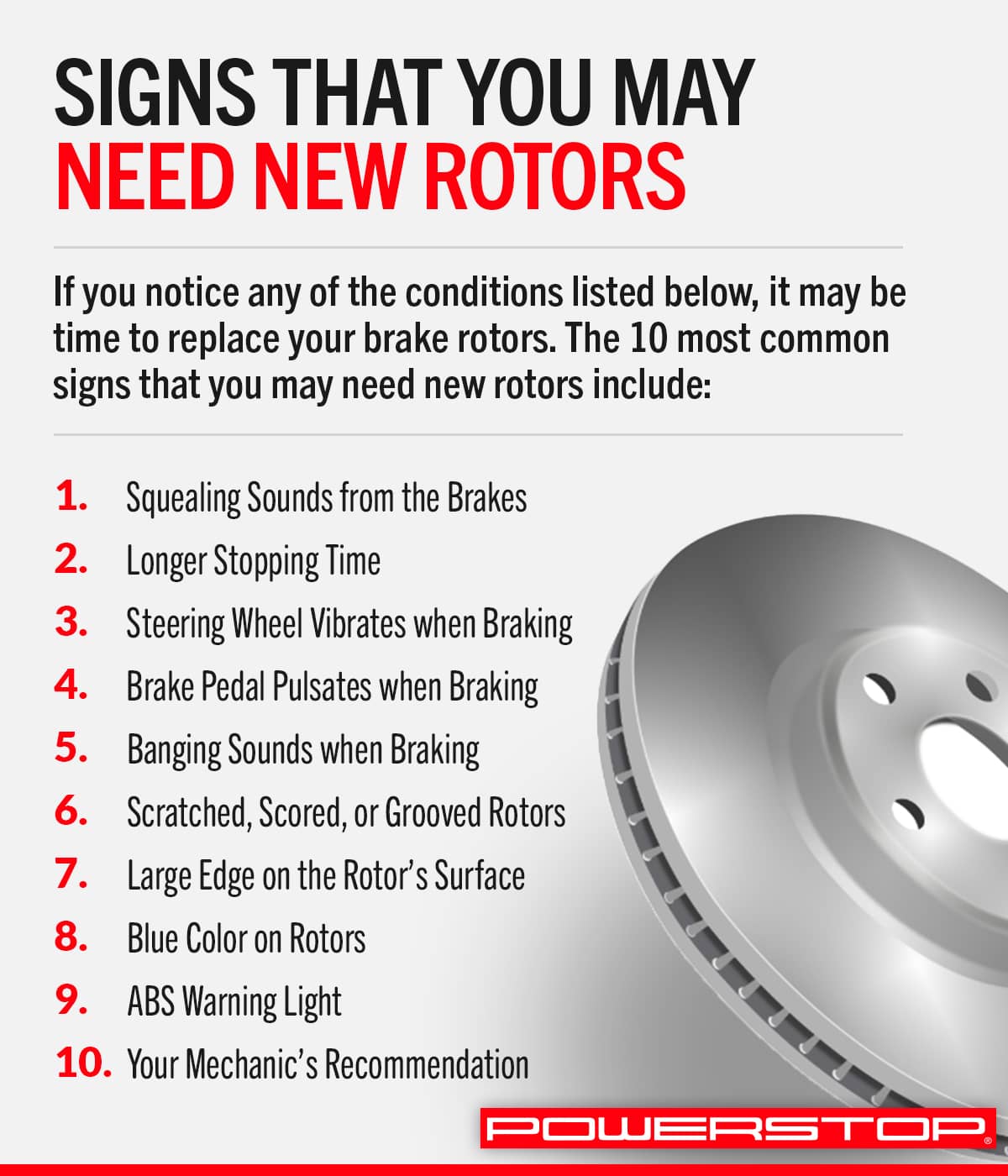
Squeaking And Grinding Noises
Squeaking sounds often mean brake pads are thin. These noises warn you to check pads soon. Grinding noises are worse. They show metal rubbing on rotors. This damage needs immediate attention.
Reduced Braking Performance
Brakes that feel less responsive are a clear sign. It may take longer to stop the car. The brake pedal might feel soft or spongy. These symptoms mean pads are worn out.
Visual Inspection Tips
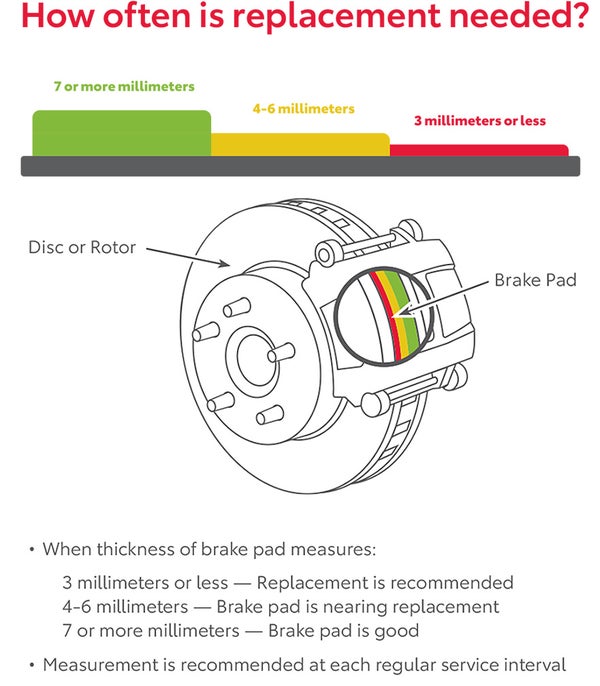
Look through your wheel spokes at the brake pads. Pads thinner than 1/4 inch need replacement. Check for deep grooves or cracks on rotors. Uneven pad wear also signals a problem.

Credit: vatire.com
When To Replace Brake Rotors
Brake rotors wear down over time and need replacement to keep your car safe. Knowing when to replace them helps avoid accidents and expensive repairs. Watch for signs like thinning, damage, or strange sensations while braking.
Check rotors regularly, especially if brakes feel different or noisy. Understanding rotor wear can save money and improve driving safety.
Rotor Thickness And Wear Limits
Rotors have a minimum thickness limit set by the manufacturer. This limit ensures rotors can handle heat and braking force safely. Use a micrometer to measure thickness. Replace rotors if they are below this limit. Thin rotors can crack or warp easily.
Warping And Surface Damage
Heat can cause rotors to warp or develop cracks. Warped rotors create uneven contact with brake pads. Surface damage like grooves or rust affects braking performance. Deep grooves make pads wear faster. Replace rotors showing warping or serious surface damage.
Vibration And Pulsation Symptoms
Feeling vibrations or pulsations in the brake pedal means rotor problems. Warped rotors cause uneven braking pressure. Pulsating brakes reduce control and increase stopping distance. Pay attention to these signs and inspect rotors quickly.
Factors Affecting Brake Wear
Brake wear depends on many factors. Knowing these helps you keep your car safe. It also saves money on repairs. Understanding what affects brake rotors and pads can guide your maintenance schedule.
Driving Habits And Conditions
Hard braking wears out brake pads faster. Frequent stop-and-go traffic also speeds up wear. Driving on steep hills adds extra stress to brakes. Smooth, steady driving helps brake parts last longer. Dusty or wet roads can cause brake damage too.
Quality Of Brake Components
Cheap brake pads wear out quickly. High-quality parts last much longer. Premium rotors resist warping and cracks better. Using original equipment manufacturer (OEM) parts ensures good fit. Always choose reliable brands for safety and durability.
Vehicle Type And Usage
Heavy vehicles put more strain on brakes. Trucks and SUVs need stronger brake parts. Frequent towing or carrying heavy loads increases wear. City cars face more brake use than highway cars. Your vehicle’s use affects how often to replace brakes.
Credit: www.rosevilletoyota.com
Maintenance Intervals For Pads And Rotors
Brake pads and rotors need regular checks and timely replacement. Proper maintenance keeps your car safe and brakes working well. Knowing when to replace these parts helps avoid costly repairs and accidents.
Brake parts wear down over time. Replacing them at the right time ensures smooth stops and better control on the road. Below are key points on maintenance intervals for pads and rotors.
Manufacturer Recommendations
Car makers give clear advice on brake pad and rotor replacement. Check your vehicle’s manual for exact intervals. These guidelines are based on tests and real driving conditions. Following them keeps your brakes reliable and safe.
Mileage-based Guidelines
Brake pads usually last between 30,000 and 70,000 miles. Rotors often need replacement every 50,000 to 70,000 miles. These numbers vary by driving style and road conditions. Use mileage as a general rule, not a fixed schedule.
Signs To Inspect Sooner
Listen for squealing or grinding noises when braking. Feel for vibrations or pulsing in the brake pedal. Look for visible wear or grooves on the rotors. These signs mean check your brakes immediately. Early inspection prevents bigger damage and keeps you safe.
Diy Vs Professional Replacement
Deciding between doing your brake rotor and pad replacement yourself or hiring a professional can be challenging. Both choices have benefits and drawbacks. Understanding what each option involves helps you make a smart decision. This section covers key points about tools, safety, and cost.
Tools And Skills Required
Replacing brake rotors and pads needs specific tools. You must have a jack, lug wrench, socket set, and brake caliper tool. Skills in loosening bolts and handling car parts are essential. Without experience, mistakes can happen easily. Professionals have the right tools and know-how to finish the job correctly and quickly.
Safety Considerations
Brakes are a critical safety part of your car. Incorrect installation can cause brake failure. This risk puts you and others in danger. Professionals follow strict safety steps and check their work. DIYers must be very careful and follow guides closely. Using a sturdy jack and working on a flat surface is a must.
Cost Comparison
Doing the job yourself saves money on labor fees. You only pay for parts and any tools you need. Professional service costs more but includes labor and warranty. Mistakes during DIY repairs can lead to higher expenses later. Professionals offer peace of mind and reliable results, which can be worth the extra cost.
Extending Brake Component Lifespan
Extending the lifespan of brake rotors and pads saves money and keeps driving safe. Proper care reduces wear and tear. Small habits can make a big difference. Understanding how to protect these parts helps avoid early replacement.
Simple steps improve brake performance and last longer. Focus on driving style, inspections, and parts quality. These steps help brakes stay strong and reliable.
Proper Driving Techniques
Brake gently to avoid hard stops. Sudden braking wears down pads quickly. Slow down early instead of braking late. Avoid riding the brakes on hills. Use engine braking to reduce brake use. Smooth driving keeps rotors cooler and pads healthier.
Regular Inspections
Check brakes often for wear or damage. Look for thin pads or deep rotor grooves. Listen for squealing or grinding noises. Early detection stops problems from growing. Regular checks help catch issues before they get costly.
Using Quality Parts
Choose brake pads and rotors made from good materials. Cheap parts wear out faster and can harm your brakes. Quality parts fit better and last longer. They provide steady braking power and protect other brake components.
Common Mistakes To Avoid
Knowing when to replace brake rotors and pads is important for safety. Many people make mistakes that can harm their vehicle or cause accidents. Avoiding these errors saves money and keeps brakes working well.
Ignoring Warning Signs
Brake noise or vibration means something is wrong. Worn pads cause squealing sounds. Warped rotors create shaking when braking. Ignoring these signs leads to bigger problems. Always check brakes if you notice unusual sounds or feelings.
Delaying Replacement
Waiting too long to replace rotors and pads is risky. Thin pads reduce braking power. Damaged rotors can crack or warp more. Slow action increases repair costs. Change parts as soon as wear appears to stay safe.
Using Incompatible Parts
Not all brake parts fit every car. Using wrong pads or rotors causes poor braking. Parts may wear out faster or damage the system. Always buy parts made for your vehicle model. Consult a mechanic or manual before purchase.
Frequently Asked Questions
How Often Should Brake Rotors Be Replaced?
Brake rotors typically need replacement every 30,000 to 70,000 miles. This varies with driving habits and rotor quality. Regular inspections help spot wear and warping early to maintain braking performance and safety.
When Is The Right Time To Replace Brake Pads?
Brake pads usually last between 25,000 and 50,000 miles. Replace them when thickness drops below 3mm or if you hear squealing noises. Timely replacement prevents rotor damage and ensures effective braking.
Can Worn Brake Pads Damage Rotors?
Yes, worn brake pads can cause rotor damage. Thin pads lead to metal-on-metal contact, causing grooves and warping. This reduces braking efficiency and increases repair costs. Always replace pads promptly to protect rotors.
What Signs Indicate Rotor Replacement Is Needed?
Signs include vibration during braking, squealing noises, and visible grooves or cracks on rotors. Warped rotors cause pulsing in the brake pedal. Immediate inspection and replacement ensure safe braking performance.
Conclusion
Brake rotors and pads wear down with use. Regular checks keep your car safe and smooth. Replace pads every 30,000 to 70,000 miles, but it varies. Rotors may last longer but need inspection for damage. Listen for squeaks or vibrations—they signal a need for change.
Timely replacement prevents bigger problems and higher costs. Stay alert to your car’s braking feel. Proper care helps you drive with confidence and safety. Don’t delay; good brakes protect you and others on the road.

