

Your car’s brakes and rotors are the heart of your safety on the road. But how often should you replace them to keep everything working smoothly?
Ignoring worn brakes can lead to costly repairs or, worse, dangerous accidents. You might think you can wait until you hear squealing or feel vibrations, but by then, damage may already be done. You’ll discover clear signs and simple guidelines to know exactly when it’s time to replace your brakes and rotors—helping you save money, avoid risks, and drive with confidence.
Keep reading to protect yourself and your vehicle before it’s too late.
Credit: www.reddit.com
Signs Of Worn Brakes
Brakes are one of the most important parts of your car. They keep you safe on the road. Worn brakes can cause accidents and damage other parts. Knowing the signs of worn brakes helps you stay safe. It also saves money on bigger repairs. Here are some common signs to watch for.
Squeaking And Grinding Noises
A high-pitched squeak means brake pads are worn out. The noise comes from a small metal piece called a wear indicator. It rubs against the rotor to warn you. Grinding sounds are worse. It means the brake pads are gone. Metal parts hit the rotor, causing damage. Never ignore these noises.
Reduced Braking Performance
Brakes that take longer to stop are a warning. You might feel the car pulls to one side. This happens when pads wear unevenly. Your stopping distance grows, making driving risky. Reduced braking power means it’s time for a brake check. Don’t wait until it gets worse.
Brake Pedal Feel Changes
The brake pedal can feel different when brakes wear out. It may feel soft or spongy. Sometimes, it sinks closer to the floor. This change means the brake fluid or pads have issues. A hard or stiff pedal can also signal problems. Notice any changes and get your brakes tested.

Credit: www.reddit.com
When To Replace Brake Pads
Knowing when to replace brake pads is key for safe driving. Brake pads wear out over time and lose their ability to stop your car well. Replacing them on time avoids damage to other parts and saves money. Understanding the signs and lifespan helps keep your brakes in top shape.
Typical Lifespan Of Brake Pads
Brake pads usually last between 30,000 and 70,000 miles. The exact time depends on the type of brake pad and your driving style. Some pads wear out faster in city traffic with many stops. Others last longer on highways where braking is less frequent. Always check your car’s manual for specific guidance.
Factors Affecting Brake Pad Wear
Hard braking wears pads faster than gentle braking. Driving in hilly or mountainous areas causes more wear. Heavy loads or towing also increase brake pad wear. Quality of the brake pads matters too; cheaper pads wear out quickly. Weather conditions like rain or snow can affect how fast pads wear.
Visual Inspection Tips
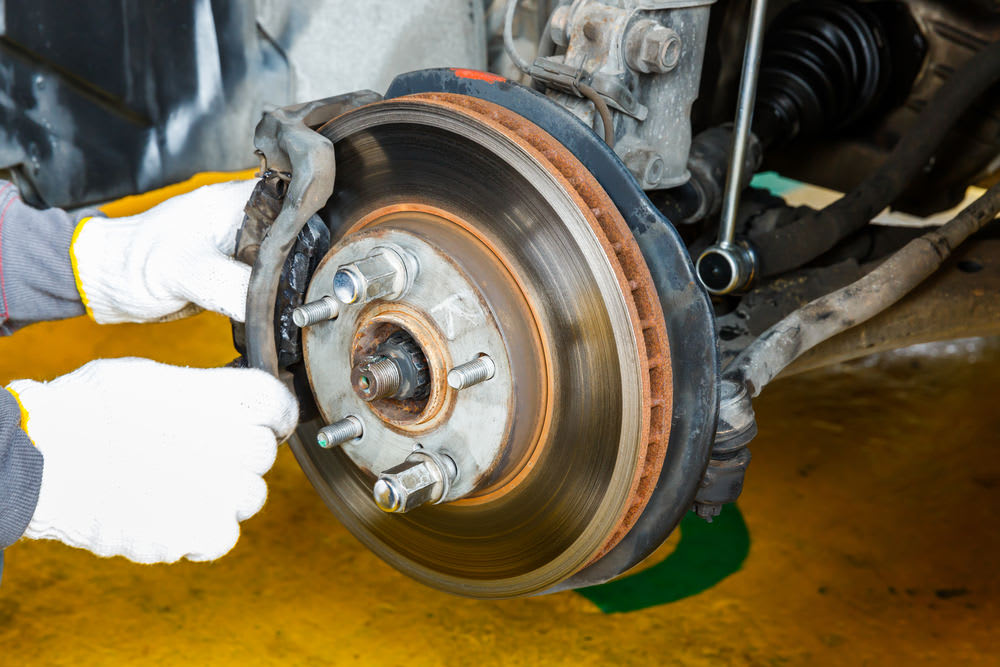
Look at your brake pads through the wheel spokes. If the pad is less than 1/4 inch thick, it’s time to replace it. Listen for a high-pitched squealing noise when braking. This sound means pads are worn. Also, check for vibration or pulling when braking. These signs show pads or rotors may need replacement.
Rotor Replacement Timing
Knowing the right time to replace your rotors is key for safe driving. Rotors play a big role in stopping your car. Over time, they wear down and lose effectiveness. Watching for signs helps you avoid brake problems. This section explains how to spot rotor issues and decide when to replace them.
Rotor Wear Indicators
Rotors have small grooves or ridges on their surface. These act as wear indicators. When rotors wear past these marks, it’s time to replace them. You might also feel vibrations or hear squealing sounds while braking. These signs show the rotors are thinning or uneven. Checking these indicators regularly helps catch problems early.
Common Rotor Damage Types
Rotors can suffer from cracks, warping, and deep grooves. Cracks occur from overheating during heavy braking. Warping causes the rotor surface to become uneven. This leads to shaking or pulsing brakes. Deep grooves happen from worn brake pads or debris caught between pad and rotor. Each damage type reduces braking power and calls for rotor attention.
Resurfacing Vs. Replacing Rotors
Resurfacing smooths out minor rotor damage. It removes thin layers to restore a flat surface. This works only if rotors are thick enough afterward. If rotors are too thin or badly damaged, replacement is safer. New rotors ensure better braking and longer life. Mechanics decide based on rotor thickness and damage severity.
Brake Maintenance Best Practices
Proper brake maintenance keeps your vehicle safe and smooth. It also saves money on costly repairs. Following simple brake care tips can extend the life of your brakes and rotors. Knowing how to maintain brakes helps prevent sudden failures and improves driving comfort.
Regular Brake Inspections
Check your brakes often. Look for signs like squeaking, grinding, or soft pedal feel. Inspect brake pads for thickness. Thin pads need replacement. Also, check rotors for grooves or cracks. Catching problems early avoids bigger damage and expenses.
Driving Habits That Extend Brake Life
Drive gently to protect your brakes. Avoid hard braking and sudden stops. Use engine braking by shifting gears down on hills. Keep a safe distance to reduce frequent braking. Smooth driving reduces wear on brake parts and saves fuel.
Importance Of Professional Checks
Have a mechanic check your brakes regularly. Professionals spot hidden issues and measure brake wear accurately. They can fix problems before they become dangerous. Professional service ensures your brakes work well and last longer.
Safety Risks Of Delayed Replacement
Delaying the replacement of brakes and rotors can lead to serious safety risks. Worn-out brakes reduce your car’s ability to stop quickly. This increases the chance of accidents. Rotors that are too thin or damaged cause vibrations and noise. Both issues affect driving safety and comfort. Understanding these risks helps you avoid dangerous situations on the road.
Impact On Vehicle Control
Worn brakes lengthen stopping distance. This reduces your control during sudden stops. Damaged rotors cause the car to shake when braking. Shaking affects steering and balance. Poor control can lead to crashes, especially on wet or slippery roads. Timely brake and rotor replacement keeps your vehicle stable and safe.
Increased Repair Costs
Delaying replacements often damages other parts. Brake pads can wear down to the metal. This damages the rotors more deeply. Repairing rotors costs more than just replacing pads. Ignoring brake problems can also harm wheel bearings and suspension. Fixing these extra damages is expensive and time-consuming.
Legal And Insurance Implications
Driving with faulty brakes can break traffic laws. Police may issue fines or citations. In an accident, insurance may deny claims if brakes were poorly maintained. This leaves you responsible for all costs. Safe brakes help you avoid legal troubles and keep insurance valid.
Credit: www.yourmechanic.com
Choosing Quality Brake Components
Choosing quality brake components is key for safe driving and long-lasting parts. Good brakes stop your car better. They also last longer and reduce repair costs. Spending on better parts saves money over time. It also keeps your vehicle reliable and safe on the road.
Not all brake parts are the same. The right choice depends on your car and driving style. Understanding the differences helps you pick parts that fit your needs. This guide explains the main types of brake components and what to consider.
Oem Vs. Aftermarket Parts
OEM parts come from the vehicle’s original maker. They fit perfectly and meet factory standards. Aftermarket parts are made by other companies. They often cost less and offer more choices. Some aftermarket parts perform better than OEM. Others may wear out faster. Choose based on quality, price, and warranty.
Material Types And Their Benefits
Brake pads and rotors use different materials. Ceramic pads are quiet and clean but cost more. Semi-metallic pads last long and cool well. They may cause more noise. Organic pads are soft and cheap but wear fast. Rotors can be solid, drilled, or slotted. Drilled and slotted rotors help cool brakes and reduce fade. Match materials to your driving and climate.
Trusted Brands And Certifications
Choose brands with a good reputation for quality. Look for certifications like DOT or ECE approval. These show the parts meet safety standards. Trusted brands invest in testing and use quality materials. This reduces the risk of failures. Check reviews and ask experts before buying.
Frequently Asked Questions
How Often Should Brake Pads Be Replaced?
Brake pads typically need replacement every 30,000 to 70,000 miles. Driving habits and vehicle type affect this. Regular inspections help catch wear early.
When Do Brake Rotors Need Replacement?
Brake rotors usually last between 50,000 and 70,000 miles. They need replacement if warped, cracked, or below minimum thickness. Signs include vibration or noise.
Can I Replace Brake Pads Without Changing Rotors?
You can replace brake pads without changing rotors if rotors are in good condition. However, worn rotors may reduce brake performance and cause noise.
What Are Signs Of Worn Brakes And Rotors?
Common signs include squealing sounds, vibrations, longer stopping distances, and dashboard warning lights. Early detection prevents costly repairs and ensures safety.
Conclusion
Brake and rotor care keeps your car safe and reliable. Check them regularly for wear and damage. Replace brakes every 30,000 to 70,000 miles, depending on use. Rotors last longer but need attention when worn or warped. Listen for squeaks or vibrations while driving.
These signs show it’s time for a change. Proper maintenance prevents accidents and costly repairs. Stay alert to keep your brakes in good shape. Your safety depends on it.


