

If you drive a diesel vehicle, you might wonder, “How often should I replace my fuel filter?” This small but crucial part keeps your engine running smoothly by filtering out dirt and debris from the fuel. Ignoring it can lead to poor performance, costly repairs, or even engine failure.
You’ll discover the signs that tell you it’s time for a change and how sticking to the right schedule can save you money and headaches. Keep reading to protect your engine and get the most out of every mile.
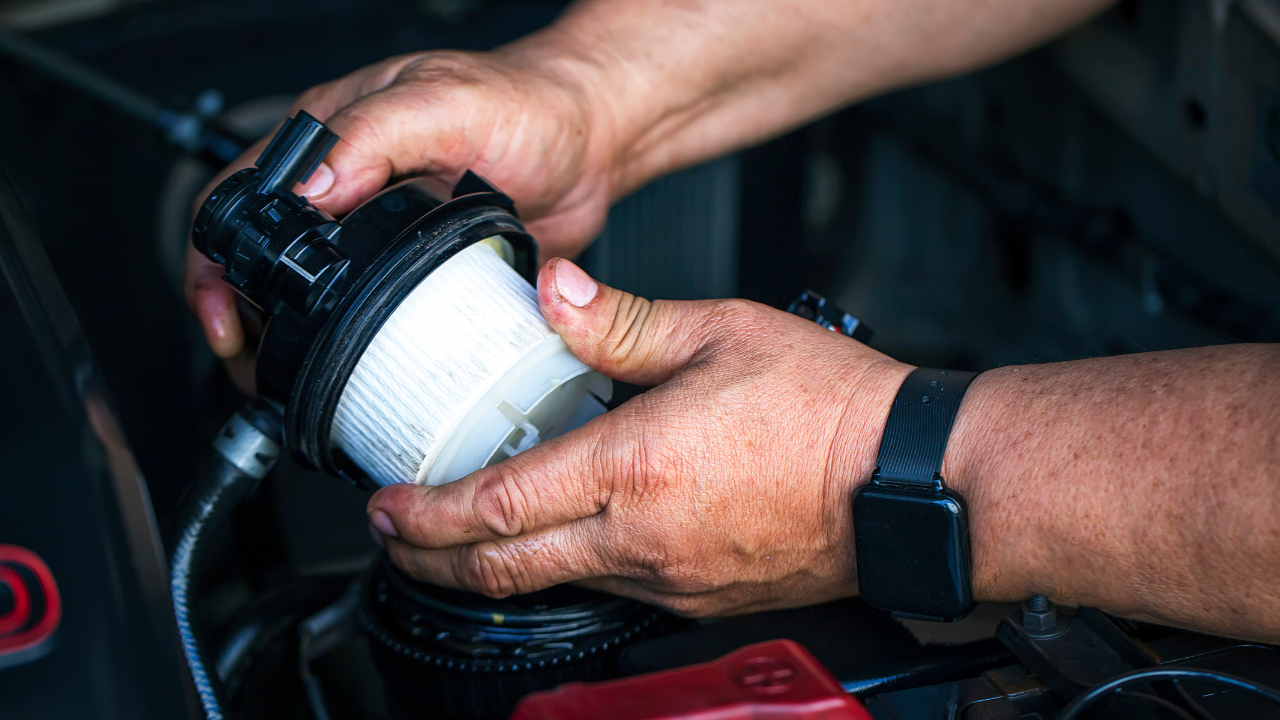
Credit: universalautospares.com.au
Role Of Diesel Fuel Filters
The diesel fuel filter plays a key role in keeping your engine safe and running well. It cleans the fuel before it reaches the engine. Dirt, rust, and water can get into diesel fuel. These impurities can harm the engine if not removed. The fuel filter stops these problems by catching harmful particles. This helps the engine last longer and work better.
Filtering Contaminants
The fuel filter traps dirt, dust, and rust from diesel fuel. It also removes water, which can damage engine parts. Clean fuel means the engine gets only pure diesel. This protects the engine from wear and tear. The filter works as a barrier to keep harmful materials out.
Protecting Engine Components
Fuel filters protect vital engine parts like injectors and pumps. Dirty fuel can clog injectors and cause poor spray patterns. It can also wear down the fuel pump. Clean fuel helps these parts work smoothly and last longer. The filter stops damage by catching particles early.
Impact On Performance
A clean fuel filter improves engine performance. The engine runs smoothly without blockages in fuel flow. It helps the engine start easily and run without hesitation. Dirty filters reduce power and increase fuel use. Regular filter changes keep your vehicle running strong.
Signs Of A Clogged Fuel Filter
A clogged fuel filter can cause many problems in a diesel engine. It blocks the flow of fuel and reduces engine performance. Knowing the signs of a clogged fuel filter helps you act before serious damage happens. Watch for changes in how your engine runs and sounds.
Engine Misfires
Engine misfires occur when fuel flow is uneven. The engine may hesitate or jerk during acceleration. Misfires happen because the clogged filter stops enough fuel from reaching the engine. This makes the combustion process weak and unstable.
Reduced Power
Reduced power is a common sign of a dirty fuel filter. The engine feels weaker and slower than usual. It struggles to keep speed, especially uphill or with heavy loads. The filter limits fuel supply, so the engine cannot perform at its best.
Starting Issues
Starting problems often show up with a clogged fuel filter. The engine may take longer to start or fail to start at all. Fuel cannot reach the engine fast enough to ignite properly. This causes delays and frustration every time you try to start your vehicle.
Unusual Noises
Unusual noises come from the engine when the fuel filter is blocked. You might hear sputtering or knocking sounds. These noises happen because the engine struggles to get a steady fuel supply. Ignoring these sounds can lead to bigger engine problems later.
Recommended Replacement Intervals
Knowing the right time to replace your diesel fuel filter keeps your engine running smoothly. The fuel filter protects the engine by catching dirt and rust in the fuel. Replacing it at the right time prevents engine problems and saves money on repairs. Replacement intervals vary. Factors like manufacturer advice, driving habits, and mileage all affect when to change the filter.
Manufacturer Guidelines
Check your vehicle’s manual for specific fuel filter replacement advice. Manufacturers set intervals based on engine type and fuel system design. These intervals usually range from 10,000 to 30,000 miles. Following these guidelines helps avoid early filter clogging and engine damage. Stick to the schedule for best performance and fuel efficiency.
Driving Conditions Impact
Driving in dusty or dirty areas clogs the fuel filter faster. Frequent short trips or stop-and-go traffic also strain the filter. Vehicles used in harsh conditions may need filter changes more often. Off-road or construction site driving demands extra care. Adjust replacement frequency based on your driving environment to protect the fuel system.
Mileage Vs Time Factors
Fuel filters degrade over time, even if mileage is low. Old filters can cause fuel flow problems and engine hesitation. Most experts recommend replacing the filter every 1 to 2 years, regardless of miles driven. High mileage means more frequent changes. Both time and mileage should guide your fuel filter replacement plan.
Factors Affecting Replacement Frequency
Several factors influence how often a diesel fuel filter needs changing. Not all engines face the same conditions. Understanding these factors helps keep your vehicle running smoothly. Regular checks can prevent engine problems and save money.
Fuel Quality
Fuel quality plays a big role in filter life. Poor-quality diesel has more dirt and water. This dirt clogs the filter faster. Clean fuel helps the filter last longer. Always use fuel from trusted sources.
Environmental Conditions
Dusty or wet environments affect filter replacement. Driving in dusty areas makes the filter dirty quickly. Moisture in fuel can cause corrosion inside the filter. Cold weather may also cause fuel to gel. These conditions shorten the filter’s lifespan.
Vehicle Usage Patterns
How often and how far you drive matters. Frequent short trips do not allow the engine to warm up fully. This causes more moisture and dirt buildup. Long highway drives are easier on the filter. Heavy loads and towing increase fuel contamination. Adjust replacement intervals based on your driving habits.
Step-by-step Replacement Process
Replacing a diesel fuel filter is key for engine health. It stops dirt and rust from clogging the fuel system. This step-by-step guide shows how to replace the filter safely and correctly. Follow each step carefully to keep your diesel engine running smoothly.
Tools Needed
Prepare these tools before starting the replacement:
- New diesel fuel filter
- Wrenches or socket set
- Clean rags
- Container for old fuel
- Gloves and safety glasses
- Fuel line disconnect tool (if needed)
Safety Precautions
Always work in a well-ventilated area. Avoid sparks and open flames near fuel. Wear gloves and safety glasses to protect skin and eyes. Make sure the engine is cool before starting. Keep a fire extinguisher nearby for emergencies.
Removing Old Filter
Locate the fuel filter housing under the hood or near the fuel tank. Place a container below to catch any spilled fuel. Loosen the fuel lines carefully using wrenches or the disconnect tool. Unscrew the old filter and remove it slowly to avoid fuel spills.
Installing New Filter
Check the new filter for any damage. Lubricate the rubber seal with clean diesel fuel. Screw the new filter into the housing by hand until tight. Reconnect the fuel lines securely to prevent leaks. Clean any spilled fuel with a rag.
Bleeding The Fuel System
Air can block fuel flow after replacement. Use the manual pump or ignition key to bleed air. Pump the filter lever until fuel flows smoothly without bubbles. Start the engine and check for leaks. Repeat bleeding if the engine runs roughly.
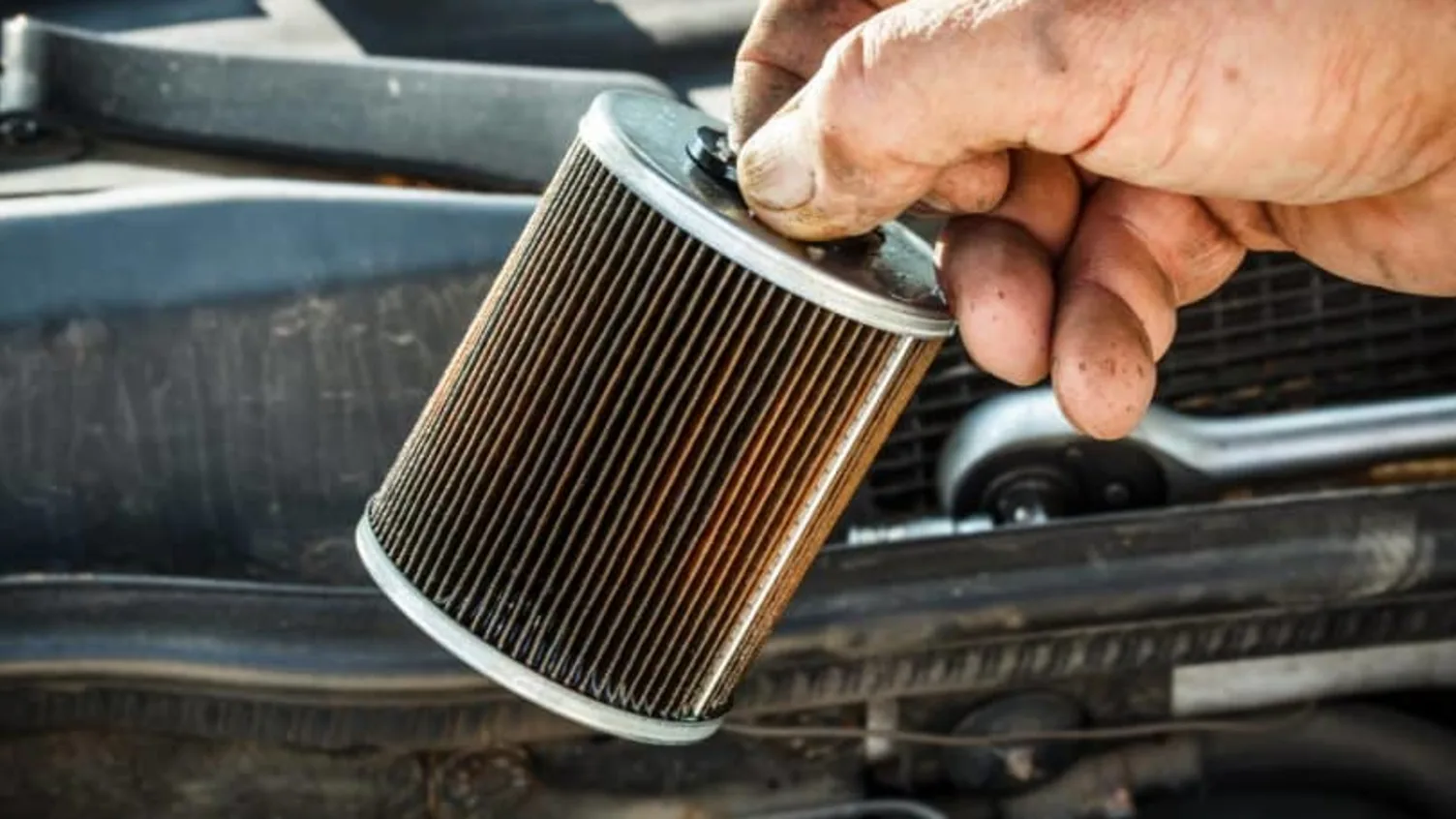
Credit: www.bigboxcars.com.au
Consequences Of Neglecting Replacement
Neglecting to replace the diesel fuel filter can cause serious problems. Dirt and debris build up inside the filter over time. This blocks fuel flow and harms engine parts. Small issues turn into big, costly repairs fast.
Fuel filters keep the diesel clean. Dirty fuel harms the engine’s performance and lifespan. Ignoring filter replacement reduces power and causes breakdowns. The engine works harder and wears out quicker.
Engine Damage Risks
Clogged filters restrict fuel flow to the engine. This leads to poor combustion and rough running. The engine may misfire or stall unexpectedly. Over time, parts like injectors and pumps get damaged. Repairs can cost hundreds or thousands of dollars.
Fuel Efficiency Loss
A dirty fuel filter lowers fuel pressure. The engine uses more fuel to maintain power. This reduces miles per gallon significantly. You spend more money at the pump. Regular filter changes keep fuel use low and efficient.
Increased Emissions
Poor fuel combustion creates more smoke and pollution. Blocked filters cause incomplete burning of diesel. This raises harmful exhaust emissions. The vehicle may fail emissions tests or inspections. Clean filters help keep the environment safer.
Tips For Maintaining Diesel Fuel System
Maintaining the diesel fuel system is key for a healthy engine. It helps avoid costly repairs and keeps your vehicle running smoothly. Simple care steps extend the life of your fuel filter and engine parts.
Regular checks and good habits protect your diesel system from dirt and damage. Clean fuel and proper storage lower risks of blockages and wear. Follow these tips to keep your diesel fuel system in top shape.
Regular Inspections
Check the fuel filter and fuel lines often. Look for cracks, leaks, or dirt buildup. Early detection stops small problems from growing. Inspect parts after long trips or rough roads. Replace filters as recommended by the manufacturer.
Using Quality Fuel
Always choose clean, high-quality diesel fuel. Low-quality fuel can clog the filter and harm the engine. Use trusted stations to fill your tank. Avoid buying fuel in bad weather to reduce water contamination.
Proper Storage Practices
Store diesel fuel in a cool, dry place. Avoid exposure to sunlight and moisture. Keep fuel containers sealed tightly to stop dirt and water from entering. Use fuel stabilizers if storing for long periods.
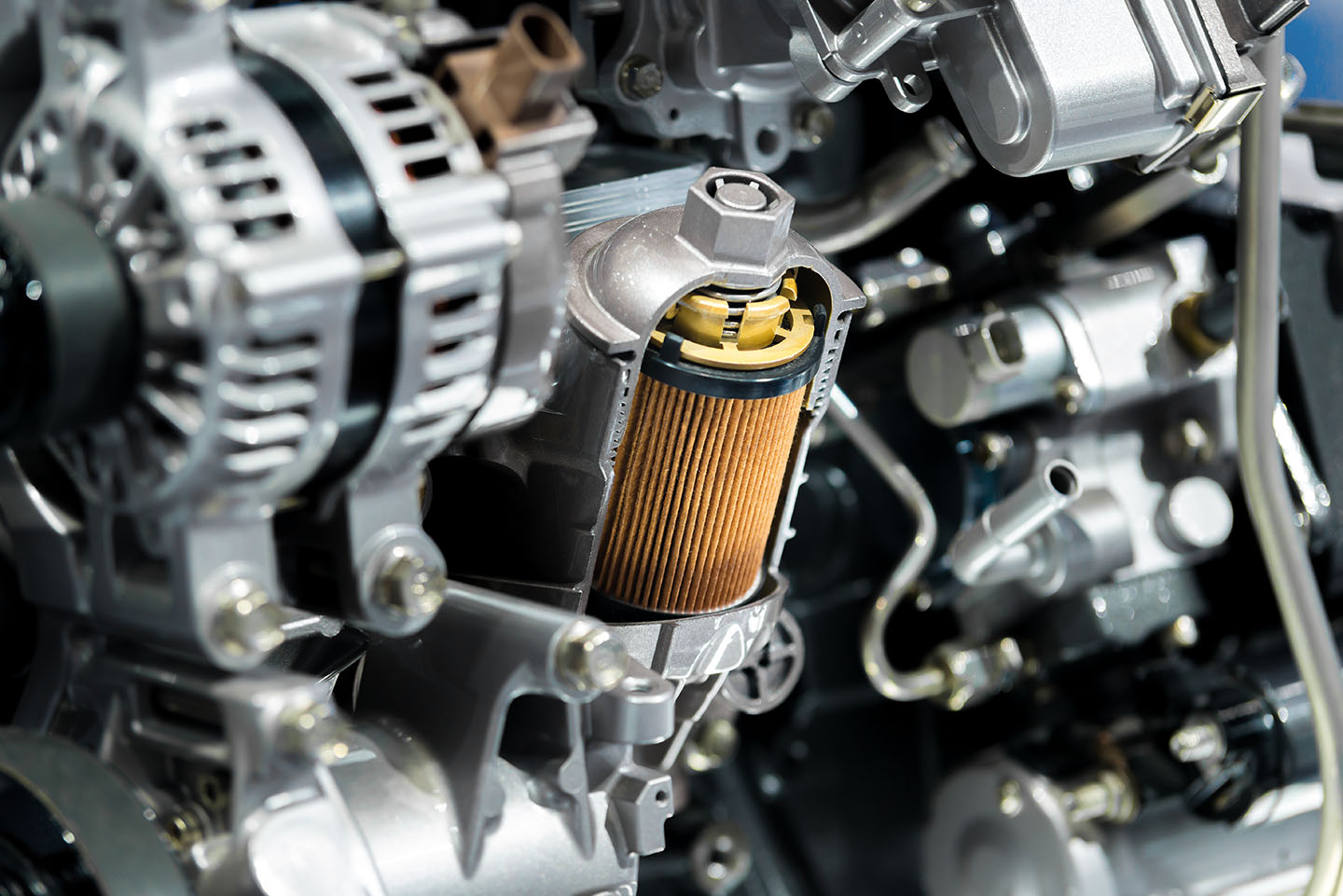
Credit: bostechauto.com
Frequently Asked Questions
How Often Should I Replace A Diesel Fuel Filter?
Replace the diesel fuel filter every 10,000 to 15,000 miles. Check your vehicle’s manual for specific intervals. Regular replacement ensures clean fuel flow and protects the engine.
What Are Signs Of A Clogged Diesel Fuel Filter?
Symptoms include engine misfires, reduced power, stalling, and hard starts. If you notice these, inspect and possibly replace the fuel filter promptly.
Can Neglecting Diesel Fuel Filter Replacement Cause Damage?
Yes, a clogged filter restricts fuel flow, causing engine strain. This can lead to costly repairs and reduced engine efficiency over time.
Does Driving Condition Affect Diesel Fuel Filter Lifespan?
Yes, dusty or harsh environments clog filters faster. Frequent short trips also reduce filter life. Adjust replacement intervals accordingly for optimal performance.
Conclusion
Replacing your diesel fuel filter regularly keeps your engine healthy. Dirty filters block fuel flow and reduce performance. Check your vehicle manual for the best replacement schedule. Signs like rough idling or poor acceleration mean it’s time to change the filter.
Clean fuel helps avoid costly repairs and extends engine life. Stay on top of maintenance for smooth, efficient driving. Don’t wait for problems to start; take action early. A simple filter change can save you money and stress. Keep your diesel engine running strong and reliable.


