
You’ve invested in a garage to protect your car from the harsh elements. But did you know that even a garaged car needs regular waxing?
You might wonder how often you should wax your car when it’s not exposed to rain, sun, or dirt every day. Getting this right can keep your car’s paint shiny, prevent damage, and save you money on costly repairs. Keep reading to discover the perfect waxing schedule for your garaged car and learn simple tips to keep it looking fresh and new for years to come.
Credit: bona-store.com
Factors Affecting Wax Frequency
Knowing how often to wax a garaged car depends on several key factors. These factors affect how quickly the wax wears off and how often you need to apply it. Understanding these helps keep your car’s paint shiny and protected for longer. Let’s explore the main points that influence wax frequency.
Garage Conditions
The type of garage matters a lot. A closed, clean garage protects your car from dust and dirt. This means less frequent waxing is needed. An open or dusty garage allows particles to settle on the car. These particles can wear down the wax faster. Also, temperature and humidity in the garage affect wax durability. Cooler, dry garages keep wax lasting longer. Warm and humid spaces may reduce wax life.
Car Usage Patterns
How often you drive your car affects wax wear. Daily driving exposes the car to road grime, bugs, and pollution. These elements break down the wax layer quicker. A car used only on weekends or for short trips stays cleaner longer. This means waxing can be less frequent. Also, washing habits matter. Frequent washing with harsh soaps can strip wax off faster.
Climate Impact
The local climate plays a big role in wax frequency. Cars in sunny, hot areas face UV rays that degrade wax quickly. Strong sunlight fades paint and breaks down wax protection. In rainy or snowy climates, water, salt, and chemicals harm the wax layer. Cold weather can make wax brittle and less effective. Adjust waxing schedules based on the climate to keep protection strong.

Credit: www.walmart.com
Types Of Car Wax
Choosing the right car wax helps keep your garaged car shiny and protected. Different types of wax offer various benefits. Knowing these types can help you decide how often to wax your car. Understanding wax types also improves your car care routine.
Natural Vs Synthetic Waxes
Natural waxes come from carnauba palm leaves. They give a deep, warm shine. Natural waxes protect paint but last shorter. Synthetic waxes use chemicals made in labs. They create a hard, glossy layer. Synthetic waxes last longer than natural ones. Each type has its own strengths.
Liquid, Paste, And Spray Options
Liquid wax spreads easily and dries fast. It is simple to apply and remove. Paste wax is thicker and takes more time. It often gives a richer shine. Spray wax is quick and easy for touch-ups. It works well between full waxing jobs. Choose the form that fits your time and skill.
Durability Differences
Synthetic waxes usually last three to six months. Natural waxes often last one to two months. Paste wax tends to be more durable than liquid. Spray wax offers the shortest protection time. How often you wax depends on wax durability. A durable wax means less frequent waxing.
Recommended Waxing Intervals
Knowing how often to wax your garaged car helps keep its shine and protect its paint. Waxing intervals depend on factors like climate, car use, and wax type. Setting a regular schedule keeps your car looking fresh and shields it from damage. Here are recommended waxing intervals for different needs and routines.
Monthly Waxing Benefits
Waxing your car every month offers the best protection. It creates a strong barrier against dust, dirt, and moisture. Monthly waxing helps maintain the deep shine of your paint. This routine is perfect for car lovers who want a flawless finish. It also reduces the risk of minor scratches and paint fading.
Quarterly Waxing Schedule
Waxing your car every three months suits most garaged cars well. This schedule balances protection and time spent on maintenance. Quarterly waxing keeps your car safe from environmental damage. It restores shine and removes light surface contaminants. Many drivers find this interval easy to manage and effective.
Annual Waxing Considerations
Waxing your car once a year is the minimum recommendation. It offers basic protection against dust and UV rays. Annual waxing helps prevent paint from dulling over time. This interval works if your car stays mostly indoors and sees little use. Annual waxing still adds value by keeping the paint healthy.
Signs Your Car Needs Waxing
Knowing the signs your car needs waxing helps keep its look fresh. Wax protects paint from dirt, sun, and wear. Even garaged cars need regular waxing. The garage does not stop dust or small scratches. Watch for these signs to know when to wax again.
Loss Of Shine
Your car’s paint looks dull or faded. It no longer reflects light brightly. A shiny surface means wax is still working. Dullness shows wax has worn off. Waxing restores the glossy finish quickly.
Water Beading Reduction
Water no longer forms small beads on the surface. Instead, it spreads or stays flat. Good wax causes water to bead and roll off. This keeps water spots and stains away. Less beading means the wax layer is thin or gone.
Surface Contaminants
Dust, dirt, and grime stick more easily to your car. The surface feels rough instead of smooth. Wax creates a barrier that repels contaminants. If your car looks dirty faster, it may need waxing. Clean cars stay cleaner longer with fresh wax.
Preparation Before Waxing
Preparing your garaged car before waxing is important. It helps the wax stick better and last longer. Skipping preparation may lead to uneven shine or damage. Follow simple steps for the best results.
Washing Techniques
Start by washing the car with clean water. Use a mild car shampoo to remove dirt and dust. Avoid household soaps; they can strip wax and damage paint. Use a soft sponge or microfiber cloth. Wash in sections to prevent soap from drying on the surface. Rinse thoroughly with water to remove all soap residues.
Drying Methods
Dry the car with a clean microfiber towel. Avoid air drying; water spots can form. Pat the surface gently rather than rubbing hard. Use separate towels for different parts of the car. This prevents scratches and streaks. Make sure the car is completely dry before waxing.
Surface Inspection
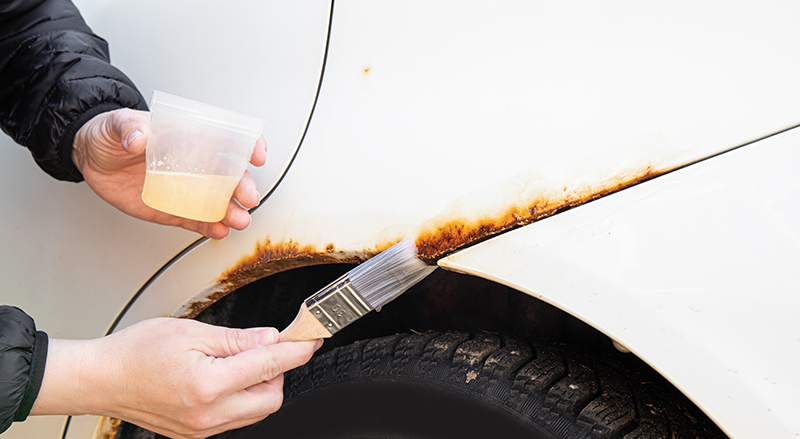
Check the car’s surface for scratches, bird droppings, or tar spots. These can affect the wax finish. Use a clay bar to remove stubborn contaminants. Look for any paint chips or rust spots. Fix these issues before waxing to protect your car’s paint. A clean, smooth surface helps wax bond better.
Credit: blog.napacanada.com
Waxing Tips For Garaged Cars
Waxing a car kept in a garage still needs care. The wax protects the paint and keeps the car shiny. Even without sun or dirt, dust and moisture can affect the car’s surface. Follow these tips to make waxing easier and better.
Applying Wax Evenly
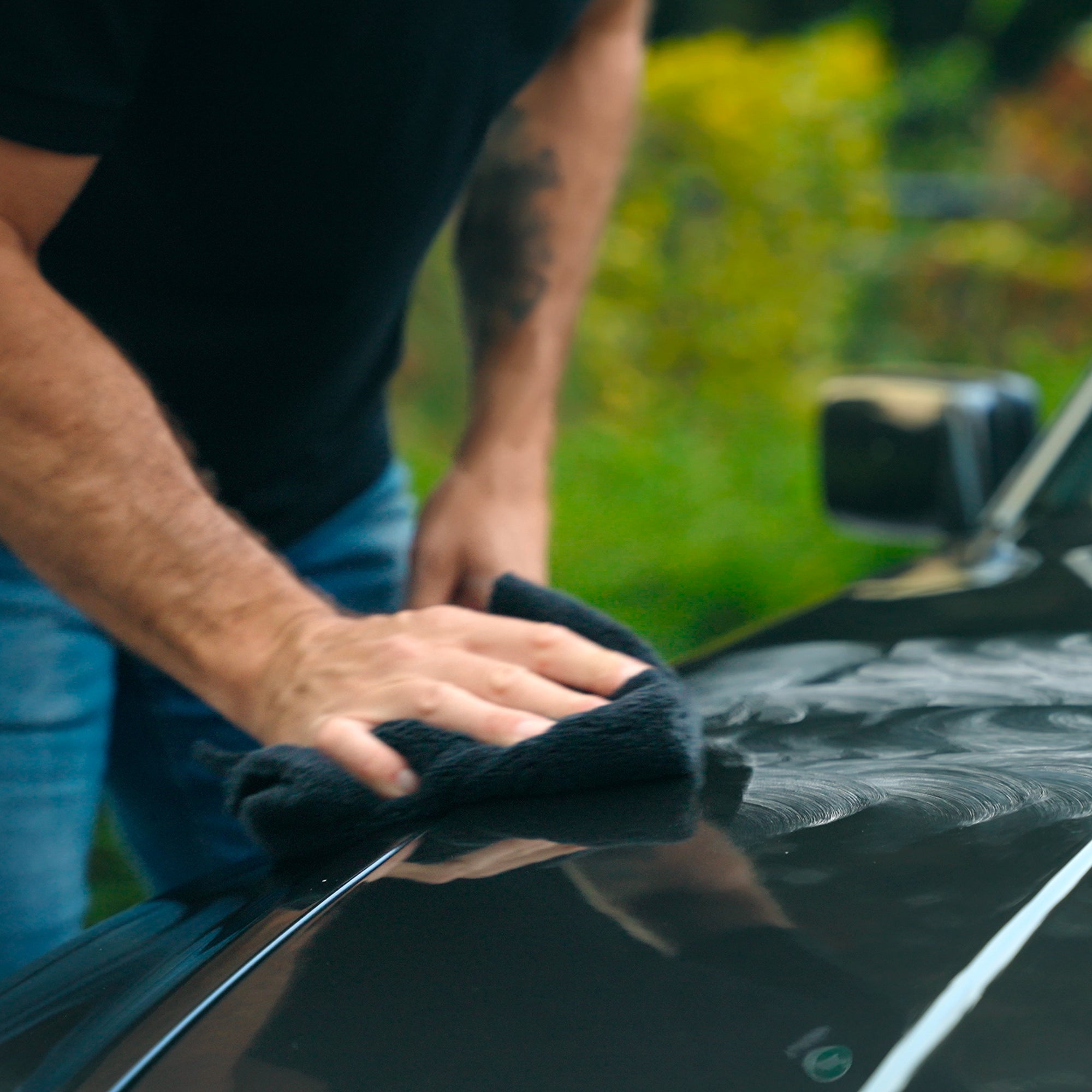
Start with a clean, dry car surface. Use a soft cloth or foam applicator. Apply wax in small, circular motions. Cover one section at a time. Avoid thick layers; thin, even coats work best. This helps the wax bond well to the paint.
Buffing For Maximum Shine
Wait for the wax to dry to a haze. Use a clean, dry microfiber cloth for buffing. Buff with light pressure in circular motions. This removes excess wax and brings out the shine. Keep changing cloth sides to avoid smudges.
Avoiding Common Mistakes
Never wax a hot car or one in direct sunlight. This can cause streaks and uneven drying. Avoid using too much wax; it wastes product and causes build-up. Do not wax over dirt or dust. This can scratch the paint. Take time and be gentle for best results.
Maintaining Wax Between Applications
Maintaining wax on a garaged car between wax applications helps keep the paint shiny and protected. Wax can wear off due to dust, dirt, and washing. Taking small steps regularly keeps the wax layer strong for longer. This saves effort and keeps your car looking new.
Using Quick Detailers
Quick detailers are sprays that clean and shine the car surface. They remove light dust and fingerprints without harming the wax. Use a soft cloth to apply the spray gently. This keeps the wax fresh and the paint smooth between full waxing sessions.
Regular Washing
Wash the car often with mild soap and water. Avoid harsh chemicals that strip wax from the paint. Use a soft sponge or mitt to prevent scratches. Clean cars hold wax better and look brighter for more time.
Protecting From Dust And Debris
Keep your garaged car covered or parked in a clean area. Dust and debris can scratch and dull the wax layer. Using a car cover adds an extra shield against dirt. This simple step protects the wax and paint from damage daily.
Frequently Asked Questions
How Often Should I Wax A Car Kept In A Garage?
Wax a garaged car every three to four months to maintain protection. Garage storage reduces exposure but wax still prevents fading and contaminants.
Does Garage Storage Reduce The Need For Waxing?
Yes, storing a car in a garage limits sun and dirt exposure. This means waxing frequency can be less compared to outdoor cars.
Can Waxing Protect A Car From Indoor Pollutants?
Wax forms a protective layer that repels dust and indoor pollutants. Even garaged cars benefit from regular waxing to maintain paint quality.
What Are Signs My Garaged Car Needs Waxing?
Look for dullness, water spots, or rough paint texture. These signs indicate the wax layer is wearing off and needs reapplication.
Conclusion
Waxing a garaged car protects its paint and keeps it shiny. Even inside a garage, dust and dirt settle on the surface. Wax every three to four months to maintain a smooth finish. Regular waxing helps avoid scratches and fading from sunlight.
It also makes cleaning easier and extends your car’s look. Small effort, big results. Keep your car looking fresh without overdoing it. A simple routine keeps your vehicle in great shape for years. Wax smart, drive happy.


