When your brakes start making noise or your car doesn’t stop as smoothly, you know it’s time to change the brakes and rotors. But before you schedule that repair, you probably wonder: how much will the labor cost?
Understanding the price behind the work can save you from unexpected bills and help you plan your budget better. You’ll discover what influences labor costs for brake and rotor replacement, so you can make smart decisions and keep your car safe without breaking the bank.
Keep reading to find out exactly what to expect and how to avoid common pitfalls.
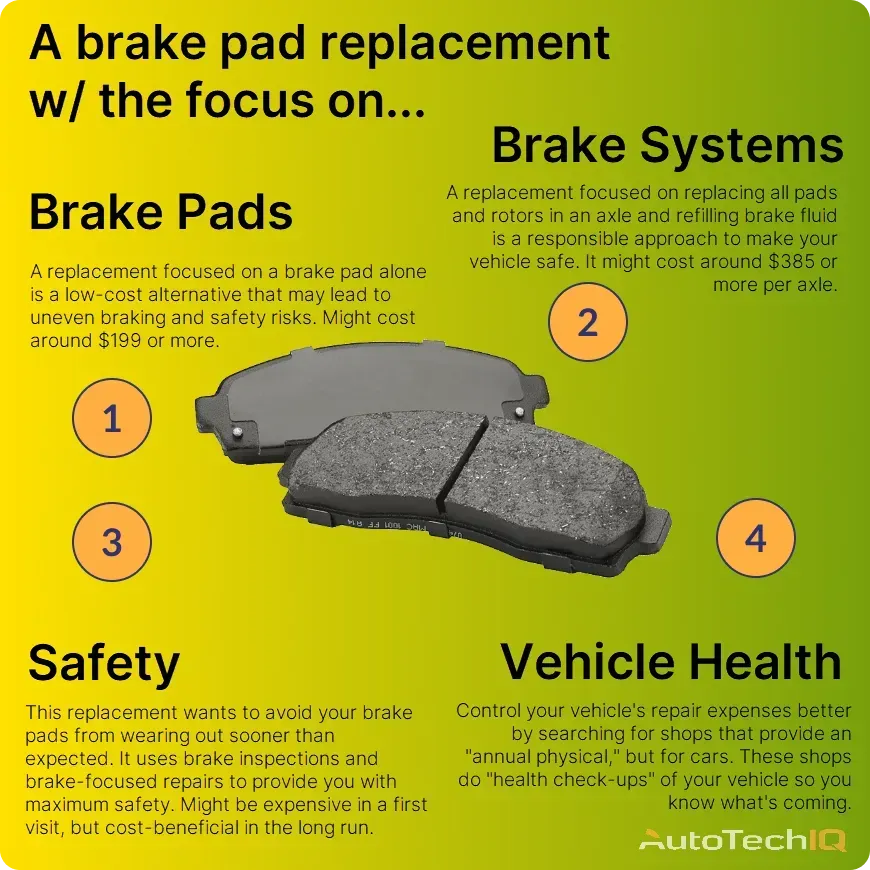
Credit: www.autotechiq.com
Factors Affecting Labor Costs
Labor costs for changing brakes and rotors vary widely. Several key factors influence the final price. Understanding these factors helps you prepare for the expense. Let’s explore what affects the labor costs in detail.
Vehicle Make And Model
Some cars have simple brake systems. Others require more time and effort. Luxury and sports cars often need special tools. Parts may be harder to reach. This increases labor time and cost. Common models usually cost less to service.
Brake System Complexity
Basic brake jobs take less time. Vehicles with advanced systems, like ABS, need extra care. Additional components increase labor hours. Complex systems require skill and precision. This raises the overall labor price.
Labor Rates By Location
Labor rates change from city to city. Big cities usually have higher prices. Rural areas often offer cheaper rates. Local economic conditions affect shop charges. Knowing your area’s average helps estimate costs.
Shop Type And Experience
Dealerships charge more for brake work. Independent shops may offer lower rates. Experienced mechanics work faster and better. Newer shops might take more time. Shop reputation often reflects in their prices.
Average Labor Costs For Brake And Rotor Replacement
Labor costs for changing brakes and rotors vary by vehicle type and job complexity. Knowing the average labor price helps plan your car maintenance budget. Brake and rotor replacement involves removing old parts and fitting new ones. Mechanics need skill and time to do the job right.
Labor prices depend on the vehicle model and whether the front or rear brakes get replaced. Simple brake jobs cost less than those on luxury or performance cars. This section breaks down typical labor costs for different vehicle types.
Cost Range For Standard Vehicles
For most standard cars, labor to replace brakes and rotors costs between $100 and $200. This price covers two wheels, usually either front or rear. The job takes about one to two hours depending on the mechanic.
Standard vehicles have common parts, which makes the job quicker. Brake systems in these cars are easier to access and work on. The labor cost stays reasonable for most drivers.
Costs For Luxury And Performance Cars
Luxury and performance cars often have higher labor costs. The price ranges from $200 to $400 or more. These cars have complex brake systems and special parts.
More time and care are needed to avoid damage. Technicians may need special tools or training. This raises the labor price significantly.
Comparison Between Front And Rear Brakes
Labor costs for front brake jobs usually cost more than rear brakes. Front brakes wear faster and are larger. They take longer to replace.
Rear brake jobs are simpler and often cheaper. Some cars have drum brakes at the rear, which cost less to service. The labor cost difference can be $20 to $50 depending on the vehicle.
Additional Expenses To Consider
Changing brakes and rotors involves more than just labor costs. Several extra expenses can affect your total bill. Knowing these costs helps you budget better. It also prevents surprises during payment.
Parts Quality And Pricing
Brake parts come in different qualities and prices. Cheap parts may wear out faster. High-quality parts last longer but cost more upfront. Choose parts based on your budget and needs. Sometimes spending more saves money over time.
Potential Hidden Fees
Some shops add extra fees that are not clear at first. These fees include shop supplies or environmental fees. Ask about all possible charges before work starts. Clear communication avoids unexpected costs later.
Cost Of Brake Fluid And Other Materials
Brake fluid is essential for brake system function. Changing brakes often requires new brake fluid. Other small materials like clips or grease may also be needed. These items add to the final cost but are usually inexpensive.

Credit: www.reddit.com
Diy Vs Professional Service
Deciding between changing brakes and rotors yourself or hiring a professional affects cost and safety. Labor charges vary, but doing it yourself saves money on service fees. Yet, the job needs proper tools and knowledge. Mistakes can cause serious problems. Weighing the options helps you make a smart choice.
Tools And Skills Required
Brake and rotor replacement needs specific tools. These include a jack, lug wrench, socket set, and brake caliper tool. You also need new brake pads and rotors. Skills matter too. Knowing how to remove and install parts safely is key. Without experience, the process can be slow and tricky.
Risks Of Diy Brake Replacement
Brakes are critical for safety. A small mistake can lead to brake failure. Improper installation may cause noise or uneven wear. Some parts are heavy and hard to handle. Missing a step might damage your car. Risking your safety is not worth saving a few dollars.
When To Choose Professional Help
Choose a professional if you lack tools or skills. Professionals work fast and correctly. They guarantee their work and use quality parts. If your brakes make strange sounds or feel different, see a mechanic. Complex problems need expert care. Professionals keep you safe on the road.
Tips To Save On Brake And Rotor Labor
Saving money on brake and rotor labor is possible with smart choices. Small steps can lower costs without cutting quality. These tips help you spend less and get good service.
Getting Multiple Quotes
Call several shops to ask about labor prices. Prices can vary a lot from place to place. Comparing helps find the best deal. Write down the quotes to compare easily. Don’t forget to ask what the price includes.
Scheduling During Off-peak Times
Book your brake service during slow hours or days. Shops often charge less when they are less busy. Early mornings or weekdays can be cheaper. Avoid weekends or holidays to save on labor costs.
Using Quality Aftermarket Parts
Ask about using good aftermarket brake parts. These parts cost less than brand-name ones. Quality aftermarket parts work well and last long. Using these parts can reduce total repair costs. Confirm the shop will install the parts correctly.
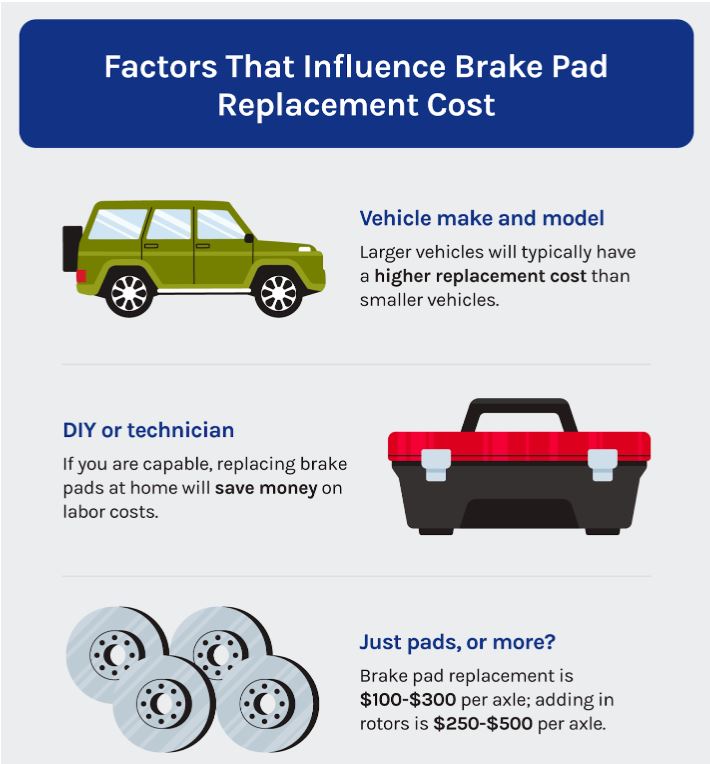
Credit: www.aaa.com
Frequently Asked Questions
How Much Does Labor Cost For Brake And Rotor Replacement?
Labor costs for changing brakes and rotors typically range from $100 to $200. Prices vary by vehicle type and location. Labor time usually takes 1 to 2 hours. Always get a detailed estimate from your mechanic before service.
What Factors Affect Labor Cost For Brake And Rotor Change?
Labor cost depends on vehicle make, model, and brake system complexity. Location and shop rates also influence prices. Luxury cars often cost more to service. Additionally, labor rates can vary between dealerships and independent shops.
Can I Reduce Labor Costs When Replacing Brakes And Rotors?
Yes, you can reduce labor costs by shopping around for quotes. Choosing independent mechanics over dealerships often saves money. Some shops offer package deals for brake and rotor replacement. DIY is another option but requires proper tools and skills.
Conclusion
Brake and rotor labor costs vary by location and vehicle type. Mechanics usually charge by the hour for this work. Expect to spend between $100 and $300 for labor alone. Prices rise if the job is complex or parts are hard to reach.
Always ask for a clear labor estimate before agreeing. Proper brake and rotor service keeps your car safe. Don’t delay repairs to avoid bigger problems later. Regular maintenance helps your brakes last longer. Knowing labor costs helps you plan your car care budget.
Simple, clear, and fair—no surprises at the shop.