

How often you change your fuel filter can make a big difference in how well your vehicle runs. If you’re like most drivers, you might not think about this small part until something goes wrong.
But the truth is, a clogged or dirty fuel filter can cause serious problems for your engine and cost you more money in repairs. You’ll discover why changing your fuel filter on time is so important, how to know when it’s time for a change, and simple tips to keep your car running smoothly.
Keep reading—you’ll be surprised at how this little maintenance step can save you trouble down the road.
Fuel Filter Basics
A fuel filter plays an important role in keeping your vehicle running smoothly. It cleans the fuel before it reaches the engine. Dirt, rust, and other particles can block the fuel system. This causes poor engine performance and may damage parts. Knowing the basics of fuel filters helps you maintain your vehicle better.
Role In Vehicle Performance
The fuel filter stops dirt and debris from entering the engine. Clean fuel means better combustion and power. A clogged filter reduces fuel flow. This leads to engine misfires, rough idling, and poor acceleration. Changing the fuel filter keeps the engine healthy. It also improves fuel efficiency and lowers emissions.
Types Of Fuel Filters
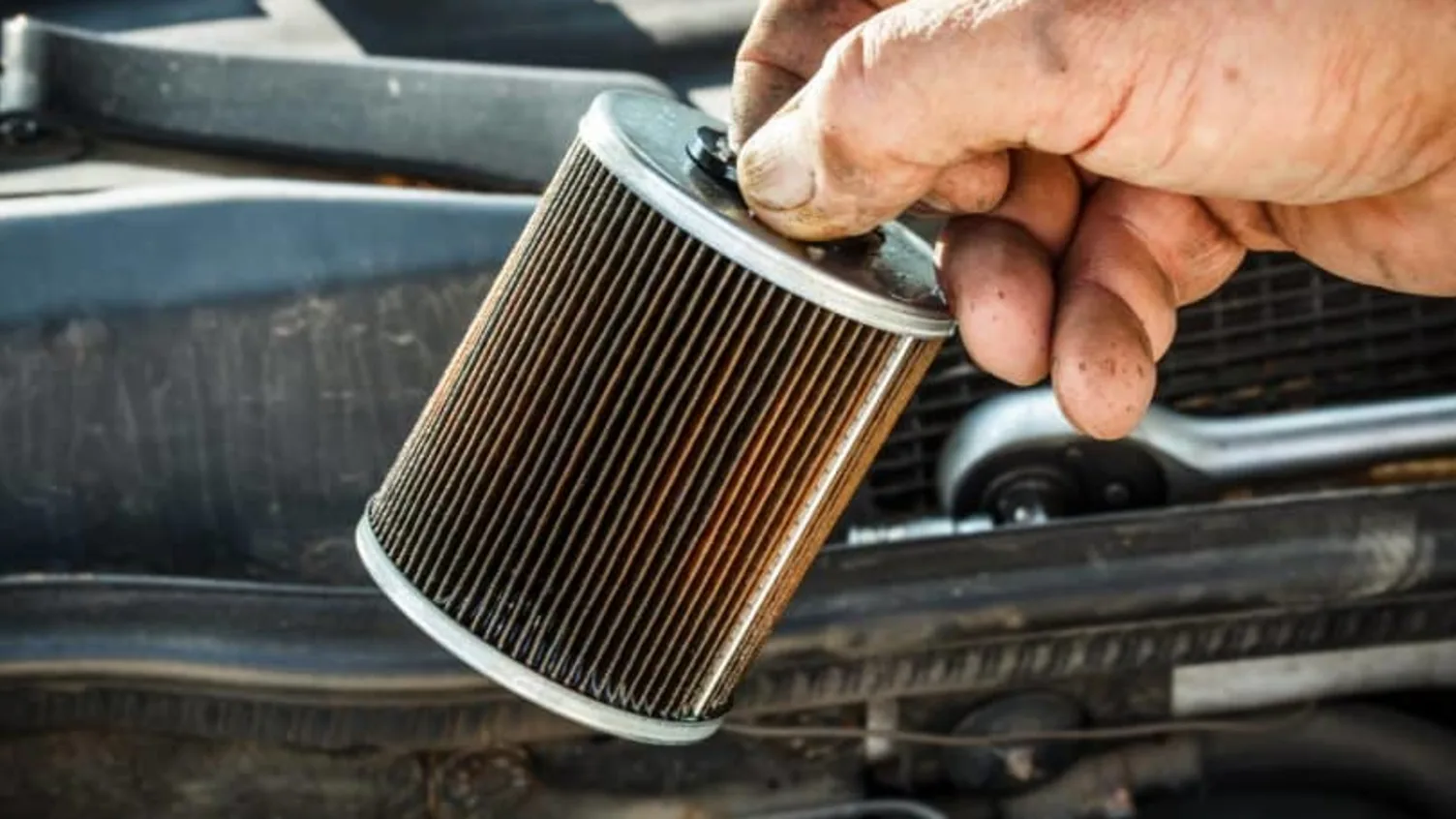
Fuel filters come in various types depending on the vehicle. Some are inside the fuel tank, called in-tank filters. Others are mounted on the fuel line, called inline filters. Paper filters are common and affordable. Some use mesh screens or felt materials. Diesel engines often have water separators in the filter. Choose the right type for your car model and fuel system.
Signs Of A Clogged Fuel Filter
A clogged fuel filter can cause several problems in your vehicle. It stops fuel from flowing properly. This affects how the engine runs. Knowing the signs helps you fix the issue early. It can save you from costly repairs and keep your car running smooth.
Engine Performance Issues
The engine may run rough or stall often. You might notice a loss of power while driving. The car can hesitate when you press the gas pedal. These happen because the engine gets less fuel than it needs.
Fuel Efficiency Drops
Your car may use more fuel than usual. A clogged filter makes the engine work harder. This means the engine burns more gas. You will notice you fill up the tank more often.
Starting Problems
It can be hard to start the engine. The car may crank but not start right away. This happens because the fuel filter blocks fuel flow. The engine does not get enough fuel to start quickly.
Recommended Replacement Intervals
Knowing the right time to change your fuel filter helps keep your car running well. Replacing it too late can cause engine problems. Changing it too soon wastes money and time. Understanding recommended replacement intervals can save you from both issues.
Manufacturer Guidelines
Car makers give clear advice on fuel filter replacement. Check your vehicle’s manual for exact intervals. Most suggest changing it every 20,000 to 40,000 miles. Some newer cars have filters that last longer. Following these guidelines keeps your engine clean and efficient.
Factors Affecting Replacement Frequency
Driving habits affect how often you change the fuel filter. Short trips and stop-and-go traffic can clog filters faster. Dusty or dirty roads increase filter wear. Using low-quality fuel also clogs filters quickly. Adjust your replacement schedule based on these conditions.
Diy Vs Professional Replacement
Changing the fuel filter is important for your vehicle’s health. You can do it yourself or hire a professional. Both choices have pros and cons. Knowing the right tools and safety steps helps if you try DIY. Sometimes, a professional is the safer pick. Here’s what you need to know about DIY vs professional replacement.
Tools Needed
For DIY fuel filter change, gather these tools:
- Wrench set
- Screwdrivers
- Fuel line disconnect tool
- Replacement fuel filter
- Safety gloves
- Container to catch fuel leaks
Professionals have specialized tools. They also use diagnostic devices to check fuel flow.
Safety Precautions
Fuel is flammable. Work in a well-ventilated area outside. Avoid sparks or open flames nearby. Wear gloves and safety glasses. Relieve fuel system pressure before starting. Clean up any spills quickly. Keep a fire extinguisher handy. Never smoke during the process.
When To Seek Professional Help
Choose a professional if you see leaks after replacement. If the fuel filter is hard to reach, call a mechanic. Strange engine noises or poor fuel flow need expert checks. Lack the right tools or experience? Better leave it to experts. Professionals ensure safe and correct installation every time.
Benefits Of Timely Fuel Filter Changes
Changing the fuel filter on time keeps your car running smoothly. It stops dirt and rust from entering the engine. This small task helps in many ways. It saves money and avoids bigger car problems.
Improved Engine Longevity
A clean fuel filter protects the engine parts. It stops harmful particles from causing wear and tear. This keeps the engine healthy for a longer time. The car runs better and does not break down often.
Better Fuel Economy
A fresh fuel filter lets fuel flow easily. The engine uses fuel more efficiently. This means the car uses less fuel for the same distance. You spend less money on gas and get more miles.
Reduced Emissions
A clean fuel filter helps the engine burn fuel fully. This lowers the harmful gases released into the air. Your car pollutes less and runs cleaner. It is better for the environment and your health.

Credit: blog.highflowfuel.com
Common Myths About Fuel Filters
Fuel filters protect your engine by trapping dirt and debris in the fuel. Many people have wrong ideas about how often to change them. These myths can lead to poor car performance or costly repairs. Understanding the truth helps keep your vehicle running smoothly.
Changing Too Often
Some think changing the fuel filter too often is better. It is not true. Changing too often wastes money and time. Fuel filters last a long time and do not need constant replacement. Follow the car maker’s guide for best results.
Ignoring Replacement Intervals
Others believe fuel filters do not need regular changing. Ignoring replacement can cause clogged filters. A dirty filter blocks fuel flow and hurts engine power. Sticking to the recommended schedule keeps the engine healthy and efficient.
Tips For Maintaining Fuel System Health
Maintaining the fuel system helps your car run smoothly and last longer. A clean fuel system improves engine performance and saves money on repairs. Small steps protect your fuel filter and other parts.
Good habits keep dirt and debris out of your fuel system. These tips help you avoid clogs and damage. Your vehicle will thank you with better fuel efficiency and fewer breakdowns.
Using Quality Fuel
Choose fuel from trusted stations. Quality fuel has fewer impurities and keeps the system clean. Avoid cheap or unknown sources that may contain harmful particles. Clean fuel reduces strain on your fuel filter and injectors.
Regular Vehicle Checkups
Schedule routine inspections with a mechanic. Checking the fuel system finds problems early. Mechanics can test the fuel filter and replace it if needed. Regular checkups prevent major repairs and keep your vehicle safe.
Credit: www.ievilenergy.com
Credit: www.bigboxcars.com.au
Frequently Asked Questions
How Often Should I Change My Car’s Fuel Filter?
Typically, change your fuel filter every 20,000 to 40,000 miles. Check your vehicle’s manual for exact intervals. Regular changes ensure clean fuel flow and prevent engine damage.
What Are Signs Of A Clogged Fuel Filter?
Common signs include engine misfires, poor acceleration, and difficulty starting. A clogged filter restricts fuel flow, affecting performance. Replace it promptly to avoid breakdowns.
Can A Dirty Fuel Filter Affect Fuel Efficiency?
Yes, a dirty filter reduces fuel flow, making the engine work harder. This leads to decreased fuel efficiency and higher fuel consumption. Regular replacement helps maintain optimal mileage.
Is Fuel Filter Replacement Necessary For All Vehicles?
Most vehicles need fuel filter changes, but intervals vary by make and model. Some newer cars have lifetime filters. Always consult your owner’s manual for guidance.
Conclusion
Changing your fuel filter regularly keeps your engine running smoothly. It stops dirt from clogging fuel flow. Most cars need a new filter every 20,000 to 40,000 miles. Check your owner’s manual for exact timing. Clean fuel helps your car save gas and avoid problems.
Don’t wait for warning signs to change the filter. Stay ahead with regular maintenance. Your car will thank you with better performance and longer life. Simple steps like this keep driving safe and worry-free.


