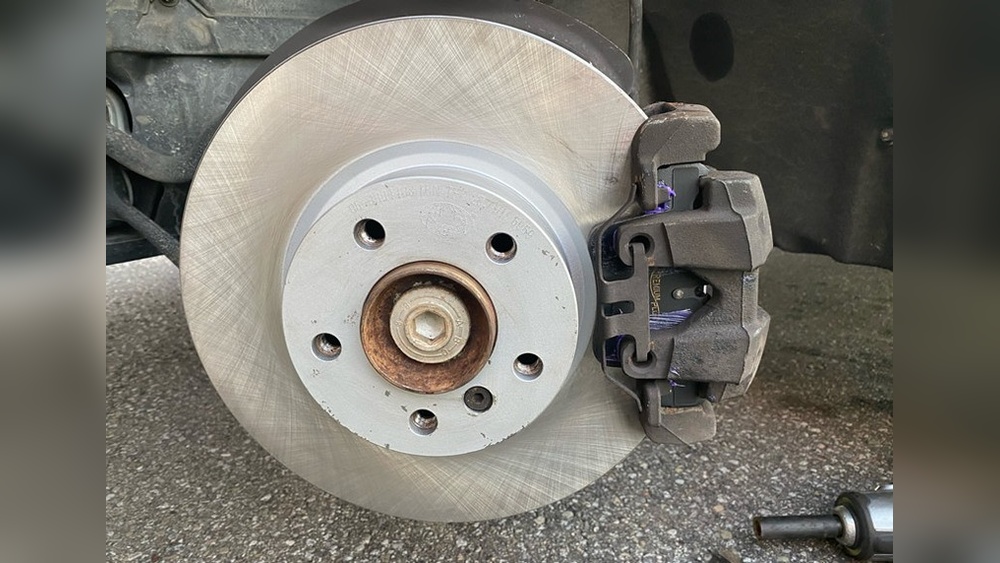
Have you ever wondered if your brake rotors are in good shape? Knowing how brake rotors should look can save you from costly repairs and keep you safe on the road.
If your rotors show signs of wear or damage, it’s a warning you can’t afford to ignore. You’ll discover the clear signs to look for and how to spot problems early. Keep reading to learn exactly what healthy brake rotors look like—and what to do if yours don’t match up.
Your safety depends on it.

Credit: www.youtube.com
Signs Of Healthy Rotors
Healthy brake rotors are key to safe driving. They work well and last longer. Knowing their signs helps you spot issues early. This keeps your car stopping smoothly and safely.
Smooth Surface Texture
Good rotors have a smooth surface. They do not feel rough or uneven. This texture helps brake pads grip properly. A rough surface can cause noise and vibration.
Consistent Thickness
Rotors should have the same thickness all around. Uneven thickness causes brake problems. It leads to shaking and poor braking. Regular checks ensure the rotor thickness stays even.
Absence Of Cracks And Grooves
Healthy rotors have no cracks or deep grooves. Cracks weaken the rotor and can cause failure. Grooves can reduce brake effectiveness. Clean, smooth rotors keep braking safe and reliable.
Common Rotor Problems
Brake rotors play a key role in vehicle safety. They must be smooth and even. Many common problems can affect their performance. These problems often cause noises, vibrations, or poor braking. Knowing these issues helps keep your vehicle safe.
Warping And Its Causes
Warping happens when rotors get uneven heat. Hard braking or riding brakes creates too much heat. This heat changes the metal shape. Warped rotors cause shaking during braking. They also reduce stopping power.
Scoring And Grooving
Scoring appears as deep lines on the rotor surface. It happens when brake pads wear down too much. Dirt and debris can also cause grooves. Scored rotors make brakes noisy and less smooth.
Rust And Corrosion Effects
Rust forms when rotors stay wet or unused. Corrosion weakens the metal and creates rough spots. Rusty rotors reduce brake efficiency. They can also cause sticking or squealing sounds.
Visual Inspection Techniques
Visual inspection techniques help identify brake rotor problems early. A careful look can reveal wear and damage. This saves money and improves safety. Knowing what to check makes the process easier and faster.
Tools For Rotor Inspection
Use a flashlight to see the rotor surface clearly. A micrometer or caliper measures thickness accurately. A straight edge or ruler finds warping or unevenness. Gloves keep your hands clean and safe.
Checking Rotor Thickness
Measure the rotor thickness at several points around the edge. Compare the numbers to the manufacturer’s minimum thickness. Thinner rotors need replacement to avoid brake failure. Check for uneven thickness, which can cause vibrations.
Spotting Surface Damage
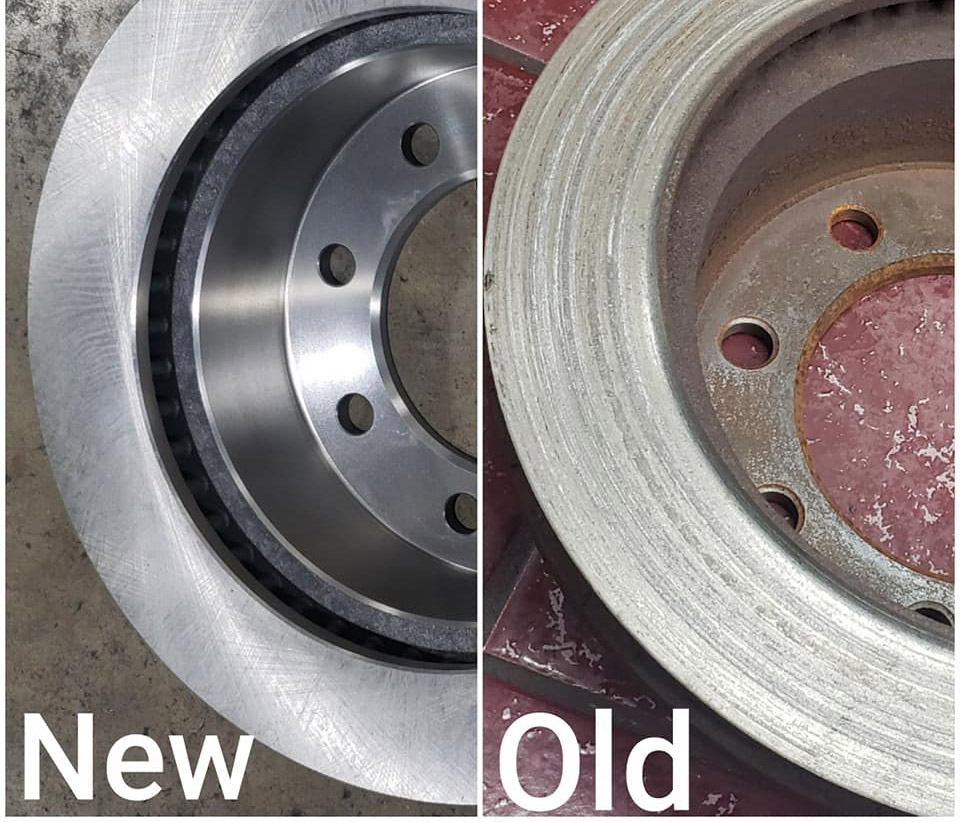
Look for grooves, cracks, or rust on the rotor surface. Light scoring is normal but deep grooves are a problem. Cracks can cause rotor failure and are dangerous. Rust spots reduce braking efficiency and need cleaning or replacing.
Maintenance Tips For Longevity
Brake rotors need care to last longer and work well. Regular maintenance helps keep them smooth and safe. Simple steps can stop damage and save money on repairs.
Regular Cleaning Methods
Clean brake rotors often to remove dirt and dust. Use a soft brush and water or a brake cleaner spray. Avoid harsh chemicals that can damage the metal. Dry the rotors completely before driving again.
Proper Brake Pad Selection
Choose brake pads that fit your rotor type. Pads made from the wrong material can wear out rotors fast. Pick pads that match your car and driving style. Good pads reduce noise and keep braking smooth.
Avoiding Overheating Issues
Overheating can warp brake rotors and cause cracks. Drive gently on steep hills and avoid sudden stops. Let brakes cool down after heavy use. Use quality brake fluid and check brake system often.
When To Replace Rotors
Knowing when to replace brake rotors is vital for your vehicle’s safety. Rotors wear down over time and can lose effectiveness. Ignoring worn rotors may cause brake problems and increase accident risks. Watch for clear signs that your rotors need replacement. Follow the manufacturer’s guidelines for thickness to ensure proper function. Understand how rotor condition affects your braking ability and overall safety.
Signs Rotor Is Beyond Repair
Deep grooves or scoring on the rotor surface mean damage. Warped rotors cause vibration or pulsing when braking. Cracks or rust spots on the rotor surface are dangerous. If you hear squealing or grinding sounds, check the rotors. Excessive noise often means the rotor is too worn. When rotors look uneven or have blue discoloration, replace them.
Manufacturer’s Thickness Guidelines
Each rotor has a minimum thickness set by the maker. Use a micrometer to measure rotor thickness accurately. If the rotor is thinner than the limit, replace it immediately. Thinner rotors overheat and lose braking power quickly. Always check thickness after resurfacing rotors to avoid unsafe use. Keeping rotors within thickness limits ensures safe braking.
Impact Of Rotor Condition On Safety
Bad rotors reduce your car’s stopping power dramatically. Worn rotors increase the distance your car needs to stop. Uneven rotors can cause loss of control during braking. Good rotors help maintain steady brake pedal feel. Safe rotors prevent costly damage to other brake parts. Proper rotor condition is key to protecting you and others on the road.

Credit: www.reddit.com
Credit: bona-store.com
Frequently Asked Questions
What Do Healthy Brake Rotors Look Like?
Healthy brake rotors have a smooth, even surface without grooves or cracks. They should be flat and free from rust. A slight shiny finish is normal, indicating proper wear. Any signs of scoring or discoloration suggest the rotors need inspection or replacement.
How Can You Tell If Brake Rotors Are Worn?
Worn brake rotors show grooves, scoring, or uneven surfaces. You might feel vibrations when braking. Thickness below the manufacturer’s minimum also indicates wear. Rust or blue discoloration from overheating is a warning sign. Regular checks help ensure safety and optimal brake performance.
Why Do Brake Rotors Develop Grooves?
Brake rotors develop grooves due to debris, worn brake pads, or overheating. These grooves reduce braking efficiency and cause noise. Regular maintenance and timely pad replacement prevent groove formation. Smooth rotors ensure consistent contact with brake pads for safe stopping.
When Should Brake Rotors Be Replaced?
Replace brake rotors if they are cracked, warped, or below minimum thickness. Excessive vibration or noise during braking also signals replacement. Always follow your vehicle’s manufacturer guidelines for rotor lifespan. Timely replacement ensures safety and maintains braking efficiency.
Conclusion
Brake rotors should be smooth and free of deep grooves. Light rust may appear but should not affect performance. Uneven wear or cracks signal a need for replacement. Clean and well-maintained rotors help your brakes work safely. Regular checks prevent costly repairs and keep driving safe.
Remember, healthy rotors improve stopping power and control. Keep an eye on rotor condition during routine maintenance. Safe brakes start with rotors in good shape. Simple checks can save time and money later. Stay alert, and brake with confidence every time.