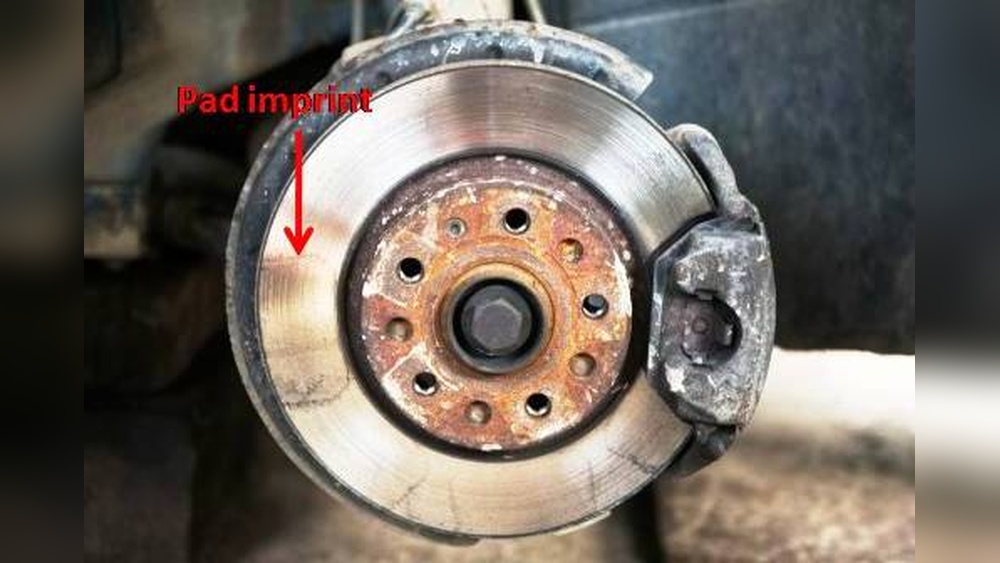
Have you noticed a strange vibration or noise when you brake? That could mean your brake rotors are warped.
Warped rotors can make driving unsafe and costly if ignored. But how exactly do brake rotors get warped? Understanding this can help you spot problems early and avoid expensive repairs. Keep reading to discover the common causes behind warped brake rotors and what you can do to protect your vehicle and your safety.
Credit: www.bcautocenter.com
Causes Of Warped Brake Rotors
Brake rotors can warp due to many reasons. Understanding these causes helps in preventing damage. Warped rotors affect braking performance and safety. Knowing the common factors can save time and money on repairs.
Excessive Heat Build-up
Heat is the main enemy of brake rotors. Hard or frequent braking creates too much heat. This heat causes the rotors to expand and contract unevenly. Over time, the metal warps due to this constant stress.
Improper Brake Pad Installation
Brake pads must fit correctly on the rotor surface. Poor installation causes uneven pressure on the rotors. This uneven force leads to rotor warping during braking. Always ensure pads are installed by a skilled mechanic.
Low-quality Rotor Materials
Cheap rotors often use weak or low-grade metals. These materials cannot handle heat well. They wear out faster and warp under normal driving conditions. Choosing quality rotors reduces the risk of warping.
Sudden Temperature Changes
Rotors cool down quickly after heavy braking. Pouring water on hot rotors causes rapid cooling. This sudden change makes the metal crack or warp. Avoid washing your car immediately after driving hard.
Worn Or Damaged Brake Components
Other brake parts affect rotor health. Worn calipers or uneven pads create pressure points. These cause the rotor to wear unevenly and warp. Regular brake system checks help catch issues early.

Credit: www.youtube.com
Common Signs Of Warped Rotors
Warped brake rotors affect your car’s safety and performance. Recognizing signs early helps avoid bigger problems. Warped rotors cause uneven contact with brake pads. This leads to several noticeable symptoms while driving. Pay attention to these common signs to keep your brakes in top shape.
Vibrations While Braking
Feeling vibrations in the steering wheel or brake pedal is a clear sign. These shakes happen because the rotor surface is uneven. The brake pads can’t grip smoothly. This causes a pulsing effect during braking.
Squealing Or Grinding Noises
Unusual sounds like squealing or grinding suggest rotor issues. Warped rotors wear brake pads unevenly, causing noise. The metal parts might rub against each other. This noise grows louder with more braking.
Pulsating Brake Pedal
A brake pedal that pulses or feels soft means rotor warping. This happens because the rotor’s surface is not flat. Each time the brake pads hit the high spots, the pedal moves oddly. It reduces driver control and confidence.
Reduced Braking Performance
Slower stopping or needing more pedal pressure points to warped rotors. The brake pads cannot grab the rotor firmly. This loss of grip increases stopping distance. It makes your driving less safe, especially in emergencies.
Uneven Brake Pad Wear
Warped rotors cause brake pads to wear unevenly. Some parts wear down faster than others. This uneven wear reduces braking efficiency and increases repair costs. Checking pads regularly helps catch rotor problems early.
Methods To Fix Warped Rotors
Warped brake rotors affect driving safety and comfort. Fixing them restores smooth braking and vehicle control. Several methods can help repair or replace warped rotors. Each option varies in cost and effectiveness.
Resurfacing The Rotors
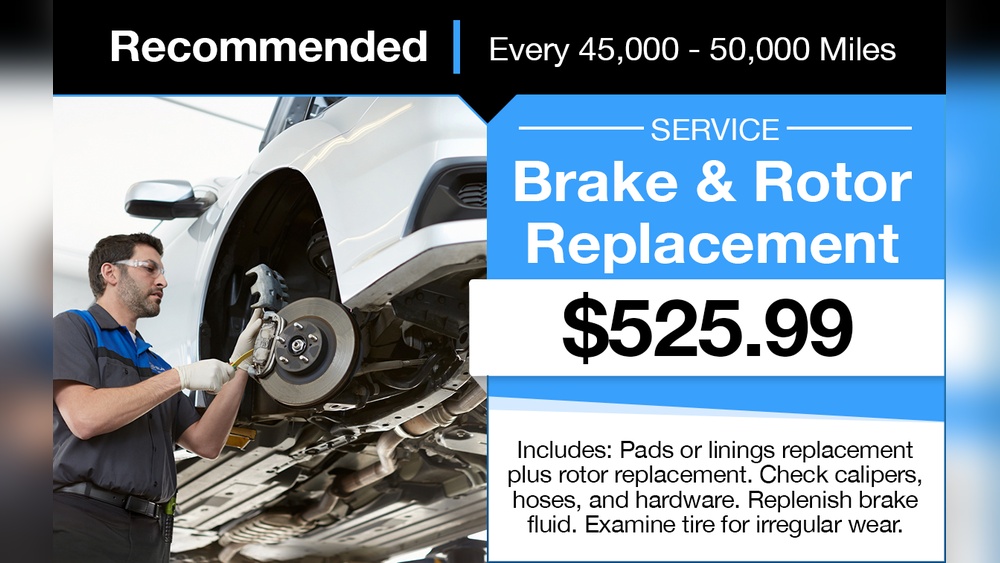
Resurfacing removes a thin layer of the rotor’s surface. This evens out any warps or grooves. The process uses a special machine called a lathe. Resurfacing is best for rotors with minor warping. It saves money compared to full replacement. But it can only be done if enough rotor thickness remains.
Replacing The Rotors
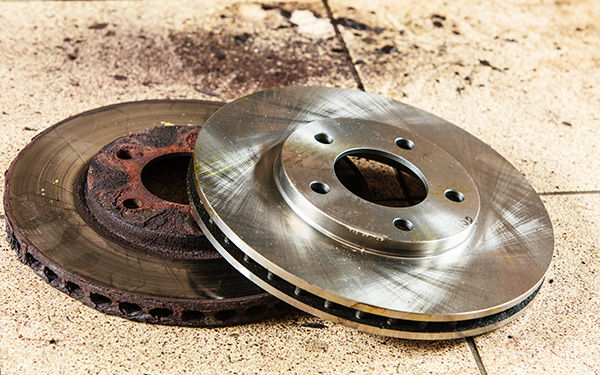
Replacing rotors is the best option for severe warping. New rotors restore braking performance fully. Installation takes less time than resurfacing. Quality replacement rotors last longer and resist warping. This method costs more but offers a long-term solution. Always match the new rotors to your vehicle’s specifications.
Upgrading To High-quality Rotors
High-quality rotors handle heat better and resist warping. They often use advanced materials or designs. Upgraded rotors improve braking power and durability. This upgrade benefits frequent drivers or those in hilly areas. Though pricier, it reduces future rotor issues and saves money over time.
Brake System Inspection And Maintenance
Check the entire brake system regularly. Worn brake pads or malfunctioning calipers cause rotor warping. Clean and lubricate brake components for smooth operation. Proper maintenance prevents uneven wear and extends rotor life. Regular inspection catches problems early before damage worsens.
Proper Brake Usage Techniques
Avoid heavy braking from high speeds. Gradually slow down to reduce rotor stress. Allow brakes to cool after long or steep drives. Avoid riding the brake pedal continuously. Smooth driving habits prevent rotor overheating and warping. Good brake use protects both rotors and pads.
Preventing Rotor Warping
Preventing rotor warping is key to keeping your brakes safe and effective. Warped rotors cause vibration and reduce braking power. Taking simple steps helps extend rotor life and improves driving safety. Proper care protects your vehicle and saves money on repairs.
Regular Brake System Checks
Check your brake system often. Look for signs of wear, noise, or vibration. Inspect rotors, pads, and fluid levels. Early detection of problems prevents rotor damage. Use a mechanic if unsure about what to check.
Avoiding Aggressive Braking
Brake gently and avoid sudden stops. Hard braking heats rotors quickly, causing warping. Smooth braking keeps rotor temperatures stable. It also reduces wear on pads and other parts.
Using Quality Brake Components
Choose good-quality brake parts for your vehicle. Cheap rotors or pads wear out faster. High-quality components handle heat better and last longer. This reduces the chance of rotor warping.
Allowing Rotors To Cool Down
After heavy braking, let rotors cool before driving hard again. Heat buildup causes rotors to expand and warp. Give your brakes time to cool to avoid damage.
Timely Replacement Of Brake Pads
Change brake pads before they wear out completely. Worn pads cause uneven pressure on rotors. This can lead to hot spots and warping. Regular replacement keeps rotors safe and smooth.

Credit: www.autonationmobileservice.com
Frequently Asked Questions
What Causes Brake Rotors To Get Warped?
Brake rotors warp due to excessive heat from hard braking. Uneven cooling and worn brake pads also contribute. This heat causes the metal to expand and contract irregularly, leading to warping and vibrations during braking.
How Can I Prevent Brake Rotors From Warping?
To prevent warping, avoid sudden hard stops and allow brakes to cool. Regularly replace brake pads and inspect rotors for wear. Proper driving habits and timely maintenance reduce heat buildup and rotor damage.
How Do I Know If My Brake Rotors Are Warped?
Warped rotors cause vibration or pulsation in the brake pedal. You may hear unusual noises when braking. If steering wheel shakes during braking, it’s a strong sign of rotor warping.
Can Resurfacing Fix Warped Brake Rotors?
Resurfacing can fix minor warping by smoothing the rotor surface. However, severely warped rotors require replacement. Always consult a mechanic to assess if resurfacing is a safe option.
Conclusion
Warped brake rotors cause shaking and reduce stopping power. Heat and hard braking often lead to warping. Avoid riding the brakes or sudden stops. Regular brake checks help catch problems early. Keep your braking smooth and steady for longer rotor life.
Taking care of rotors keeps your ride safe and comfortable. Don’t ignore signs like vibration or noise while braking. Simple habits protect your brakes and save money later. Stay alert and maintain your brakes well every time you drive.