If you’ve just installed new brake rotors and pads, you might think you’re ready to hit the road at full speed. But hold on—there’s a crucial step you can’t skip: breaking them in properly.
How you handle this process affects your brakes’ performance, safety, and lifespan. You’ll learn simple, step-by-step tips to break in your brake rotors and pads the right way. Follow these easy instructions, and you’ll enjoy smoother stops, less noise, and longer-lasting brakes.
Keep reading—your safety and your car’s health depend on it.
Credit: www.buybrakes.com
Why Break-in Matters
Breaking in brake rotors and pads is a crucial step after installation. It helps the parts work well together. The break-in process improves how your brakes perform. It also protects the parts from damage. Skipping this step can cause problems later.
Impact On Performance
Proper break-in creates a smooth surface on rotors and pads. This allows better contact between them. The brakes will respond quickly and evenly. You will notice less noise and vibration. The car stops more reliably and safely.
Longevity Of Brake Components
Breaking in brakes reduces uneven wear on parts. This prevents early damage to rotors and pads. The process helps avoid cracks and warping. Your brake parts last longer and need fewer replacements. This saves money and time.
Safety Considerations
Well-broken-in brakes offer consistent stopping power. This is critical in emergency situations. The chance of brake failure decreases. You gain confidence driving in all conditions. Safe brakes protect you and others on the road.
Signs You Need To Break In
Knowing the signs that your brake rotors and pads need breaking in is important. Proper break-in helps the parts work well and last longer. It also keeps your car safe on the road.
New Rotor And Pad Indicators
New rotors and pads often look shiny and clean. They may have a slight coating to protect them during shipping. You might hear a light squeak the first few times you brake. This sound usually stops as the parts wear in. New parts can also feel rough or grabby at the start. This is normal and will smooth out after some use.
Symptoms Of Improper Break-in
Uneven brake wear can mean the break-in was not done right. You might notice vibrations or pulsing when braking. Loud noises or squealing that does not go away is a bad sign. Poor braking power or longer stopping distance can also happen. These problems show the rotors and pads need proper breaking in for safety and performance.
Tools And Materials Required
Breaking in brake rotors and pads properly needs the right tools and materials. Using proper equipment helps the process go smooth and safe. Prepare all items before starting. This avoids delays and mistakes.
Essential Tools
You need a few key tools for breaking in brakes. A jack and jack stands lift and hold your car safely. A lug wrench removes the wheel bolts easily. A brake cleaner spray removes dust and dirt from rotors and pads. A torque wrench tightens bolts to the right level. A clean rag helps wipe parts during the process.
Safety Gear
Safety is important when working with brakes. Wear gloves to protect your hands from dirt and chemicals. Safety glasses keep dust and debris out of your eyes. Use a dust mask to avoid breathing brake dust. Wear closed-toe shoes to protect your feet. Dress in clothes that cover your skin well.
Credit: www.brakes-shop.com
Step-by-step Break-in Process
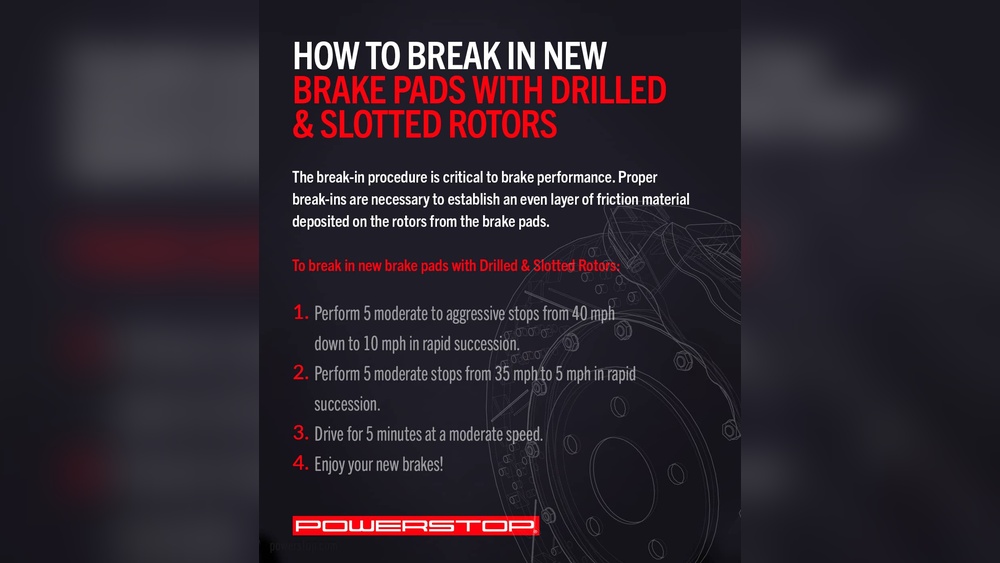
Breaking in brake rotors and pads is essential for safe, smooth braking. A proper break-in, or bedding process, helps the brakes work better and last longer. Follow these simple steps carefully to ensure your brakes perform well.
Initial Preparation
Start by cleaning the rotors. Use brake cleaner and a clean cloth. Remove any oil or dirt. Check the pads and rotors for damage. Make sure all parts fit well. Avoid driving hard before bed-in.
Gradual Bedding Procedure
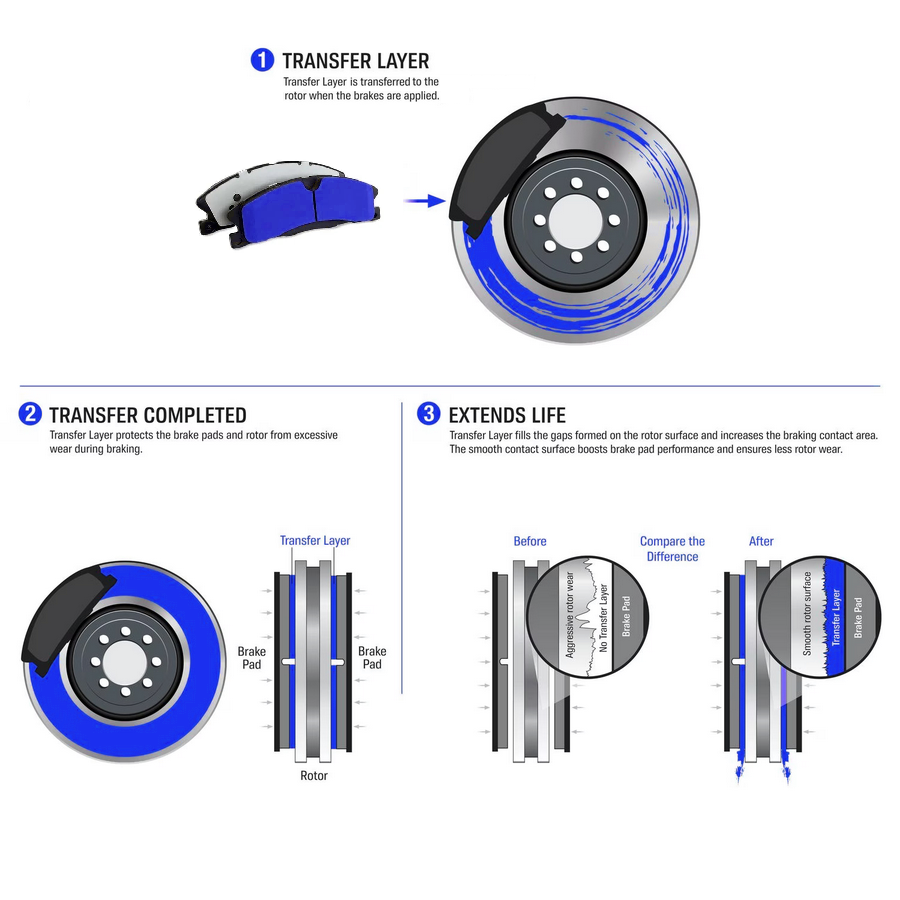
Drive at a moderate speed. Apply brakes gently at first. Do this 10 to 15 times. Increase brake pressure slowly with each stop. Avoid coming to a full stop. This helps pad material transfer evenly to rotors.
Cooling Periods
After several stops, allow brakes to cool. Avoid heavy braking during this time. Cooling prevents warping and damage. Let the rotors reach normal temperature before driving hard again.
Final Checks
Check the brake pedal feel. It should be firm and steady. Inspect rotors for uneven wear or marks. Listen for unusual noises during braking. Fix any problems before normal use.
Common Mistakes To Avoid
Breaking in brake rotors and pads is a crucial step for safe driving. Avoiding common mistakes helps the brakes last longer and work better. Many drivers rush or skip steps that cause damage or poor performance. Knowing what to avoid makes the process smooth and effective.
Overheating Rotors
Overheating rotors can cause warping and cracks. This happens when brakes are used hard right after installation. Heat builds up fast and damages the rotor surface. Keep braking gentle to prevent extreme heat. Overheated rotors reduce stopping power and increase wear.
Skipping Cooling
Cooling down the brakes after use is very important. Some drivers continue driving hard without letting brakes cool. This stops the pads from setting properly on the rotors. Let the brakes rest between stops for several minutes. Cooling helps the brake materials bond and perform well.
Aggressive Braking Too Soon
Aggressive braking damages new rotors and pads early. Hard stops cause uneven pad wear and rotor scoring. Use light to moderate braking for the first 100 miles. Gradually increase brake force as the parts seat together. Smooth braking extends the life of your brakes.
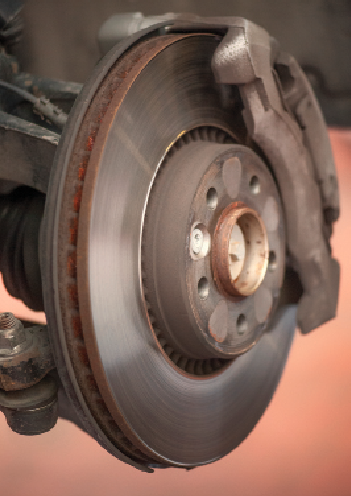
Credit: www.counterman.com
Tips For Maintaining Brake Performance
Maintaining your brake system keeps your vehicle safe and responsive. Proper care helps your brake rotors and pads last longer. It also ensures smooth braking and avoids costly repairs. Simple steps can protect your investment and improve driving confidence.
Regular Inspections
Check your brakes often for signs of wear or damage. Look for cracks, grooves, or rust on the rotors. Listen for squealing or grinding noises from the pads. Test brake responsiveness to spot any changes. Early detection prevents bigger problems and keeps braking sharp.
Cleaning And Care
Keep brake parts clean to avoid dust and dirt buildup. Use a brake cleaner spray and a soft brush. Avoid oil or grease on the rotors and pads. Clean brakes reduce noise and improve stopping power. Regular washing helps maintain brake efficiency and safety.
When To Replace Pads And Rotors
Replace brake pads if they are less than 3 millimeters thick. Rotors need replacing if they are warped or deeply scored. Follow the vehicle maker’s guidelines for replacement intervals. Worn parts reduce brake performance and increase stopping distance. Timely replacement keeps brakes reliable and secure.
Performance Benefits After Break-in
Breaking in brake rotors and pads properly leads to better brake performance. This process helps parts work together smoothly. It also makes braking safer and more reliable. After break-in, you will notice several key benefits that improve your driving experience.
Improved Stopping Power
Brake pads and rotors need time to match each other’s surface. This matching creates better contact and grip. The result is stronger and more consistent stopping power. Your car will stop quicker and with less effort on the pedal.
Reduced Brake Noise
New brakes can cause squeaks or grinding sounds. Breaking in the parts reduces these noises. The pads settle evenly on the rotors. This stops vibrations that cause annoying sounds during braking.
Enhanced Brake Feel
Proper break-in gives you a smoother brake pedal feel. You will sense better control and confidence. The brakes respond more predictably, making driving safer and more comfortable.
Frequently Asked Questions
How Long Does It Take To Break In Brake Rotors And Pads?
Breaking in brake rotors and pads typically takes 300 to 500 miles. This process ensures proper pad material transfer and rotor surface conditioning for optimal braking performance.
Why Is Breaking In Brake Rotors And Pads Important?
Breaking in brake rotors and pads prevents uneven wear and brake noise. It improves braking efficiency and extends the lifespan of your brake components.
What Is The Correct Procedure To Break In Brake Pads?
The correct procedure involves several gradual stops from moderate speeds, allowing the brakes to cool between stops. Avoid hard braking during this period for best results.
Can I Drive Normally Immediately After Installing New Brake Rotors?
No, avoid heavy braking for the first few hundred miles. Gradual brake application helps seat the pads and rotors properly, ensuring safe and effective braking.
Conclusion
Breaking in brake rotors and pads helps your brakes work well and last longer. Start with gentle stops to let parts adjust. Avoid hard braking during the first 200 miles. This process reduces noise and vibration later. Proper break-in keeps you safer on the road.
Taking time now saves money on repairs later. Follow these steps for smooth, reliable braking every time. Your car will thank you with better performance and safety. Simple care makes a big difference in brake life.