
When was the last time you checked your brake rotors? These crucial parts help keep your car safe by slowing it down smoothly.
But over time, rotors can wear thin and cause serious problems. Knowing how to inspect brake rotors for thickness could save you from costly repairs and dangerous driving conditions. In this guide, you’ll learn simple steps to measure your rotors and spot trouble before it’s too late.
Keep reading to protect your ride and your safety.
Brake Rotor Basics
Brake rotors are key parts of your vehicle’s braking system. They help stop the car by working with the brake pads. Knowing the basics of brake rotors helps you keep your vehicle safe. This section covers what brake rotors do, what they are made of, and how to spot signs of wear.
Role Of Brake Rotors
Brake rotors are metal discs attached to the wheels. When you press the brake pedal, the brake pads squeeze the rotors. This friction slows the wheel down and stops the car. Rotors must be strong and smooth for good braking. Worn or damaged rotors reduce braking power and increase stopping distance.
Common Rotor Materials
Most rotors are made from cast iron. It is strong, affordable, and handles heat well. Some rotors use steel or carbon composites for better performance. Aluminum rotors are lighter but less common. The material affects how long the rotor lasts and how well it cools during braking.
Signs Of Rotor Wear
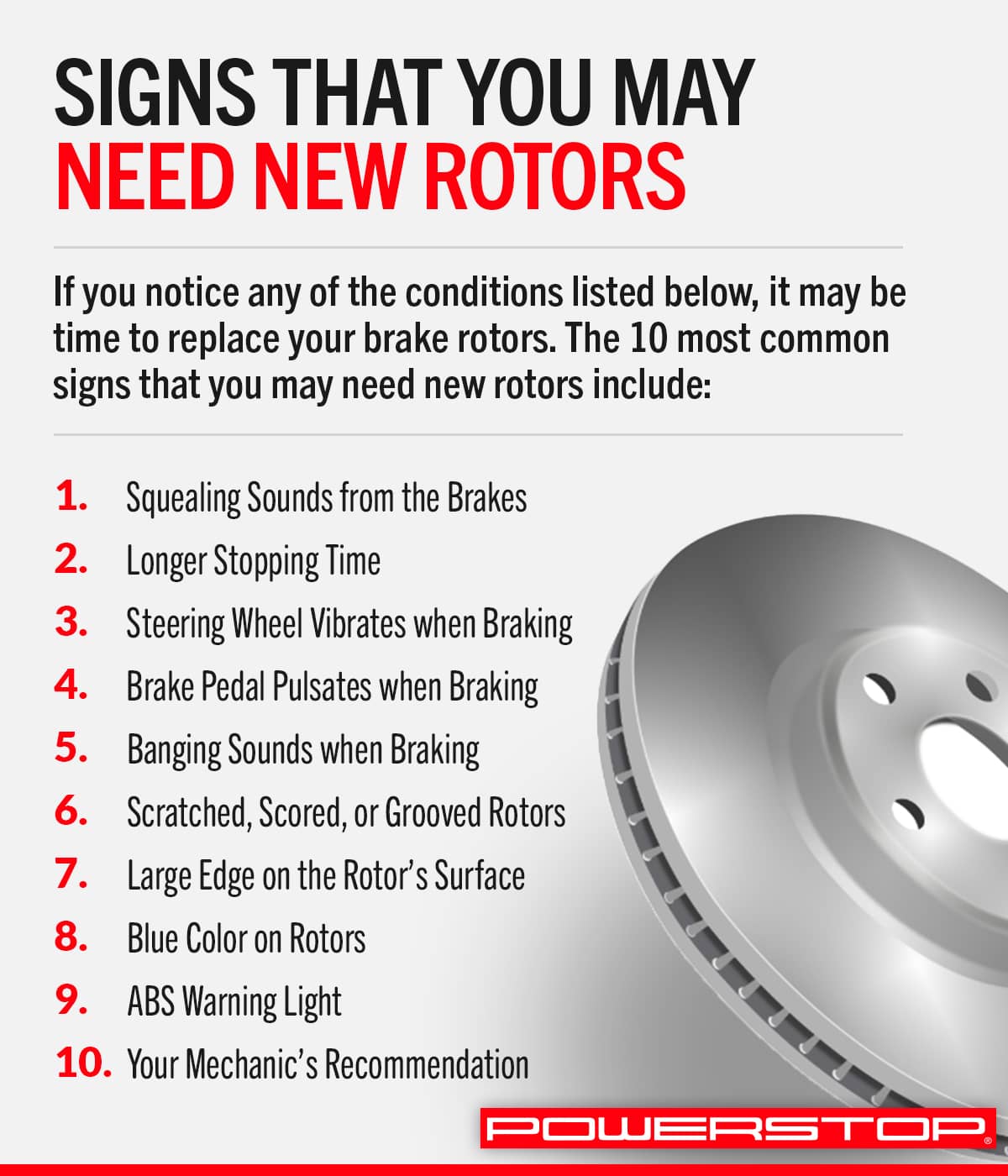
Rotors wear out over time. Watch for grooves or scoring on the surface. Warped rotors cause vibrations when braking. A squealing or grinding noise means rotor or pad damage. Thickness loss is a major sign. Thin rotors can crack and fail, making it unsafe to drive.
Tools Needed For Inspection
Inspecting brake rotors for thickness requires a few basic tools. These tools help you check if the rotors are safe to use or need replacement. Using the right tools makes the job easier and more accurate. Safety is also important, so proper gear is needed to protect yourself.
Measuring Tools
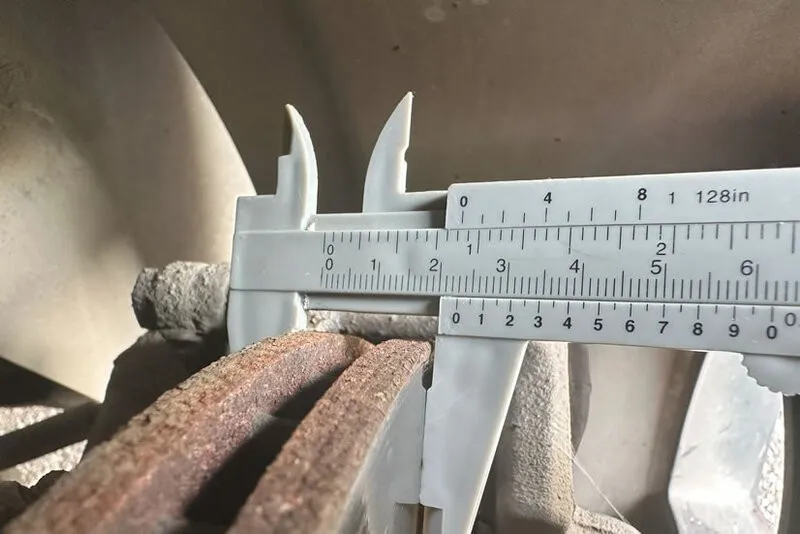
The main tool for checking rotor thickness is a micrometer. It measures the rotor’s thickness very precisely. A caliper can also work, but a micrometer is better for accuracy. Some people use a dial indicator to check rotor runout. This tool helps find if the rotor surface is uneven. Having these tools ensures you get the right measurements.
Safety Gear
Safety gear protects you while inspecting brake rotors. Wear safety glasses to protect your eyes from dust and debris. Gloves keep your hands clean and safe from sharp edges. A dust mask helps avoid breathing in brake dust. Use sturdy shoes to protect your feet in the work area. Always prioritize safety during inspection.
Preparing Your Vehicle
Preparing your vehicle is the first step to inspect brake rotors for thickness. Proper preparation ensures safety and easier access to the brake parts. Take your time to get everything ready before starting the inspection.
Lifting And Securing The Car
Find a flat surface to park your car. Use the parking brake to stop the car from moving. Place wheel chocks behind the wheels that will stay on the ground. Use a jack to lift the car at the recommended lift points. Raise the car enough to remove the wheel easily. Put jack stands under the car for safety. Never rely on the jack alone to hold the car up. Check stability before working under or around the vehicle.
Removing The Wheel
Loosen the lug nuts with a wrench before lifting the car. After the car is lifted and secure, remove the lug nuts completely. Take off the wheel carefully and set it aside. Keep the lug nuts in a safe place. This step gives you access to the brake rotor and caliper. Clean the area if there is dirt or debris. Now, you are ready to inspect the brake rotor thickness.
Credit: www.powerstop.com
Measuring Rotor Thickness
Measuring rotor thickness is a key step in brake maintenance. It tells you if the rotors are safe to use or need replacement. Thin rotors can cause brake problems and reduce safety. Accurate measurement helps avoid costly damage and keeps your vehicle running smoothly.
Locating Measurement Points
Find the correct spots on the rotor to measure thickness. Check near the rotor’s edge and the braking surface. Avoid areas with rust or damage. Measure at several points to get an accurate reading. This ensures you see the true thickness of the rotor.
Using A Micrometer
A micrometer gives precise rotor thickness measurements. Place it gently on the rotor’s surface. Read the measurement from the micrometer scale. Take multiple readings around the rotor. This helps spot uneven wear or thin spots.
Comparing To Manufacturer Specs
Compare your measurements to the car maker’s thickness specs. Specs tell the minimum safe thickness for rotors. If your rotor is thinner, replacement is needed. Staying above the minimum ensures safe braking and longer rotor life.
Assessing Rotor Condition
Assessing the condition of brake rotors is important for safe driving. Rotors wear down over time and can develop problems. Inspecting them carefully helps spot issues early. This keeps the brakes working well and avoids costly repairs.
Start by cleaning the rotor surface. Dirt or rust can hide damage. Use a cloth or brake cleaner to get a clear view. After that, check for signs of wear or damage.
Checking For Warping And Cracks
Warped rotors cause vibrations and uneven braking. Spin the rotor slowly and watch for wobbling. Use a dial indicator tool for precise measurement. Small warps can be fixed, but big ones need replacement.
Cracks on rotors are dangerous. Look closely for thin lines or breaks. Cracks often appear near the edges or drilled holes. If you see cracks, replace the rotor immediately.
Identifying Grooves And Scoring
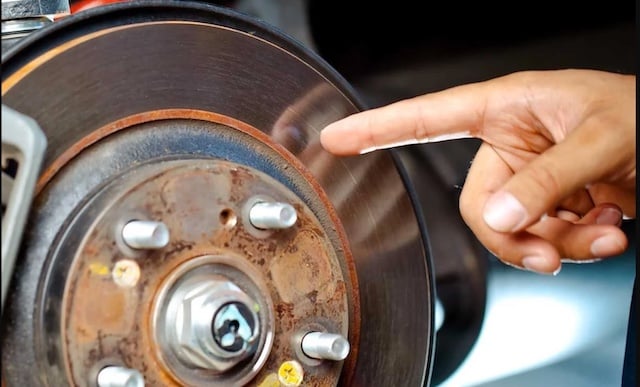
Grooves and scoring happen from worn brake pads or debris. Run your fingers across the rotor surface. Feel for deep ridges or rough spots. Light grooves may improve with resurfacing.
Deep grooves reduce braking power and cause noise. Severe scoring means the rotor must be replaced. Keeping rotors smooth ensures better brake pad contact and safety.
When To Replace Rotors
Knowing when to replace brake rotors is key for safe driving. Rotors wear down over time and lose thickness. Thin rotors can cause brake failure or damage other parts. Regular checks help catch problems early. This section explains when rotors need replacement.
Minimum Thickness Guidelines
Every rotor has a minimum thickness limit set by the manufacturer. This limit shows the safe thickness for the rotor. Use a micrometer to measure the rotor thickness. If the rotor is thinner than the limit, replace it. Driving on thin rotors reduces braking power and risks accidents. Always check the minimum thickness before continuing to use rotors.
Signs Beyond Thickness
Rotors can show problems even if thickness is okay. Look for deep grooves, cracks, or rust on the surface. Warped rotors cause shaking or noise when braking. Uneven wear also signals rotor issues. These signs mean the rotors need replacement or resurfacing. Ignoring them can lead to poor brake performance and safety risks.
Tips For Maintaining Rotors
Proper care keeps brake rotors working well and lasting longer. Small steps help avoid costly repairs and keep driving safe. Follow these tips to maintain your rotors in top shape.
Regular Inspections
Check rotors often for wear and damage. Look for cracks, grooves, or rust on the surface. Use a micrometer to measure rotor thickness. Compare measurements to the vehicle’s minimum thickness specs. Thin rotors can cause brake failure and should be replaced. Regular checks catch problems early and keep brakes reliable.
Brake Pad Replacement Timing
Replace brake pads before they wear out completely. Worn pads can damage rotors by creating uneven wear. Listen for squealing or grinding sounds as warning signs. Changing pads on time protects rotor surfaces. Proper timing extends the life of both pads and rotors.
Credit: www.allrotors.com
Credit: www.buybrakes.com
Frequently Asked Questions
How Do I Measure Brake Rotor Thickness Accurately?
Use a micrometer to measure the rotor’s thickness at multiple points. Compare measurements to the manufacturer’s minimum thickness specifications to ensure safety.
Why Is Checking Brake Rotor Thickness Important?
Brake rotor thickness affects braking performance and safety. Thin rotors can cause vibrations, reduced stopping power, and potential brake failure.
How Often Should Brake Rotors Be Inspected?
Inspect brake rotors every 12,000 miles or during routine brake service. Frequent checks help identify wear before it becomes dangerous.
What Tools Do I Need To Inspect Brake Rotors?
A micrometer or caliper is essential for measuring rotor thickness accurately. You may also need a jack and lug wrench to remove the wheel.
Conclusion
Checking brake rotor thickness keeps your car safe on the road. Thin rotors can cause brake problems and reduce stopping power. Measure thickness regularly to spot wear early. Use the right tools and follow simple steps. Don’t ignore warning signs like noise or vibration.
Proper inspections save money and prevent accidents. Stay confident knowing your brakes work well. Take a few minutes to inspect rotors today. Safety starts with good brake care.


