
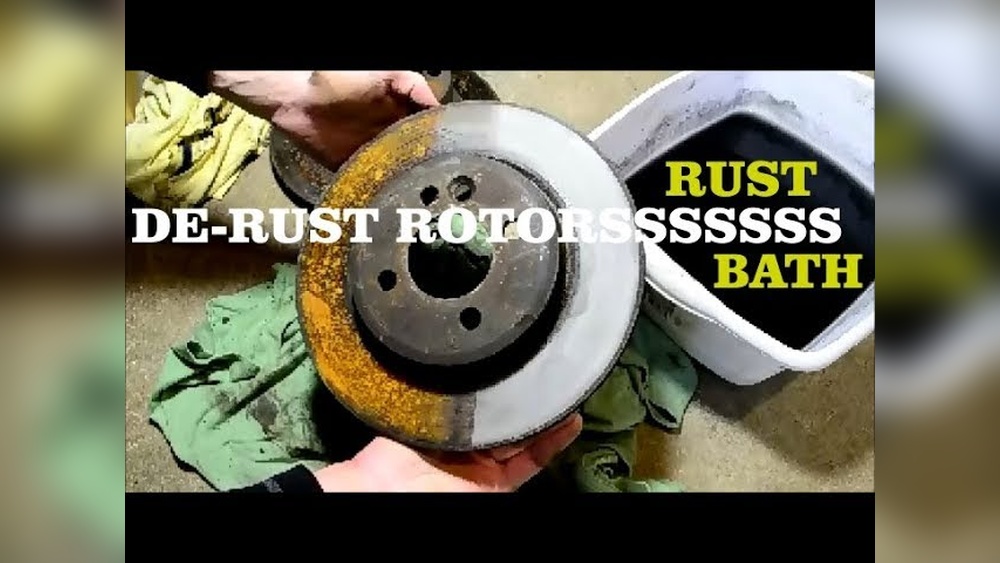
Rust on your brake rotors can cause annoying noises, reduce braking performance, and even wear down your brake pads faster. If you’ve noticed a rough feeling or squeaking when you hit the brakes, your rotors might need some attention.
The good news? Cleaning rust off your brake rotors is easier than you think, and you can do it yourself without special tools. Keep reading, and you’ll learn simple, effective steps to get your brakes back in smooth, safe shape.
Don’t let rust steal your peace of mind—let’s fix it together.
Causes Of Rust On Brake Rotors
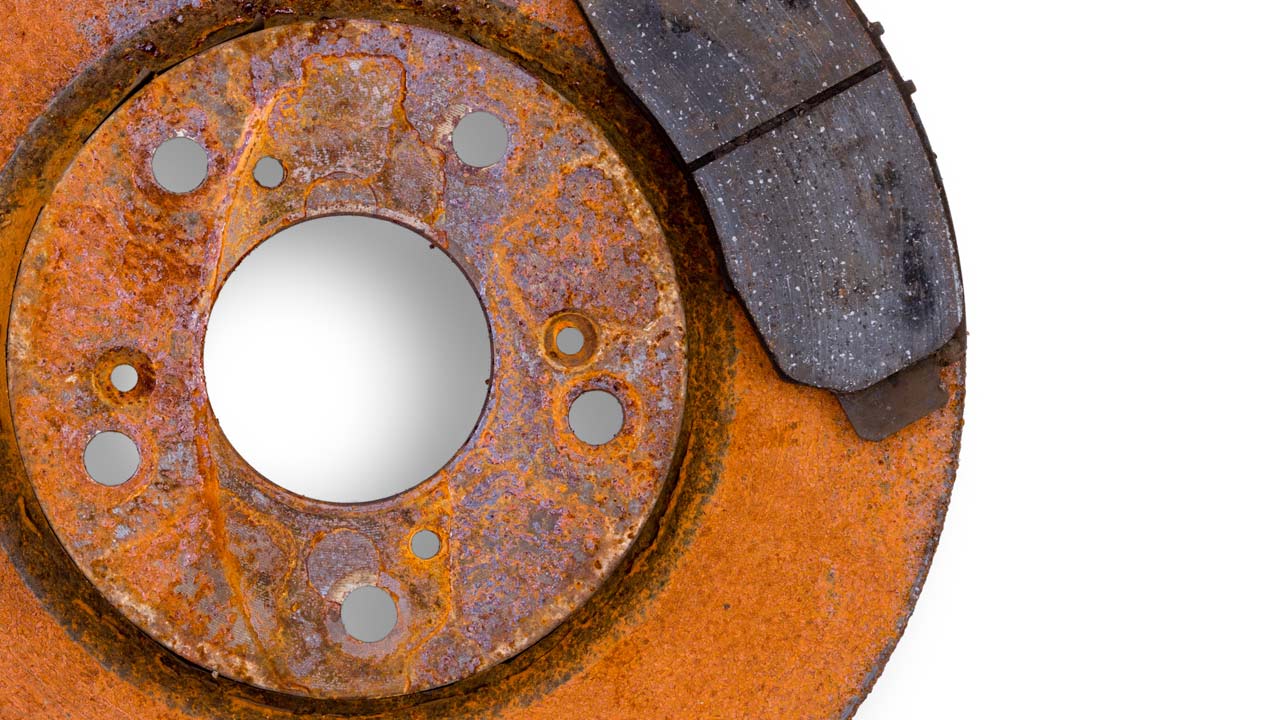
Rust on brake rotors happens when metal meets moisture and air. This process slowly eats away at the metal surface. Understanding why rust forms helps you keep your brakes working well. Some causes come from the environment around you. Others link to how you drive and the metal used in rotors.
Environmental Factors
Moisture is the main cause of rust. Rain, snow, and humidity expose rotors to water. Salt from roads speeds up rusting, especially in winter. Parking outside overnight leaves rotors wet and prone to rust. Dust and dirt also hold moisture on the metal surface.
Vehicle Usage Patterns
Short trips do not heat rotors enough to dry them fully. This leaves water on the metal, causing rust. Cars that sit unused for days develop surface rust easily. Frequent braking scrapes off rust and keeps rotors clean. Driving habits affect how fast rust appears.
Material Properties
Most brake rotors are made from cast iron. Cast iron rusts faster than some other metals. Some rotors have protective coatings to slow rust. Over time, coatings wear off, exposing metal. The metal’s quality and treatment impact rust resistance.
Credit: www.youtube.com
Tools And Materials Needed
Cleaning rust off brake rotors requires the right tools and materials. Proper preparation makes the job easier and safer. Gather all items before starting. This section explains the essential tools and materials needed.
Safety Gear
Protect yourself with safety gear. Wear gloves to avoid cuts and skin contact. Use safety goggles to protect your eyes from dust and debris. A dust mask helps prevent breathing in rust particles. Proper clothing keeps you safe from sharp edges and chemicals.
Cleaning Supplies
Use a rust remover spray or brake cleaner to dissolve rust. Have a clean rag or cloth for wiping. Soap and water help clean dirt before rust removal. Use a wire brush to scrub off loose rust. Sandpaper or steel wool smooth rough spots after rust removal.
Specialized Tools
A cordless drill with a wire brush attachment speeds up rust removal. A torque wrench helps when removing and tightening brake rotor bolts. A jack and jack stands lift and secure the vehicle safely. A lug wrench removes the wheel before accessing rotors.
Preparation Steps
Before cleaning rust off brake rotors, preparation is key. Proper steps ensure safety and effectiveness. Taking time to prepare helps avoid damage and injury. Follow these simple steps for a smooth process.
Lifting The Vehicle Safely
Park your car on a flat, solid surface. Engage the parking brake to prevent movement. Use a reliable jack to lift the vehicle. Place jack stands under the frame for support. Never rely on the jack alone to hold the car. Make sure the vehicle is stable before working underneath.
Removing The Wheels
Loosen the lug nuts slightly before lifting the vehicle. After raising the car, remove the lug nuts completely. Take off the wheels carefully and set them aside. Keep the lug nuts in a safe place. This gives clear access to the brake rotors for cleaning.
Inspecting The Rotors
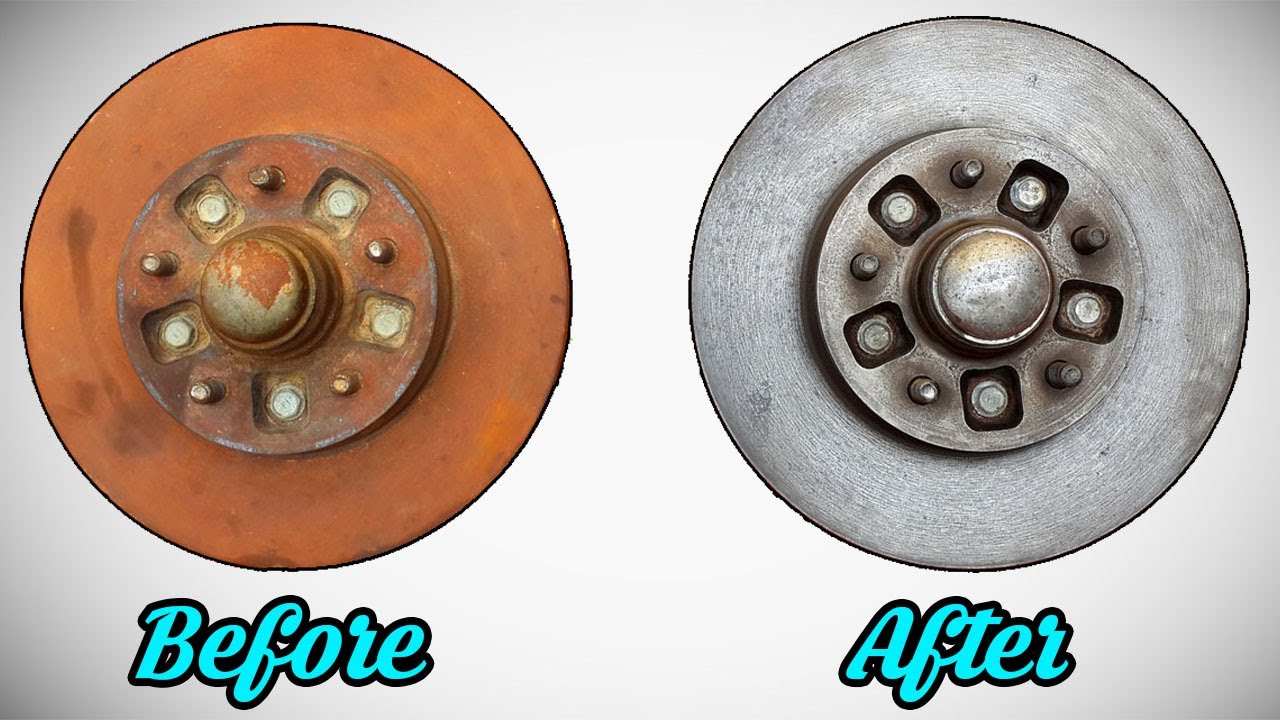
Check the rotors for deep grooves or heavy rust. Light rust can be cleaned, but severe damage may need replacement. Look for cracks or warping signs as well. Clean rotors improve braking and vehicle safety. Decide if cleaning is enough or if professional help is needed.

Credit: www.reddit.com
Manual Cleaning Methods
Manual cleaning methods offer a simple way to remove rust from brake rotors. These methods use basic tools and materials. They work well for light to moderate rust buildup. You can do this job at home without special equipment. Take your time and be careful to avoid damaging the rotors.
Using Wire Brushes
A wire brush is a common tool for rust removal. It scrapes off rust using stiff metal bristles. Use a hand-held wire brush or one attached to a drill. Brush the rotor surface in small, circular motions. Clean until the rust flakes away. This method is fast and effective for surface rust.
Applying Sandpaper
Sandpaper helps smooth and clean rusted brake rotors. Choose medium-grit sandpaper, around 120-150 grit. Rub the rotor surface evenly, moving in one direction. This removes rust and leaves a clean metal surface. Avoid using too much pressure. Sandpaper works well to reach tricky spots.
Chemical Rust Removers
Chemical rust removers dissolve rust without heavy scrubbing. Apply the remover with a cloth or spray bottle. Let it sit for the time stated on the product label. Wipe off the rust and residue with a clean cloth. Use gloves and work in a ventilated area. Chemicals can be very effective for stubborn rust.
Mechanical Cleaning Techniques
Mechanical cleaning techniques are effective for removing rust from brake rotors. These methods use physical force to scrub off rust and restore the rotor surface. Mechanical cleaning works fast and prepares the rotors for better braking performance.
Using the right tools and methods is important for safety and efficiency. Below are key mechanical cleaning techniques to help you clean rust off brake rotors.
Power Tools For Rust Removal
Power tools make rust removal quicker and easier. Wire brushes attached to drills or grinders can scrub rust off the rotor surface. These tools spin fast and reach into small grooves where rust hides.
Use a medium wire brush for light rust. For heavier rust, a coarse brush works best. Always wear safety goggles and gloves to protect yourself from flying debris.
Keep the power tool moving to avoid damaging the rotor. Focus on the rusty areas until the metal looks clean and smooth.
Rotating The Rotor For Uniform Cleaning
Rotating the rotor during cleaning ensures even rust removal. Spin the rotor by hand or using the vehicle’s wheel hub. This lets the brush or tool reach all parts of the surface.
Uniform cleaning helps prevent uneven braking later. Check the rotor surface often while rotating it. Stop when the rust is gone and the metal shines.
Rotating the rotor also helps find hidden rust spots. Remove rust from all sides for the best brake performance.
Credit: www.drbeasleys.com
Preventing Future Rust
Rust on brake rotors can reduce braking power and cause noise. Preventing rust keeps your brakes safe and efficient. Taking simple steps helps stop rust from forming again. Protect your rotors with regular care and smart habits.
Regular Maintenance Tips
Check your brake rotors often for signs of rust or damage. Clean them gently using a wire brush or brake cleaner. Avoid parking your car in wet or damp areas for long times. Drive your car regularly to keep rotors dry and clean. Replace worn brake pads to reduce rotor wear and rust.
Protective Coatings
Apply a thin layer of anti-rust spray on the rotors after cleaning. Use high-temperature brake paint designed for rotors to prevent rust. Avoid coating the brake surface where pads touch. Protective coatings form a barrier against moisture and air. Reapply coatings as needed, especially after heavy use or cleaning.
Proper Storage Practices
Store your car in a dry, covered place to avoid moisture build-up. Use a car cover to protect from rain and humidity. Lift the car slightly off the ground if stored long-term. Keep the rotors clean and dry before storage. Check and clean rotors regularly during storage to stop rust from settling.
When To Replace Brake Rotors
Knowing when to replace brake rotors is important for safe driving. Rust can often be cleaned off, but some damage needs rotor replacement. Using worn-out rotors can harm your braking system and cause accidents. Learn the signs that mean it’s time for new rotors.
Signs Of Severe Damage
Deep grooves or cracks on the rotor surface show severe wear. Rotors that are too thin or warped affect braking power. Vibrations or shaking when braking often indicate rotor problems. Rust that does not clean off easily may weaken the rotor.
Safety Considerations
Brake rotors must be smooth and strong to stop your car safely. Driving with bad rotors increases stopping distance and risk of accidents. Replacing damaged rotors helps maintain control and protects other brake parts. Always check rotors during regular brake inspections to ensure safety.
Frequently Asked Questions
How Do I Remove Rust From Brake Rotors Safely?
Use a wire brush or sandpaper to scrub rust gently. Apply brake cleaner to remove debris. Avoid damaging the rotor surface for safe driving.
Can I Use Household Items To Clean Brake Rotors?
Yes, items like vinegar or baking soda can help. Soak the rotor in vinegar or scrub with a baking soda paste. Rinse thoroughly afterward for best results.
How Often Should Brake Rotors Be Cleaned?
Clean brake rotors whenever rust or dirt buildup appears. Regular checks every few months help maintain braking performance and safety.
Is It Necessary To Remove Wheels To Clean Rotors?
Removing wheels is recommended for thorough cleaning. It gives better access and ensures all rust and debris are removed effectively.
Conclusion
Cleaning rust off brake rotors keeps your car safe and running well. Regular care stops rust from causing bigger problems. Use the right tools and follow simple steps for best results. Rust can return, so check your rotors often. Taking care of brake rotors saves money and time.
A little effort helps your brakes work smoothly and quietly. Keep your vehicle in good shape with easy rust cleaning. Safe drives start with well-maintained brakes.

