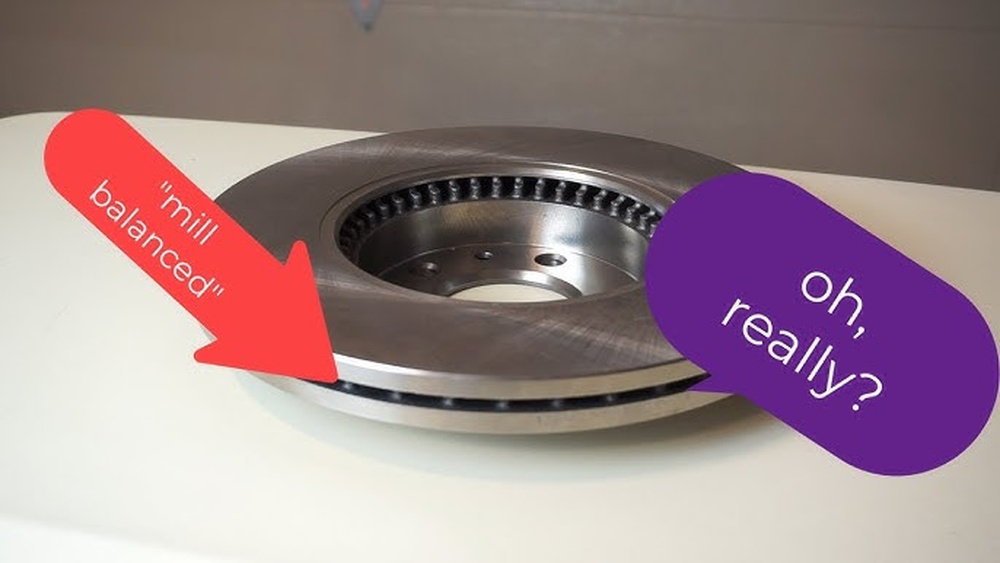
Have you ever wondered how long your brakes and rotors should last before needing a replacement? Knowing this can save you money, keep you safe, and prevent unexpected car troubles.
If you want to avoid sudden brake failures or costly repairs, it’s important to understand the lifespan of these key parts. Keep reading to discover how to spot the signs of wear, what affects their durability, and how to get the most out of your brakes and rotors.
Your safety and wallet will thank you.

Credit: www.clarksgarage.com.au
Brake Lifespan Factors
Brake lifespan depends on many factors. These factors affect how long your brakes and rotors last. Understanding them helps you maintain your vehicle better. It also helps you know when to replace brake parts.
Material Types
Brake pads come in different materials. Organic pads wear faster but are quiet. Semi-metallic pads last longer and cool faster. Ceramic pads offer the longest life and less dust. Rotor materials also affect lifespan. Harder metals last longer but cost more.
Driving Habits
How you drive changes brake wear. Hard braking wears pads and rotors quickly. Smooth, gentle stops extend brake life. Frequent stop-and-go traffic wears brakes faster. Long highway drives cause less brake wear. Pay attention to your braking style.
Vehicle Type
Heavier vehicles put more strain on brakes. Trucks and SUVs wear brakes faster than small cars. Performance cars may have stronger brakes that last longer. Daily use and load also matter. Know your vehicle’s needs for better care.
Environmental Conditions
Weather affects brake parts. Wet or salty roads cause rust on rotors. Dusty or sandy areas can wear pads faster. Mountain driving adds stress from constant braking. Keep brakes clean and dry when possible.
Credit: www.yourmechanic.com
Rotor Durability
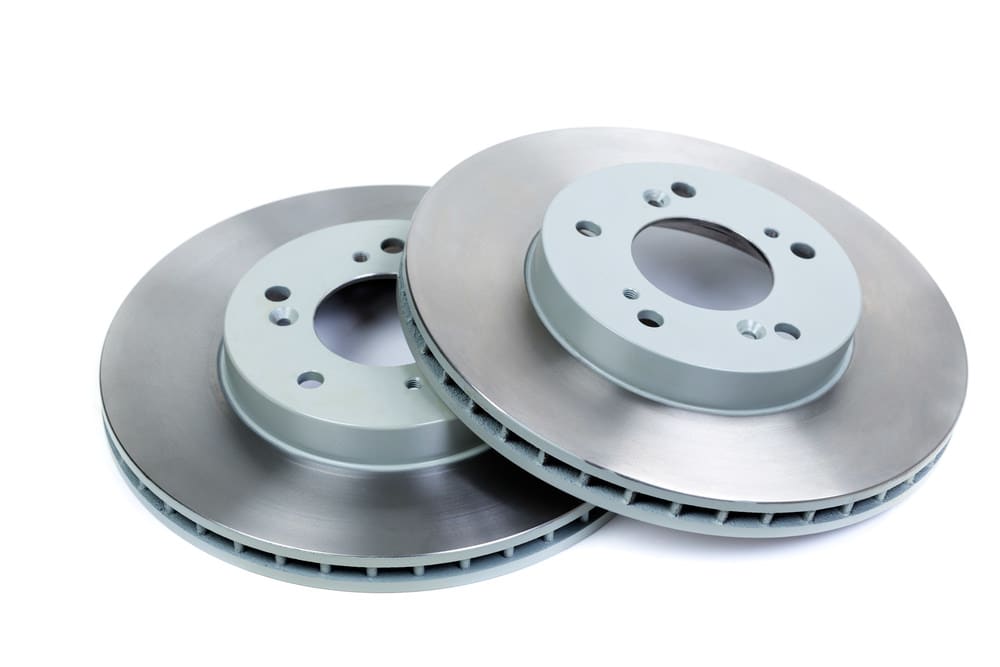
Rotors play a key role in your vehicle’s braking system. Their durability affects your safety and car performance. Understanding rotor durability helps you maintain brakes better. It also prevents unexpected failures on the road.
Common Rotor Materials
Most rotors are made from cast iron. This material is strong and affordable. Some high-performance cars use carbon composite rotors. These are lighter and resist heat better. Steel rotors are rare but very durable. Each material affects how long rotors last.
Signs Of Wear
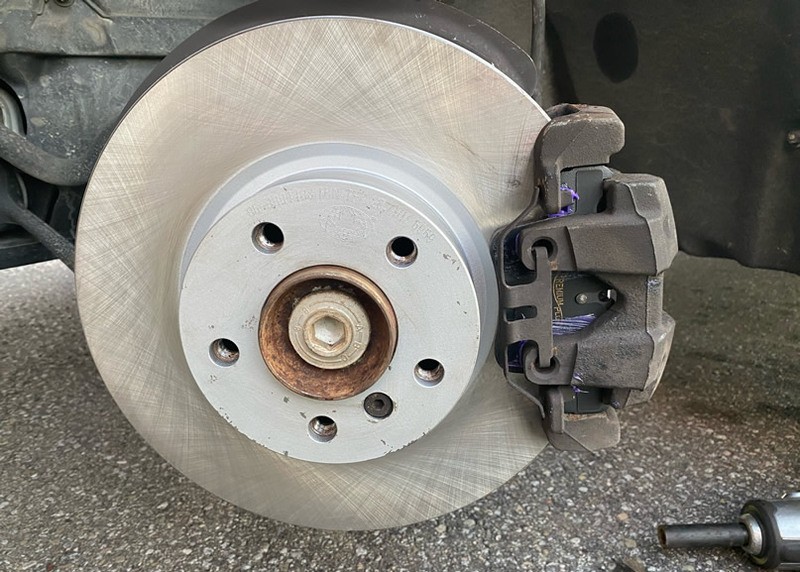
Listen for squealing or grinding sounds when braking. These noises often mean rotor wear. Look for vibrations or shaking in the brake pedal. Deep grooves or cracks on the rotor surface show damage. Thin rotors reduce brake effectiveness and need replacement.
Impact Of Heat And Stress
Braking creates heat that can wear rotors quickly. Frequent hard braking increases stress on rotors. Overheating causes warping and cracking. Warped rotors lead to uneven braking and vibrations. Driving habits greatly affect rotor lifespan and safety.
Brake Pad Longevity
Brake pads are a key part of your vehicle’s braking system. Their longevity affects safety and costs. Knowing how long brake pads last helps you plan maintenance and avoid problems.
Brake pad life varies widely. It depends on driving habits, vehicle type, and the brake pad material. Understanding these factors can help you recognize when to replace them.
Types Of Brake Pads
There are three main types of brake pads: organic, semi-metallic, and ceramic. Organic pads are soft and quiet but wear out faster. Semi-metallic pads last longer and handle heat well. Ceramic pads offer the longest life and produce less dust. Your choice affects how often you replace brake pads.
Wear Indicators
Many brake pads have built-in wear indicators. These are small metal tabs that make noise when pads are low. The sound warns you to check the brakes soon. Some modern vehicles use electronic sensors for this alert. Wear indicators help you avoid damage to rotors and keep brakes safe.
Replacement Frequency
Brake pads usually last between 30,000 and 70,000 miles. Driving style impacts this range a lot. City driving with frequent stops wears pads faster. Highway driving is gentler on brake pads. Regular inspections can catch wear early. Replace pads before they become too thin to stop safely.
Maintenance Tips
Proper maintenance helps brakes and rotors last longer. It keeps your vehicle safe and saves money. Simple habits prevent early wear and damage. Here are key tips to maintain your brake system well.
Regular Inspections
Check brake pads and rotors regularly. Look for signs of wear or damage. Thin pads or deep grooves on rotors need attention. Early detection stops bigger problems later. A quick visual check every few thousand miles works well.
Proper Bedding-in Process
New brakes need a careful break-in period. Avoid hard stops at first. Gradually increase braking force over several miles. This helps pads and rotors bond well. Proper bedding reduces noise and uneven wear.
Cleaning And Lubrication
Keep brakes clean from dust and dirt. Use brake cleaner spray for best results. Avoid using water or oil near brake parts. Apply proper brake lubricant on moving parts only. Clean parts work smoothly and last longer.
When To Replace Brakes And Rotors
Knowing when to replace brakes and rotors is key for safe driving. Brakes wear down over time and rotors can get damaged. Replacing them at the right time keeps your car stopping well and avoids bigger repairs. Watch your car and listen for signs that show it is time for new parts.
Common Warning Signs
Squeaking or grinding noises happen when brakes wear out. The car may pull to one side while braking. A longer stopping distance means brakes are weak. Vibrations in the brake pedal can show rotor problems. Warning lights on your dashboard may also come on.
Professional Inspection Advice
Experts check brake pads and rotor thickness. They look for cracks or warping on rotors. A professional measures brake pad wear carefully. Regular inspections catch problems early. Mechanics can tell if only pads need change or rotors too.
Cost Considerations
Brake pad replacement is cheaper than rotor replacement. Rotors can be resurfaced if damage is light. Severe rotor damage means full replacement is needed. Prices vary by car model and part quality. Investing in timely repairs saves money later.
Credit: www.allrotors.com
Extending Brake System Life
Extending the life of your brakes and rotors saves money and keeps you safe. Small habits and choices can slow down wear and tear. Good care means your brake system works well longer.
Driving Techniques
Gentle braking reduces stress on brakes and rotors. Avoid sudden stops and hard braking. Use engine braking by shifting to lower gears on hills. Keep a safe distance to avoid frequent stops. Smooth driving helps brake parts last longer.
Upgrading Components
High-quality brake pads last longer and work better. Ceramic pads create less dust and heat. Slotted or drilled rotors help cool the brake system. Upgrading parts can improve performance and extend life. Choose parts that fit your vehicle and driving style.
Routine Maintenance Schedule
Check brake pads and rotors regularly. Replace worn parts before damage spreads. Keep brake fluid clean and at proper levels. Listen for unusual noises or vibrations. Early fixes prevent costly repairs and extend brake life.
Frequently Asked Questions
How Long Do Brake Pads Usually Last?
Brake pads typically last between 30,000 to 70,000 miles. Their lifespan depends on driving habits, vehicle type, and quality of pads. Regular inspection helps identify wear early and ensures timely replacement for safety.
When Should I Replace My Brake Rotors?
Brake rotors should be replaced every 50,000 to 70,000 miles, or when warped or deeply scored. Signs include vibrations while braking and reduced stopping power. Regular checks help maintain optimal braking performance.
What Factors Affect Brake And Rotor Lifespan?
Driving style, road conditions, and vehicle load impact brake and rotor life. Frequent heavy braking or city driving shortens lifespan. High-quality parts and proper maintenance extend durability and enhance safety.
Can Worn Brakes Damage Rotors?
Yes, worn brake pads can damage rotors by causing metal-to-metal contact. This leads to rotor scoring and warping, reducing braking efficiency. Timely pad replacement prevents costly rotor damage.
Conclusion
Brakes and rotors wear out over time, but the timeline varies. Driving habits and road conditions affect their life span. Regular checks keep your car safe and help spot issues early. Replacing parts at the right time avoids costly repairs.
Remember, good brake care means better stopping power and safety. Keep an eye on changes in sound or feel while driving. Simple maintenance can extend the life of your brakes and rotors. Stay alert, drive safe, and maintain your vehicle well.