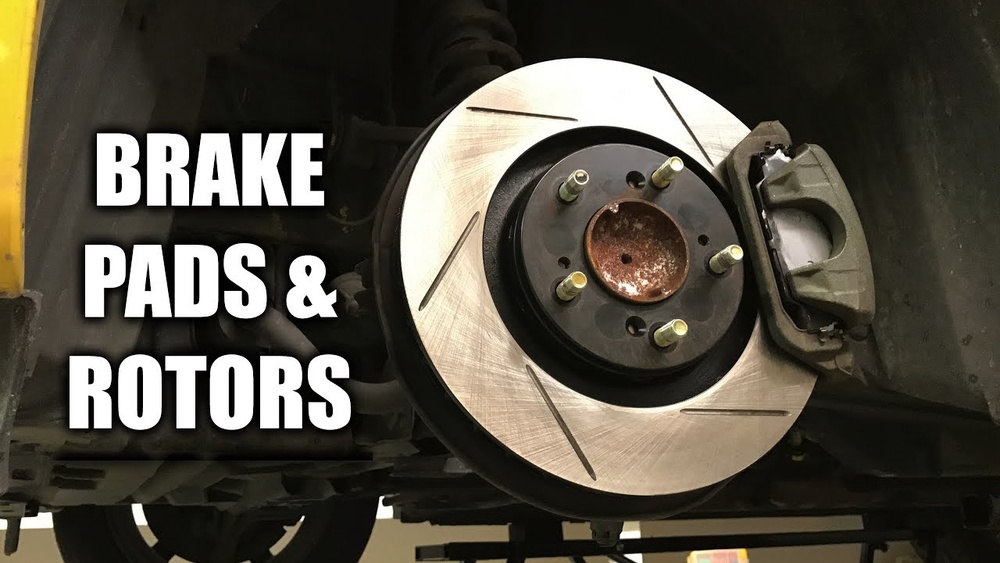
If you’ve just installed new rotors, you know how important it is to clean them properly before use. But what if you don’t have brake cleaner on hand?
Don’t worry—there are simple, effective ways to get your new rotors spotless without it. You’ll discover easy methods that save you time and money while keeping your brakes safe and reliable. Keep reading to learn how to clean your new rotors quickly and confidently, so your vehicle performs at its best from the start.

Credit: wd40.com.au
Why Clean New Rotors
New brake rotors are not always ready for use right out of the box. Cleaning them before installation is essential. This step helps avoid problems and keeps your brakes working well. Understanding why cleaning new rotors is important will help you maintain your vehicle’s safety and performance.
Importance Of Removing Factory Residue
New rotors often have a thin layer of oil or protective coating. This residue prevents rust during storage. If left on, it can reduce the rotor’s grip on brake pads. Removing this layer helps ensure the brakes work correctly from the start. It also prevents dust and dirt from sticking to the surface.
Effects On Brake Performance
Dirty rotors can cause uneven braking and noise. Residue creates a slippery surface that lowers friction. This means your car takes longer to stop. Clean rotors allow the brake pads to grip firmly. This improves safety and gives you better control over your vehicle.
Common Alternatives To Brake Cleaner
Cleaning new rotors is important before installation. It removes oils and dirt that affect braking. Brake cleaner is common but not always available. Several simple alternatives work well to clean rotors safely and effectively.
Soap And Water
Soap and water is the easiest way to clean new rotors. Use warm water and mild dish soap. Scrub the rotor surface gently with a soft brush or cloth. This removes dirt and grease. Rinse thoroughly with clean water. Dry completely to avoid rust. Soap and water is safe and eco-friendly.
Isopropyl Alcohol
Isopropyl alcohol is a good substitute for brake cleaner. It evaporates quickly and leaves no residue. Apply alcohol to a clean cloth and wipe the rotor surface. It removes oils and contaminants effectively. Use 70% or higher alcohol for best results. Work in a well-ventilated area to avoid fumes.
Vinegar Solutions
Vinegar is a natural cleaner that can remove grime. Mix white vinegar with water in equal parts. Soak a cloth in the solution and wipe the rotor. Vinegar helps dissolve dirt and oils on the surface. Rinse with water after cleaning. Dry the rotor fully before use. Vinegar is inexpensive and easy to find.
Step-by-step Cleaning Process
Cleaning new rotors without brake cleaner requires a careful, clear process. Dirt, oil, and dust must be removed to ensure safe braking. This step-by-step guide walks you through each part of the cleaning process.
Follow these steps to clean your rotors efficiently using simple materials. The process is easy and safe for your new rotors.
Gathering Materials
Start by collecting all items needed for cleaning. You will need:
- Warm water
- Mild dish soap
- A clean bucket
- A soft brush or sponge
- Clean cloths or towels
- Gloves to protect your hands
Having everything ready makes the job quicker and smoother.
Preparing The Cleaning Area
Choose a clean, flat surface to work on. Ensure good lighting and ventilation. Place old newspapers or cloths under the rotors to catch drips.
Keep tools within reach to avoid interruptions. This setup helps keep your area tidy and safe.
Applying The Cleaning Solution
Mix warm water with a few drops of mild dish soap in the bucket. Dip the brush or sponge into the soapy water. Gently apply the solution on the rotor surface.
Cover all areas, focusing on spots with visible dirt or grease. Avoid soaking the rotor for too long.
Scrubbing And Rinsing
Use the brush or sponge to scrub the rotor gently. Circular motions help remove grime without damaging the metal. Rinse the rotor with clean water to wash away soap and dirt.
Repeat scrubbing and rinsing if needed. Ensure no soap residue remains on the rotor surface.
Drying The Rotors Properly
Use a clean cloth or towel to dry the rotors completely. Avoid leaving any moisture, which can cause rust. Let the rotors air dry for a few minutes before installation.
Proper drying ensures the rotors stay clean and ready for use.
Precautions And Safety Tips
Cleaning new rotors without brake cleaner requires care and attention. Safety is important to protect yourself and the rotors. Follow simple precautions to avoid injury and damage. Use the right tools and methods. Keep the environment safe from harmful substances.
Protective Gear To Use
Wear gloves to protect your hands from dirt and chemicals. Use safety goggles to shield your eyes from dust and debris. A mask helps avoid breathing in small particles. Wear old clothes to prevent stains. Always prepare before starting the cleaning process.
Avoiding Damage To Rotors
Use soft cloths or brushes to clean the surface. Avoid rough or metal tools that can scratch rotors. Do not apply too much pressure. Use gentle cleaning solutions like soap and water. Dry rotors completely to stop rust from forming. Handle rotors carefully to prevent bending or warping.
Environmental Considerations
Dispose of cleaning water properly, not on plants or soil. Avoid using harsh chemicals that harm the environment. Use natural or mild cleaning agents when possible. Clean rotors in a well-ventilated area. Keep waste materials away from drains and water sources.
Signs Of Properly Cleaned Rotors
Knowing the signs of properly cleaned rotors helps ensure safe and smooth driving. Clean rotors improve brake response and prevent noise and vibration. Checking the rotors after cleaning is important to confirm they are ready for use. Simple tests and observations can tell if the rotors are clean enough.
Visual Inspection Tips
Look closely at the rotor surface. It should appear smooth and free of dirt or oil. No dark spots or rust patches should be visible. The color usually looks shiny silver or gray. Small scratches are normal but deep grooves mean more cleaning is needed. The rotor edges should not have any oily residue or dust. A clean rotor surface reflects light evenly without dull patches.
Brake Performance Indicators
Test your brakes gently after cleaning. The pedal should feel firm and steady. No strange noises like squeaking or grinding should occur. The vehicle should stop quickly without pulling to one side. Vibrations or shaking during braking may mean the rotors still have dirt or debris. Clean rotors provide smooth and quiet braking with consistent pressure.

Credit: www.youtube.com
Maintenance Tips After Cleaning
After cleaning new rotors without brake cleaner, proper maintenance is key. It helps your brakes last longer and work better. Simple steps can keep rotors in good shape and avoid damage.
Follow these tips to protect your investment and ensure safe driving. Consistent care makes a big difference over time.
Regular Inspection Routines
Check your rotors often for wear or damage. Look for cracks, grooves, or rust spots. Use a flashlight for better visibility. Early detection helps avoid costly repairs later.
Inspect brake pads too. Worn pads can harm rotors quickly. Replace pads if they look thin or uneven. Keep an eye on brake fluid levels as well.
Preventing Rust And Corrosion
Rust weakens rotors and reduces brake performance. Keep rotors dry after washing or rain. Use a clean cloth to wipe off moisture. Park your vehicle in a covered area if possible.
Apply a thin layer of anti-rust spray or lubricant designed for brakes. Avoid heavy oils that attract dirt. Regularly clean the rotors with mild soap and water to remove grime.

Credit: www.shinearmor.com
Frequently Asked Questions
How Can I Clean New Rotors Without Brake Cleaner?
You can clean new rotors using soap and water or rubbing alcohol. Use a clean cloth to wipe off any residue. Avoid oily or greasy substances to ensure proper brake performance and safety.
What Household Items Work To Clean Brake Rotors?
Soap, warm water, isopropyl alcohol, and vinegar can clean rotors effectively. These items remove contaminants without harsh chemicals. Always dry the rotors completely before installation.
Is It Safe To Use Soap And Water On Rotors?
Yes, soap and water safely remove dirt and oils from rotors. Use mild dish soap and warm water for best results. Make sure rotors are fully dry before use to prevent rust.
How Do I Remove Oily Residue From New Rotors?
Use rubbing alcohol or a degreaser to remove oil from rotors. Apply with a clean cloth and wipe thoroughly. This ensures the rotors are clean for optimal braking.
Conclusion
Cleaning new rotors without brake cleaner is simple and effective. Use basic household items like soap, water, and a clean cloth. This method removes oils and dirt that affect brake performance. Take your time and be gentle to avoid damage.
Clean rotors help your brakes work smoothly and safely. You don’t need special products to get the job done right. Keep your vehicle safe with regular rotor cleaning. Small steps make a big difference in brake safety and performance.