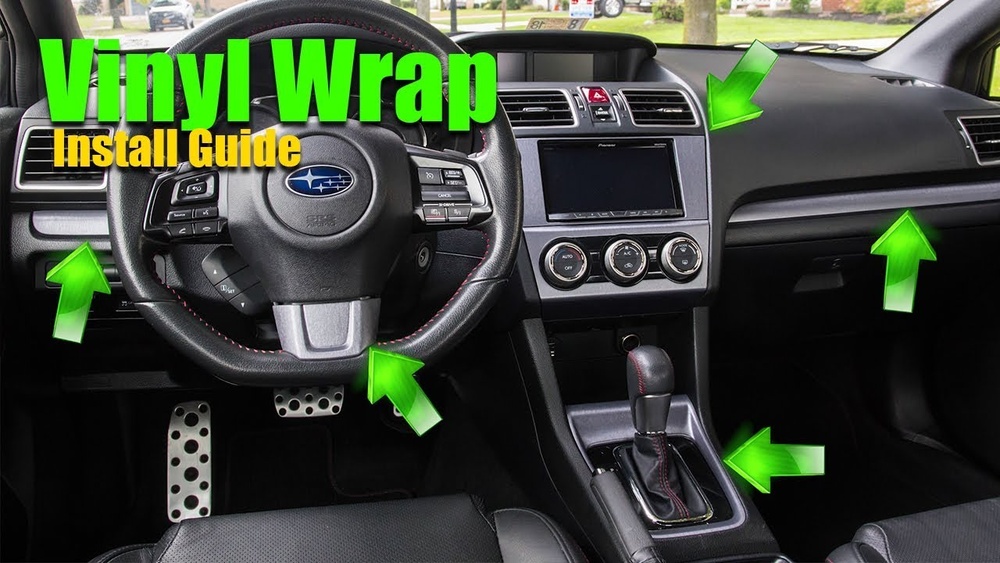
Thinking about giving your car, laptop, or furniture a fresh new look? Buying vinyl wrap can be a great way to do just that—without breaking the bank.
But with so many options out there, it’s easy to feel overwhelmed. You want to choose the right material, size, and finish that fits your needs perfectly. In this guide, you’ll discover simple tips to help you buy vinyl wrap with confidence.
Keep reading, and you’ll be ready to make a smart choice that transforms your space or gear just the way you want.
Credit: www.vehiclewrapping.com
Choosing The Right Vinyl
Choosing the right vinyl is a key step in buying vinyl wrap. The correct type and quality make a big difference in how your wrap looks and lasts. Understanding the options helps you pick the best vinyl for your project.
Focus on the type, quality, and finish. These factors affect durability and appearance. Knowing these details saves time and money.
Types Of Vinyl Wraps
There are several types of vinyl wraps. Cast vinyl is thin and flexible. It molds well to curves and lasts longer. Calendered vinyl is thicker and cheaper. It works well on flat surfaces but wears out faster. Choose cast vinyl for a smooth, long-lasting finish.
Material Quality And Durability
High-quality vinyl lasts longer and resists damage. Look for vinyl with strong adhesive and UV protection. This prevents peeling and fading. Good material handles weather changes well. Avoid low-quality vinyl to prevent early wear and tear.
Finish Options
Vinyl wraps come in many finishes. Glossy finish shines and looks like paint. Matte finish gives a smooth, flat look. Satin finish is between glossy and matte, offering a soft shine. Textured finishes add depth, like carbon fiber or brushed metal. Pick a finish that fits your style and car.
Measuring Your Vehicle
Measuring your vehicle correctly is the first step to buying the right vinyl wrap. Accurate measurements help avoid buying too little or too much material. It saves money and ensures a smooth wrapping process. Taking careful measurements also reduces waste and frustration.
Key Areas To Measure
Focus on the largest flat surfaces first. Measure the hood, roof, doors, and trunk. Don’t forget the bumpers and side mirrors if you plan to wrap them. Measure the height, width, and length of each part. Write down every measurement clearly for reference.
Tools For Accurate Measurement
Use a flexible measuring tape for curves and corners. A metal tape measure works well on flat surfaces. A helper can make measuring easier and more precise. A notebook or phone app helps record numbers quickly. Double-check each measurement for accuracy.
Calculating Material Needed
Add extra length and width to your total measurements. This allows room for errors and overlaps. A good rule is to add 10-15% more material. This extra vinyl covers tricky areas and mistakes. Always buy a little more to be safe.
Color And Design Selection
Choosing the right color and design for your vinyl wrap is very important. It changes how your vehicle looks and shows your personality. The right choice makes your car stand out and look fresh.
Matching Your Style
Pick colors that match your personal taste and lifestyle. Bright colors can show energy and fun. Dark colors often look sleek and classic. Think about your daily routine and the image you want to show.
Consider your car’s shape too. Some colors and finishes highlight curves better. Matte or glossy finishes can change the feel of the wrap. Choose what feels right for you.
Custom Designs And Patterns
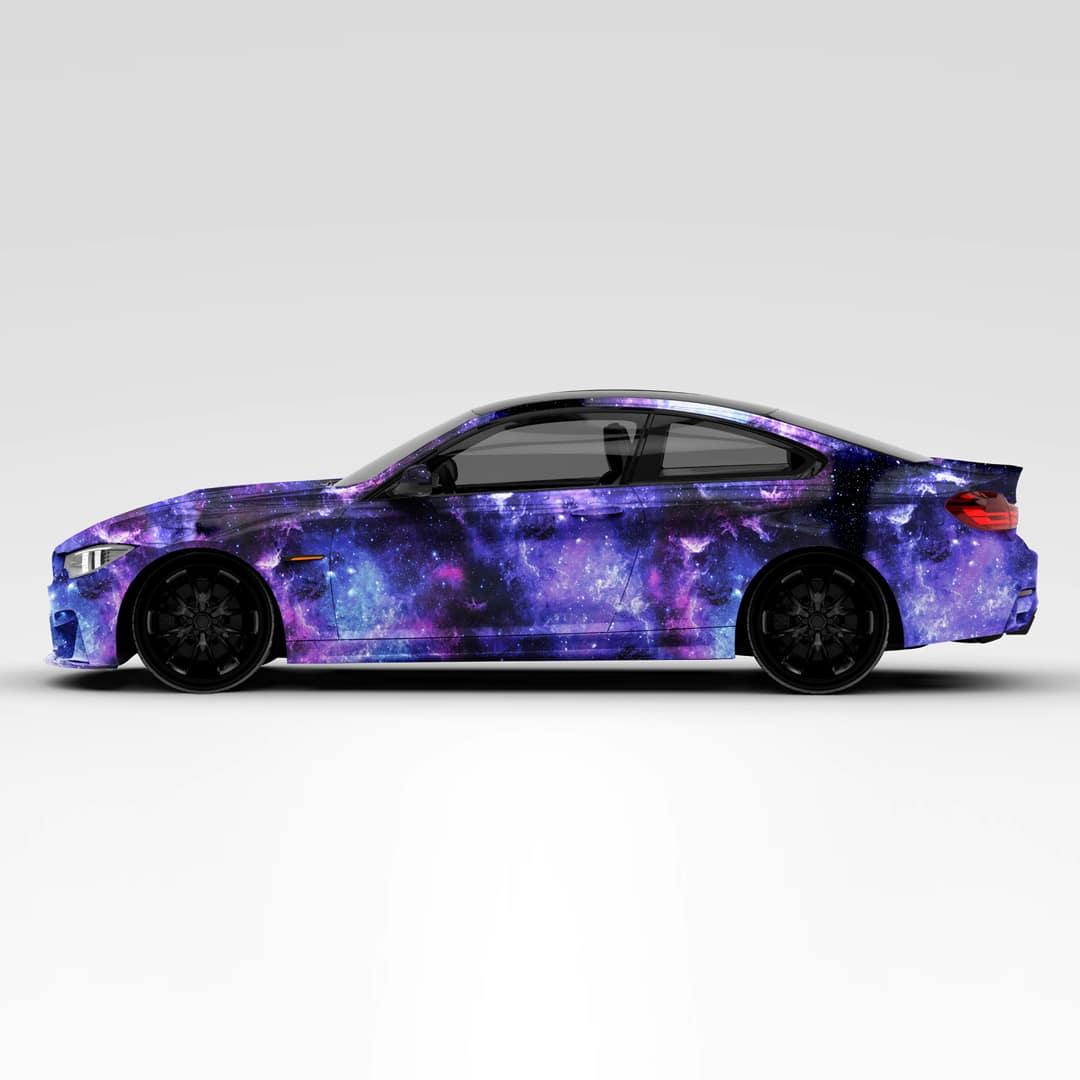
Custom designs let you express yourself fully. You can add logos, shapes, or special patterns. These make your vehicle unique and memorable. Patterns like stripes or camo add extra style.
Work with a designer or use online tools to create your look. Make sure the design fits well on your car’s surface. This keeps the wrap looking smooth and sharp.
Trends In Vehicle Wraps
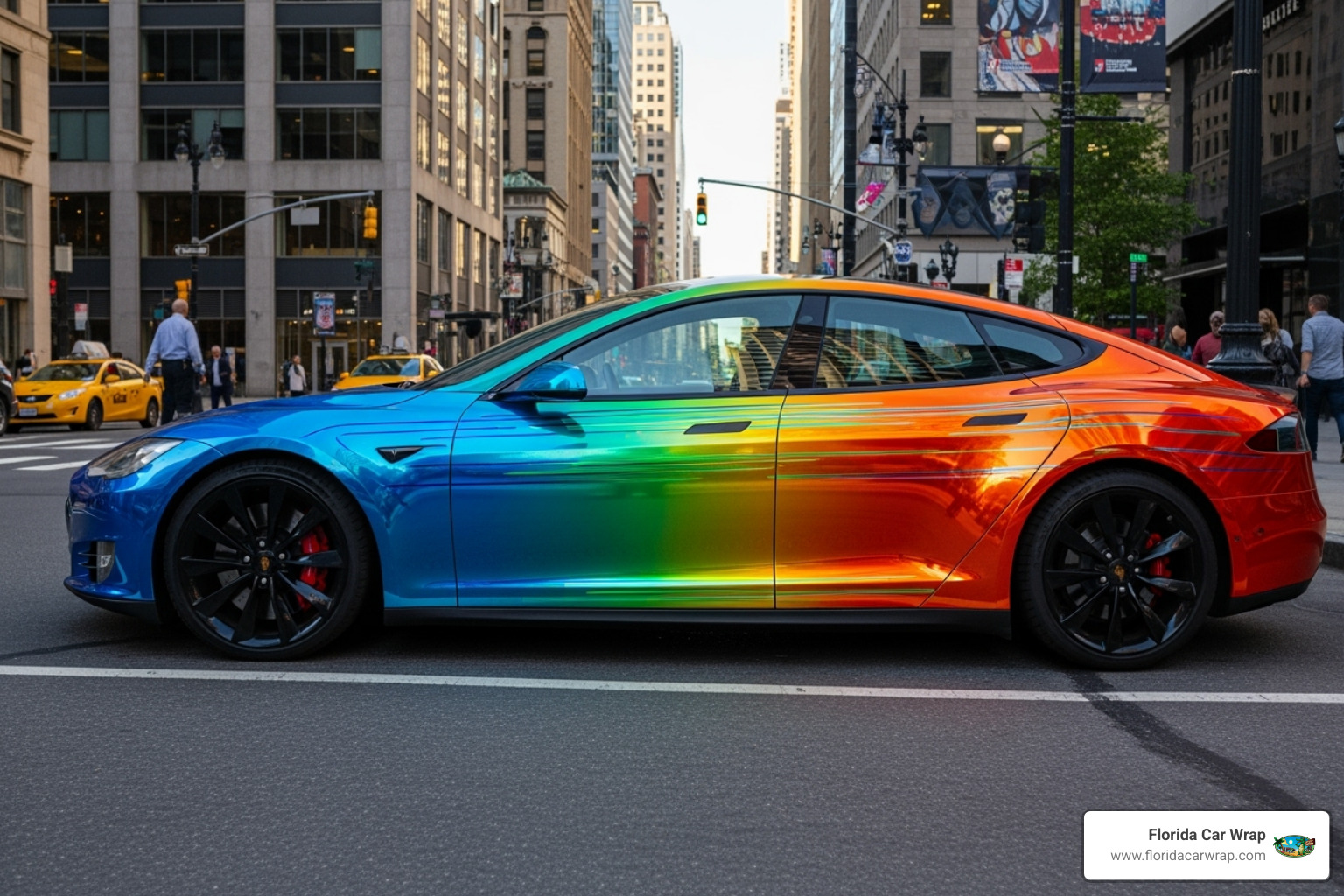
Popular trends change often. Right now, metallic and chrome finishes are very popular. They give cars a futuristic look. Another trend is color shifting wraps that change color in light.
Matte wraps also remain popular for a subtle, modern look. Keep an eye on new trends but choose what you truly like. Trends come and go, but your style lasts longer.
Where To Buy Vinyl Wrap
Choosing where to buy vinyl wrap affects the quality and ease of your project. You want the best materials that fit your needs and budget. There are many options, from online stores to local shops. Each has its own benefits. Understanding these helps you decide the right place to shop.
Online Retailers Vs Local Shops
Online retailers offer a wide selection of vinyl wraps. You can find many colors and finishes. Prices are often lower due to less overhead. Shipping is convenient but can take time.
Local shops let you see and touch the vinyl before buying. You get advice from staff who know the product well. Immediate pickup is possible, saving delivery wait. Local stores may have fewer options but provide personal service.
Trusted Brands
Choose vinyl wrap from well-known brands for quality. Trusted brands use durable materials and offer better warranties. They provide clear instructions for installation. This reduces mistakes and improves results. Popular brands often have reviews online to check.
Budget Considerations
Set your budget before buying vinyl wrap. Quality vinyl can cost more but lasts longer. Cheaper wraps may look good but wear out fast. Balance price and quality to avoid extra costs later. Buying in bulk online might save money on large projects.
Preparing Your Vehicle
Preparing your vehicle is the first step in buying and applying vinyl wrap. Proper preparation ensures the wrap sticks well and lasts longer. It also helps to avoid bubbles, wrinkles, and other issues. Take your time with this phase for the best results.
Cleaning And Surface Prep
Start by washing your vehicle thoroughly. Remove all dirt, grease, and dust from the surface. Use a gentle soap and water solution. Dry the vehicle completely with a clean cloth. Next, wipe the surface with isopropyl alcohol to remove oils. A clean surface helps the vinyl wrap stick better and stay smooth.
Removing Old Wraps Or Paint
Check for any old vinyl wraps or peeling paint. Remove old wraps carefully using a heat gun and plastic scraper. Avoid damaging the paint underneath. If the paint is peeling or flaking, fix it before applying new wrap. The surface must be smooth and even for the new vinyl to stick well.
Temperature And Environment
Work in a shaded, dust-free area. Avoid direct sunlight during the wrap application. Ideal temperatures range from 60°F to 80°F (15°C to 27°C). Too hot or cold can affect the vinyl’s flexibility and adhesive strength. Keep windows and doors closed to reduce dust and wind.
Credit: floridacarwrap.com
Tools And Accessories Needed
Buying vinyl wrap is just the start. Having the right tools and accessories makes the job easier. It helps you get a smooth, clean finish without bubbles or wrinkles. Prepare your workspace and gather your supplies before you begin. This saves time and frustration.
Essential Application Tools
Start with a good squeegee. It pushes out air bubbles and smooths the vinyl. Use one with a soft edge to avoid scratches. A sharp utility knife is needed to trim excess vinyl neatly. Heat guns help soften the vinyl for curves and edges. A measuring tape and a ruler ensure precise cuts.
Safety Gear
Protect your hands with gloves. They prevent cuts and keep the vinyl clean. Wear safety glasses to shield your eyes from flying debris. Use a mask if you work in a dusty area or with strong fumes. Safety gear keeps you comfortable and safe during the wrap process.
Additional Supplies
Use cleaning products to prep your surface. Soap and water or isopropyl alcohol remove dirt and grease. Lint-free cloths prevent fibers from sticking to the vinyl. Painter’s tape helps hold the wrap in place temporarily. Have some plastic cards handy for small, detailed work.
Applying The Vinyl Wrap
Applying vinyl wrap is a careful process that requires patience and attention. The right steps help the wrap stick well and look smooth. It can change your car or item’s look without paint. Follow these guidelines to make sure the wrap fits perfectly and lasts long.
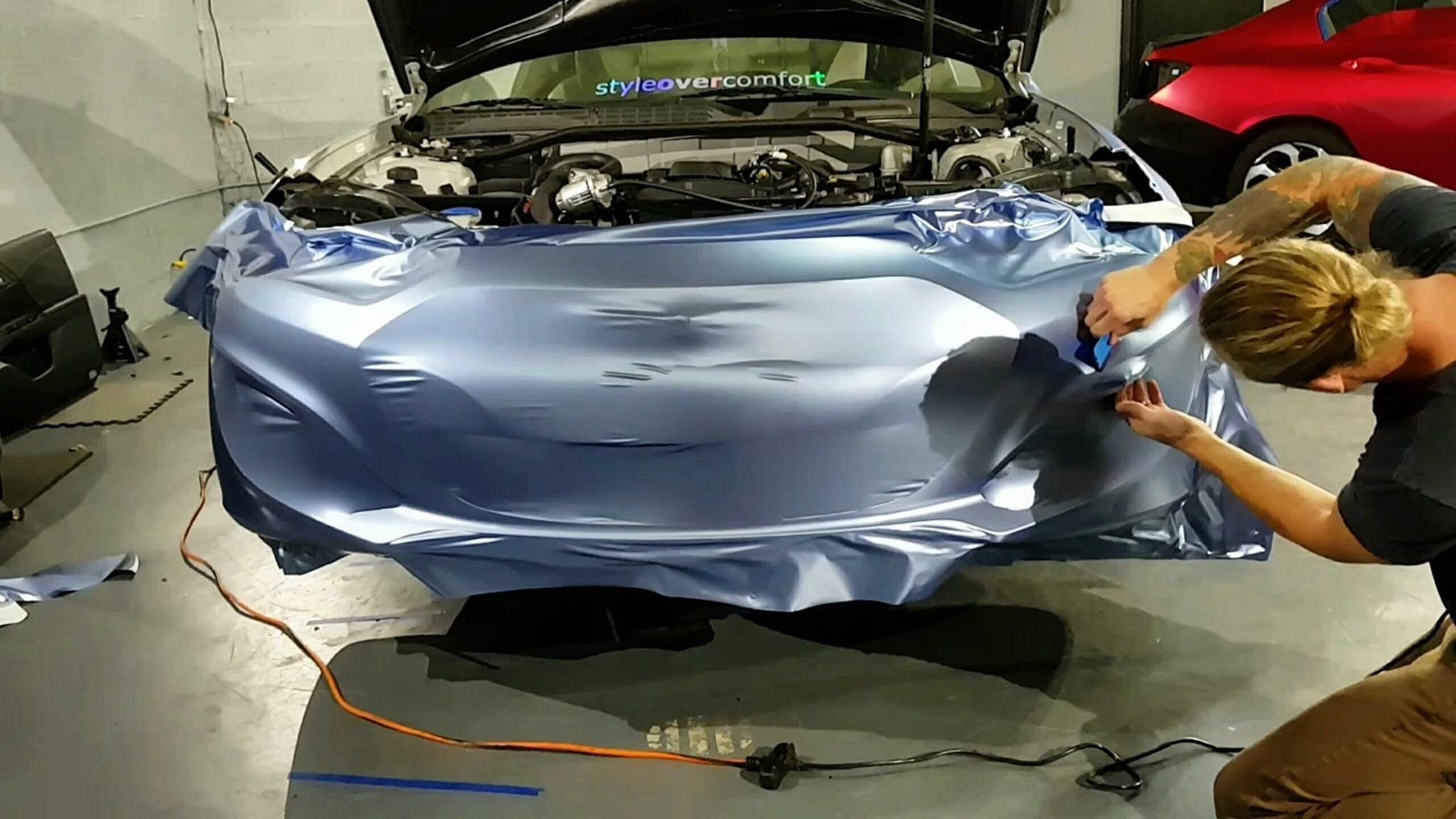
Step-by-step Application Process
Clean the surface fully. No dust, dirt, or oil allowed.
Measure and cut the vinyl to the needed size.
Peel back a small part of the backing paper.
Stick the exposed vinyl to the surface carefully.
Use a squeegee to push out air bubbles and wrinkles.
Slowly peel more backing paper and press the vinyl down.
Trim any extra vinyl with a sharp blade.
Heat the vinyl gently with a heat gun to help it stick.
Handling Curves And Edges
Vinyl wrap can bend but needs care on curves.
Stretch the vinyl lightly over curves, not too much.
Use heat to make the vinyl flexible.
Press edges firmly to avoid lifting later.
Cut small slits on inside curves if needed.
Work slowly to avoid wrinkles or tears.
Avoiding Common Mistakes
Do not apply on dirty or wet surfaces.
Avoid stretching the vinyl too much.
Do not rush; take your time.
Keep the vinyl clean during application.
Use a sharp blade to cut, not dull scissors.
Check for air bubbles and push them out early.
Credit: sempguidelines.org
Maintenance And Care
Taking care of your vinyl wrap helps keep it looking fresh and new. Proper maintenance stops damage and extends the life of the wrap. Simple steps protect your investment and maintain the vehicle’s appearance.
Cleaning Tips
Use a soft cloth or sponge with mild soap and water. Avoid harsh chemicals or abrasive materials that can scratch the vinyl. Rinse with clean water and dry with a microfiber towel. Clean the wrap regularly to prevent dirt buildup. Avoid automatic car washes with strong brushes that may harm the wrap.
Repairing Minor Damages
Small scratches or tears can often be fixed at home. Use a vinyl repair kit designed for wraps. Gently apply the patch or adhesive to the damaged area. Press firmly and smooth out any bubbles. For larger damage, seek professional help to avoid worsening the issue.
Longevity Of Vinyl Wraps
Good maintenance can extend the wrap’s life up to 5 to 7 years. Avoid parking under direct sunlight for long periods. Store the vehicle in a garage or shaded area when possible. Regular cleaning and quick repairs keep the wrap in top shape. Proper care means your wrap stays vibrant and protects your vehicle longer.
Frequently Asked Questions
What Factors Should I Consider Before Buying Vinyl Wrap?
Consider material quality, finish type, size, and brand reputation. Check UV resistance and ease of installation. Choose a wrap that suits your vehicle and personal style.
Where Can I Buy High-quality Vinyl Wraps?
Purchase from reputable online stores, automotive shops, or specialty wrap suppliers. Always check customer reviews and product specifications before buying.
How Much Vinyl Wrap Do I Need For My Vehicle?
Measure your vehicle’s surface area accurately. Add 10-15% extra to cover mistakes and overlaps. This ensures you have enough material for full coverage.
Can I Apply Vinyl Wrap Myself Or Hire A Professional?
You can apply vinyl wrap yourself with practice and patience. However, hiring a professional ensures a flawless finish and saves time.
Conclusion
Buying vinyl wrap can be simple with the right steps. Choose the right size and material for your project. Check reviews to find quality products. Consider your skill level before starting the wrap. Take your time during application for best results.
Remember, practice helps improve your technique. Enjoy personalizing your vehicle or item with vinyl wrap. This guide helps you buy with confidence and ease.