Are you ready to give your square box a fresh, stylish look without spending a fortune? Vinyl wrapping is a simple and effective way to transform plain surfaces into eye-catching designs.
But wrapping a square box can feel tricky if you don’t know the right steps. Don’t worry—this guide will walk you through the process, helping you avoid common mistakes and achieve a smooth, professional finish. Keep reading, and you’ll soon have the skills to make your box stand out with a flawless vinyl wrap.

Credit: www.bee1.com.br
Materials Needed
Vinyl wrapping a square box needs specific materials for the best results. Having the right items makes the process smooth and gives a clean finish. Preparing your workspace and gathering these supplies saves time and effort.
Choosing The Right Vinyl
Select vinyl that suits your project size and use. Look for adhesive vinyl with a smooth finish. Matte or gloss depends on your style preference. Choose vinyl thick enough to avoid tearing. Pick colors that match or contrast your box well.
Tools And Accessories
Gather tools that help with cutting and applying vinyl. A sharp utility knife or scissors is essential. Use a squeegee to smooth out bubbles and wrinkles. Have a measuring tape for accurate vinyl sizing. A heat gun or hairdryer softens vinyl for tight corners. Keep a clean cloth to wipe surfaces before applying.

Credit: www.mannlakeltd.com
Preparing The Box
Preparing the box is the first step to a smooth vinyl wrap. A clean and smooth surface helps the vinyl stick better. It also prevents bubbles and wrinkles. Take your time to get the box ready. This will make the wrapping process easier and the finish neat.
Cleaning The Surface
Start by removing dust and dirt from the box. Use a soft cloth with warm, soapy water. Wipe the entire surface gently. Avoid using harsh chemicals that can damage the box. Let the box dry completely before moving on. A dry surface helps the vinyl stick firmly.
Sanding And Smoothing
Check the box for rough spots or bumps. Use fine-grit sandpaper to smooth these areas. Sand lightly to avoid damaging the box. After sanding, wipe the surface with a clean cloth. This removes dust and small particles. A smooth surface ensures a clean vinyl wrap finish.
Measuring And Cutting Vinyl
Measuring and cutting vinyl correctly is key to a smooth wrap. It saves time and avoids waste. Precise measurements ensure the vinyl fits the box perfectly. Cutting with care prevents damage and keeps edges clean.
Taking Accurate Measurements
Start by measuring the length, width, and height of the box. Use a tape measure for exact numbers. Write down each measurement clearly. Measure twice to avoid mistakes. Add a small extra margin for wrapping around edges. This helps the vinyl cover the box fully without gaps.
Cutting Templates
Create paper templates using your measurements. Cut the paper to match each side of the box. Use these templates to mark the vinyl. Place the template on the vinyl and trace around it. Cut the vinyl slowly with a sharp blade or scissors. Keep cuts straight and smooth for a neat look.
Applying The Vinyl
Applying the vinyl wrap to a square box needs care and patience. The goal is a smooth, wrinkle-free finish. Take your time. The right method makes all the difference.
Follow these steps to position and smooth the vinyl properly. This ensures the wrap sticks well and looks great.
Positioning The Vinyl
Start by peeling a small section of the backing from the vinyl. Align the vinyl with one edge of the box. Hold it steady without stretching. Slowly press the vinyl onto the surface. Use your hand or a squeegee to press down gently. Work from the center out to the edges. This helps prevent wrinkles and bubbles. Check the alignment often. Adjust the vinyl before sticking it fully.
Smoothing Out Bubbles
Bubbles can ruin the look of your wrap. Use a soft cloth or squeegee to push bubbles toward the edges. For stubborn bubbles, lift the vinyl gently. Then reapply slowly while smoothing out air pockets. Small pinholes can help release trapped air. Be careful not to tear the vinyl. Taking your time here improves the final result.
Wrapping Edges And Corners
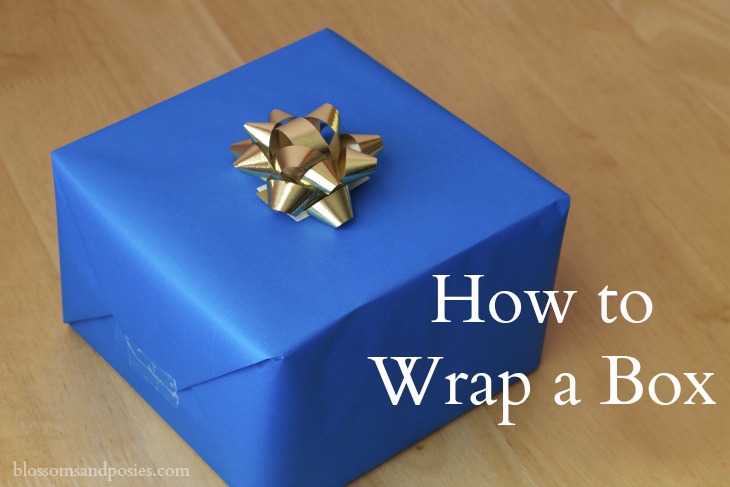
Wrapping the edges and corners of a square box is a key step in vinyl wrapping. These parts are tricky because of sharp angles and tight spaces. Careful handling here ensures a smooth, professional look. Take your time and work slowly to avoid wrinkles or tears.
Handling Sharp Edges
Sharp edges need gentle treatment to keep the vinyl intact. Heat the vinyl slightly with a heat gun to make it softer. Stretch the vinyl carefully over the edge without pulling too hard. Use your fingers or a soft tool to press the vinyl down firmly. Avoid sharp tools that can cut or damage the vinyl. Work slowly around each edge for best results.
Trimming Excess Vinyl
Excess vinyl can cause bulges and wrinkles if not trimmed well. Use a sharp utility knife or scissors for clean cuts. Cut close to the edge but leave a small margin to prevent peeling. Trim slowly and steadily to avoid mistakes. Remove any small leftover pieces to keep the wrap neat. Proper trimming gives a smooth finish and sharp corners.
Credit: blossomsandposies.com
Finishing Touches
Finishing touches make your vinyl wrap look clean and last longer. They help secure the edges and smooth out any small bubbles. Proper finishing also protects your work from damage and weather effects. Take your time with these final steps for the best results.
Heat Setting The Vinyl
Use a heat gun to gently warm the vinyl surface. Heat makes the vinyl more flexible and helps it stick better. Move the heat gun evenly over the wrapped box. Avoid holding it in one spot to prevent damage. After heating, press the vinyl edges firmly with a soft cloth. This step reduces wrinkles and bubbles.
Sealing And Protection
Apply a clear sealant or laminate over the vinyl wrap. This layer protects the vinyl from scratches and dirt. Use a spray or brush-on sealant made for vinyl surfaces. Let the sealant dry completely before handling the box. Proper sealing extends the life of your wrap and keeps it looking fresh.
Troubleshooting Common Issues
Troubleshooting is a key part of vinyl wrapping a square box. Small problems can happen even with careful work. Fixing these issues quickly keeps the wrap looking smooth and clean. This section covers how to handle the most common problems you might face.
Fixing Wrinkles And Bubbles
Wrinkles and bubbles often appear if the vinyl does not lay flat. Use a heat gun or hairdryer to warm the vinyl slightly. Warm vinyl becomes more flexible and easier to smooth out.
Press the vinyl gently with a squeegee or soft cloth. Start from the center and push outwards. This moves trapped air or creases toward the edges.
Small bubbles can sometimes be popped with a pin. Press the air out carefully, then smooth the surface again. Avoid large tears by being gentle.
Dealing With Tears
Tears happen when the vinyl stretches too much or catches on sharp edges. Stop wrapping immediately to prevent the tear from worsening.
For small tears, use a matching vinyl patch on the inside of the box. This supports the tear and prevents it from spreading.
Cut the patch slightly larger than the tear. Use vinyl adhesive or double-sided tape to fix the patch firmly.
In case of large tears, removing the damaged section and replacing it might be necessary. Take care to align the new vinyl smoothly with the rest of the wrap.
Frequently Asked Questions
How Do I Prepare A Square Box For Vinyl Wrapping?
Clean the box thoroughly to remove dust and oils. Sand rough surfaces lightly for better vinyl adhesion. Ensure the box is dry and free from debris before starting the wrap.
What Tools Are Essential For Vinyl Wrapping A Square Box?
You need vinyl wrap sheets, a squeegee, a utility knife, heat gun, and measuring tape. These tools help apply the vinyl smoothly and cut it precisely for a clean finish.
How Do I Avoid Bubbles When Vinyl Wrapping A Box?
Apply the vinyl slowly while smoothing it with a squeegee. Use a heat gun to soften vinyl, making it easier to stretch and adhere without bubbles.
Can I Reuse Vinyl Wrap On A Square Box?
Vinyl wrap is usually designed for one-time use. Removing it often damages the adhesive, reducing its ability to stick again effectively.
Conclusion
Vinyl wrapping a square box is simple with the right steps. Take your time to measure and cut the vinyl carefully. Smooth out bubbles and wrinkles as you go. Use a heat gun or hairdryer to help the vinyl stick well.
Practice makes perfect, so don’t rush the process. A neat wrap can protect and decorate your box nicely. Try different colors and patterns to match your style. Enjoy your new, clean look. Vinyl wrapping is a fun and useful skill to learn.