

If you have a waxed amaryllis plant, you know how stunning it looks with its glossy leaves and vibrant blooms. But keeping it healthy and beautiful takes the right care.
You might wonder how to water it properly, where to place it, or how to make those flowers last longer. This guide will give you simple, effective tips to help your waxed amaryllis thrive. By following these easy steps, you’ll enjoy a lively, eye-catching plant that brightens your space for weeks to come.
Keep reading to discover exactly what your waxed amaryllis needs.
Choosing The Right Waxed Amaryllis
Choosing the right waxed amaryllis is key to enjoying its beauty longer. A healthy plant starts with a strong bulb and a good variety. Picking the best bulb and variety helps the plant grow well and bloom brightly.
Selecting Healthy Bulbs
Pick bulbs that feel firm and heavy for their size. Avoid bulbs with soft spots or mold. Clean bulbs with no cracks last longer. A good bulb stores energy to support strong flowers. Choose bulbs with dry, papery skin and no signs of damage. These bulbs are more likely to grow into beautiful plants.
Best Varieties For Waxing
Some amaryllis varieties hold wax better than others. Large, thick petals work well for waxing. Popular types include ‘Red Lion,’ ‘Apple Blossom,’ and ‘Nymph.’ These varieties have bold colors and strong stems. They keep their shape and color under wax coating. Choosing these varieties gives you a waxed amaryllis that looks fresh and bright for a long time.
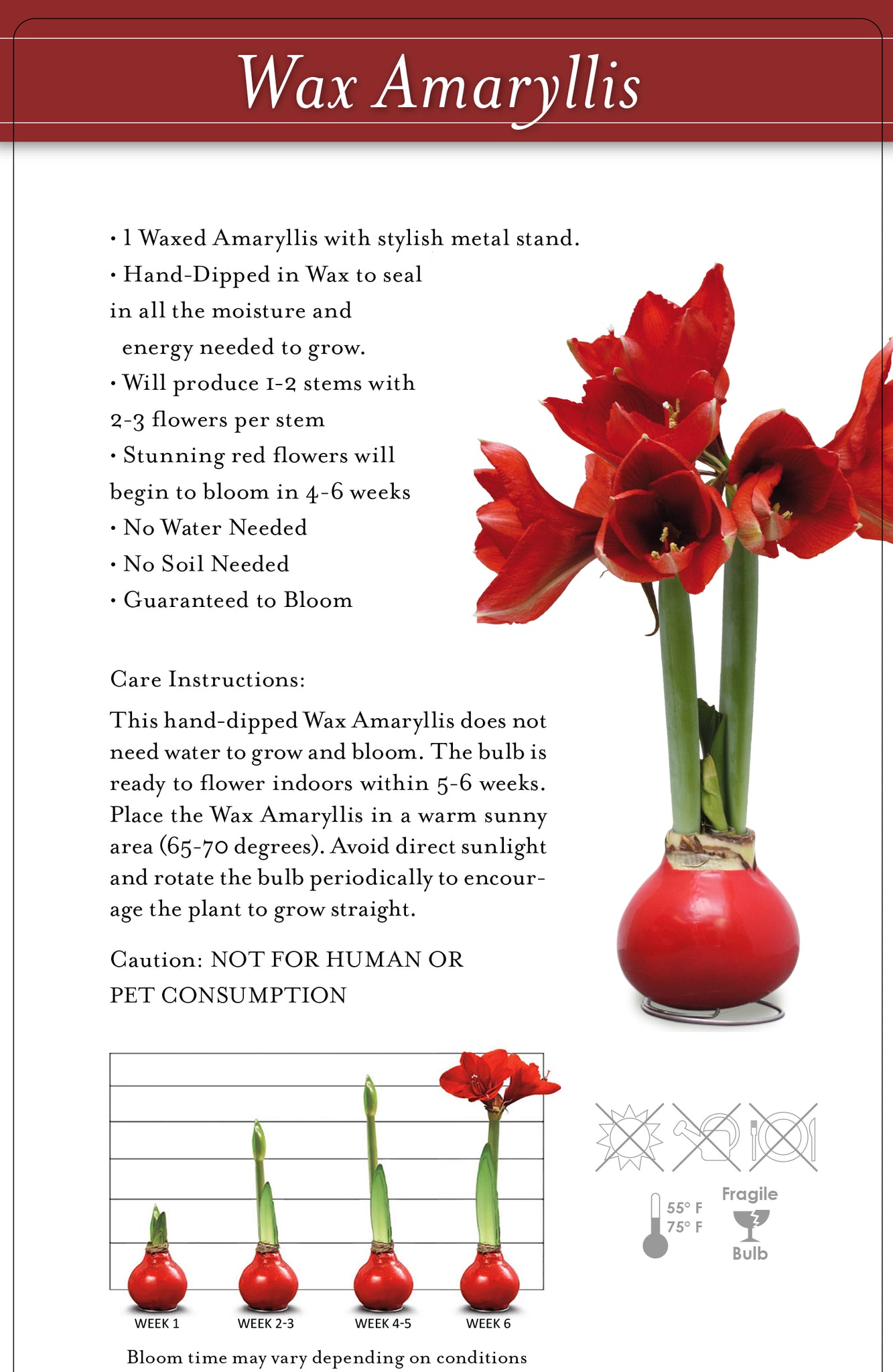
Credit: hollandbeauty.com
Planting Your Waxed Amaryllis
Planting your waxed amaryllis properly helps it grow strong and bloom beautifully. Choosing the right soil and planting at the correct depth are key steps. These details keep the plant healthy and encourage vibrant flowers.
Careful planting sets the stage for a long-lasting amaryllis. Follow simple guidelines to give your plant the best start.
Ideal Soil And Potting Mix
Use well-draining soil for your waxed amaryllis. A mix with peat, sand, and compost works well. This helps water flow and stops root rot. Avoid heavy soils that hold too much moisture. The right soil keeps roots healthy and lets air reach them easily.
Proper Planting Depth
Plant the bulb with its top third above the soil surface. This allows leaves to grow freely. Burying it too deep can prevent blooming. Too shallow planting might dry out the roots. Keep a balance to help your amaryllis thrive and bloom.
Watering Techniques
Watering a waxed amaryllis plant needs care and attention. This plant does not like too much water or too little. Proper watering helps it grow healthy and bloom beautifully. Understanding the right techniques can keep your plant happy and thriving.
Frequency And Amount
Water your waxed amaryllis once a week. Check the soil before watering. The top inch should feel dry. Water slowly and evenly around the base. Stop watering when water drains from the pot’s holes. Avoid watering the leaves or bulb directly. Adjust watering more during hot weather. Less water is needed in cooler months.
Signs Of Overwatering
Leaves turning yellow is a common sign. The bulb may become soft and mushy. Soil that stays wet for days can harm roots. Watch for a bad smell from the soil. Mold or fungus on the surface is another sign. Overwatering can cause the plant to stop growing. Reduce watering and let the soil dry out if you see these signs.
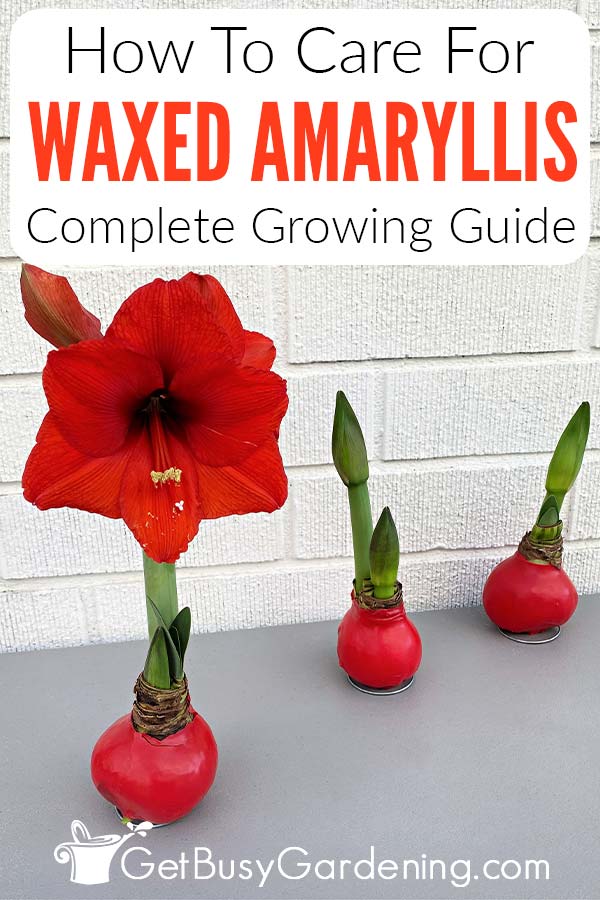
Credit: getbusygardening.com
Lighting Needs
Lighting plays a key role in keeping your waxed amaryllis healthy. This plant needs the right amount of light to grow strong and bloom beautifully. Too much or too little light can harm it.
Understanding the plant’s lighting needs helps you find the best spot for it. Let’s explore how to give your waxed amaryllis the perfect light.
Optimal Sunlight Exposure
Waxed amaryllis thrives in bright, indirect sunlight. Direct sunlight can burn its leaves and flowers.
Place the plant where it gets light but avoid harsh rays. Morning sun is gentle and good for this plant.
Too little light makes the plant weak and stops blooming. Bright, filtered light keeps it healthy and vibrant.
Indoor Vs Outdoor Placement
Indoors, place your waxed amaryllis near a window with filtered sunlight. East or west-facing windows work well.
Outdoor placement is fine during warm months. Choose a shaded spot that protects the plant from direct sun.
Move the plant indoors before cold weather starts. Sudden changes in light and temperature can stress it.
Temperature And Humidity
Temperature and humidity play a big role in keeping a waxed amaryllis healthy. These plants like steady conditions that match their natural habitat. Too much change can stress the plant and slow its growth. Understanding the right temperature and humidity helps your plant thrive and bloom beautifully.
Ideal Temperature Range
Waxed amaryllis plants grow best in temperatures between 60°F and 75°F. Night temperatures should not drop below 50°F. Avoid placing the plant near cold drafts or hot vents. Sudden temperature shifts can cause leaf damage. Keep the environment stable to encourage strong growth and vibrant flowers.
Managing Humidity Levels
These plants prefer moderate humidity around 40% to 60%. Too dry air can cause leaf edges to brown and curl. Use a room humidifier or place a tray of water near the plant to boost moisture. Avoid misting the leaves directly, which may lead to fungal problems. Proper humidity helps the waxy leaves stay healthy and shiny.

Credit: www.jacksonandperkins.com
Feeding And Fertilizing
Feeding and fertilizing a waxed amaryllis plant helps it grow strong and bloom well. Plants need nutrients to stay healthy. Fertilizer gives these nutrients. Proper feeding makes leaves green and flowers bright. Knowing how to feed your waxed amaryllis can improve its life.
Choosing The Right Fertilizer
Select a balanced fertilizer with equal parts nitrogen, phosphorus, and potassium. A formula like 10-10-10 works well. Avoid fertilizers with too much nitrogen; it can cause leaf growth but fewer flowers. Look for slow-release or water-soluble fertilizers for steady feeding. Organic options like compost or fish emulsion are gentle and effective. Always check the label for plant safety.
Feeding Schedule
Feed your waxed amaryllis every two to four weeks during its growing season. Start fertilizing in early spring when new growth appears. Stop feeding once the plant enters dormancy or stops growing. Overfeeding can harm the plant, so use the recommended amount. Water the plant before applying fertilizer to avoid root burn. Regular feeding supports strong roots and vibrant blooms.
Handling Common Issues
Waxed amaryllis plants are hardy, but they still face some common problems. Knowing how to handle these issues helps keep your plant healthy and blooming. Regular care and quick action prevent most troubles.
Pest Prevention And Control
Watch your waxed amaryllis for pests like aphids, spider mites, and mealybugs. These bugs suck the plant’s sap and weaken it. Check leaves and stems often, especially under leaves.
Use a gentle spray of water to remove small pests. For bigger problems, apply insecticidal soap or neem oil. Avoid harsh chemicals that can harm the plant. Keep the plant clean and remove dead leaves to stop pests from hiding.
Dealing With Diseases
Diseases like leaf spot and root rot can affect your waxed amaryllis. Leaf spots show as brown or yellow marks on leaves. Root rot causes the roots to turn dark and mushy.
Prevent diseases by not overwatering. Ensure good drainage in the pot. Remove and throw away infected leaves. Use a fungicide if the problem continues. Keep the plant in a well-ventilated area to reduce moisture buildup.
Encouraging Blooming
Encouraging blooming in a waxed amaryllis plant takes patience and care. The plant needs the right conditions to produce its beautiful flowers again. Proper care during its resting and growing phases helps trigger strong blooms. Follow these steps to nurture your plant and enjoy vibrant flowers.
Dormancy Period Care
The dormancy period is crucial for amaryllis to bloom again. After flowering, stop watering the plant gradually. Let the leaves dry naturally. Place the pot in a cool, dark place for about 8 to 10 weeks. This rest helps the bulb store energy for the next bloom. Avoid disturbing the bulb during this time.
Stimulating Flower Growth
After dormancy, move the plant to a warm, bright spot. Start watering it lightly to wake the bulb. Use a balanced fertilizer every two weeks. Keep the soil moist but not soggy. Provide at least 6 hours of indirect sunlight daily. These actions signal the plant to grow flowers soon.
Maintenance And Repotting
Proper maintenance and repotting are key to keeping your waxed amaryllis plant healthy. These tasks help the plant grow strong and bloom beautifully. Regular care prevents problems and boosts its life.
Paying attention to pot size and soil quality supports root health. Pruning removes old or dead parts, making room for new growth. Understanding when to repot and how to prune keeps the plant thriving.
When To Repot
Repot your waxed amaryllis every 1 to 2 years. Choose a pot slightly bigger than the current one. Signs to repot include roots growing out of drainage holes or soil drying quickly. Repotting in early spring works best before new growth starts. Use fresh, well-draining soil for the best results.
Pruning Tips
Prune your amaryllis after flowering fades. Cut back flower stalks near the base. Remove yellow or dead leaves to keep the plant tidy. Avoid cutting green leaves, as they feed the bulb. Regular pruning encourages new blooms and healthy growth.
Frequently Asked Questions
How Often Should I Water A Waxed Amaryllis Plant?
Water your waxed amaryllis sparingly. Allow the soil to dry between waterings. Overwatering can cause root rot and damage the plant.
What Is The Ideal Light For Waxed Amaryllis Care?
Place your waxed amaryllis in bright, indirect sunlight. Avoid direct sun to prevent leaf burn and maintain vibrant blooms.
How Do I Fertilize A Waxed Amaryllis Plant?
Use a balanced, water-soluble fertilizer monthly during the growing season. This promotes healthy foliage and encourages beautiful flower blooms.
Can I Repot A Waxed Amaryllis Plant?
Yes, repot your waxed amaryllis every 1-2 years. Use well-draining soil to prevent waterlogging and root diseases.
Conclusion
Caring for a waxed amaryllis plant takes some simple steps. Keep the soil moist but not wet. Place the plant where it gets bright, indirect sunlight. Watch for pests and remove dead leaves quickly. Regular feeding helps the plant stay healthy and bloom well.
With a little care, your amaryllis will brighten your space for a long time. Enjoy the beauty and easy care of this lovely plant.
