Are you excited to grow a stunning amaryllis but unsure how to care for a bulb encased in wax? You’re not alone.
These unique bulbs need a little extra attention to bloom beautifully. The good news is, with the right steps, you can enjoy vibrant flowers right from your home. Keep reading to discover simple, effective tips that will help your wax-encased amaryllis thrive and brighten your space like never before.
Your perfect bloom is just around the corner!
Choosing The Right Amaryllis Bulb
Choosing the right amaryllis bulb sets the stage for beautiful blooms. A healthy bulb grows strong flowers. It also lasts through many seasons. Not all bulbs are the same quality. Picking a good one helps your plant thrive.
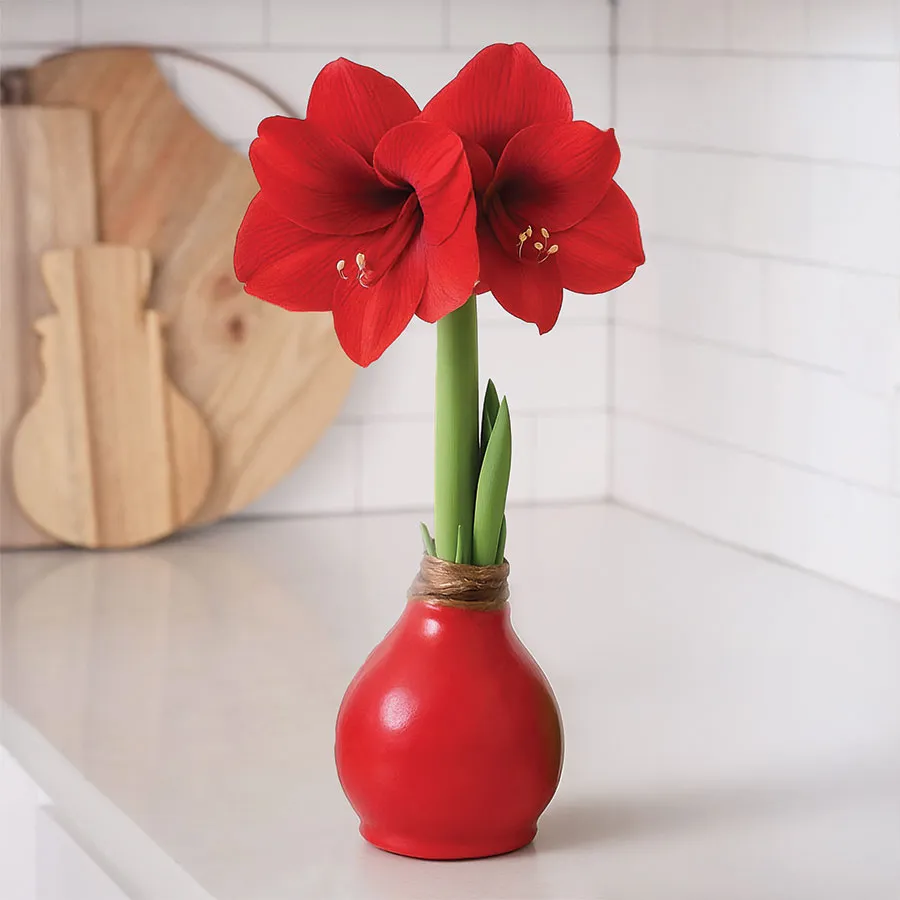
Selecting Healthy Wax-encased Bulbs
Look for bulbs with smooth, firm wax covering. The wax protects the bulb from drying out. Avoid bulbs with cracks or soft spots in the wax. These can let in moisture and cause rot. A healthy bulb feels heavy for its size. It should not have any mold or dark patches.
Checking For Quality And Size
Bigger bulbs usually bloom better and faster. They have more stored energy to support growth. Choose bulbs that are plump and round under the wax. Small or shriveled bulbs might struggle to flower. Also, check for any signs of damage or bruises. These reduce the bulb’s lifespan and bloom quality.
Credit: www.jacksonandperkins.com
Preparing Your Bulb For Planting
Preparing your amaryllis bulb for planting is an important step. It helps the bulb grow strong and healthy. The bulb is often covered in a wax coating. This coating protects the bulb during shipping and storage. Removing the wax safely and hydrating the bulb prepares it for a good start.
Removing The Wax Coating Safely
Start by softening the wax. Warm water helps to loosen it. Soak the bulb in warm water for about 10 minutes. Avoid hot water as it can harm the bulb. After soaking, gently rub the wax off with your fingers. Use a soft cloth if needed. Be careful not to damage the bulb’s skin. Removing all wax allows the bulb to breathe and absorb water.
Soaking And Hydrating The Bulb
Next, soak the bulb in room temperature water. Use a shallow dish so only the bottom touches water. This prevents rot. Soak for 8 to 12 hours to hydrate well. After soaking, drain any excess water. Let the bulb dry for a few minutes. Hydration helps the bulb wake up and grow roots faster.
Planting Your Amaryllis
Planting your amaryllis bulb encased in wax is an important step for a healthy bloom. The wax coating protects the bulb, but you must plant it correctly. This ensures strong roots and beautiful flowers. Follow these simple tips to get started and enjoy vibrant amaryllis blooms in your home.
Choosing The Ideal Pot And Soil
Select a pot with drainage holes to prevent water buildup. A pot about 6 to 8 inches wide works well for most amaryllis bulbs. Use well-draining potting soil, rich in organic matter. Avoid heavy garden soil that can hold too much moisture. Good soil helps roots grow and stops rot.
Proper Planting Depth And Positioning
Plant the bulb so the top third stays above the soil surface. This allows air circulation and prevents rot. Place the bulb in the pot’s center, with roots spread evenly. Fill soil around the bulb gently but firmly. Water lightly to settle the soil without drowning the bulb.
Watering And Feeding Tips
Watering and feeding are key to a healthy amaryllis bulb encased in wax. The wax coating slows water absorption, so careful watering is essential. Proper feeding supports strong growth and beautiful blooms. Follow these tips to keep your amaryllis thriving.
Watering Schedule For Optimal Growth
Start by adding water slowly. Use a small amount at first. Check the soil moisture often. Water only when the top inch feels dry. Avoid overwatering to stop bulb rot. During active growth, water once a week. Reduce watering after flowering ends. Keep the wax dry; water the soil only.
Fertilizer Recommendations
Choose a balanced, water-soluble fertilizer. Use a formula with equal parts nitrogen, phosphorus, and potassium. Feed the plant every two weeks during growth. Stop fertilizing when the leaves yellow. Avoid strong fertilizers that can burn roots. Light feeding keeps your amaryllis strong and healthy.
Light And Temperature Needs
Amaryllis bulbs encased in wax need proper light and temperature to grow well. These conditions help the bulb bloom beautifully and stay healthy. Knowing the right amount of light and the best temperature can make a big difference. Let’s explore how to care for your amaryllis bulb in these areas.
Best Lighting Conditions
Place the amaryllis bulb where it gets bright, indirect light. Direct sunlight can burn the leaves and flowers. A spot near a north or east-facing window works great. Bright light helps the bulb grow strong and produce vibrant blooms. Avoid dark corners or shaded areas. The bulb needs at least 6 hours of light daily.
Maintaining Ideal Temperature
Keep the room temperature between 60°F and 70°F (15°C to 21°C). Cooler temperatures slow down growth and may prevent flowering. Warmer rooms encourage healthy growth and blooms. Avoid placing the bulb near cold drafts or heat sources. Stable temperature helps the amaryllis bulb stay healthy and bloom fully.

Credit: yardandgarden.extension.iastate.edu
Supporting Growth And Blooming
Supporting the growth and blooming of your amaryllis bulb encased in wax is important. Healthy stems and multiple flowers make your plant look beautiful. Careful support helps the plant stand tall and bloom fully. Follow these tips to keep your amaryllis strong and vibrant.
Staking And Supporting Stems
Amaryllis stems can grow tall and heavy. They may bend or break without support. Use a stake to keep the stem upright. Gently tie the stem to the stake using soft string. Avoid tying too tight to prevent damage. Place the stake deep enough in the soil for stability. Check the ties often and adjust as the plant grows.
Encouraging Multiple Blooms
Your amaryllis can produce more than one flower stalk. To encourage this, remove the spent flower heads after blooming. This directs the plant’s energy to new growth. Keep the plant in bright, indirect light to boost blooming. Water moderately, allowing the soil to dry slightly between watering. Fertilize every 2 to 3 weeks with a balanced fertilizer. This supports strong stems and multiple flowers.
Post-bloom Care
After your amaryllis bulb encased in wax finishes blooming, it needs special care. Post-bloom care helps the bulb stay healthy for the next season. Proper steps support the bulb’s growth and prepare it for rest.
Deadheading And Pruning
Remove spent flowers by cutting the flower stalk near the base. This stops the plant from wasting energy on old blooms. Leave the leaves alone. They help the bulb gather energy for next year. Trim only yellow or brown leaves carefully.
Preparing The Bulb For Dormancy
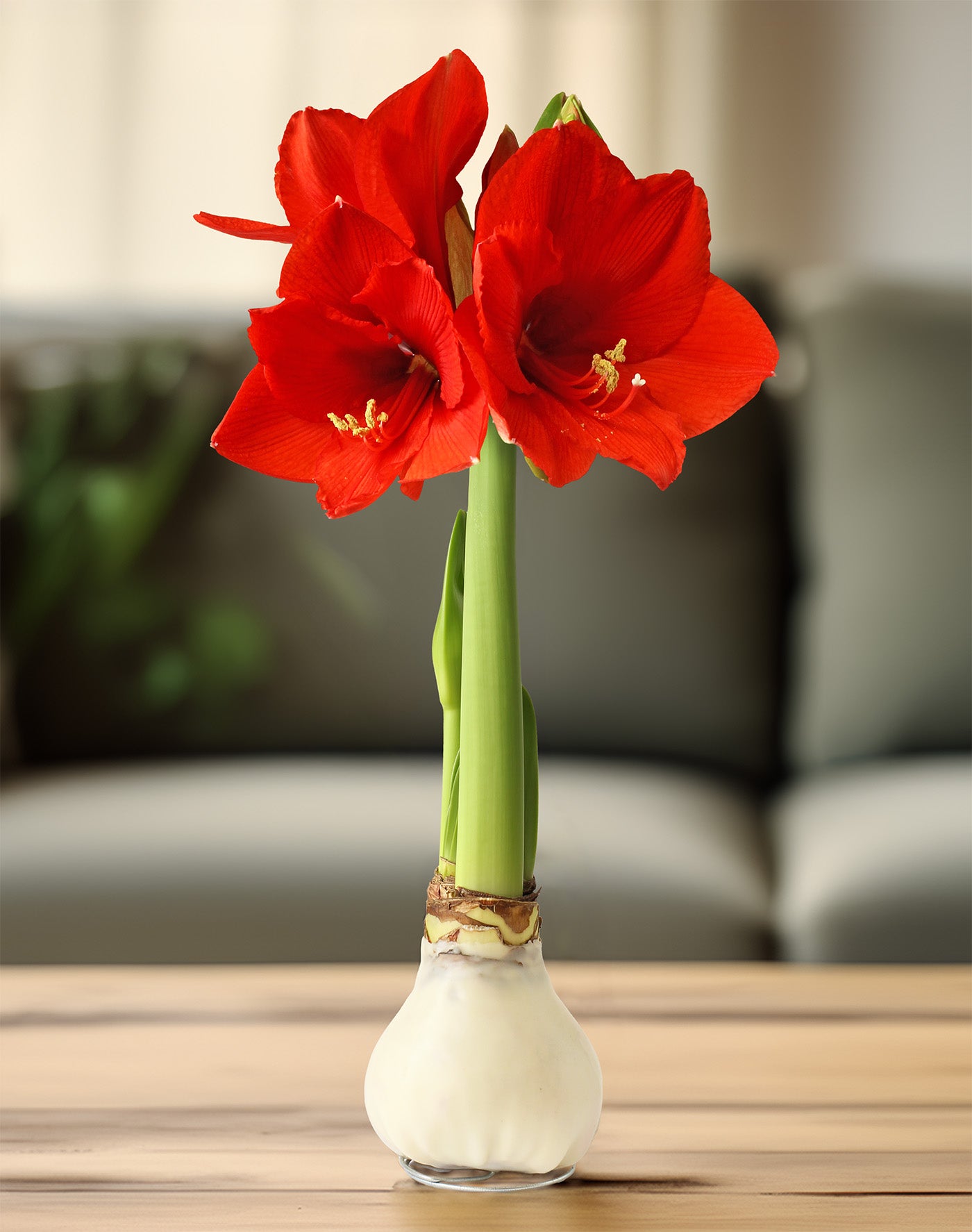
Once leaves start to yellow, reduce watering gradually. Let the soil dry out slowly. Stop feeding the plant with fertilizer. Move the bulb to a cool, dark place for about 8-10 weeks. This rest period helps the bulb regain strength for the next bloom.
Credit: bloomingbulb.com
Common Problems And Solutions
Amaryllis bulbs encased in wax are easy to care for, but problems can arise. Knowing common issues helps keep your plant healthy. This section covers pests, diseases, and growth troubles.
Dealing With Pests And Diseases
Watch out for pests like spider mites and aphids. These bugs suck the plant’s juices. Wipe leaves with a damp cloth to remove pests. Use insecticidal soap for severe infestations.
Amaryllis can get fungal diseases from too much moisture. Avoid watering the bulb directly. Ensure good air flow around the plant. Remove any yellow or damaged leaves to stop disease spread.
Troubleshooting Growth Issues
Slow or no growth often means the bulb is not getting enough light. Place it near a bright window but not in direct sun.
If leaves turn yellow, the bulb may be overwatered. Let the soil dry out between waterings. Hard soil can block roots; loosen the soil carefully.
No flowers? The bulb might need a rest period. Reduce watering and keep it cool for a few weeks. After rest, resume care for blooms to appear.
Frequently Asked Questions
How Do I Water An Amaryllis Bulb In Wax?
Water the soil, not the wax coating. Keep soil moist but avoid overwatering to prevent bulb rot.
Can Amaryllis Bulbs In Wax Bloom Indoors?
Yes, wax-encased bulbs can bloom indoors with proper light and temperature conditions.
How Long Does An Amaryllis Bulb In Wax Last?
Wax bulbs typically last 6 to 8 weeks, providing long-lasting blooms.
Should I Remove Wax Before Planting Amaryllis?
No, plant the bulb with wax intact to protect it during growth.
Conclusion
Caring for an amaryllis bulb in wax is simple and rewarding. Keep the bulb in a cool, bright place. Water it sparingly to avoid rot. Watch for green shoots and enjoy the blooms. With regular care, your amaryllis will grow strong and healthy.
This easy routine helps the bulb last for many seasons. A little attention brings beautiful flowers indoors. Try these steps and see your amaryllis thrive.