Taking care of your bikini area after waxing is key to staying comfortable and keeping your skin smooth. If you’ve ever experienced redness, irritation, or bumps after waxing, you know how frustrating it can be.
But don’t worry—there are simple steps you can follow to soothe your skin and prevent problems. You’ll discover easy and effective ways to care for your bikini area right after waxing, so you can feel confident and irritation-free. Keep reading to learn how to protect your skin and enjoy the best results from your waxing session.
Immediate Aftercare Steps
Taking care of your bikini area right after waxing is very important. The skin becomes sensitive and needs special care. Follow these steps to help your skin heal quickly and stay comfortable.
Cleanse Gently
Use a mild, fragrance-free cleanser to wash the area. Avoid scrubbing or using rough cloths. Pat the skin dry with a soft towel. Clean skin helps prevent infections and soothes irritation.
Apply Cold Compress
Place a cold compress or ice wrapped in a cloth on the waxed area. Keep it on for 10 to 15 minutes. This reduces redness and swelling. It also calms the skin and lessens pain.
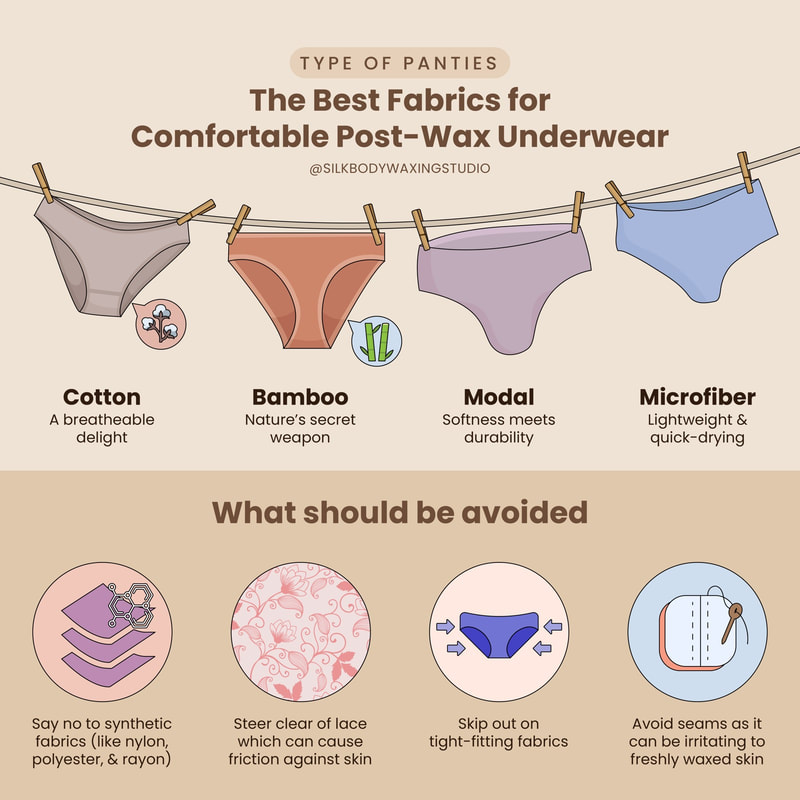
Avoid Tight Clothing
Wear loose, breathable clothes after waxing. Tight clothes can rub and irritate the skin. Loose fabric lets the area breathe and heal faster. Choose cotton underwear for best comfort.
Credit: www.phillywaxing.com
Soothing Irritation
After waxing the bikini area, irritation is common. The skin feels sensitive and red. Soothing this irritation helps the skin heal faster and feel more comfortable. Gentle care is key to avoid further discomfort or damage.
Use Aloe Vera
Aloe vera is a natural soother. It calms redness and reduces swelling. Apply pure aloe vera gel gently on the waxed area. Let it dry on the skin. Aloe vera also helps keep the skin hydrated and soft.
Try Tea Tree Oil
Tea tree oil fights bacteria and prevents infection. Dilute a few drops with a carrier oil like coconut oil. Dab the mix lightly on the irritated skin. This reduces itchiness and soothes inflammation. Avoid using tea tree oil undiluted to protect the skin.
Take Anti-inflammatory Remedies
Over-the-counter anti-inflammatory creams ease pain and swelling. Look for creams with hydrocortisone or similar ingredients. Apply a thin layer as directed on the package. Oral anti-inflammatory medicines can help if discomfort is strong. Always follow dosage instructions carefully.
Preventing Ingrown Hairs
Ingrown hairs can cause discomfort and irritation after waxing the bikini area. They happen when hair grows back into the skin instead of outwards. Preventing ingrown hairs helps keep your skin smooth and healthy. Simple care steps reduce bumps and redness effectively.
Exfoliate Regularly
Exfoliation removes dead skin cells that block hair follicles. Use a gentle scrub or a soft brush two to three times a week. This clears the way for new hair to grow outside the skin. Avoid harsh scrubs that can irritate sensitive skin.
Moisturize Daily
Moisturizing keeps the skin soft and flexible. Dry skin makes ingrown hairs more likely. Choose a fragrance-free lotion or aloe vera gel. Apply it every day, especially after showering, to soothe and protect the area.
Avoid Picking Or Scratching
Picking at bumps or scratching the skin can cause infections. It may also make ingrown hairs worse. Let the skin heal naturally. Use a cool compress if itching occurs to calm irritation gently.

Credit: www.amazon.com
Managing Pain And Redness
Managing pain and redness after waxing the bikini area is important. The skin there is very sensitive. Small bumps and irritation can happen easily. Taking the right steps helps the skin heal faster. It also makes you feel more comfortable.
Use Over-the-counter Creams
Use creams with aloe vera or hydrocortisone. These help reduce redness and soothe the skin. Apply a thin layer gently to the waxed area. Use the cream twice a day for best results. Avoid creams with strong fragrances or alcohol. These can irritate the skin more.
Take Pain Relievers
Take over-the-counter pain relievers like ibuprofen or acetaminophen. These reduce swelling and ease pain. Follow the dosage on the package carefully. Do not take more than recommended. Pain relievers work best if taken soon after waxing.
Avoid Hot Baths And Saunas
Stay away from hot baths, saunas, and steam rooms for at least 24 hours. Heat can make redness and swelling worse. Use cool or lukewarm water to clean the area. Keep the skin dry and clean to avoid infections.
Long-term Care Tips
Taking care of your bikini area after waxing is important for healthy skin. Long-term care helps prevent irritation and keeps the skin smooth. Following simple steps can make waxing easier over time.
Maintain Hygiene
Clean the bikini area gently every day. Use mild soap and warm water. Avoid harsh scrubs or strong chemicals that can irritate skin. Always wash hands before touching the area. Wear loose, breathable clothes to prevent sweat buildup. This reduces the chance of infection and redness.
Schedule Regular Waxing Sessions
Keep a consistent waxing schedule. Usually, every 3 to 4 weeks works well. Regular waxing helps hair grow thinner and slower. It also reduces the pain during sessions. Mark your calendar to avoid long breaks. This keeps the skin smooth and healthy over time.
Choose Quality Wax Products
Pick wax products made for sensitive skin. Natural ingredients reduce irritation and allergies. Avoid waxes with strong fragrances or chemicals. Using good wax protects skin from burns and rashes. Always test new products on a small skin patch first. Quality wax leads to better results and comfort.
Credit: salonexpress.co.uk
When To Seek Medical Advice
Knowing when to seek medical advice after waxing the bikini area is very important. Waxing can cause mild irritation, but some symptoms need a doctor’s attention. Early care can prevent small problems from becoming serious. Pay close attention to your skin’s reaction in the days after waxing. Watch for signs that go beyond normal redness or slight discomfort.
Signs Of Infection
Infections can occur if bacteria enter the skin through tiny cuts. Look for redness that spreads beyond the waxed area. Swelling, warmth, and pus are common signs. You might feel increasing pain or tenderness. A fever can also mean infection. Seek medical help quickly to stop the infection from worsening.
Severe Allergic Reactions
Allergic reactions to wax or products used can be serious. Intense itching, rash, or hives need attention. Swelling of the lips, face, or throat is an emergency. Trouble breathing or swallowing requires immediate medical care. Do not wait if these symptoms happen after waxing.
Persistent Discomfort
Mild pain or redness usually fades in a few days. Discomfort lasting more than a week may signal a problem. Continuous itching or burning should not be ignored. Open sores or blisters that do not heal need a doctor’s check. Persistent symptoms can indicate infection or skin damage.
Frequently Asked Questions
How Soon Can I Shower After Bikini Waxing?
Wait at least 24 hours before showering to avoid irritation. Use lukewarm water and gentle soap to clean the area.
What Products Help Soothe Skin After Waxing?
Apply aloe vera gel or a fragrance-free moisturizer to calm redness and reduce inflammation. Avoid perfumed or alcohol-based products.
Can I Shave The Bikini Area After Waxing?
Avoid shaving for at least two weeks to let hair grow back. Shaving too soon may cause irritation and ingrown hairs.
How Do I Prevent Ingrown Hairs Post-waxing?
Exfoliate gently 2-3 days after waxing using a mild scrub. This helps remove dead skin and frees trapped hairs.
Conclusion
Taking care of your bikini area after waxing helps skin heal fast. Keep the area clean and dry to avoid irritation. Wear loose clothes to let your skin breathe. Use gentle products to soothe any redness or bumps. Avoid swimming or hot baths for a day or two.
Patience is key—your skin needs time to recover. Follow these simple steps for smooth, healthy skin. Your comfort and care matter most after waxing. Stay gentle and give your skin the rest it needs.