

If you drive a semi truck, you know how important it is to keep your engine running smoothly. One simple step that can save you from costly repairs is changing your fuel filter regularly.
But how exactly do you change a fuel filter on a semi truck? This guide will walk you through the process in clear, easy steps. By the end, you’ll have the confidence to handle this maintenance yourself, saving time and money.
Ready to keep your truck in top shape? Let’s get started!
Credit: ecogard.com
Signs Of A Clogged Fuel Filter
A clogged fuel filter can cause many problems for your semi truck. It stops fuel from flowing smoothly to the engine. This can lead to poor engine performance and even damage. Recognizing the signs early helps prevent costly repairs and downtime. Watch for these common symptoms to know if the fuel filter needs changing.
Engine Struggles To Start
The engine takes longer to start or fails to start at all. This happens because the clogged filter blocks fuel flow. Without enough fuel, the engine can’t ignite properly. This sign shows a serious fuel supply issue.
Loss Of Power During Driving
Your truck loses power while driving uphill or at high speeds. The engine does not get enough fuel to keep up. This causes slower acceleration and weak performance. Noticeable power loss often points to a blocked fuel filter.
Engine Misfires Or Hesitates
The engine may misfire or hesitate during acceleration. Fuel supply is uneven because of the clog. This leads to rough running or stalling. Misfires are clear indicators of fuel delivery problems.
Frequent Stalling
The truck stalls frequently, especially at idle or low speeds. Fuel flow interruption causes the engine to stop unexpectedly. Stalling is a warning sign that the filter is dirty and needs replacement.
Reduced Fuel Efficiency
You notice higher fuel consumption than usual. A clogged filter makes the engine work harder. It burns more fuel to maintain performance. Lower fuel efficiency hints at fuel system issues.
Unusual Engine Noises
The engine may produce sputtering or coughing sounds. These noises come from inconsistent fuel flow. They indicate the fuel filter is blocking fuel supply. Strange engine sounds require immediate attention.
Tools And Materials Needed
Changing a fuel filter on a semi truck needs the right tools and materials. Having them ready makes the task easier and safer. This section lists everything needed to complete the job smoothly.
Basic Hand Tools
You need wrenches and sockets that fit the fuel filter bolts. A screwdriver helps remove clamps or covers. A pair of pliers is useful for gripping and pulling hoses.
Replacement Fuel Filter
Choose the correct fuel filter made for your truck model. Using the wrong filter can cause engine problems. Check the owner’s manual or parts store for the exact match.
Drain Pan Or Container
Fuel drains out when removing the filter. A drain pan catches fuel and prevents spills. Use a container that is clean and big enough to hold the fuel.
Rags And Gloves
Wear gloves to protect your hands from fuel and dirt. Keep rags nearby to wipe spills and clean parts. Use old cloths that absorb fuel well.
Safety Glasses
Fuel can splash during the change. Safety glasses protect your eyes from harmful liquids. Use clear glasses with good coverage for best protection.
Locating The Fuel Filter
Locating the fuel filter on a semi truck is the first step in changing it. Knowing its position saves time and effort. Semi trucks may have more than one fuel filter. Each filter plays a role in keeping the engine clean and running well.
Understanding The Fuel Filter’s Role
The fuel filter cleans dirt and rust from the fuel. Clean fuel protects the engine from damage. A clogged filter can cause engine problems. It can reduce fuel efficiency and power.
Common Locations Of Fuel Filters On Semi Trucks
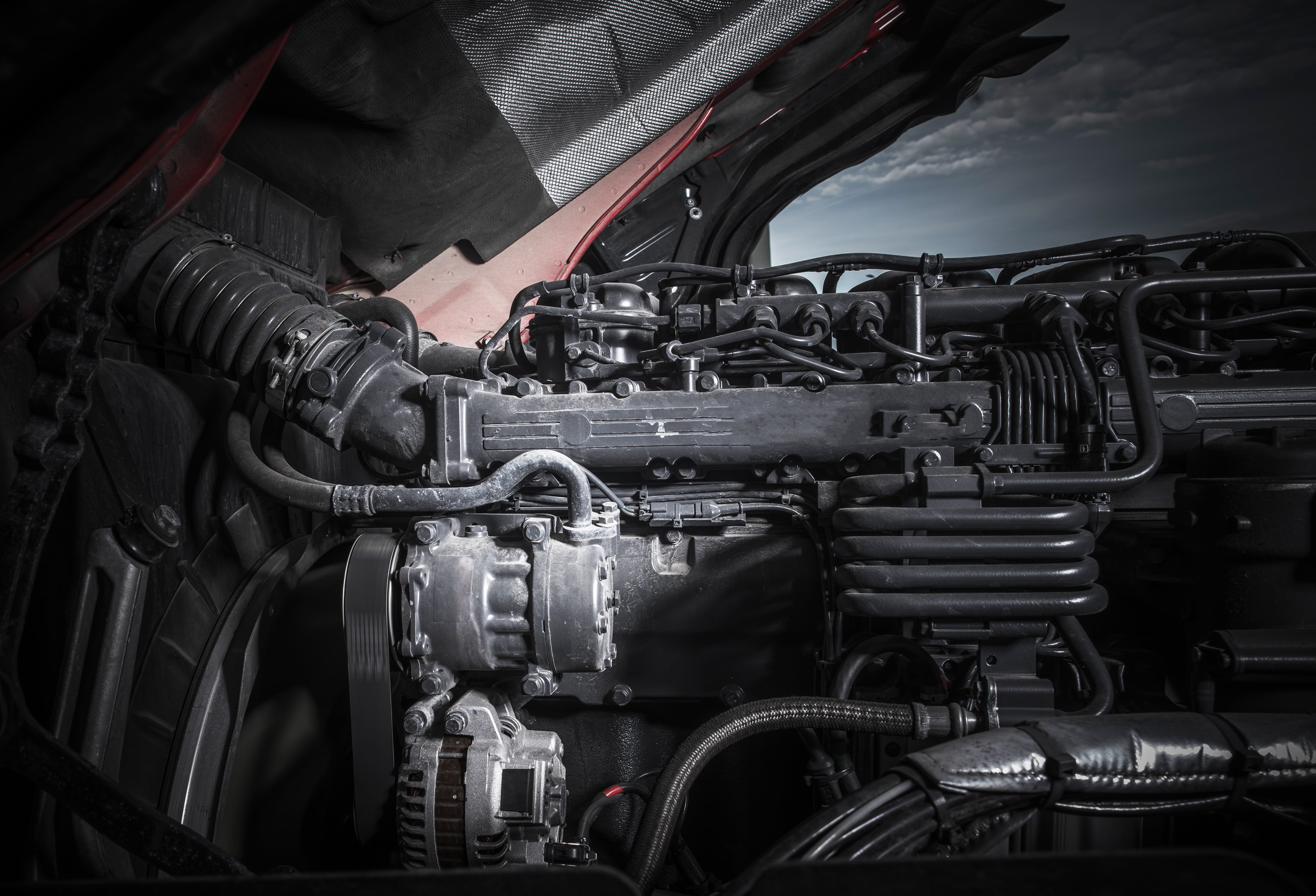
Fuel filters often sit near the fuel tank. Some are close to the engine. Some trucks have filters inside the engine compartment. Others mount the filter under the truck frame. Check both sides of the truck for the filter.
Using The Owner’s Manual To Find The Fuel Filter
The owner’s manual shows exact filter locations. It guides you with pictures and diagrams. The manual lists all fuel system parts. This helps find the correct filter to change.
Signs To Identify The Fuel Filter
The fuel filter looks like a small cylinder. It has fuel lines connected to both ends. It may have a metal or plastic body. Some filters have a clear bowl to catch water. Check for markings or labels on the filter.
Preparing The Truck For Replacement
Preparing the truck for a fuel filter replacement is an important step. It ensures safety and smooth work. Taking time to get ready helps avoid mistakes and damage.
This process involves checking the truck’s condition and organizing tools. Proper preparation saves time and effort during the replacement.
Park The Truck On A Flat Surface
Find a level place to park the truck. A flat surface prevents the truck from moving. It also helps drain fuel safely.
Turn Off The Engine And Let It Cool
Switch off the engine completely. Wait until it cools down. Hot parts can cause burns or fires.
Gather Necessary Tools And Equipment
Collect all tools before starting. You will need wrenches, gloves, and a new fuel filter. Having tools ready speeds up the job.
Wear Safety Gear
Put on gloves and safety glasses. Fuel can irritate skin and eyes. Safety gear protects you during the work.
Relieve Fuel System Pressure
Release pressure in the fuel system. This step avoids fuel spray when removing the filter. Follow the truck manual for this.
Removing The Old Fuel Filter
Removing the old fuel filter is the first step to keep your semi truck running smoothly. This task helps avoid engine problems caused by dirty fuel. The process needs care and the right tools. Follow each step carefully for safe and effective removal.
Prepare The Work Area
Park the truck on a flat surface. Turn off the engine and let it cool. Wear gloves to protect your hands. Have a container ready to catch any fuel spills. Clean the area around the filter to avoid dirt entering the fuel system.
Relieve Fuel System Pressure
Locate the fuel pump fuse or relay. Remove it to stop fuel flow. Start the engine and let it run until it stops. This removes pressure in the fuel lines. It prevents fuel from spraying during filter removal.
Disconnect Fuel Lines
Identify the fuel lines connected to the filter. Use a wrench to loosen the fittings gently. Be ready for some fuel to leak out. Place a rag or container below to catch it. Do not pull the lines forcefully to avoid damage.
Remove The Old Fuel Filter
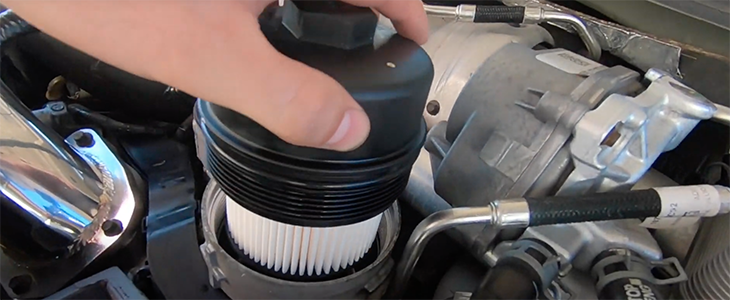
Check the filter for clamps or screws. Use a screwdriver or wrench to loosen them. Hold the filter firmly and pull it out carefully. Dispose of the old filter according to local rules. Avoid spilling fuel during removal.
Credit: cdspros.com
Installing The New Fuel Filter
Installing the new fuel filter on a semi truck is a key step to keep the engine running smoothly. This process requires care and attention. A properly installed filter ensures clean fuel flow and protects the engine from damage.
Follow these steps to install the fuel filter correctly. Take your time to avoid leaks and other issues. A good installation saves money and prevents truck breakdowns.
Prepare The New Fuel Filter
Check the new filter for any damage before installation. Remove any protective caps on the inlet and outlet ports. Some filters need a small amount of clean fuel or oil to prime them. This helps the filter seal properly and work right from the start.
Position The Fuel Filter
Place the new filter in the mounting bracket. Make sure the filter’s flow direction matches the fuel line. The arrow on the filter shows the correct direction. Secure the filter firmly but avoid over-tightening.
Reconnect Fuel Lines
Attach the fuel lines to the filter fittings. Use new clamps if available. Tighten the clamps to prevent leaks but do not damage the fuel lines. Check that the hoses are not twisted or pinched.
Check For Leaks And Test
After installation, start the truck engine. Look closely for any fuel leaks near the filter. If leaks appear, turn off the engine and tighten the connections. Run the engine a few minutes to ensure smooth fuel flow.
Bleeding Air From The Fuel System
Air trapped in the fuel system can cause engine problems and poor performance. Bleeding the air removes these bubbles, ensuring smooth fuel flow. This step is important when changing a fuel filter on a semi truck.
What Is Bleeding Air From The Fuel System?
Air in the fuel system can cause the engine to run poorly or stop. It stops fuel from flowing smoothly to the engine. Bleeding air means removing trapped air from the fuel lines. This step is key after changing a fuel filter on a semi truck. It helps the engine start easily and run well.
Tools Needed For Bleeding Air
Gather basic tools before starting. You will need a wrench to open fuel valves. A clear hose helps to see air bubbles leaving. Keep a container ready to catch fuel drips. Clean rags are useful to wipe spills safely. Having these tools ready saves time and avoids mess.
Step-by-step Guide To Bleed Air
First, locate the bleed screw on the fuel filter or pump. Attach the clear hose securely to this screw. Place the hose end into the container. Slowly open the bleed screw with the wrench. Look for air bubbles in the hose. Wait until only fuel flows without bubbles. Close the bleed screw tightly to seal the system.
Signs Air Has Been Fully Removed
The fuel flow becomes steady and smooth. No more bubbles appear in the clear hose. The engine should start quickly without sputtering. Listen for a steady engine sound without stalling. These signs show the fuel system is free of air. The truck is ready to run properly.
Testing The Fuel System
Testing the fuel system is an important step after changing the fuel filter on a semi truck. It ensures the engine gets clean fuel without blockages. This helps the truck run smoothly and prevents damage to engine parts.
Start by checking for leaks around the filter area. Leaks can cause air to enter the fuel system and affect engine performance. Next, observe the fuel pressure to confirm it is within the right range. Low or high pressure can signal problems.
Checking For Fuel Leaks
Look closely around the new fuel filter for any signs of leaks. Use a flashlight if needed. Leaks often show as wet spots or fuel smell. Tighten connections if you spot leaks. Never start the engine with leaks present.
Measuring Fuel Pressure
Attach a fuel pressure gauge to the test port. Start the engine and watch the gauge. Compare the reading to the truck’s manual specifications. If pressure is too low, the filter might be clogged or installation wrong.
Observing Engine Performance
Listen for smooth engine running after filter change. Notice any rough idling or stalling. These signs may mean air trapped in the fuel lines. Bleed the fuel system to remove air pockets. This helps restore normal engine function.
Maintenance Tips For Fuel Filters
Fuel filters keep your semi truck running smoothly. They stop dirt and rust from entering the engine. Regular care helps avoid engine problems and saves money on repairs.
Simple steps keep your fuel filter in good shape. Check the filter often. Replace it on time. Use clean fuel. These habits extend your truck’s life.
Check The Fuel Filter Regularly
Look at the fuel filter every few weeks. Watch for dirt or damage. A clogged filter reduces engine power. Replace it if it looks dirty or old.
Use Quality Fuel
Choose clean, good-quality diesel or gasoline. Poor fuel clogs filters faster. Clean fuel helps your engine work better and last longer.
Replace Filters On Schedule
Follow the truck maker’s guide for filter changes. Do not wait for problems. Changing filters on time keeps your engine safe and efficient.
Keep Fuel Tanks Clean
Check and clean fuel tanks regularly. Dirt in the tank can reach the filter fast. Clean tanks help filters last longer and protect the engine.
Avoid Running Low On Fuel
Never let your fuel run too low. Low fuel can pull dirt from the tank bottom. This dirt clogs the filter quickly and harms the engine.

Credit: www.youtube.com
Frequently Asked Questions
How Often Should I Change A Semi Truck Fuel Filter?
Change the fuel filter every 15,000 to 25,000 miles. Regular replacement ensures optimal engine performance and prevents fuel system damage.
What Tools Are Needed To Replace A Fuel Filter?
You need a wrench, screwdrivers, a drain pan, and a new fuel filter. Safety gloves and eye protection are also recommended.
Can I Change The Fuel Filter Without Draining Fuel?
It’s best to drain some fuel to avoid spills. Draining reduces mess and prevents air from entering the fuel system.
How Do I Avoid Air In The Fuel System?
Prime the fuel system after replacing the filter. Follow the truck’s manual to remove air and ensure smooth engine operation.
Conclusion
Changing a fuel filter on a semi truck keeps the engine running well. Clean filters stop dirt from damaging parts. Regular changes help avoid breakdowns on the road. Follow the steps carefully for safety. Use the right tools and parts for best results.
Taking time to do this job saves money later. Keep your truck in good shape. Simple care goes a long way. Stay safe and keep driving smoothly.


