Evergreen trees add beauty and life to your yard all year round. But do you know how to keep them healthy and thriving?
Taking care of evergreen trees might seem simple, yet many miss key steps that make a big difference. In this guide, you’ll discover easy and effective ways to care for your evergreens so they stay lush and vibrant through every season.
Ready to unlock the secrets that will make your trees stand tall and strong? Keep reading—you won’t want to miss these expert tips!
Choosing The Right Evergreen
Choosing the right evergreen tree is the first step to a healthy garden. The right tree fits your space and climate. It grows well with less care. This saves time and effort in the long run. Knowing which tree suits your needs helps you enjoy a green yard all year.
Popular Evergreen Varieties
Some evergreens are common in many gardens. Pine trees are tall and classic. Spruce trees have sharp, blue-green needles. Fir trees keep their soft needles for years. Cedar trees offer a pleasant smell and strong wood. Each type has unique shapes and colors. Pick one that matches your style.
Matching Trees To Climate
Not all evergreens grow well everywhere. Some prefer cold winters and others like warm weather. Check your local climate before planting. Trees that match your weather stay healthy and strong. They resist pests and diseases better. This choice reduces the need for extra care.
Selecting Healthy Saplings
Choose young trees that look fresh and green. Avoid plants with brown or dry needles. Check the roots for firm and white color. Healthy saplings grow faster and live longer. Ask for advice from a local nursery. Good care starts with a good tree.

Credit: www.findingzest.com
Planting Evergreens
Planting evergreen trees is the first step to a healthy, long-lasting garden. Evergreens bring color and life all year. Proper planting helps them grow strong roots and stay healthy. Follow these simple steps for best results.
Ideal Planting Time
Plant evergreens in early spring or fall. The weather is cooler, and rain helps roots settle. Avoid hot summer months. Young trees can dry out fast in heat. Planting at the right time gives trees a good start.
Preparing The Soil
Check the soil where you want to plant. Evergreens prefer well-drained soil. Remove grass and weeds from the area. Loosen the soil to help roots spread. Mix in compost or organic matter. This adds nutrients and improves soil texture.
Proper Planting Techniques
Dig a hole twice as wide as the root ball. The hole should be as deep as the root ball. Place the tree gently in the hole. Keep the top of the root ball level with ground. Fill the hole with soil, pressing lightly. Water the tree well after planting. This removes air pockets around roots.
Watering Essentials
Watering is key to keeping evergreen trees healthy and strong. These trees need just the right amount of water to grow well. Too little water causes stress, while too much can harm the roots. Understanding how and when to water helps the tree thrive year-round.
Watering Frequency
Young evergreen trees need water more often than mature ones. Water them deeply once or twice a week. Older trees usually need watering every two to four weeks. Check the soil moisture to decide if the tree needs water. Dry soil means it is time to water.
Seasonal Watering Adjustments
Evergreens need more water during hot, dry months. In winter, reduce watering because the tree grows slower. Water less in rainy seasons to avoid soggy soil. Always watch weather changes and adjust watering accordingly.
Avoiding Overwatering
Too much water can suffocate roots and cause rot. Avoid watering if the soil feels wet or soggy. Use mulch around the tree to keep soil moist longer. Water deeply but less often to encourage strong roots.
Credit: northernvirginiamag.com
Fertilizing Evergreens
Fertilizing evergreen trees helps keep them healthy and strong. These trees need nutrients to grow well and stay green all year. Proper feeding improves their color and resistance to pests and diseases. Knowing how and when to fertilize makes a big difference in their health.
Best Fertilizer Types
Choose a fertilizer made for evergreens or acid-loving plants. Look for a slow-release formula. This type feeds the tree over time. Nitrogen is the most important nutrient for evergreens. Balanced fertilizers with nitrogen, phosphorus, and potassium work well too. Avoid fertilizers high in salt, which can harm roots.
Application Timing
Apply fertilizer in early spring before new growth starts. This helps the tree use nutrients during the growing season. A second feeding in late fall can support root growth. Avoid fertilizing in the heat of summer or during winter dormancy. Follow package instructions for the right amount and method.
Signs Of Nutrient Deficiency
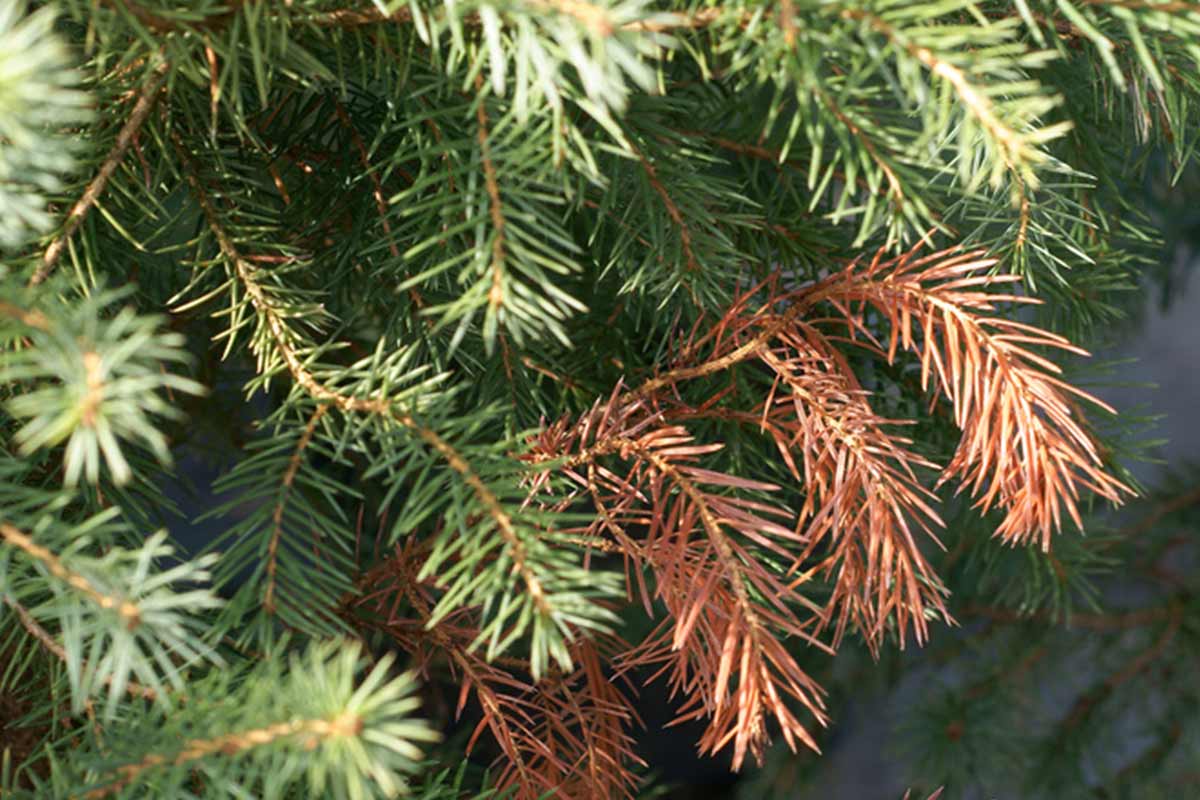
Watch for yellowing needles or slow growth. Needles may turn brown or drop off too early. Thin or sparse foliage also signals a lack of nutrients. Weak branches and poor color show stress. These signs mean your tree needs feeding to stay healthy.
Pruning And Shaping
Pruning and shaping evergreen trees keeps them healthy and looking good. This care helps trees grow strong and maintain a neat form. It also removes dead or crowded branches, improving air flow and light.
Knowing the right time and method for pruning is key. Proper pruning supports the tree’s natural shape and encourages new growth. This section explains when to prune, how to do it, and how to promote healthy growth.
When To Prune
Prune evergreen trees in late winter or early spring. This time is before new growth starts. Avoid pruning in fall or winter, as it can harm the tree. Light pruning can happen anytime to remove dead branches.
Pruning Methods
Use sharp, clean tools for pruning. Cut branches at a slight angle to help healing. Remove dead, damaged, or crossing branches first. Thin crowded areas to improve air flow. Avoid cutting large branches all at once.
Encouraging Healthy Growth
Prune to shape the tree naturally. Trim back new shoots to control size. Avoid cutting too much in one session. Water and mulch the base after pruning. This helps the tree recover and grow strong.
Pest And Disease Control
Evergreen trees bring beauty and life to any garden. Protecting them from pests and diseases keeps them healthy. Early detection and treatment prevent serious damage. Understanding common pests and diseases helps in proper care.
Common Evergreen Pests
Aphids are small insects that suck sap from needles and stems. Scale insects attach themselves and cause yellowing or dropping needles. Spider mites create tiny webs and make needles look dusty or speckled. Bagworms build small bags on branches and eat leaves. Caterpillars chew on needles and weaken the tree. Watch for these pests regularly to stop infestations early.
Identifying Diseases
Needle cast disease causes needles to turn brown and fall off. Rust disease shows orange or yellow spots on needles. Root rot makes roots soft and brown, harming the tree’s stability. Canker disease creates sunken, dead areas on branches or trunk. Fungal infections often cause discoloration and needle drop. Recognize symptoms fast to apply the right treatment.
Natural And Chemical Treatments
Natural treatments include insecticidal soaps and neem oil to control pests. Prune infected branches to stop disease spread. Use beneficial insects like ladybugs to eat harmful pests. Chemical sprays may be necessary for severe infestations. Always follow label instructions for safe use. Water and feed trees properly to boost their natural defense. Healthy trees resist pests and diseases better.
Protecting Evergreens In Winter
Evergreens face tough conditions during winter. Cold winds and frozen soil make survival hard. Protecting these trees helps keep them green and healthy all year. Simple care steps can make a big difference.
Winter Watering Tips
Evergreens need water even in winter. Frozen ground stops roots from taking water. Water trees deeply before the ground freezes. Use a slow drip to soak the soil well. Avoid watering on very cold days. Early morning is best for watering.
Shielding From Harsh Weather
Strong winds dry out evergreen needles fast. Wrap trees with burlap to block the wind. Use stakes to hold the burlap in place. Avoid plastic wraps that trap moisture. Protect young trees more as they are fragile. Snow can break branches; gently brush off heavy snow.
Preventing Winter Burn
Winter burn happens when needles lose water. Cold air and sun cause this damage. Apply anti-desiccant sprays in late fall. These sprays help needles keep moisture. Mulch around the base to keep roots warm. Do not let salt from roads touch the trees.
Maintaining Evergreen Health
Evergreen trees stay green all year. Keeping them healthy needs care and attention. Regular checks and good soil help these trees grow strong. Mulch protects roots and saves water. These steps help your evergreen thrive and look great.
Regular Inspection Routines
Check your evergreen trees often. Look for yellowing or brown needles. Watch for broken branches or pests. Early spotting stops big problems. Use a close look every month. Note any changes and act fast.
Soil Testing And Amendments
Good soil means healthy trees. Test soil to know its pH and nutrients. Most evergreens like slightly acidic soil. Add lime or sulfur to fix pH. Use fertilizer based on test results. Healthy soil helps roots take in water and food.
Mulching Benefits
Mulch keeps soil cool and moist. It blocks weeds that steal nutrients. Spread mulch around the tree base. Keep mulch a few inches from the trunk. Mulch breaks down and adds nutrients to soil. This helps roots grow deep and strong.
Credit: www.plantingtree.com
Frequently Asked Questions
How Often Should I Water Evergreen Trees?
Evergreen trees need regular watering, especially in dry seasons. Water deeply once a week to promote strong roots. Adjust frequency during rainy periods or drought to keep soil moist but not soggy.
What Is The Best Soil For Evergreen Trees?
Evergreens prefer well-draining, slightly acidic soil rich in organic matter. Avoid heavy clay or waterlogged soils. Adding compost improves soil texture and fertility, ensuring healthy tree growth.
When Is The Best Time To Prune Evergreen Trees?
Prune evergreens in late winter or early spring before new growth starts. This timing minimizes stress and encourages healthy development. Avoid heavy pruning in late summer or fall to prevent damage.
How Do I Protect Evergreen Trees From Pests?
Inspect trees regularly for pests like aphids or spider mites. Use insecticidal soap or neem oil for treatment. Maintaining tree health through proper watering and fertilizing reduces pest problems.
Conclusion
Caring for evergreen trees helps them stay healthy and green year-round. Regular watering, proper pruning, and good soil make a big difference. Watch for pests and treat problems early. These simple steps help your trees grow strong and last long.
Enjoy the beauty and shade they bring to your yard. Keep learning and caring, and your evergreens will thrive. Simple care creates lasting green spaces.