

If you’re growing Hungarian Wax Pepper plants, you want them to thrive and produce plenty of spicy, flavorful peppers. But how do you make sure your plant stays healthy and strong?
Taking care of Hungarian Wax Pepper plants might seem tricky at first, but with the right tips, you’ll find it easier than you think. In this guide, you’ll discover simple steps to keep your plant happy, from watering to sunlight and everything in between.
Ready to see your pepper plant flourish? Let’s dive in and unlock the secrets to perfect care.
Choosing The Right Location
Choosing the right location for your Hungarian Wax pepper plant is key to its growth. The plant needs the right amount of sunlight, good soil, and suitable temperature. These factors help the plant produce healthy peppers and stay strong.
Sunlight Requirements
Hungarian Wax pepper plants need full sunlight to grow well. Place the plant where it gets at least six hours of direct sun every day. Too little sun makes the plant weak and slows pepper production. Morning sun is best, but afternoon sun is also helpful.
Soil Preferences
The plant grows best in soil that drains well. Use soil that feels loose and crumbly, not heavy or clay-like. Adding organic matter like compost improves soil health. The soil pH should be slightly acidic to neutral, between 6.0 and 7.0. Good soil helps the roots take in nutrients easily.
Temperature And Climate
Hungarian Wax peppers prefer warm temperatures. Ideal daytime temperatures are between 70°F and 85°F (21°C to 29°C). Night temperatures should not drop below 55°F (13°C). Avoid cold drafts and frost, as they can damage the plant. Warm, stable climates help the plant thrive and produce more peppers.
Credit: www.marysheirloomseeds.com
Planting Your Pepper
Planting your Hungarian wax pepper is the first step to a healthy harvest. Proper planting helps the plant grow strong and produce many peppers. Start with good soil and choose the right time to plant. Follow simple steps for the best results.
Seed starting, transplanting, and spacing all matter. Pay attention to each stage to help your pepper plants thrive.
Starting Seeds Indoors
Begin seeds indoors about 8-10 weeks before the last frost date. Use seed trays or small pots with seed-starting mix. Plant seeds ¼ inch deep. Keep the soil moist but not wet. Provide warmth around 70-80°F for quick germination. Place under grow lights or near a sunny window. Seeds usually sprout in 7-14 days.
Transplanting Outdoors
Harden off seedlings before moving outside. Do this by placing them outside for a few hours daily over a week. Transplant after the danger of frost has passed. Choose a sunny spot with well-drained soil. Water plants well before and after transplanting. Handle seedlings gently to avoid root damage. Plant them at the same soil level as in their pots.
Spacing And Depth
Space Hungarian wax pepper plants 18-24 inches apart. This spacing allows good air circulation and room to grow. Dig holes deep enough to cover the root ball fully. Avoid planting too deep, which can cause stem rot. Mulch around plants to keep soil moist and control weeds. Proper spacing and planting depth lead to healthy plants and better peppers.
Watering Guidelines
Watering is key to growing healthy Hungarian Wax pepper plants. Too little or too much water can harm the plant. Proper watering helps the peppers grow juicy and flavorful. Understanding the right frequency and amount is essential. Watch your plant closely to adjust watering as needed.
Frequency And Amount
Water Hungarian Wax pepper plants about once or twice a week. The soil should stay moist but not soggy. During hot weather, water more often. Give each plant about one inch of water each time. Use your finger to check soil moisture. If the top inch feels dry, it is time to water.
Avoiding Overwatering
Too much water can cause root rot and other problems. Make sure the pot or garden soil drains well. Avoid leaving water standing around the plant base. Wilted leaves may signal overwatering. Yellowing leaves or soft stems also indicate too much water. Reduce watering and let the soil dry out a bit.
Signs Of Underwatering
Underwatered plants look droopy and dry. Leaves may curl or become crispy at the edges. The plant may stop growing or produce fewer peppers. Soil will feel dry several inches down. Increase watering to revive a thirsty plant. Consistent watering keeps your Hungarian Wax pepper healthy and productive.

Credit: greg.app
Fertilizing Tips
Fertilizing Hungarian Wax pepper plants helps them grow healthy and produce more peppers. Proper nutrients keep the plant strong and vibrant. Feeding the plant with the right fertilizer at the right time makes a big difference.
Choosing The Right Fertilizer
Select a balanced fertilizer with equal parts nitrogen, phosphorus, and potassium. These nutrients support leaf growth, flower development, and fruit production. Look for fertilizers labeled for vegetable or pepper plants. Avoid too much nitrogen, which can cause lots of leaves but few peppers.
Feeding Schedule
Feed your Hungarian Wax pepper plant every two to three weeks during the growing season. Start fertilizing when you see new growth. Stop feeding a few weeks before harvest to improve pepper flavor. Use half the recommended dose to avoid overfeeding and root damage.
Organic Vs. Synthetic Options
Organic fertilizers come from natural sources like compost or fish emulsion. They improve soil health and release nutrients slowly. Synthetic fertilizers provide nutrients quickly and are easy to use. Choose organic for long-term soil care and synthetic for fast results. Both can work well if used correctly.
Pruning And Maintenance
Pruning and maintenance are key to growing strong Hungarian Wax pepper plants. They help the plant stay healthy and produce more peppers. Regular care stops problems early and keeps the plant neat. Pruning also improves air flow and sunlight inside the plant. This section explains when to prune, how to prune for healthy growth, and how to handle pests and diseases.
When To Prune
Prune Hungarian Wax pepper plants early in the growing season. This helps shape the plant and boost new growth. Stop pruning about two months before harvest to protect developing peppers. Remove any dead or yellow leaves anytime. Prune after rain or watering to avoid disease spread.
Techniques For Healthy Growth
Pinch off the top leaves to encourage bushier plants. Cut back long, weak branches to strengthen the plant. Use clean, sharp scissors or pruning shears. Remove small shoots at the base to focus energy on main stems. Avoid cutting too much at once; trim gradually over weeks.
Handling Pests And Diseases
Check plants often for pests like aphids or spider mites. Remove pests by hand or spray with mild soap solution. Cut away any leaves showing signs of disease or mold. Keep the area around the plant clean and free of debris. Proper pruning helps prevent disease by improving air circulation.
Harvesting Hungarian Wax Peppers
Harvesting Hungarian Wax Peppers is an exciting part of growing this spicy plant. Picking peppers at the right time ensures the best taste and texture. It also encourages the plant to produce more fruit. Proper harvesting helps keep your pepper plant healthy and productive throughout the season.
Identifying Ripe Peppers
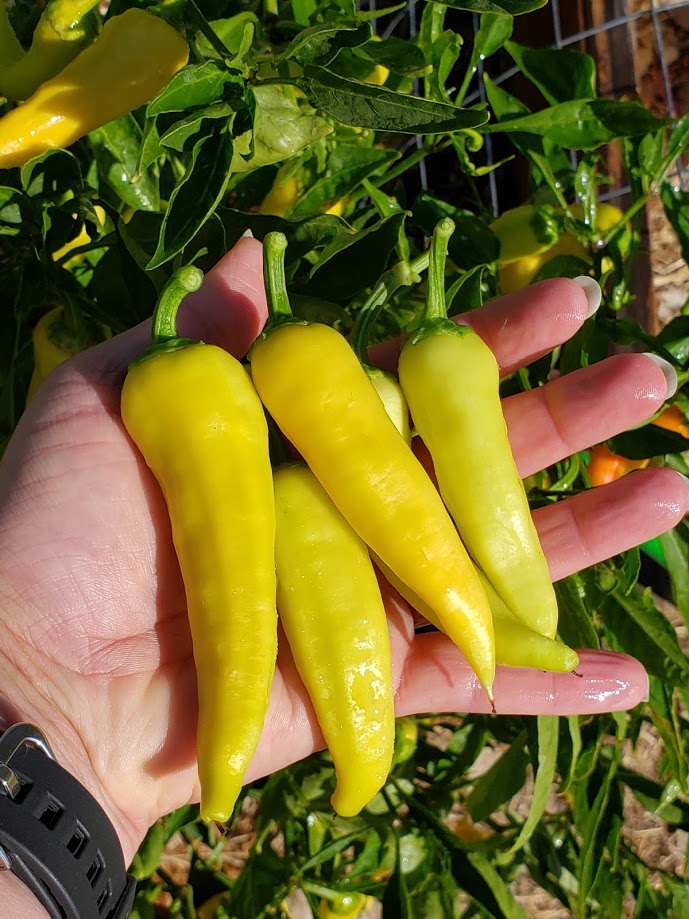
Ripe Hungarian Wax Peppers usually turn bright yellow. Sometimes, they may show a hint of orange or red. The skin should be firm and smooth. Soft spots or wrinkles mean the pepper is overripe. Size matters too; ripe peppers reach about 4 to 6 inches long. Picking them at this stage gives the best flavor and heat.
Proper Harvesting Methods
Use sharp scissors or garden shears to harvest peppers. Cut the stem about half an inch above the pepper. Avoid pulling or twisting the fruit off. This can damage the plant and slow growth. Handle peppers gently to avoid bruises. Harvest in the morning for the freshest peppers.
Post-harvest Care
Store harvested peppers in a cool, dry place. A refrigerator drawer works well. Keep them in a breathable bag or container. Avoid washing peppers before storage; moisture can cause rot. Wash them right before use instead. Use peppers within one to two weeks for the best taste and texture.
Troubleshooting Common Issues
Growing Hungarian Wax Pepper plants can sometimes bring challenges. Troubleshooting common issues helps keep your plants healthy and productive. Recognizing problems early allows quick action. This prevents damage and supports strong growth.
Dealing With Wilting Leaves
Wilting leaves often signal water problems. Check soil moisture first. Dry soil causes leaves to droop quickly. Water the plant deeply to soak roots. Avoid overwatering; soggy soil leads to root rot. Ensure good drainage in pots or garden beds. Wilting may also result from too much heat. Move plants to a cooler spot or provide shade during hot afternoons.
Managing Pest Infestations
Common pests include aphids, spider mites, and whiteflies. Inspect leaves regularly for tiny insects or sticky residue. Spray affected areas with water to remove pests. Use insecticidal soap for severe cases. Avoid harsh chemicals that harm beneficial insects. Encourage ladybugs and other natural predators. Keep the garden clean by removing dead leaves and debris. Healthy plants resist pests better.
Addressing Nutrient Deficiencies
Yellowing or pale leaves may indicate nutrient lack. Nitrogen deficiency causes older leaves to turn yellow. Add balanced fertilizer with nitrogen, phosphorus, and potassium. Magnesium deficiency shows as yellow spots between leaf veins. Use Epsom salt solution to fix magnesium issues. Apply fertilizer according to package instructions. Avoid overfeeding, which can harm the plant. Regular feeding supports vibrant growth and fruit production.
Credit: chilicraze.com
Frequently Asked Questions
How Often Should I Water Hungarian Wax Pepper Plants?
Water Hungarian Wax Pepper plants consistently, about 1-2 times weekly. Keep soil moist but not soggy. Adjust watering based on weather and soil drainage to avoid root rot.
What Type Of Soil Is Best For Hungarian Wax Peppers?
Use well-draining, fertile soil with a pH between 6. 0 and 7. 0. Enrich soil with organic compost to promote healthy growth and fruit production.
How Much Sunlight Do Hungarian Wax Peppers Need Daily?
Hungarian Wax Peppers require full sun, at least 6-8 hours daily. Adequate sunlight helps peppers develop heat and ensures strong, healthy plants.
When Should I Fertilize Hungarian Wax Pepper Plants?
Fertilize every 3-4 weeks during the growing season with balanced fertilizer. Use a formula high in phosphorus and potassium to encourage fruiting.
Conclusion
Caring for your Hungarian wax pepper plant is simple and rewarding. Water it regularly but avoid soaking the soil. Give it plenty of sunlight for strong growth. Use good soil and check for pests often. Harvest peppers when they turn bright yellow or orange.
Enjoy fresh peppers in your meals or share with friends. With steady care, your plant will thrive all season long. Growing peppers can be fun and easy. Start today and watch your garden flourish.

