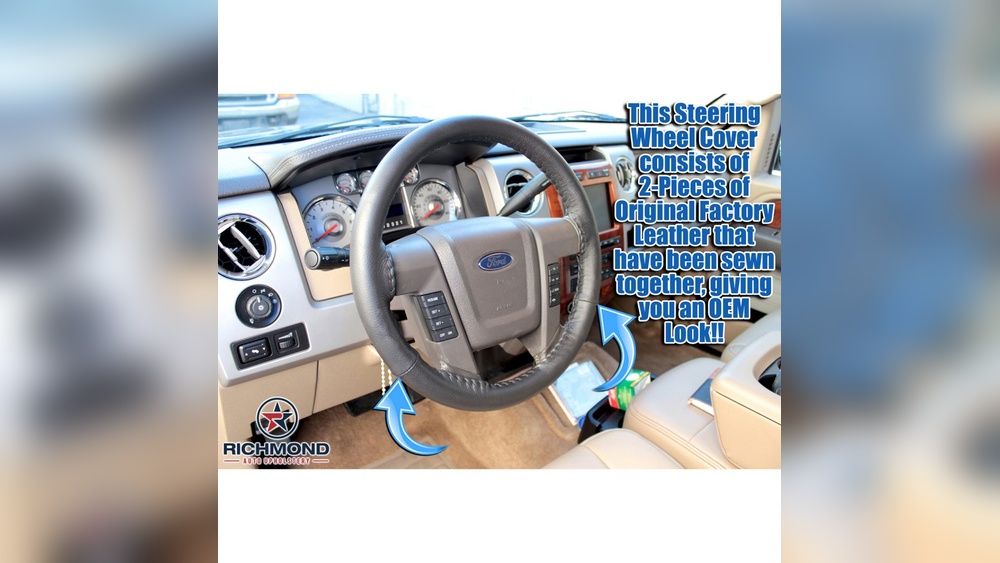
Are you tired of your steering wheel feeling slippery or looking worn out? Stitching your own leather steering wheel cover can give your car a fresh, stylish look and improve your grip while driving.
It might sound tricky, but with the right steps, you can do it yourself and save money. In this guide, you’ll learn exactly how to stitch a leather steering wheel cover, even if you’ve never worked with leather before. Ready to transform your driving experience?
Keep reading and discover how simple and rewarding this project can be.
Materials Needed
Before stitching a leather steering wheel cover, gather the right materials. This step is important for a smooth process and a quality finish. Using proper materials saves time and effort. It also helps the cover last longer and look better.
Choosing The Right Leather
Select leather that is soft but strong. Cowhide and sheepskin are popular choices. They offer good grip and comfort. Avoid very thick leather; it can be hard to sew. Thin leather may tear easily. Aim for medium thickness for balance.
Essential Tools
Gather these tools before starting your project. A leather needle is a must. It pierces through leather cleanly. Use sharp scissors to cut leather accurately. A thimble protects your finger while sewing. Clamps or clips hold leather pieces in place. A ruler helps measure and mark evenly.
Thread And Needle Selection
Use strong, durable thread designed for leather. Waxed polyester thread is a good option. It resists wear and stays tight. Choose a needle size that fits your thread and leather thickness. A curved leather needle can make stitching easier. It helps guide the thread through tight spaces.

Credit: communitysecurity.com
Preparing The Steering Wheel
Before stitching a leather steering wheel cover, prepare the wheel carefully. This step ensures the cover fits well and lasts longer. A clean, measured surface helps avoid mistakes during stitching.
Proper preparation also makes the stitching process easier and smoother. Taking time here saves effort later on.
Cleaning The Surface
Start by cleaning the steering wheel thoroughly. Use a soft cloth to remove dust and dirt. Mild soap and water work well for this task. Avoid harsh chemicals that can damage the wheel material.
Dry the wheel completely before moving on. A clean surface helps the leather cover stick better and prevents slipping. This step also improves the look of the finished cover.
Measuring For The Cover
Measure the steering wheel’s diameter accurately. Use a flexible tape measure for best results. Note both the circumference and width of the wheel.
Record these numbers carefully. Proper measurements ensure the leather cover fits snugly and looks professional. Too loose or too tight covers cause discomfort and wear quickly.
Double-check your measurements before cutting the leather. This prevents waste and saves time during stitching.
Cutting The Leather
Cutting the leather is a key step in making a steering wheel cover. It shapes the leather to fit perfectly around the wheel. Careful cutting ensures the cover looks neat and fits snugly.
Leather is thick and tough. Use sharp tools and steady hands. Take your time to avoid mistakes. The right cut helps the stitching come out clean and strong.
Marking The Pattern
Start by placing your pattern on the leather. Use a pencil or chalk that shows on leather. Trace the outline carefully. Make sure the pattern lies flat and does not move.
Leave a small extra edge around the pattern. This allowance helps with stitching later. Double-check the lines before cutting. Accuracy here saves time and material.
Cutting Techniques
Use a sharp utility knife or leather shears. Cut slowly along the marked lines. Keep the blade straight for a clean edge.
Cut on a firm surface to avoid slips. Apply even pressure for smooth cuts. Avoid jagged edges that can weaken the cover.
Trim any rough spots after cutting. Smooth edges make stitching easier and the cover look better.

Credit: www.reddit.com
Stitching Methods
Stitching a leather steering wheel cover takes patience and care. The stitching method shapes the look and strength of your cover. Choosing the right stitch and preparing your thread helps the process go smoothly. Below are key details on stitching methods for a leather steering wheel cover.
Types Of Stitches
There are several stitches used in leatherwork. The most common are saddle stitch, running stitch, and cross stitch. Saddle stitch is strong and looks neat on both sides. Running stitch is simple but less durable. Cross stitch creates a decorative pattern and adds grip. Pick a stitch that fits your skill and style.
Setting Up The Thread
Use strong waxed thread for better grip and durability. Cut a length that is easy to handle, about four times the wheel’s circumference. Thread two needles for a saddle stitch, one needle for running or cross stitch. Wax the thread lightly to prevent tangling. Keep the thread taut while stitching for a tight finish.
Hand Stitching Tips
Use a stitching awl or leather needle to make holes before stitching. Punch holes evenly around the cover edge for a clean look. Pull the thread gently to avoid puckering the leather. Work slowly and check your progress often. Keep your hands steady and relaxed to avoid mistakes.
Fitting The Cover
Fitting the leather steering wheel cover is the key step to a neat finish. It ensures the cover looks smooth and stays in place. Proper fitting makes driving more comfortable and adds style to your car.
Start by placing the cover over the wheel. Take your time to get it right. The next steps will help you adjust and secure the cover perfectly.
Aligning The Leather
Position the leather cover evenly around the wheel. Check that the seams line up with the wheel’s shape. This prevents wrinkles and bunching. Smooth out the leather as you go. Make sure the cover feels balanced on all sides.
Adjusting Tension
Pull the leather tightly but not too hard. The cover should fit snugly without stretching out. Keep tension even along the edges. Tighten the cover little by little. This avoids weak spots and loose areas. A firm fit keeps the cover from sliding while driving.
Securing The Ends
Once the cover fits well, start securing the ends. Use a strong thread to stitch the cover closed. Knot the thread tightly to prevent loosening. Trim any extra thread for a clean look. Double-check the stitching for durability. Properly secured ends keep the cover in place for a long time.
Finishing Touches
Finishing touches bring your leather steering wheel cover to life. This stage ensures the cover fits well and lasts long. Careful steps make the cover look neat and feel smooth. Follow each step to give your project a polished end.
Trimming Excess Leather
Trim extra leather close to the stitching line. Use sharp scissors for a clean cut. Avoid cutting too close to prevent unraveling. Smooth edges help the cover fit snugly around the wheel. Take your time to make precise cuts.
Conditioning And Care
Apply leather conditioner to keep the cover soft. Use a small amount and rub gently with a cloth. Conditioning prevents leather from drying and cracking. Regular care extends the life of your cover. Let the conditioner absorb before using the wheel.
Testing Durability
Test the cover by gripping and turning the wheel. Check for any loose stitches or movement in the leather. Press firmly to ensure the cover stays in place. A durable cover feels tight and secure. Fix any weak spots before driving.
Troubleshooting Common Issues
Troubleshooting common issues is key to a smooth steering wheel cover stitching process. Small problems can spoil your work. Fixing them early saves time and effort. This section explains how to handle typical problems easily.
Avoiding Wrinkles
Wrinkles happen when leather is not stretched properly. Pull the leather tight but not too hard. Stitch slowly and keep the cover smooth. Use your fingers to press out wrinkles as you go. Proper tension stops creases from forming.
Fixing Loose Stitches
Loose stitches make the cover weak. Pull the thread firmly after each stitch. If stitches loosen, remove them carefully with a seam ripper. Then, restitch the area with even tension. Tight, consistent stitches hold the cover in place.
Handling Leather Tears
Leather tears need quick attention. Small tears can be fixed with leather glue under the cover. For larger tears, use a patch inside the cover. Stitch around the patch to secure it. Avoid stretching torn areas to prevent bigger damage.

Credit: www.youtube.com
Frequently Asked Questions
How Do I Prepare Leather For Steering Wheel Cover Stitching?
Clean the leather thoroughly and let it dry. Cut the leather to fit your steering wheel. Mark stitching holes evenly around the edge for precise sewing.
What Tools Are Needed To Stitch A Leather Steering Wheel Cover?
You’ll need a leather needle, waxed thread, scissors, and a stitching pony or clamp. A hole punch and ruler help ensure even stitches.
How Long Does It Take To Stitch A Leather Steering Wheel Cover?
It typically takes 2 to 4 hours depending on your skill level. Patience is key to achieving neat, durable stitching.
Can I Use Any Thread To Stitch The Cover?
Use strong, waxed polyester or nylon thread. It resists wear and holds stitches tightly for long-lasting durability.
Conclusion
Stitching a leather steering wheel cover takes patience and care. Follow each step slowly and stay focused. Use strong thread and tight stitches for best results. Enjoy the feel of a new, comfortable grip. This project saves money and adds style to your car.
Practice makes perfect—don’t rush the process. Soon, you will have a cover made by your own hands. Keep your steering wheel safe and looking great. Try it yourself and see how satisfying this work can be.